Who invented the snowmobile?
Short answer
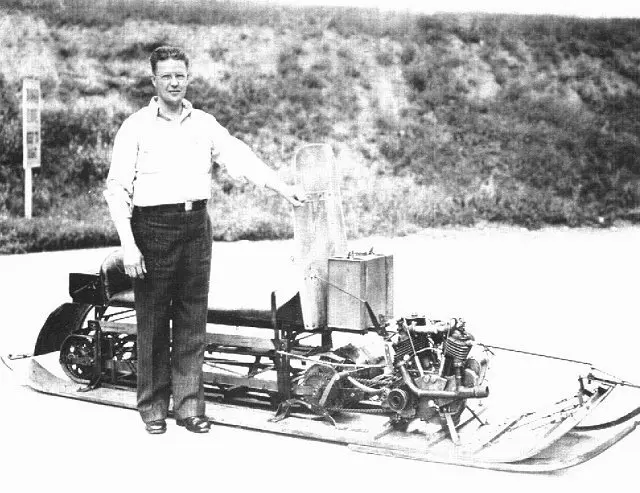
The snowmobile was not invented by a single individual, but rather evolved through the contributions of several pioneers. Carl Eliason is widely credited with building the first motorized sled in 1924, while Joseph-Armand Bombardier later revolutionized the industry in the 1930s by developing the reliable, mass-produced track-and-sprocket system used today.
On this page
Who actually invented the snowmobile?
The quest for reliable winter transportation began long before the modern snowmobile existed. In the early 20th century, inventors experimented with attaching engines to sleds or modifying Ford Model T vehicles with treads. Carl Eliason, a boat builder from Wisconsin, is frequently cited as the creator of the first true motorized sled. In 1924, he mounted a motorcycle engine onto a toboggan frame with a single track, creating a machine that could navigate deep snow.
While Eliason’s invention was functional, it remained a niche product. The true transformation occurred in Quebec, Canada, due to the efforts of Joseph-Armand Bombardier. After a personal tragedy involving the inability to transport his sick son to a hospital during a blizzard, Bombardier dedicated his life to solving winter travel. By 1937, he patented a sprocket-wheel system that allowed vehicles to traverse snow effectively. This breakthrough transitioned the snowmobile from a experimental contraption into a practical, life-saving tool for rural communities.
How did early snowmobiles work?
Early snowmobiles relied on heavy, industrial components that made them difficult to maneuver. These machines, often called "snow buses," were designed to carry multiple passengers or freight rather than provide recreational thrills. They utilized large, heavy tracks and often featured front-mounted skis for steering. The mechanical complexity of these early models meant they required constant maintenance and were prone to overheating or stalling in extreme sub-zero temperatures.
The evolution of the machine followed a specific technological progression:
- Early prototypes used air-cooled motorcycle engines mounted on wooden toboggans.
- Mid-century models introduced the "B7" concept, which utilized large rear tracks and front skis.
- The 1950s saw the development of lightweight two-stroke engines that allowed for single-rider operation.
- Modern engineering eventually shifted toward rubber tracks and independent suspension systems for better comfort.
These advancements turned a heavy, cumbersome utility vehicle into the agile, high-performance machines seen on trails today. The shift from heavy steel frames to lightweight aluminum and fiberglass was essential to this transformation.
What were the major design breakthroughs?
The most significant design hurdle was finding a way to propel a vehicle over soft, unpacked snow without sinking. Early inventors struggled with weight distribution, as standard wheels would simply spin or bury themselves. The invention of the continuous rubber track provided the necessary surface area to distribute the vehicle's weight, allowing it to "float" on top of the snow rather than cutting through it.
Another critical breakthrough was the development of the clutch and transmission system. Early machines were often direct-drive, which made them difficult to start and dangerous to operate at low speeds. The introduction of the centrifugal clutch allowed the engine to idle independently of the track. This innovation provided several key benefits for operators:
- Smoother acceleration from a standstill, preventing the track from digging into the snow.
- Improved safety when coming to a stop, as the engine could remain running while the tracks were stationary.
- Enhanced fuel efficiency by allowing the engine to operate within its optimal power band.
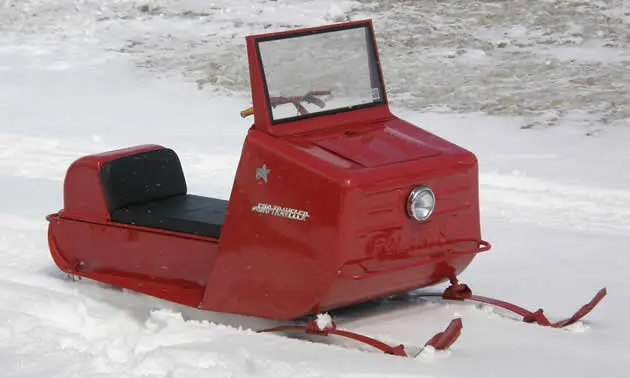
Common mistakes when operating vintage snowmobiles
Operating a vintage or early-model snowmobile requires a different skill set than driving a modern machine. One common mistake is attempting to ride these older models in deep, mountainous terrain. Because early snowmobiles lack the power-to-weight ratio and advanced suspension of modern sleds, they are prone to getting stuck in powder. Attempting to force them through such conditions often leads to mechanical failure or overheating of the engine.
Another frequent error involves neglecting the fuel-to-oil ratio in older two-stroke engines. Unlike modern machines with electronic oil injection, many vintage models require manual mixing of oil into the gasoline. Failing to get this ratio correct can result in catastrophic engine seizure. Operators should also avoid:
- Using modern, high-octane fuels that may damage older rubber fuel lines.
- Ignoring the tension of the track, which can lead to derailment during tight turns.
- Over-revving the engine during cold starts, which puts excessive stress on brittle, aged components.
How to maintain a classic snowmobile
Maintaining a classic snowmobile is a labor of love that requires attention to detail. The most important step is ensuring the fuel system is completely drained during the off-season, as old gasoline can gum up the carburetor. Regular inspection of the track cleats and suspension springs is also vital, as these parts are often the first to fail due to rust or metal fatigue. If you are restoring a machine, prioritize the integrity of the drive belt and the condition of the spark plugs.
To keep a vintage machine in working order, follow these maintenance steps:
- Clean the carburetor thoroughly using a specialized solvent to remove varnish deposits.
- Check all grease points on the steering assembly to ensure smooth movement.
- Inspect the drive track for dry rot or missing lugs, which can cause vibrations.
- Verify that the ignition system provides a strong, consistent spark to the cylinders.
By following these procedures, you can preserve the engineering history of these machines while ensuring they remain functional for years to come.
Key facts
- Carl Eliason of Sayner, Wisconsin, is widely credited with building the first motorized snow vehicle in 1924.
- Joseph-Armand Bombardier of Valcourt, Quebec, revolutionized the industry in 1937 by patenting the first practical tracked vehicle for snow.
- Early prototypes used Model T Ford engines and wooden skis, often resulting in heavy, unreliable machines.
- Modern snowmobiles utilize lightweight aluminum chassis and two-stroke or four-stroke engines for high performance.
- When operating a snowmobile, always check ice thickness and local trail conditions before heading out.
- Avoid "trenching" your snowmobile by maintaining steady momentum; if you get stuck, clear snow from under the track before attempting to move.
The bottom line
While Carl Eliason pioneered the early concept of a motorized sled, Joseph-Armand Bombardier transformed it into a viable commercial success. His innovations in track design and engine reliability turned a niche tool for rural transport into a global recreational industry. Today, snowmobiles are sophisticated machines that require proper maintenance and situational awareness to ensure safe operation across diverse winter landscapes and deep backcountry terrain.
People also ask
What was the primary purpose of the first snowmobiles?
Early inventors like Bombardier designed these vehicles to provide transportation for rural doctors and mail carriers in deep snow. They needed a reliable way to travel over unplowed roads during harsh winters.
How did the invention of the rubber track change snowmobiling?
The introduction of the continuous rubber track replaced heavy steel designs, significantly reducing the vehicle's weight. This allowed snowmobiles to glide over the surface of the snow rather than sinking into it.
Are snowmobiles street legal?
Generally, snowmobiles are not permitted on public roads because their tracks damage asphalt and their steering is ineffective on dry pavement. Some jurisdictions allow limited road crossings or specific "snowmobile-friendly" routes.
What is the difference between a snowmobile and a snowcat?
A snowmobile is a small, personal vehicle designed for one or two riders, while a snowcat is a large, enclosed, multi-passenger machine. Snowcats are typically used for grooming ski trails or transporting groups in remote areas.
Why do snowmobiles need to be cooled by snow?
Most snowmobiles use heat exchangers located in the tunnel that rely on snow spray to cool the engine. Riding on ice or hard-packed dirt can cause the engine to overheat quickly.
How fast can a modern snowmobile go?
Depending on the model and engine size, many consumer snowmobiles can reach speeds exceeding 100 miles per hour. However, trail riding regulations and safety concerns typically limit legal speeds to much lower levels.
This answer was created with the help of AI research tools and reference sources. Spotted an error? Let us know — we correct mistakes quickly. See our editorial policy.