What is Shanghai known for?
Short answer
Shanghai is a global financial powerhouse and the world’s busiest container port, renowned for its striking architectural contrast between the colonial-era Bund and the futuristic Pudong skyline. It serves as China’s premier hub for commerce, fashion, and technology, offering a unique blend of traditional Chinese culture and rapid, high-tech urban modernization.
On this page
What is the best way to see the Shanghai skyline?
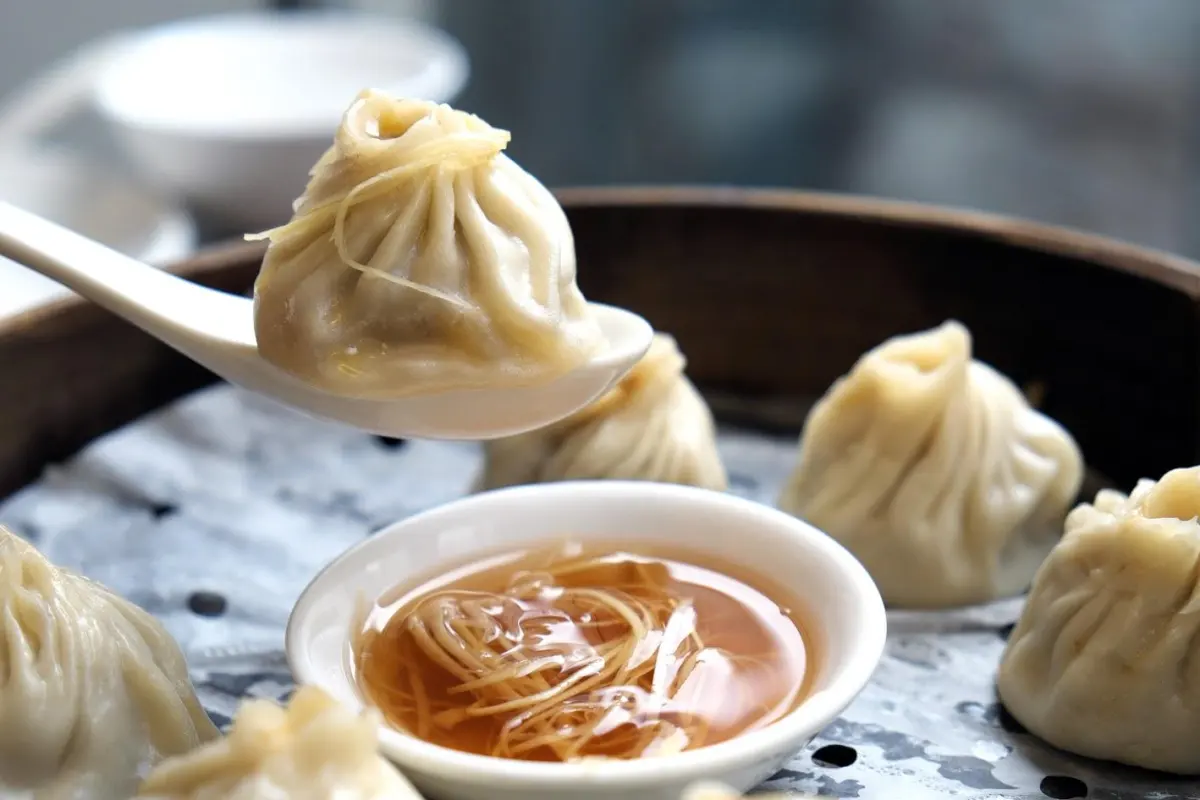
The most iconic view of the city is found by contrasting the two sides of the Huangpu River. On the Puxi side, the Bund features 52 historical buildings constructed in various Western architectural styles, including Art Deco and Neoclassical, dating back to the 1920s. Directly across the water lies Lujiazui, the financial district in Pudong, which hosts some of the tallest skyscrapers in the world.
To experience these views effectively, follow these steps:
- Walk the length of the Bund during the day to appreciate the historic masonry and European influence.
- Return after sunset when the skyscrapers in Pudong are illuminated in a vibrant, coordinated light show.
- Take the cross-river ferry for a budget-friendly transit experience or visit the observation deck of the Shanghai Tower, which reaches 632 meters.
Avoid visiting during major national holidays, such as the first week of October, when crowds at the Bund can become overwhelming and limit your ability to move freely or capture clear photographs.
How to navigate the Shanghai Metro system?
Shanghai operates one of the world’s longest and most efficient metro systems, spanning over 800 kilometers with nearly 400 stations. It is the primary mode of transportation for residents and tourists alike, connecting major districts like Jing'an, Xuhui, and Pudong seamlessly. The signage is provided in both Chinese and English, making it accessible for international travelers.
When using the metro, keep these practical tips in mind:
- Purchase a Shanghai Public Transportation Card or use the Alipay/WeChat Pay transit QR codes for seamless entry and exit.
- Check the operating hours, as most lines stop service between 10:30 PM and 11:30 PM, depending on the station.
- Use the "Metro Shanghai" app to plan routes, as it provides real-time updates on delays and the best exits to take for specific landmarks.
A common mistake is failing to account for the sheer size of the stations. Some transfers between lines can take up to 10 minutes of walking, so always factor in extra time when scheduling appointments or tours.
Why is Shanghai a global culinary destination?
Shanghai is the heart of Haipai culture, a unique fusion of Eastern and Western influences that extends deeply into its cuisine. The city is famous for its sweet and savory flavor profiles, characterized by the liberal use of soy sauce, sugar, and vinegar. The most celebrated dish is the xiaolongbao, or soup dumpling, which is meticulously pleated and filled with hot broth and pork.
Beyond dumplings, the city offers a diverse food landscape:
- Hong Shao Rou: Braised pork belly cooked in a rich, caramelized soy sauce glaze.
- Shengjianbao: Pan-fried pork buns with a crispy bottom and a soft, doughy top.
- Crab dishes: During autumn, hairy crab from nearby Yangcheng Lake is considered a seasonal delicacy and a local obsession.
Travelers should avoid eating only at hotel restaurants. Instead, explore the "wet markets" or local food streets in the Old City to find authentic, affordable meals. Many of the best-tasting dishes are found in small, unassuming shops that have operated for generations.
Common mistakes when visiting Shanghai attractions?
Many visitors underestimate the geographical scale of the city and attempt to cram too many sights into a single day. Shanghai is massive, and traffic congestion can make cross-town travel slow during peak hours. Additionally, visitors often forget that many popular sites, such as the Yu Garden or the Jade Buddha Temple, require tickets that are best purchased online in advance to avoid long queues.
To ensure a smooth trip, avoid these frequent errors:
- Relying solely on cash; most vendors and transport services now exclusively use mobile payment platforms.
- Ignoring the weather, as the city experiences high humidity in the summer and damp, chilly winters.
- Assuming all taxi drivers speak English; always have your destination address written in Chinese characters on your phone.
By staying in a central area like People’s Square or Jing’an, you can minimize transit times and maximize your exposure to the city’s vibrant street life and cultural landmarks.
What is the history of the Shanghai Concession era?
The city’s modern identity was heavily shaped by the 19th-century treaty port era, when foreign powers established distinct concessions. This period introduced Western legal systems, architecture, and international trade to the city, transforming it into the "Paris of the East" by the 1930s. Today, neighborhoods like the Former French Concession retain this legacy through tree-lined streets, European-style villas, and boutique cafes.
Exploring these historic areas provides a window into the city's complex past:
- Visit the Shanghai Propaganda Poster Art Centre for a unique look at 20th-century political history.
- Wander through the Xintiandi district, where traditional shikumen (stone gate) houses have been renovated into luxury retail spaces.
- Observe the contrast between the preserved colonial architecture and the surrounding high-rise residential developments.
Understanding this history is essential for appreciating why Shanghai feels so different from other Chinese cities. It remains a place of constant reinvention, where the weight of history is always balanced against the relentless pace of future-oriented development and global economic integration.
Key facts
- Shanghai is China's largest city and a global financial hub, home to the Shanghai Stock Exchange, one of the world's largest by market capitalization.
- The Bund is a famous waterfront promenade featuring 52 colonial-era buildings that contrast with the futuristic skyscrapers of the Lujiazui district across the river.
- The Shanghai Maglev Train is the world's fastest commercial high-speed electric train, reaching speeds of up to 431 kilometers per hour (268 mph).
- When visiting, always carry your passport, as it is required for hotel check-ins, train tickets, and entry to major tourist attractions.
- Avoid using cash for small transactions; most vendors prefer mobile payment apps like Alipay or WeChat Pay, which can be linked to international credit cards.
- The best time to visit is during the spring (March to May) or autumn (September to November) to avoid the intense summer heat and winter humidity.
The bottom line
Shanghai serves as a dynamic bridge between China’s storied past and its high-tech future. Visitors are drawn to its stunning skyline, world-class dining, and efficient infrastructure. By mastering local digital payment methods and navigating the extensive metro system, travelers can efficiently explore this massive metropolis. Whether you are interested in colonial history or modern urban development, Shanghai offers a unique, fast-paced experience that defines contemporary China.
People also ask
Is Shanghai considered a safe city for international travelers?
Shanghai is widely regarded as one of the safest major cities in the world for tourists. Violent crime is extremely rare, though travelers should remain vigilant against common petty theft or tourist scams in crowded areas like Nanjing Road.
Do I need a visa to visit Shanghai for a short trip?
Many travelers are eligible for the 144-hour visa-free transit policy if they are flying to a third country through Shanghai. You must have a confirmed onward ticket and remain within the designated administrative areas of Shanghai, Jiangsu, and Zhejiang.
What is the most efficient way to get around the city?
The Shanghai Metro is the world's longest rapid transit system and the most efficient way to navigate the city. Purchase a Shanghai Public Transportation Card or use the transit feature in mobile payment apps to tap in and out of stations easily.
What are the must-try local dishes in Shanghai?
You should try xiaolongbao, which are steamed soup dumplings filled with meat and broth. Other local specialties include red-braised pork belly and scallion oil noodles, which are staples of the sweet-leaning Shanghainese culinary tradition.
Is English widely spoken in Shanghai?
While major hotels, high-end restaurants, and tourist sites have English-speaking staff, it is not common among the general public. It is highly recommended to have your destination addresses written in Chinese characters to show taxi drivers or locals.
Can I drink the tap water in Shanghai?
You should not drink tap water directly in Shanghai, even in luxury hotels. Always boil the water first or purchase bottled water, which is readily available at convenience stores located on almost every street corner.
This answer was created with the help of AI research tools and reference sources. Spotted an error? Let us know — we correct mistakes quickly. See our editorial policy.