What is a cherry blossom festival?
Short answer
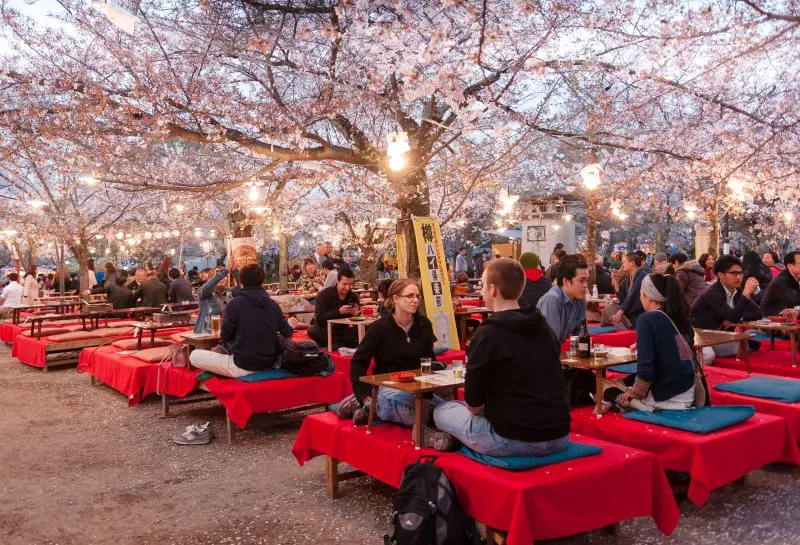
A cherry blossom festival, or hanami, is a traditional Japanese cultural celebration marking the arrival of spring and the blooming of sakura trees. Participants gather in parks and gardens to admire the ephemeral flowers, often enjoying picnics, music, and food under the canopy of blossoms to honor the beauty of nature.
On this page
What is the history of cherry blossom festivals?
The tradition of hanami, which literally translates to "flower viewing," dates back over 1,000 years to the Nara period in Japan. Initially, the practice focused on viewing plum blossoms, but by the Heian period, the focus shifted to the cherry blossom. Emperor Saga popularized the custom by hosting flower-viewing parties at the Imperial Court in Kyoto, establishing the cherry blossom as a symbol of Japanese identity and aesthetic philosophy.
These festivals are deeply rooted in the concept of mono no aware, a Japanese term describing the pathos of things or the awareness of impermanence. Because cherry blossoms bloom for only one to two weeks, they serve as a poignant reminder that life is beautiful but fleeting. Today, this tradition has expanded globally, with major festivals held in cities like Washington, D.C., Vancouver, and Macon, Georgia, celebrating both the natural phenomenon and international cultural exchange.
When is the best time to see cherry blossoms?
Cherry blossom season typically occurs between late March and mid-April, though the exact timing depends on geographical location and weather patterns. In Japan, the "cherry blossom front" moves from the warmer southern islands toward the northern regions. Because the bloom is highly sensitive to temperature fluctuations, planners often rely on official forecasts released by meteorological agencies to predict peak viewing dates.
To ensure you catch the blossoms at their finest, consider the following timeline:
- Early bloom: Buds begin to swell and open; the trees appear pale.
- Full bloom (mankai): The peak period where nearly all flowers are open; this lasts about 5 to 7 days.
- Petal fall (hanafubuki): The petals begin to scatter like snow; this is often considered the most poetic phase.
If you are planning a trip, keep in mind that peak bloom can vary by up to two weeks from year to year. Always check updated forecasts about one month before your intended travel dates.
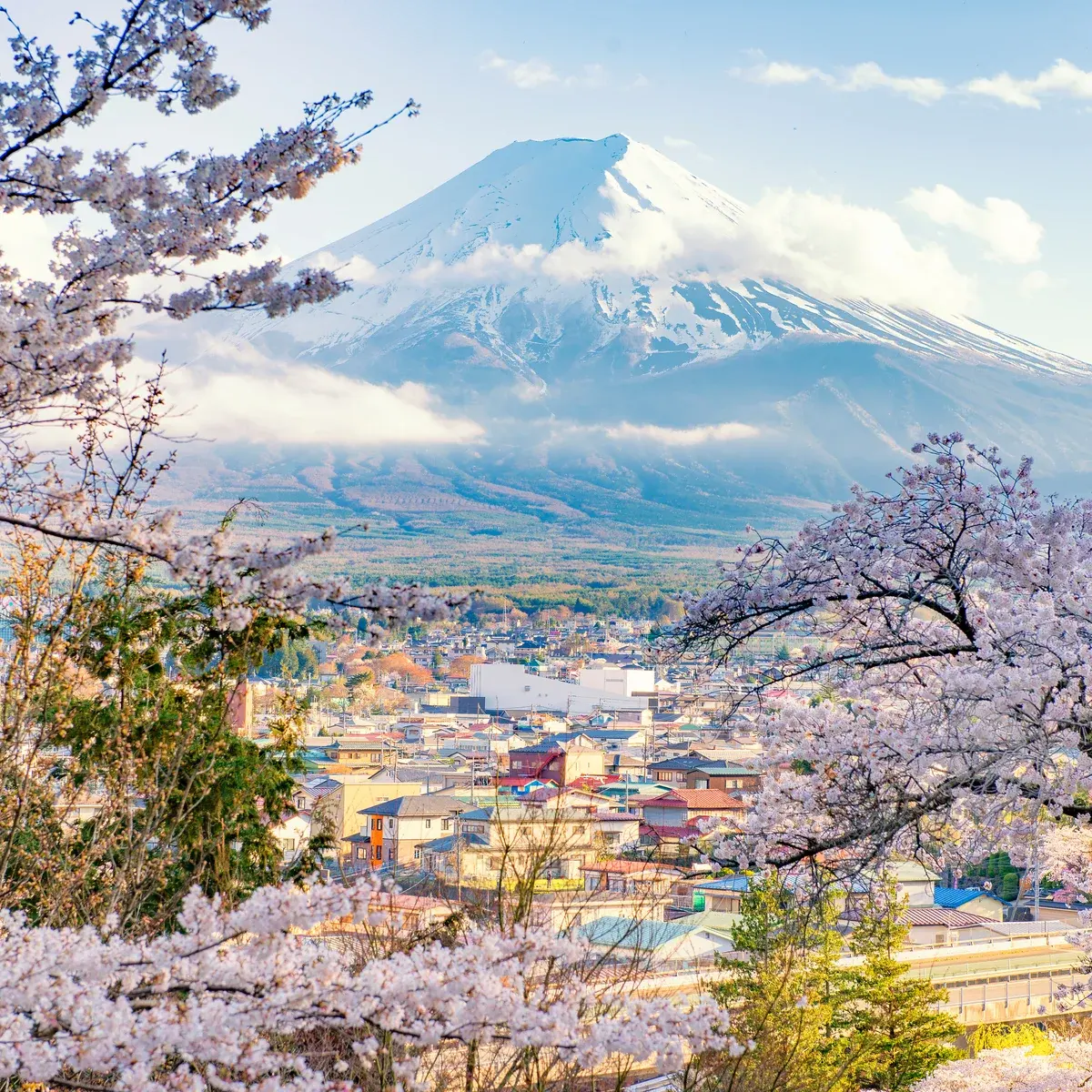
How to participate in a hanami picnic
Participating in a hanami picnic is the most authentic way to experience the festival. In public parks, locals often secure spots early in the morning by laying down blue plastic tarps. It is customary to bring a variety of seasonal foods, such as hanami dango (sweet rice dumplings), sakura mochi (pink rice cakes wrapped in pickled cherry leaves), and bento boxes filled with spring vegetables.
Follow these steps to host your own gathering:
- Choose a park with a high density of cherry trees.
- Bring a waterproof ground sheet, as the grass may be damp.
- Pack lightweight, finger-friendly foods and beverages.
- Clean up all trash meticulously, as leaving litter is considered highly disrespectful.
- Respect the trees by not touching the branches or shaking them to make petals fall.
By following these simple guidelines, you ensure that the natural beauty of the trees is preserved for everyone to enjoy throughout the season.
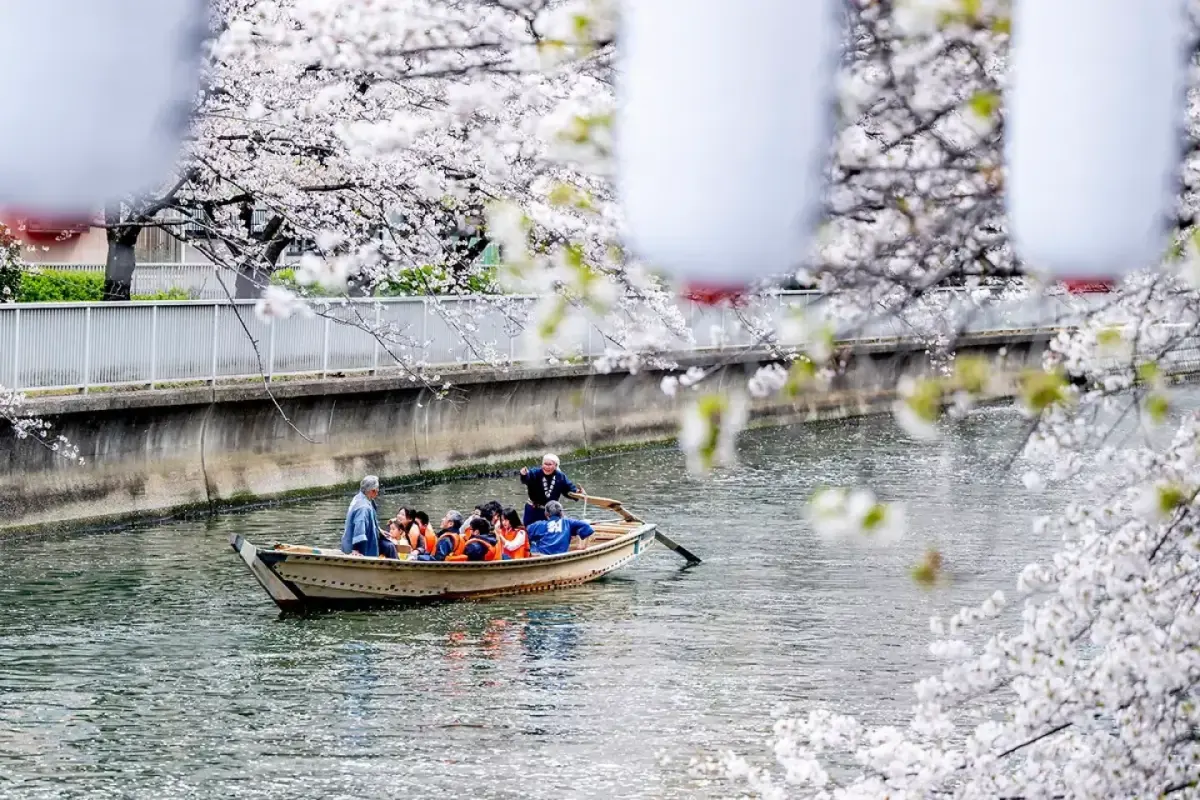
Where are the best places to see cherry blossoms?
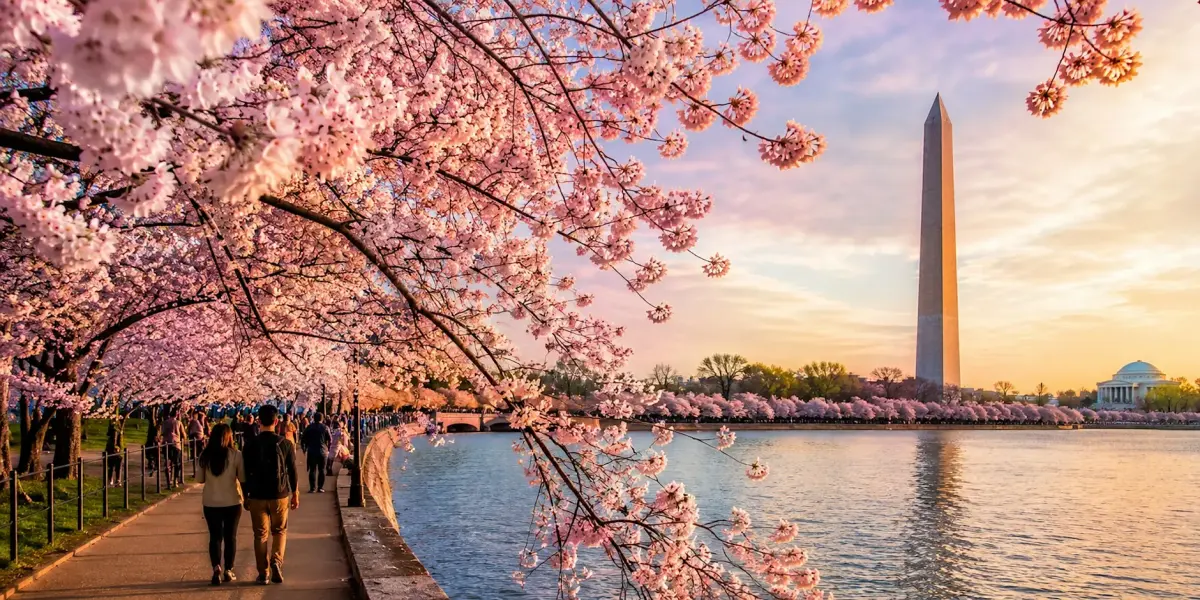
While Japan remains the primary destination for traditional festivals, many cities worldwide host spectacular events. In Tokyo, Ueno Park and Shinjuku Gyoen are iconic spots that attract millions of visitors. In Washington, D.C., the National Cherry Blossom Festival commemorates the 1912 gift of 3,000 trees from Tokyo to the city, featuring a parade and cultural performances around the Tidal Basin.
Other notable locations include:
- Hirosaki Castle, Japan: Famous for its moats covered in a carpet of fallen pink petals.
- Vancouver, Canada: Known for the thousands of trees planted throughout the city, creating tunnels of color.
- Macon, Georgia: Home to the International Cherry Blossom Festival, featuring over 350,000 Yoshino cherry trees.
- Bonn, Germany: The Heerstraße street is world-renowned for its dense, arching canopy of blossoms.
Each location offers a unique atmosphere, ranging from massive public parades to quiet, contemplative garden walks. Research the specific cultural events at your chosen destination to enhance your experience.
Common mistakes when visiting cherry blossom festivals
One of the most frequent errors visitors make is underestimating the size of the crowds. During peak bloom, popular parks become extremely congested, making it difficult to find space or navigate paths. Avoid visiting on weekends if possible; weekday mornings offer a much quieter and more serene environment for photography and reflection. Another mistake is failing to dress in layers, as spring weather can shift rapidly from warm sunshine to chilly breezes.
Additionally, avoid these common pitfalls:
- Assuming the blossoms will be at peak on a specific calendar date every year.
- Forgetting to carry cash, as many small festival food stalls do not accept credit cards.
- Touching or picking the flowers, which can damage the delicate buds and tree health.
- Being unprepared for limited public restroom access in crowded park areas.
By planning ahead, remaining flexible with your schedule, and respecting the local environment, you can fully appreciate the fleeting splendor of the cherry blossom season.
Key facts
- Cherry blossom festivals, known as hanami in Japan, celebrate the seasonal blooming of sakura trees, typically occurring between late March and early April.
- The practice of hanami dates back to the Nara period (710–794), originally centered on the plum blossom before shifting to the cherry blossom.
- Peak bloom, or mankai, usually lasts only about one week, making timing critical for festival attendance.
- Popular viewing spots often feature yozakura, which is the practice of viewing cherry blossoms illuminated by lanterns or lights at night.
- A common mistake is assuming the bloom happens at the same time nationwide; dates vary significantly by latitude and elevation across Japan.
- Visitors should bring a blue tarp or picnic mat, as reserving a spot in public parks often requires claiming space on the ground hours in advance.
The bottom line
A cherry blossom festival is a profound cultural experience centered on the ephemeral beauty of nature. Whether participating in a traditional hanami picnic in a Japanese park or attending a commemorative event abroad, the focus remains on community, appreciation of the present moment, and the transition of seasons. By respecting local customs and monitoring bloom forecasts, you can fully enjoy this fleeting, iconic spring spectacle.
People also ask
What is the significance of the cherry blossom in Japanese culture?
The cherry blossom serves as a poignant symbol of the transience of life, representing both beauty and the inevitability of mortality. This cultural appreciation is known as mono no aware, or the pathos of things.
How do I find out when the blossoms will bloom?
You should monitor the official sakura forecast published by the Japan Meteorological Corporation. These reports track the "cherry blossom front" as it moves northward across the country each spring.
Are cherry blossom festivals held outside of Japan?
Yes, many cities globally host festivals, such as the National Cherry Blossom Festival in Washington, D.C., which commemorates the 1912 gift of 3,000 trees from Tokyo. These events often feature parades, cultural performances, and street fairs.
What should I bring to a traditional hanami picnic?
Pack seasonal foods like hanami dango (sweet rice dumplings) and bento boxes, along with wet wipes and trash bags. It is essential to carry out all your waste, as public bins are often unavailable or overflowing during peak season.
Is it acceptable to touch or pick the cherry blossoms?
No, it is considered disrespectful and harmful to the trees to touch, shake, or pick the blossoms. Many parks have strict rules prohibiting damage to the branches to ensure the trees remain healthy for future seasons.
Do I need to pay to attend a cherry blossom festival?
Most public parks in Japan are free to enter, though some specific gardens or private venues may charge an admission fee. Major city festivals often include ticketed events for special performances or guided tours.
This answer was created with the help of AI research tools and reference sources. Spotted an error? Let us know — we correct mistakes quickly. See our editorial policy.