What is radiation?
Short answer
Radiation is the emission of energy as electromagnetic waves or moving subatomic particles. It occurs naturally throughout the universe, ranging from harmless visible light and radio waves to high-energy X-rays and gamma rays. While some forms can damage biological tissue, radiation is essential for modern medicine, energy production, and daily communication technologies.
On this page
What is radiation made of?
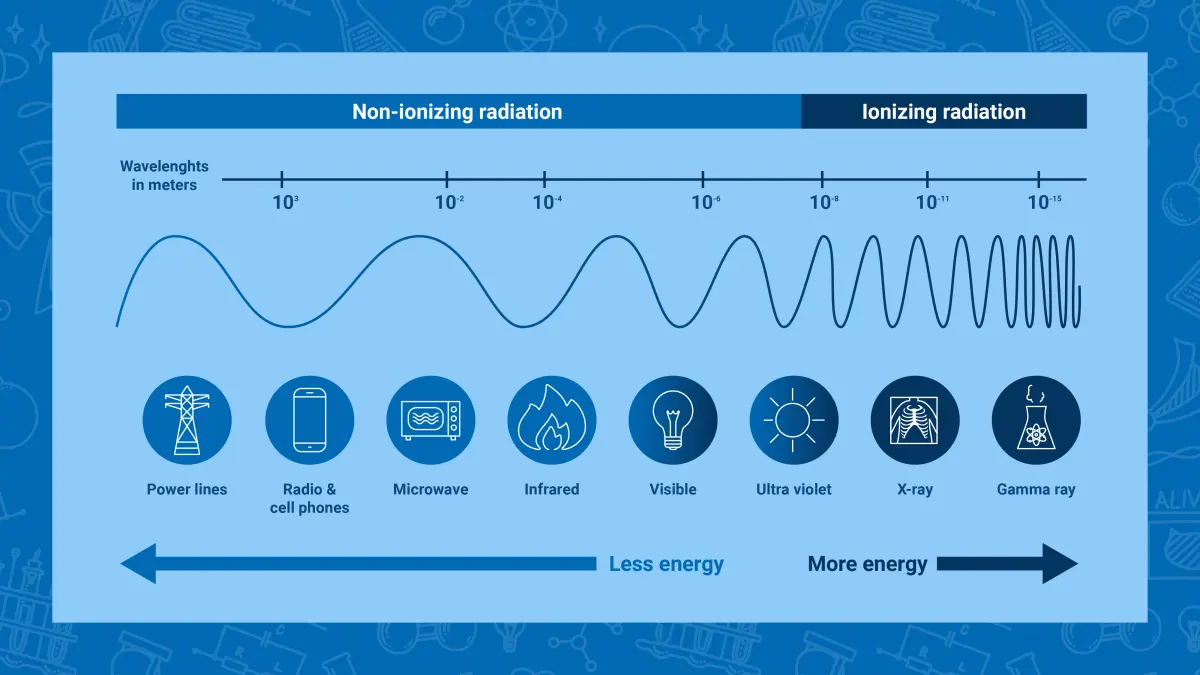
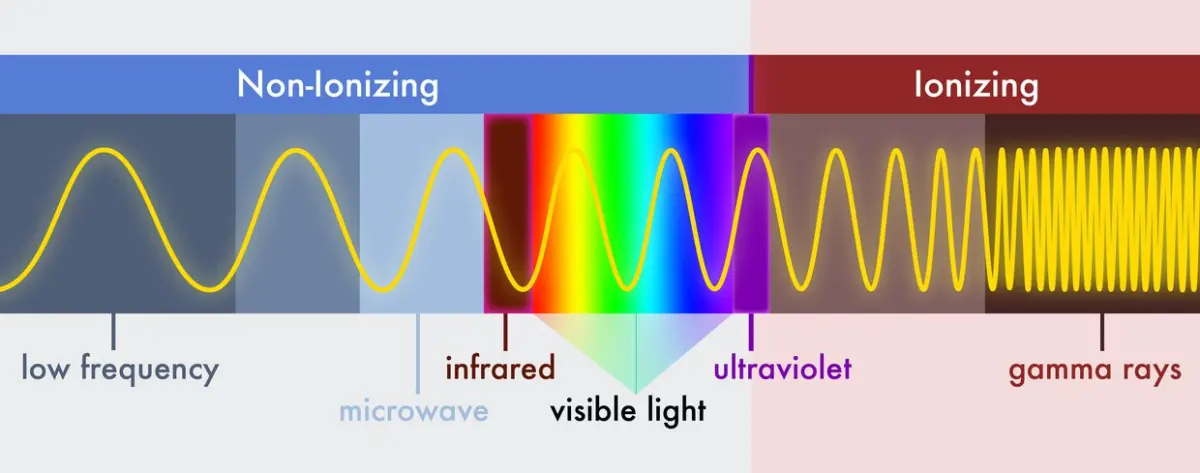
Radiation is broadly categorized into two types: non-ionizing and ionizing. Non-ionizing radiation carries enough energy to excite atoms but lacks the power to remove electrons from them. This category includes radio waves, microwaves, infrared light, and visible light. These forms are generally considered safe in everyday exposure because they do not alter the chemical structure of matter or DNA.
Ionizing radiation, by contrast, possesses sufficient energy to strip electrons from atoms, creating ions. This process can damage biological cells and DNA. This category includes ultraviolet light, X-rays, and gamma rays, as well as particles emitted during radioactive decay, such as alpha and beta particles. Understanding this distinction is critical for evaluating risk, as ionizing radiation requires specific safety protocols to protect human health during medical or industrial use.
How does radiation affect the body?
When ionizing radiation interacts with human tissue, it can cause direct or indirect damage to cellular structures. Direct damage occurs when radiation strikes DNA molecules, potentially causing mutations. Indirect damage happens when radiation interacts with water molecules in the body, creating free radicals that subsequently attack cellular components. The body has natural repair mechanisms, but high doses can overwhelm these systems.
The impact of radiation on health is measured in sieverts (Sv). Small, cumulative doses are a part of life, but high acute exposure can lead to radiation sickness. Symptoms range from nausea and fatigue to severe organ damage. To manage exposure, experts use the ALARA principle: As Low As Reasonably Achievable. This involves three primary protective strategies:
- Time: Minimize the duration of exposure to a radiation source.
- Distance: Increase the physical space between yourself and the source.
- Shielding: Use materials like lead, concrete, or water to block or absorb radiation.
Why does radioactive decay happen?
Radioactive decay is a natural process where unstable atomic nuclei lose energy by emitting radiation. An atom becomes unstable when it has an imbalance of protons and neutrons in its nucleus. To reach a more stable state, the nucleus sheds excess energy or particles. This transformation continues until the atom reaches a stable configuration, often turning into a different element entirely.
This process is measured by a substance's half-life, which is the time required for half of the radioactive atoms in a sample to decay. Half-lives vary wildly, from fractions of a second for some isotopes to billions of years for others like Uranium-238. This natural phenomenon is the basis for carbon dating, which allows scientists to determine the age of ancient organic materials by measuring the remaining isotopes of carbon-14.
How to stay safe around radiation?
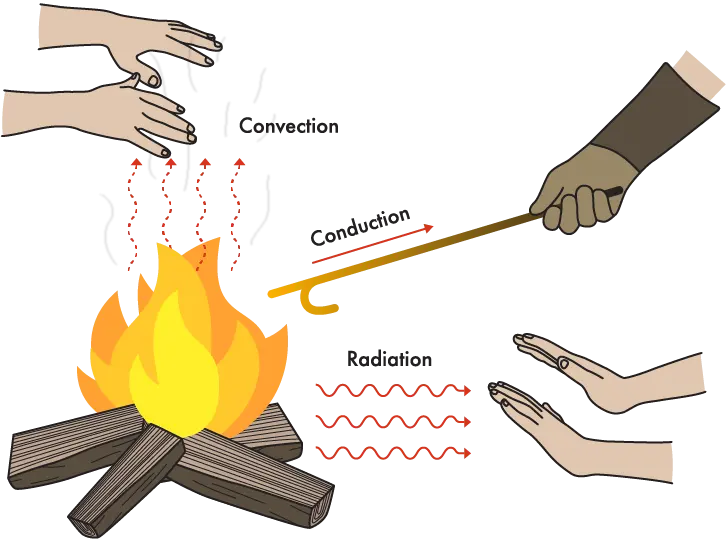
Most people encounter radiation safely every day through sunlight, medical imaging, and background sources like radon gas in soil. However, when working in environments with higher levels of radiation, such as nuclear facilities or specialized medical labs, strict adherence to safety protocols is mandatory. Ignorance of these protocols is the most common cause of unnecessary exposure.
If you are undergoing medical procedures involving radiation, such as an X-ray or CT scan, follow these steps to ensure safety:
- Inform your medical provider if you are pregnant or could be pregnant.
- Ask if the procedure is necessary and if there are non-ionizing alternatives.
- Wear provided protective gear, such as lead aprons, if instructed by the technician.
- Keep a record of your medical imaging history to avoid repeating tests unnecessarily.
- Follow all post-procedure instructions provided by your healthcare team to minimize any lingering risks.
Common mistakes when measuring radiation
A frequent error is confusing the source of radiation with the radiation itself. For example, a medical X-ray machine is a source, but the radiation is the beam of energy it produces. Another mistake is assuming that all radiation is man-made. In reality, the vast majority of human exposure comes from natural background radiation, including cosmic rays from space and radioactive elements in the Earth's crust.
People also often conflate contamination with irradiation. Irradiation occurs when an object is exposed to radiation, but it does not become radioactive itself. Contamination, however, happens when radioactive material is physically deposited on or inside an object or person. Understanding this difference is vital for emergency response and decontamination procedures. Always rely on certified detection equipment, such as a Geiger counter, rather than anecdotal evidence when assessing the safety of an environment or material. By maintaining a clear understanding of these physical principles, you can navigate the modern world with confidence and proper caution regarding the invisible energy that surrounds us.
Key facts
- Radiation is energy that travels through space or matter in the form of waves or high-speed particles.
- Ionizing radiation, such as X-rays and gamma rays, has enough energy to remove electrons from atoms and damage living tissue.
- Non-ionizing radiation, including radio waves, microwaves, and visible light, lacks the energy to ionize atoms.
- Background radiation is the constant, low-level exposure we receive from natural sources like cosmic rays and radon gas in the soil.
- The Sievert (Sv) is the international unit used to measure the biological effect of radiation dose on human health.
- To minimize unnecessary exposure, follow the ALARA principle: keep exposure "As Low As Reasonably Achievable" through time, distance, and shielding.
The bottom line
Radiation is a fundamental aspect of the physical world, existing as both life-sustaining energy and high-energy particles that require careful management. While ionizing radiation can damage cells, practical safety measures like distance and shielding effectively mitigate these risks. Understanding the distinction between natural background levels and concentrated sources allows for a balanced perspective, ensuring that one can navigate modern environments with confidence and proper caution.
People also ask
Is all radiation dangerous to humans?
No, most radiation is harmless and essential for life, such as the heat and light we receive from the sun. Only high-energy ionizing radiation poses a significant health risk if exposure levels are high.
How can I protect myself from radiation exposure?
You can reduce exposure by limiting the time spent near a source, increasing your distance from it, and using shielding materials like lead or concrete. These three factors are the standard safety protocols in medical and industrial settings.
Are medical X-rays a major health concern?
Medical X-rays use very low doses of radiation that are considered safe for diagnostic purposes. The health benefit of identifying a serious injury or illness far outweighs the minor risk associated with the procedure.
What is the difference between radiation and radioactive contamination?
Radiation is the energy emitted from a source, while radioactive contamination is the physical presence of radioactive material on surfaces or in the body. You can be exposed to radiation from a distance, but contamination requires direct contact or ingestion.
Can radiation be detected without special equipment?
Human senses cannot detect ionizing radiation, which is why specialized tools like Geiger counters or dosimeters are required. Relying on physical sensations to judge radiation safety is a common and dangerous mistake.
Does living near a nuclear power plant increase radiation risk?
Studies show that the radiation exposure for people living near a properly functioning nuclear power plant is negligible. It is often lower than the radiation received from natural background sources like granite countertops or air travel.
This answer was created with the help of AI research tools and reference sources. Spotted an error? Let us know — we correct mistakes quickly. See our editorial policy.