How does an airplane fly?
Short answer
Airplanes fly by generating lift through the movement of air over specially shaped wings called airfoils. As the engine provides thrust to move the plane forward, air flows faster over the curved top of the wing than the bottom, creating lower pressure above. This pressure difference pushes the aircraft upward against gravity.
On this page
How do airplane wings generate lift?
The physics of flight relies on Bernoulli’s principle and Newton’s third law of motion. An airfoil’s shape forces air to travel a longer distance over the top surface compared to the bottom. This speed differential creates a pressure gradient where the air pressure is lower on top, effectively "sucking" the wing upward. Simultaneously, the wing is angled slightly upward, known as the angle of attack, which deflects air downward. According to Newton’s third law, for every action, there is an equal and opposite reaction; as the wing pushes air down, the air pushes the wing up.
Pilots must manage this lift carefully during different phases of flight. If the angle of attack becomes too steep, the airflow over the top of the wing separates, causing a stall. Maintaining the correct airspeed is essential to ensure that the pressure differential remains strong enough to support the weight of the aircraft. Modern wings are also equipped with flaps and slats that change the wing's shape to increase surface area and curvature during low-speed maneuvers like takeoff and landing.
What are the four forces of flight?
Flight is a constant balancing act between four fundamental physical forces. These forces dictate whether an airplane climbs, descends, accelerates, or slows down. When these forces are in equilibrium, the airplane maintains a steady state of flight.
- Thrust: The forward force produced by engines (propellers or jets) to overcome drag.
- Drag: The air resistance that acts opposite to the direction of motion.
- Lift: The upward force generated by the wings to overcome gravity.
- Weight: The downward force caused by the Earth’s gravity acting on the mass of the plane.
To achieve takeoff, the thrust must move the plane fast enough for the wings to generate lift greater than the aircraft’s weight. During cruise, the thrust must exactly equal the drag, and lift must exactly equal the weight. If a pilot wants to climb, they increase thrust or adjust the pitch to increase lift. If they want to descend, they reduce thrust and allow gravity to pull the aircraft toward the ground.
How do pilots control an airplane in the air?
Pilots use three primary control surfaces to maneuver an airplane in three-dimensional space. These surfaces change the airflow around the aircraft, creating the forces necessary to rotate the plane around its center of gravity. Each control is managed through the cockpit yoke or stick and the rudder pedals.
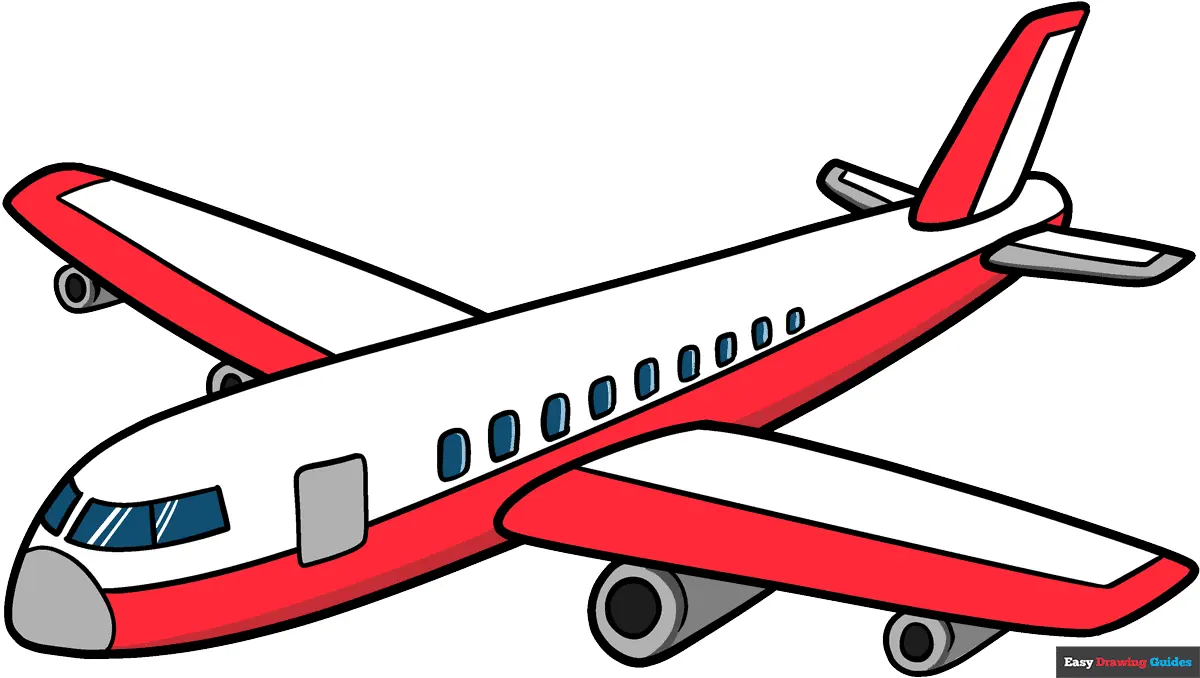
- Ailerons: Located on the trailing edge of the wings, these move in opposite directions to roll the plane left or right.
- Elevators: Located on the horizontal stabilizer at the tail, these move the nose up or down to control pitch.
- Rudder: Located on the vertical stabilizer, this moves the nose left or right to control yaw.
By combining these movements, a pilot can execute complex maneuvers. For example, a turn involves using the ailerons to bank the wings and the rudder to coordinate the turn, preventing the plane from slipping sideways. Understanding how these surfaces interact with the wind is the foundation of flight training. Pilots spend hundreds of hours practicing these inputs to ensure smooth transitions between different flight attitudes.
Why do airplanes stall and how to recover?
A stall is a common aerodynamic phenomenon that occurs when the wing exceeds its critical angle of attack. Contrary to popular belief, a stall does not mean the engine has stopped working; it means the wings have lost the ability to generate sufficient lift. When the air can no longer flow smoothly over the curved top of the wing, it becomes turbulent and detaches from the surface. This causes a sudden drop in lift and a subsequent loss of altitude.
To recover from a stall, a pilot must immediately reduce the angle of attack by pushing the nose of the aircraft down. This action reattaches the airflow to the wing surface and restores lift. Once the airflow is smooth, the pilot can add power and gently level the aircraft. Avoiding stalls is a primary focus of flight instruction, as they are most dangerous when occurring close to the ground during the approach to a runway.
Common mistakes when learning to fly
New pilots often struggle with the coordination required to handle an aircraft smoothly. One frequent error is "over-controlling," where a student makes large, jerky movements with the yoke or stick. This leads to an unstable flight path and can induce motion sickness in passengers. Another mistake is failing to monitor airspeed during turns, which can inadvertently lead to a stall if the pilot pulls back too hard on the controls.
- Fixating on one instrument instead of scanning the full panel.
- Forgetting to adjust the trim, which causes the pilot to fight the controls constantly.
- Ignoring wind drift, which results in an off-course flight path.
- Failing to anticipate the need for power adjustments during climbs and descents.
To become a proficient pilot, one must practice consistent scanning techniques and develop a "feel" for the aircraft’s response to control inputs. Mastery comes from understanding that the airplane is a system of interconnected forces, and every movement has a direct impact on the aircraft's stability and trajectory. Through regular practice and adherence to safety protocols, these skills eventually become second nature to the aviator.
Key facts
- Airplanes generate lift primarily through the Bernoulli principle, where air moving faster over the curved top of a wing creates lower pressure than air moving slower underneath.
- Newton’s Third Law of Motion also contributes to flight, as the wing deflects air downward, creating an equal and opposite upward force.
- The four forces acting on an aircraft in flight are lift, weight, thrust, and drag, which must be balanced for steady, level flight.
- Modern commercial jets typically cruise at altitudes between 30,000 and 42,000 feet to take advantage of thinner air that reduces drag.
- Pilots control an aircraft's orientation using ailerons for roll, elevators for pitch, and the rudder for yaw.
- A common mistake for beginners is confusing the rudder with steering; the rudder is primarily used to coordinate turns and counteract crosswinds, not to turn the plane like a car.
The bottom line
Flight is a precise balance of physics where wings manipulate airflow to generate lift, overcoming the constant pull of gravity. By managing thrust, drag, and aerodynamic control surfaces, pilots navigate the skies with remarkable efficiency. Understanding these fundamental principles reveals that airplanes are not merely defying nature, but utilizing the laws of fluid dynamics and motion to achieve safe, consistent, and reliable aerial transportation.
People also ask
Why do airplanes have curved wings?
The shape, known as an airfoil, is designed to accelerate air over the top surface. This pressure difference is the primary mechanism that generates the lift necessary to overcome gravity.
What happens if an airplane engine fails during flight?
An airplane does not fall out of the sky; it enters a glide. Pilots are trained to maintain airspeed and navigate to the nearest suitable landing site using the lift generated by the wings.
How do flaps on the wings help a plane?
Flaps are extendable surfaces that increase the wing's surface area and curvature. They are used during takeoff and landing to generate extra lift at lower speeds.
What is the purpose of the vertical tail fin?
The vertical stabilizer provides directional stability, preventing the nose of the plane from swinging side-to-side. It acts much like the feather on an arrow to keep the aircraft flying straight.
How does an airplane turn in the air?
To turn, a pilot banks the aircraft using the ailerons to tilt the wings. This directs a portion of the lift force horizontally, pulling the airplane into a coordinated turn.
Why is there turbulence during a flight?
Turbulence is caused by irregular air movement, such as wind shear, storms, or air flowing over mountains. It is a normal atmospheric phenomenon that does not compromise the structural integrity of the aircraft.
This answer was created with the help of AI research tools and reference sources. Spotted an error? Let us know — we correct mistakes quickly. See our editorial policy.