What is Belgium known for?
Short answer
Belgium is globally renowned for its world-class chocolate, diverse beer culture, and intricate lace-making traditions. As the administrative heart of the European Union, it also serves as a critical diplomatic hub. The nation is celebrated for its medieval architecture, iconic comic strips like The Adventures of Tintin, and rich culinary heritage.

On this page
Why is Belgian chocolate famous?
Belgian chocolate is considered the gold standard due to its high cocoa content and traditional manufacturing techniques. Unlike mass-produced alternatives, Belgian chocolatiers strictly adhere to a 19th-century law that mandates a minimum of 35% pure cocoa. This ensures a rich, smooth texture that melts precisely at body temperature. Many producers still use stone rollers to refine the cocoa mass, a labor-intensive process that results in a superior flavor profile.
The country is home to over 2,000 chocolatiers, ranging from historic family-run shops to global innovators like Neuhaus, which invented the praline in 1912. When purchasing, look for seals indicating "Belgian Chocolate," which guarantee the product was manufactured within the country. To ensure you are getting the highest quality, keep these tips in mind:
- Avoid shops located directly next to major tourist attractions, as these often sell lower-quality, tourist-oriented products.
- Look for boutiques that offer "fresh" chocolates, which should be consumed within two weeks for optimal flavor.
- Check that the filling is made with fresh cream or butter, rather than preservatives, to distinguish artisan quality from industrial goods.
How to explore Belgian beer culture
Belgium produces over 1,500 distinct beer varieties, a diversity recognized by UNESCO as part of the Intangible Cultural Heritage of Humanity. The brewing tradition is deeply rooted in monastic history, specifically the Trappist orders. These monks produce authentic ales within monastery walls, using centuries-old recipes that prioritize secondary fermentation in the bottle. This process creates complex, evolving flavors that are often compared to fine wines.
To navigate this vast landscape, follow these steps to ensure an authentic experience:
- Visit a dedicated beer café, known as a café typique, which will often stock hundreds of labels.
- Ask the server for a specific glass; in Belgium, almost every beer style is served in a unique, branded glass designed to enhance its specific aroma and head retention.
- Sample a "Lambic" or "Gueuze," which are spontaneously fermented beers unique to the Zenne valley near Brussels.
- Avoid drinking beer directly from the bottle, as the sediment at the bottom is intended to be either left behind or poured carefully depending on the style.
Best cities for architecture and history
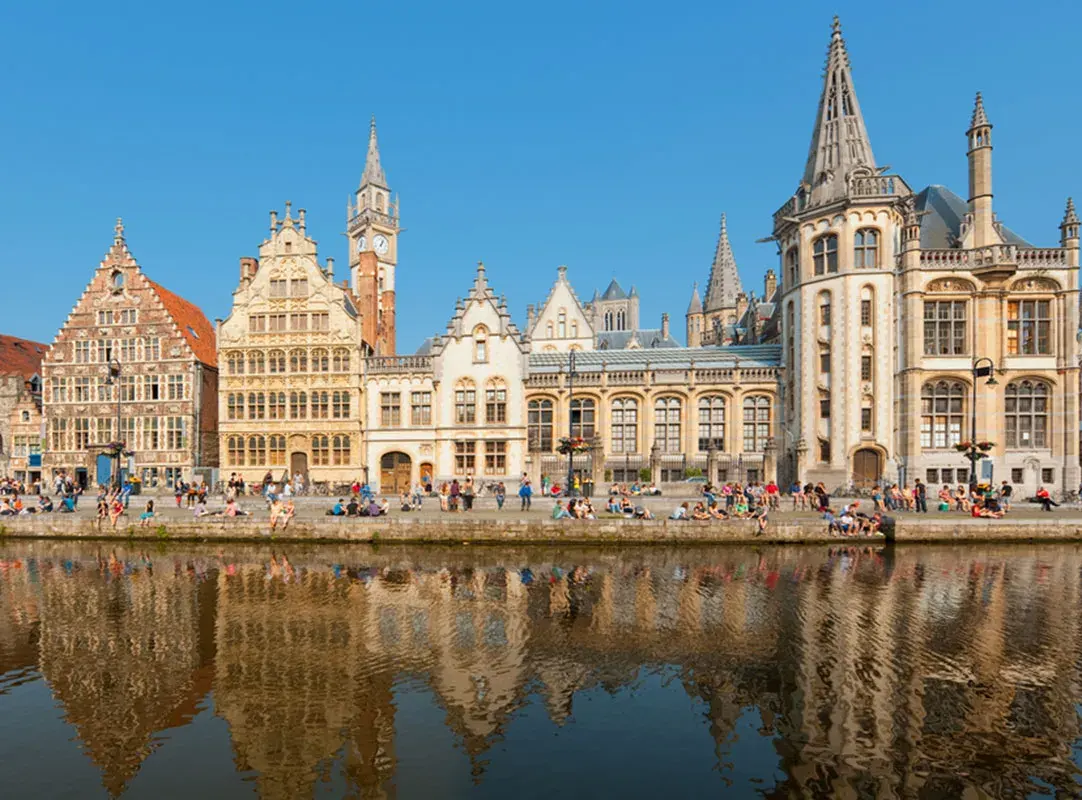
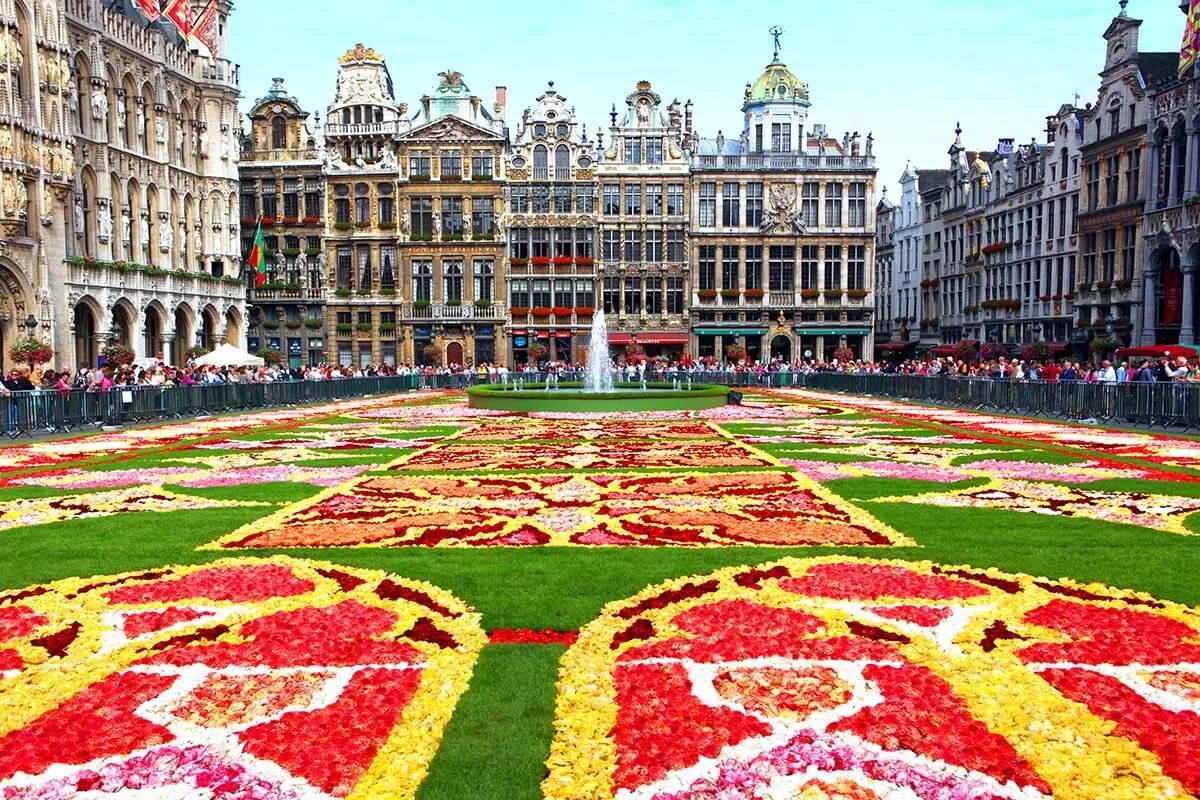
Belgium’s urban landscape is defined by its well-preserved medieval centers and ornate guildhalls. Bruges, often called the "Venice of the North," is famous for its winding canals and Gothic structures that remained largely untouched during the World Wars. Meanwhile, Brussels serves as a contrast, featuring the Grand Place, which is widely considered one of the most beautiful squares in the world due to its opulent 17th-century architecture.
Antwerp offers a different perspective, blending medieval roots with cutting-edge design. It is the world’s diamond capital, with a history of trade that funded the construction of massive cathedrals and the stunning Port House designed by Zaha Hadid. When visiting these cities, be aware that many historic buildings have steep, narrow staircases that do not accommodate elevators. Plan to wear comfortable walking shoes, as the historic centers are primarily paved with uneven cobblestones that make cycling or rolling luggage difficult.
Common mistakes when visiting Belgium
Travelers often underestimate the linguistic complexity of the country, which can lead to minor social friction. Belgium is divided into three official linguistic regions: Dutch-speaking Flanders in the north, French-speaking Wallonia in the south, and the bilingual capital of Brussels. Assuming everyone speaks French or English can be considered impolite in Flemish areas. A simple greeting in the local language—"Hallo" in the north or "Bonjour" in the south—goes a long way in establishing rapport with locals.
Another frequent error is failing to validate train tickets or misinterpreting the rail network. The Belgian rail system is efficient, but it is easy to board a train heading in the wrong direction if you do not check the final destination on the digital displays. Avoid these common pitfalls:
- Do not assume shops and restaurants are open on Sundays, as many small businesses close for the entire day.
- Avoid tipping excessively; service charges are always included in the bill, and while rounding up is appreciated, large tips are not expected.
- Do not confuse Belgian fries with French fries; locals take their frites very seriously and typically serve them in a paper cone with a generous dollop of mayonnaise.
Why is comic book art important?
Belgium is the birthplace of modern European comics, or bande dessinée, which are treated with the same cultural reverence as literature. The industry gained global prominence in 1929 with the debut of Hergé’s The Adventures of Tintin. This legacy continues today, with Brussels serving as the creative hub for hundreds of professional comic artists. The city even features a dedicated Comic Strip Route, where massive murals of famous characters are painted directly onto the sides of residential buildings.
To fully appreciate this aspect of the culture, visit the Belgian Comic Strip Center located in a stunning Art Nouveau building designed by Victor Horta. It provides a comprehensive look at the evolution of the medium, from early sketches to the sophisticated graphic novels produced today. Whether you are a fan of The Smurfs or Lucky Luke, the influence of these characters is visible everywhere, from museum exhibits to public statues. Engaging with this art form provides a unique lens through which to view Belgian humor, social values, and the nation's historical penchant for surrealism.
Key facts
- Belgium produces over 220,000 tons of chocolate annually, with iconic brands like Godiva, Neuhaus, and Leonidas leading the industry.
- The country is home to more than 1,500 distinct beer varieties, ranging from Trappist ales brewed by monks to spontaneous-fermentation lambics.
- Brussels serves as the de facto capital of the European Union, hosting the European Commission, the Council of the European Union, and the European Parliament.
- The historic center of Bruges is a UNESCO World Heritage site, famous for its well-preserved medieval architecture and intricate canal network.
- When ordering fries, always ask for "frites" or "frieten" and choose from dozens of dipping sauces, but avoid asking for ketchup if you want the traditional experience.
- The comic book industry is a national treasure, with Hergé’s The Adventures of Tintin and Peyo’s The Smurfs originating from Belgian artists.
The bottom line
Belgium is a compact yet culturally dense nation that offers a sophisticated blend of medieval history and modern European influence. Whether you are exploring the grand squares of Brussels, sampling world-class chocolates and beers, or wandering through the preserved canals of Bruges, the country provides a rich experience. Its central location and efficient rail system make it an ideal destination for travelers exploring Western Europe.
People also ask
Is it better to visit Brussels or Bruges?
Brussels is ideal for those seeking international diplomacy, diverse museums, and vibrant nightlife. Bruges is better suited for travelers who prefer a romantic, fairytale atmosphere with cobblestone streets and quiet boat tours.
What is the official language of Belgium?
Belgium has three official languages: Dutch, French, and German. Dutch is spoken primarily in the northern region of Flanders, while French is dominant in the southern region of Wallonia and the capital.
Do I need to tip at restaurants in Belgium?
Tipping is not mandatory because service charges are already included in the bill. It is common to round up the total or leave a small amount of loose change if the service was exceptional.
What is the best way to travel between Belgian cities?
The national rail network, SNCB, is highly efficient and connects almost every town in the country. You can reach most major cities within an hour, making day trips from Brussels very practical.
What are the best souvenirs to bring home?
High-quality Belgian chocolate, artisanal lace from Bruges, and specialized beer glassware are the most popular choices. Ensure chocolate is kept in a cool environment during transit to prevent melting.
When is the best time of year to visit?
Late spring, from May to June, and early autumn, from September to October, offer the most pleasant weather. These months avoid the peak summer crowds while still providing enough warmth for outdoor sightseeing.
This answer was created with the help of AI research tools and reference sources. Spotted an error? Let us know — we correct mistakes quickly. See our editorial policy.