What is San Francisco known for?
Short answer
San Francisco is world-renowned for its iconic Golden Gate Bridge, steep rolling hills, and vibrant Victorian architecture. As a global hub for technology and innovation, it serves as the gateway to Silicon Valley. The city is also celebrated for its diverse culinary scene, historic cable cars, and unique maritime climate.
On this page
What makes the Golden Gate Bridge famous
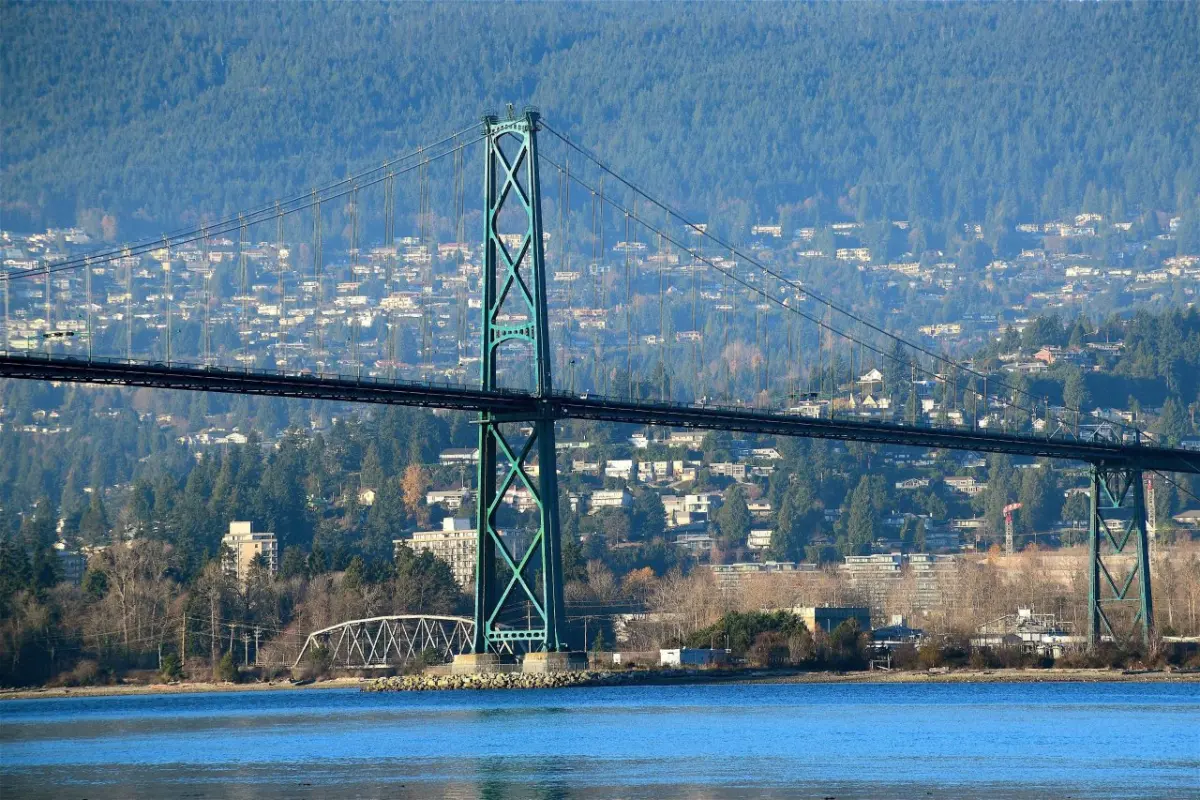
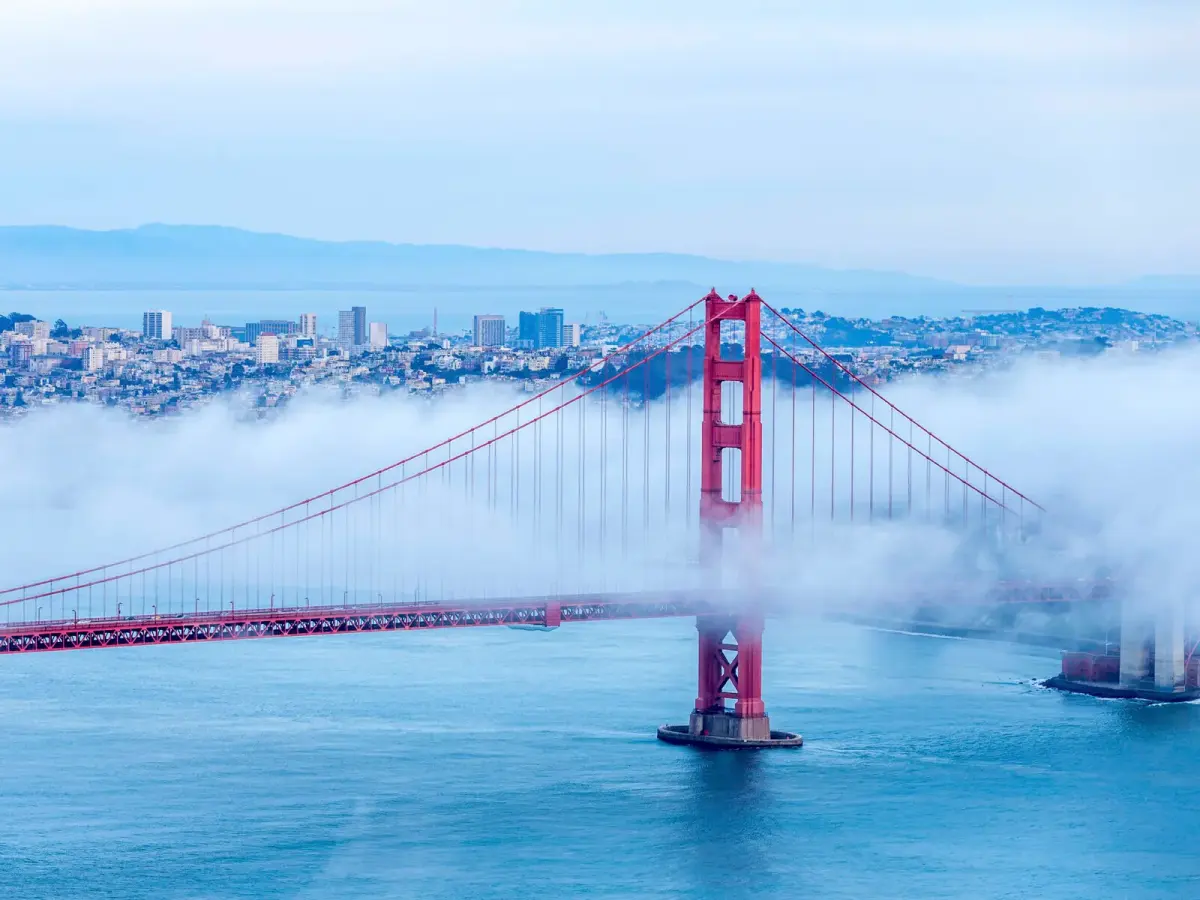
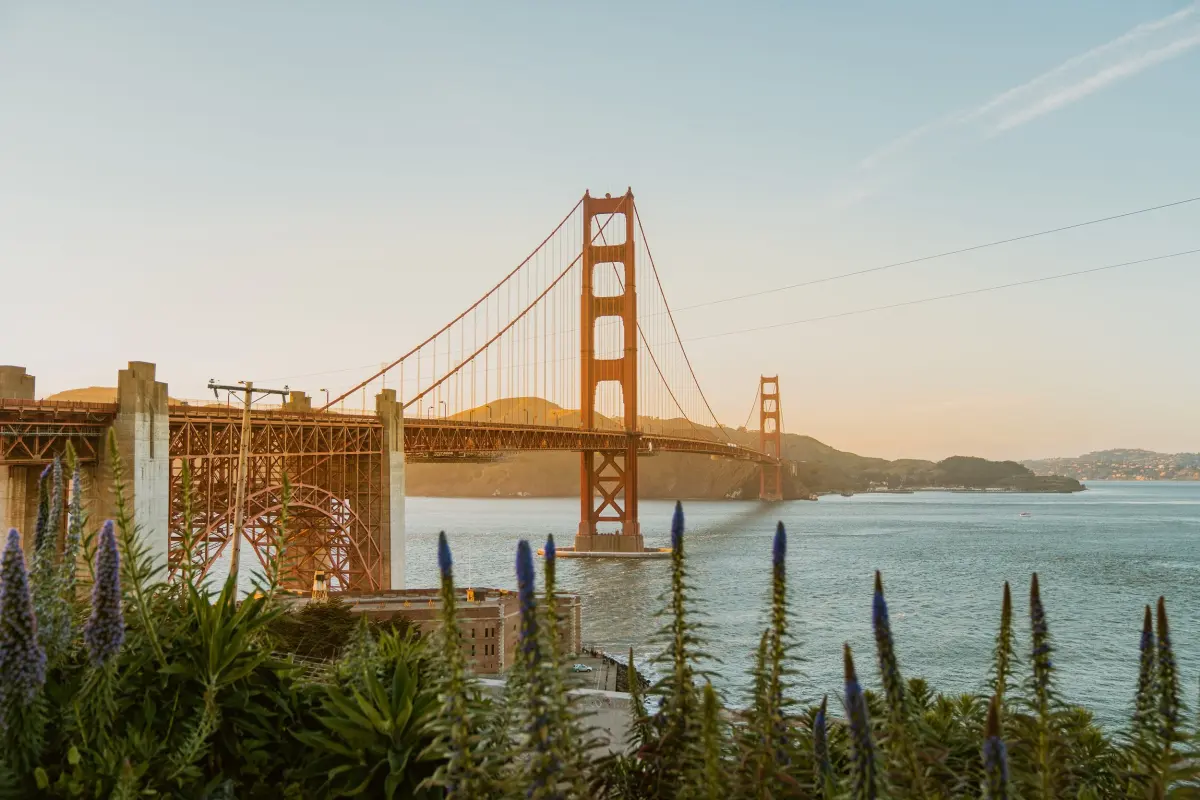
The Golden Gate Bridge is an engineering marvel that spans the 1.7-mile strait connecting San Francisco Bay to the Pacific Ocean. Completed in 1937, it was once the longest suspension bridge in the world. Its signature "International Orange" color was chosen to complement the natural surroundings and ensure visibility for ships navigating through the region's frequent dense fog.
Visitors often flock to the bridge to experience its scale firsthand. Whether you choose to walk, cycle, or drive across, the structure offers panoramic views of the city skyline and the rugged Marin Headlands. To make the most of your visit, consider these tips:
- Arrive early in the morning to avoid the heaviest tourist crowds and capture the best lighting.
- Wear layers, as wind speeds on the bridge can make temperatures feel significantly colder than in the city.
- Check the bridge’s official website for real-time wind and visibility updates before heading out.
How to ride the historic cable cars
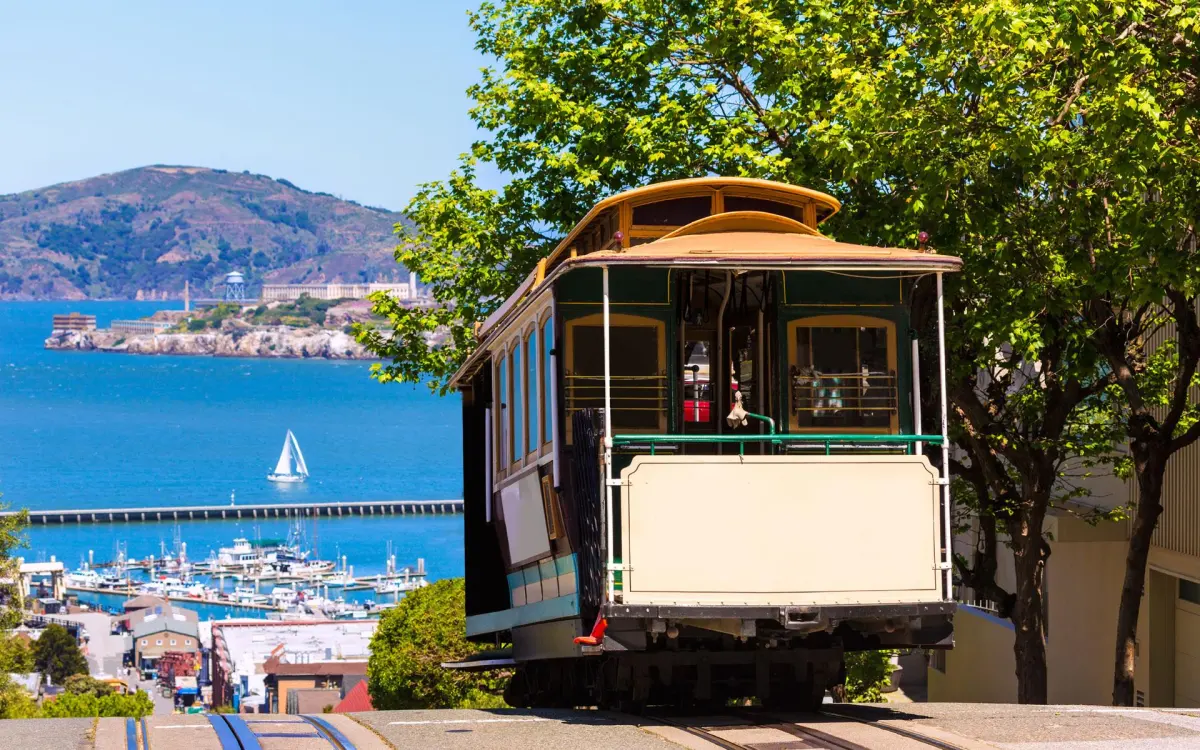
San Francisco’s cable car system is the world’s last manually operated system of its kind. Designated as a National Historic Landmark in 1964, these cars have been climbing the city’s notoriously steep hills since the late 19th century. They remain a primary symbol of the city’s commitment to preserving its transit history while serving modern commuters.
Navigating the system requires a bit of planning to ensure a smooth experience. Follow these steps to ride like a local:
- Purchase a "Visitor Passport" or a single-ride ticket via the MuniMobile app to skip the long lines at ticket kiosks.
- Board at the turnaround points at Powell and Market streets or Fisherman's Wharf, though expect significant wait times.
- Hold on tight when the car is in motion, as the grip-operated vehicles can lurch unexpectedly on steep inclines.
- Avoid boarding at intermediate stops during peak hours, as cars are often already full and will not stop to pick up additional passengers.
Why the city is a tech and innovation hub
San Francisco serves as the urban anchor for the greater Silicon Valley region, hosting the headquarters of major companies like Salesforce, Uber, and Twitter. This concentration of talent, venture capital, and academic research has turned the city into a global epicenter for software development and artificial intelligence. The culture here is defined by a rapid pace of change and a high density of startups.
The influence of the tech sector is visible throughout the city, particularly in neighborhoods like SoMa (South of Market) and the Mission District. This environment attracts young professionals and entrepreneurs from around the globe, creating a unique demographic mix. While the industry drives significant economic growth, it has also contributed to complex challenges, including a high cost of living and a competitive real estate market that shapes the city's social and economic landscape.
Best neighborhoods for cultural exploration
San Francisco is a city of distinct neighborhoods, each offering a unique cultural identity. The Mission District is famous for its vibrant street murals and authentic Mexican cuisine, particularly its legendary burritos. Meanwhile, North Beach serves as the city’s historic Italian quarter and was the epicenter of the Beat Generation literary movement in the 1950s.
Other areas provide a glimpse into the city's diverse history:
- Chinatown: As the oldest Chinatown in North America, it features ornate architecture, traditional markets, and historic temples.
- The Castro: Recognized globally as a center for LGBTQ+ activism and history, it is home to the landmark Castro Theatre.
- Haight-Ashbury: This neighborhood gained fame during the 1967 "Summer of Love" and remains a hub for counterculture history and vintage shopping.
- Japantown: One of the few remaining historic Japantowns in the United States, it offers authentic cuisine and beautiful public plazas.
Common mistakes when visiting San Francisco
Many visitors underestimate the city's complex microclimates, which can vary significantly from one neighborhood to the next. A common error is assuming that the weather will be uniform throughout the day. It is standard to experience "June Gloom" or "Fogust," where coastal fog rolls in during the summer months, dropping temperatures by 15 to 20 degrees in minutes.
Another frequent mistake involves transportation and safety. Relying solely on rental cars is discouraged due to the extreme scarcity of parking and the city's efficient public transit network. Furthermore, tourists should never leave valuables in their vehicles, as smash-and-grab thefts remain a persistent issue in high-traffic tourist areas. Always keep your belongings on your person and utilize secure parking garages if you must drive. By staying aware of your surroundings and dressing in versatile layers, you can enjoy the city’s many attractions without the stress of common travel pitfalls.
Key facts
- The Golden Gate Bridge, completed in 1937, spans 1.7 miles and is painted its iconic "International Orange" to improve visibility in heavy fog.
- Alcatraz Island, a former federal penitentiary that held figures like Al Capone, is now a national park reachable via a 15-minute ferry ride from Pier 33.
- San Francisco’s cable car system is the world’s last manually operated system, featuring three lines that climb the city's steep, famous hills.
- To avoid common tourist mistakes, do not leave any valuables inside your parked car, as vehicle break-ins are frequent in high-traffic areas.
- The city’s fog, affectionately nicknamed "Karl," is a regular weather phenomenon caused by the interaction between the cool Pacific Ocean and warm inland temperatures.
- When visiting, dress in layers; temperatures can fluctuate significantly between neighborhoods due to the city's unique microclimates and hilly topography.
The bottom line
San Francisco is a compact, culturally rich city defined by its dramatic geography, historic landmarks, and progressive spirit. From the engineering marvel of the Golden Gate Bridge to the diverse culinary scenes of its unique neighborhoods, the city offers a dense concentration of experiences. By prioritizing public transit and dressing in layers, visitors can navigate its steep hills and microclimates to enjoy a truly quintessential California experience.
People also ask
What is the best way to get around San Francisco?
The city is highly walkable, but for longer distances, the MUNI bus and light rail system are efficient. Avoid renting a car if possible, as parking is expensive and difficult to find.
Which neighborhoods are considered the most iconic?
North Beach is famous for its Italian heritage and Beat Generation history, while the Mission District is celebrated for its vibrant murals and Latin American cuisine. Haight-Ashbury remains a landmark for its role in the 1960s counterculture movement.
Is it safe to walk around the city at night?
Like any major urban center, stay aware of your surroundings and stick to well-lit, populated areas. Avoid walking through the Tenderloin district, as it experiences high rates of homelessness and public safety challenges.
What is the best time of year to visit?
September and October are widely considered the best months because they offer the warmest weather and the least amount of fog. Summer months can be surprisingly chilly and overcast due to the persistent marine layer.
Are there any specific food items I should try?
You must try sourdough bread, which has been a local staple since the Gold Rush era, and fresh Dungeness crab at Fisherman’s Wharf. Mission-style burritos, known for their large size and inclusion of rice, are also a culinary must.
How much time do I need to see the main sights?
Three to four days is sufficient to cover the primary attractions like the Golden Gate Bridge, Alcatraz, and the Ferry Building. If you have extra time, consider a day trip to the nearby Muir Woods or the Napa Valley wine region.
This answer was created with the help of AI research tools and reference sources. Spotted an error? Let us know — we correct mistakes quickly. See our editorial policy.