What is the Day of the Dead?
Short answer
The Day of the Dead, or Día de los Muertos, is a vibrant Mexican holiday celebrated on November 1 and 2. It honors deceased loved ones through joyful remembrance rather than mourning. Families create elaborate altars, visit cemeteries, and share traditional foods, believing that the spirits of the departed return to visit.
On this page
When is the Day of the Dead celebrated?
The holiday is observed annually on November 1 and 2, coinciding with the Catholic observances of All Saints' Day and All Souls' Day. While the dates are fixed, the festivities often begin on the evening of October 31. This timing reflects a syncretism of indigenous Mesoamerican beliefs and Spanish colonial Catholicism.
In many regions, the two days serve specific purposes for the spirits. November 1 is traditionally dedicated to "angelitos," or the souls of children who have passed away. November 2 is reserved for the souls of adults. Families prepare their homes and gravesites accordingly to welcome these visitors.
- October 31: Preparations finalized and initial offerings set.
- November 1: Dedicated to the spirits of children.
- November 2: Dedicated to the spirits of adults and final cemetery vigils.
How to build an altar for Day of the Dead
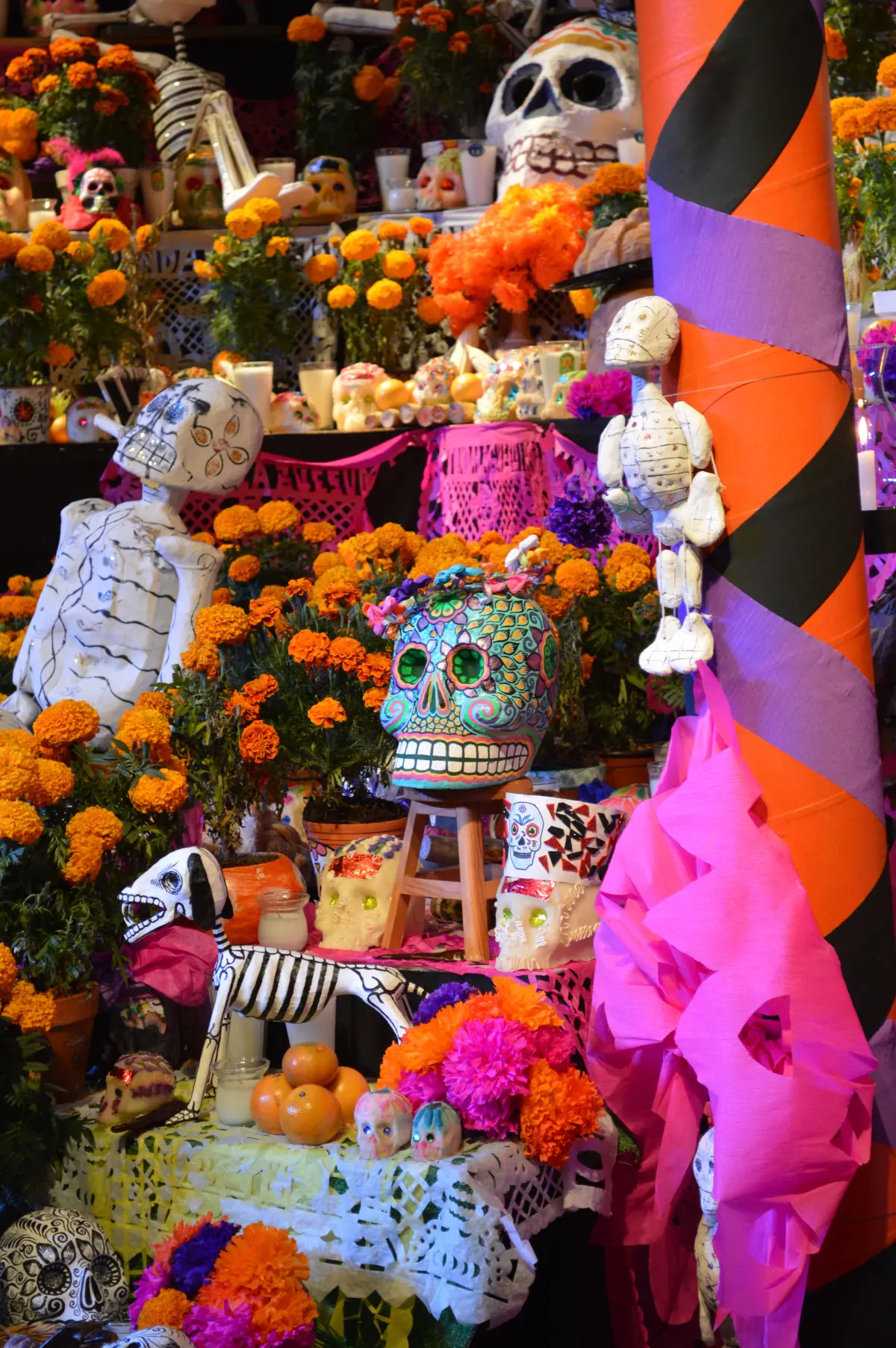
Building an "ofrenda," or altar, is the central practice of the holiday. It is not a place of worship but a welcoming space for spirits. The altar is usually tiered, representing different levels of existence, and decorated with specific symbolic items.
To build your own ofrenda, follow these steps:
- Select a table or shelf in a quiet area of your home.
- Cover the surface with a colorful tablecloth or traditional "papel picado."
- Place photographs of deceased loved ones in prominent positions.
- Add the four elements: water (to quench thirst), candles (to light the way), salt (for purification), and earth in the form of food.
- Decorate with bright orange cempasúchil flowers, known as Mexican marigolds.
The scent and vibrant color of the marigolds are believed to guide spirits back to their families. You may also include personal items that the deceased enjoyed during their lifetime, such as specific books, musical instruments, or favorite trinkets.
Why do people celebrate Day of the Dead?
The holiday serves as a profound cultural mechanism for processing grief. By treating death as a natural phase in the continuum of life, participants find comfort in maintaining a connection with their ancestors. It encourages storytelling, laughter, and the preservation of family history for younger generations.
Beyond the domestic sphere, the celebration strengthens community bonds. Public parades, art installations, and school events turn the holiday into a collective experience. It emphasizes that a person is only truly gone when they are forgotten. By keeping their names and memories alive, families ensure their loved ones remain part of the present.
This perspective shifts the focus from the pain of loss to the joy of shared existence. It is a time for reflection, gratitude, and the celebration of the unique personality of the departed. The atmosphere is typically festive, filled with music, food, and colorful decorations that contrast sharply with somber funeral traditions.
Common mistakes when celebrating Day of the Dead
A frequent error is confusing this holiday with Halloween. While they occur near each other, their meanings are entirely different. Halloween focuses on fear, costumes, and the supernatural, whereas the Day of the Dead is rooted in love, respect, and family reunion. Avoid using scary or macabre costumes that do not align with the respectful nature of the ofrenda.
Another mistake is treating the ofrenda as a mere decoration. The altar should be intentional and personal. Avoid using generic store-bought items if you can offer something that held significance for the deceased. Furthermore, ensure that the candles are fire-safe and never left unattended, as they are meant to burn throughout the night to guide the spirits.
- Do not mistake the holiday for a Mexican version of Halloween.
- Avoid using plastic or low-quality decorations that lack cultural significance.
- Do not forget to include water, as the journey back is believed to be exhausting for the spirits.
- Avoid treating the event as a party for the living rather than a tribute to the dead.
Best foods for Day of the Dead
Food is a vital component of the ofrenda and the subsequent family meal. Traditional dishes are prepared to nourish the spirits after their long journey. The most iconic item is "pan de muerto," a sweet, soft bread baked in a round shape and decorated with dough pieces representing bones.
Other essential items include:
- Sugar skulls ("calaveras"): Decorated with icing and often bearing the name of the deceased.
- Mole: A complex, rich sauce served over chicken or turkey.
- Tamales: Corn dough filled with meats or cheeses, wrapped in husks.
- Seasonal fruit: Oranges, tejocotes, and jicamas are common offerings.
Sharing these meals with family members after the spirits have "consumed the essence" of the food is a way to bond. It turns the act of eating into a communal ritual that celebrates the cycle of life and the enduring strength of family ties.
Key facts
- The Day of the Dead, or Día de los Muertos, is a Mexican holiday celebrated annually on November 1 and 2.
- It is not a mournful occasion but a joyful reunion intended to welcome the souls of deceased loved ones back to the land of the living.
- Families construct ofrendas (altars) in their homes, decorated with marigolds, candles, photographs, and the favorite foods of the departed.
- Sugar skulls, known as calaveras, are iconic symbols often inscribed with the names of the deceased to represent the sweetness of life.
- Avoid treating the holiday as a "Mexican Halloween"; the two events differ significantly in origin, intent, and cultural meaning.
- Visitors to public celebrations should always ask for permission before taking photographs of private altars or people in traditional face paint.
The bottom line
The Day of the Dead is a vibrant, profound celebration that transforms the concept of death into a festive homecoming. By honoring ancestors through altars, food, and music, families maintain a living connection with their heritage. It serves as a powerful reminder that those who have passed remain part of the family circle as long as they are remembered with love, joy, and collective storytelling.
People also ask
Is the Day of the Dead the same as All Saints' Day?
While they share the same calendar dates, All Saints' Day is a Catholic observance honoring saints, whereas Día de los Muertos is a syncretic tradition blending indigenous Aztec beliefs with Catholicism. The former is a solemn religious day, while the latter is a festive, family-centered cultural event.
What is the significance of the marigold flower?
Known as cempasúchil, these bright orange flowers are believed to guide spirits to their homes with their vibrant color and distinct scent. Families often create paths of petals leading from the front door to the altar to ensure the souls can find their way.
Why do people paint their faces like skeletons?
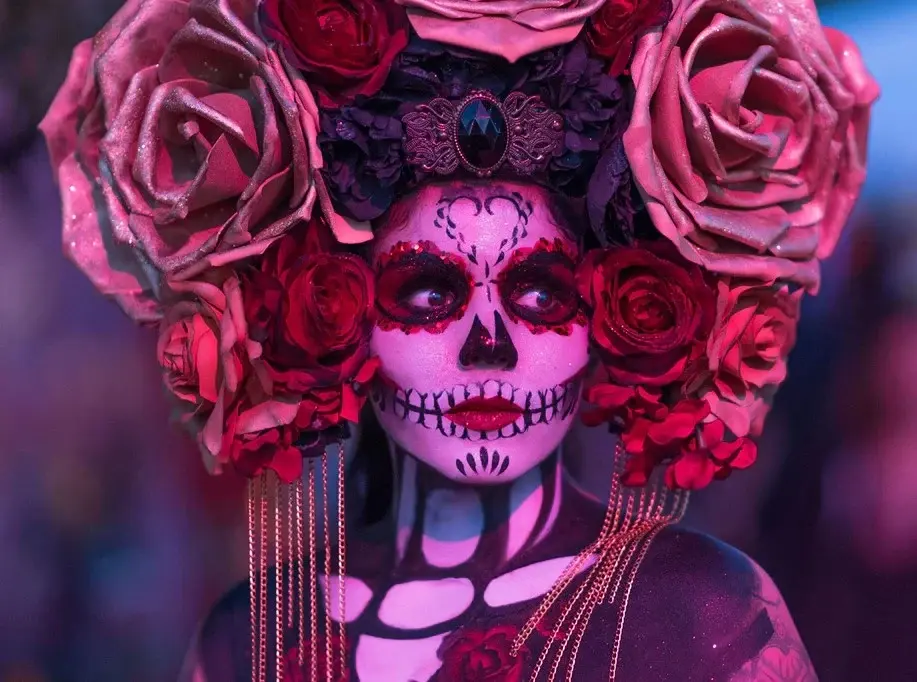
The calavera makeup represents La Catrina, a satirical figure created by artist José Guadalupe Posada to show that death is the great equalizer. By dressing as skeletons, participants playfully embrace mortality rather than fearing it.
What food is traditionally eaten during this holiday?
Pan de muerto is the most iconic food, a sweet bread often decorated with bone-shaped dough pieces. Other common offerings include mole, tamales, and candied pumpkin, which are placed on the altar as nourishment for the visiting spirits.
Are children honored separately from adults?
Yes, tradition dictates that November 1 is Día de los Inocentes, dedicated to the souls of children, while November 2 is reserved for deceased adults. Altars for children often feature toys and sweets rather than alcohol or spicy dishes.
Can non-Mexican people participate in the celebrations?
Yes, the holiday is a celebration of memory that welcomes respectful participation from anyone. The most important aspect is approaching the tradition with sincerity and a genuine desire to learn about the history and cultural significance behind the rituals.
This answer was created with the help of AI research tools and reference sources. Spotted an error? Let us know — we correct mistakes quickly. See our editorial policy.