Where do cougars live?
Short answer
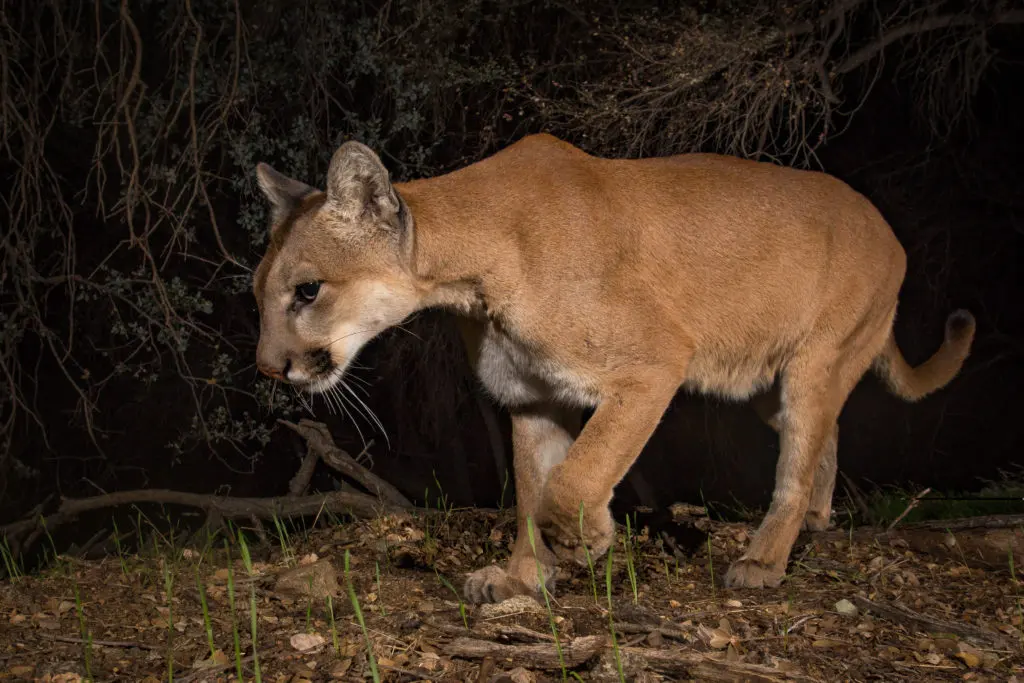
Cougars, also known as mountain lions or pumas, inhabit a vast range across the Americas, stretching from the Canadian Yukon to the southern Andes in Chile. They are highly adaptable predators that thrive in diverse environments, including dense forests, mountainous terrain, deserts, and wetlands, provided they have sufficient prey and cover.
On this page
Where do cougars live geographically?
Cougars possess the largest geographical distribution of any wild land mammal in the Western Hemisphere. Their range extends from the northern reaches of British Columbia and Alberta in Canada down through the United States and Central America, eventually reaching the southern tip of South America. This massive territory covers approximately 110 degrees of latitude, demonstrating an unparalleled ability to survive in varied climates.
While they were once found across nearly all of North America, their range has significantly contracted due to human expansion and habitat loss. Today, their primary strongholds in the United States are concentrated in the western states, such as Idaho, Montana, Wyoming, Colorado, and California. A small, isolated population also persists in the swamps of southern Florida, known as the Florida panther.
- Western Canada and the United States: Primarily mountainous and forested regions.
- Mexico and Central America: Tropical forests and rugged highland areas.
- South America: The Andean mountain range and the Patagonian steppe.
What types of habitats do cougars prefer?
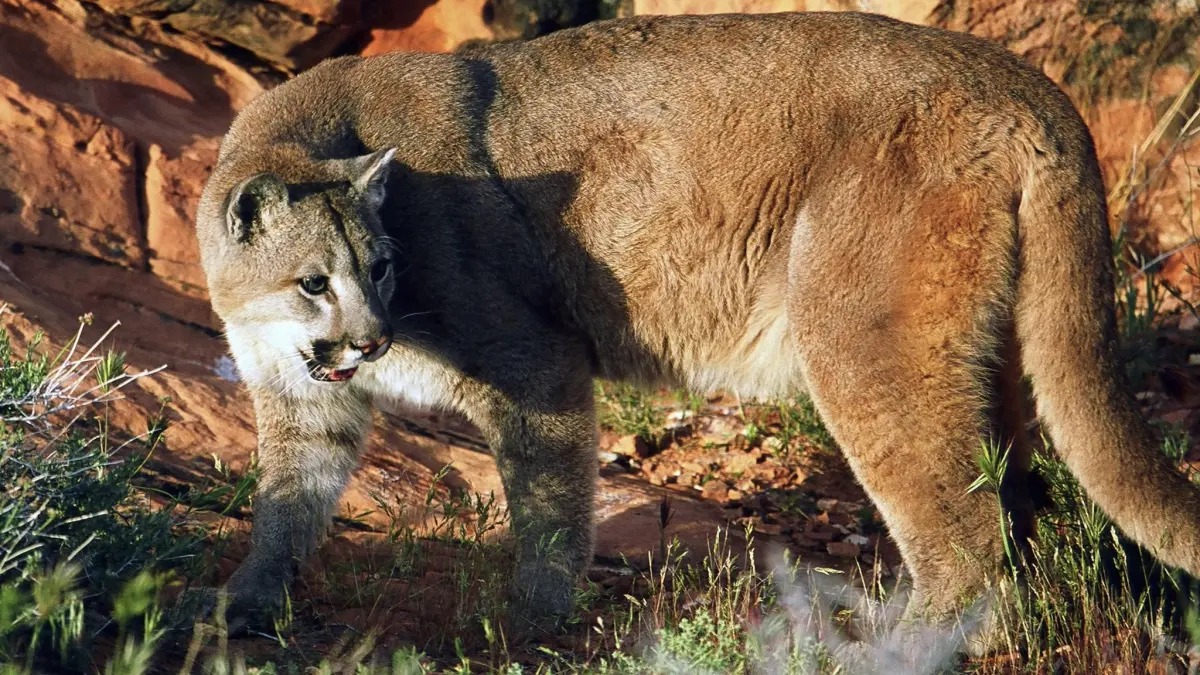
Cougars are habitat generalists, meaning they are not restricted to a single type of ecosystem. They prefer areas that provide dense cover, such as thickets, rocky outcrops, or forested canyons, which allow them to stalk prey effectively. These ambush predators rely on stealth, so they generally avoid open, featureless plains unless they are traveling between more suitable hunting grounds.
Elevation does not strictly limit their presence, as they have been documented from sea level up to 17,000 feet in the Andes. However, they consistently choose environments with high prey density, particularly populations of deer, elk, or guanacos. Because they are solitary and territorial, individual cougars require large home ranges, often spanning 50 to 150 square miles depending on the availability of food and water.
- Identify areas with high deer density, as these are the primary food source.
- Look for terrain with significant vertical relief or dense vegetation for stalking cover.
- Ensure the presence of reliable water sources to support the local prey population.
Why do cougars move into new areas?
The expansion of cougar populations into previously abandoned territories is often driven by the need for young males to establish their own home ranges. Once a young male reaches maturity, he must leave his mother’s territory to avoid competition with dominant males. This dispersal process can lead cougars to travel hundreds of miles, occasionally appearing in suburban or rural areas where they have not been seen for decades.
Additionally, changes in land management and the recovery of prey populations have encouraged cougars to reclaim parts of their historic range. As forests regrow and deer populations stabilize, these cats naturally move into these niches. While this expansion is a sign of a healthy ecosystem, it also increases the frequency of interactions between cougars and humans living on the fringes of wilderness areas.

How to identify cougar territory signs?
Recognizing the presence of a cougar in the wild requires looking for subtle clues left behind by these elusive animals. Because they are naturally secretive, you are more likely to find evidence of their passage than to see the animal itself. Scrapes are the most common sign, which appear as small mounds of dirt, leaves, or pine needles that the cat has pushed together with its hind feet.
- Scrapes: Usually marked with urine or feces to communicate with other cats.
- Tracks: Large, rounded prints without visible claw marks, as cougars retract their claws.
- Kill sites: Remains of prey often covered with debris, as cougars frequently cache their kills to return to later.
- Vocalizations: High-pitched screams or low-frequency hisses, though these are rarely heard by humans.
Common mistakes when searching for cougars?
A frequent error people make is assuming that cougars are strictly nocturnal or active only in deep wilderness. While they are most active at dawn and dusk, they can be active at any time of day, especially in areas with low human disturbance. Another mistake is misidentifying tracks; dog tracks are often confused with cougar prints, but dog tracks usually show claw marks and have a different shape in the heel pad.
If you are hiking in cougar country, avoid the mistake of walking alone, especially during the early morning or late evening hours. Keep children close to you and make noise to avoid surprising a cat that may be resting or feeding. If you encounter a cougar, never run, as this may trigger their predatory chase instinct. Instead, stand your ground, make yourself look as large as possible, and back away slowly while maintaining eye contact until you reach safety.
Key facts
- Cougars, also known as mountain lions or pumas, have the widest distribution of any wild land animal in the Americas.
- Their range stretches from the Canadian Yukon in the north to the southern Andes in South America.
- These cats are highly adaptable and thrive in diverse habitats, including mountains, deserts, forests, and wetlands.
- They require large home ranges, often spanning 50 to 150 square miles, to hunt and find mates.
- To avoid encounters, always hike in groups and keep children close, as cougars are ambush predators that target solitary, smaller individuals.
- If you encounter a cougar, do not run; maintain eye contact, stand your ground, and make yourself look as large as possible.
The bottom line
Cougars are remarkably resilient predators that inhabit a vast array of environments across North and South America. While their presence is most common in the western United States, their ability to adapt to different terrains allows them to survive in both rugged mountains and dense forests. Understanding their behavior and respecting their territorial nature is essential for safely coexisting with these elusive cats in the wild.
People also ask
Are cougars and mountain lions the same animal?
Yes, they are the same species, Puma concolor. They are also commonly referred to as pumas, panthers, or catamounts depending on the region.
Do cougars live in the eastern United States?
While they once roamed the entire continent, breeding populations are now largely restricted to the western United States. Occasional sightings in the East are usually transient males wandering far from their home ranges.
How can I tell if a cougar is in my backyard?
Look for large, round tracks without claw marks, as they retract their claws while walking. You may also find cached prey, such as deer carcasses covered with leaves or dirt, near their dens.
Are cougars dangerous to humans?
Attacks on humans are extremely rare, but they can occur if the cat feels threatened or perceives a person as prey. Most encounters end with the cougar fleeing once it realizes it has been spotted.
What do cougars eat?
Their primary food source is deer, but they also hunt elk, bighorn sheep, and smaller animals like coyotes or rodents. They are opportunistic hunters that rely on stealth and surprise to secure their meals.
Read the full answer →How long do cougars live in the wild?
In their natural habitat, cougars typically live between 8 and 13 years. Factors such as territorial disputes, lack of prey, and human activity significantly influence their lifespan.
This answer was created with the help of AI research tools and reference sources. Spotted an error? Let us know — we correct mistakes quickly. See our editorial policy.