Where do ducks live?
Short answer
Ducks live on every continent except Antarctica, thriving in diverse wetland habitats. They primarily inhabit freshwater environments like ponds, lakes, rivers, and marshes, though some species frequent saltwater coastal areas. These adaptable birds require open water for foraging and protected, vegetated shorelines for nesting, resting, and escaping potential land-based predators.
On this page
Where do ducks live in the wild?
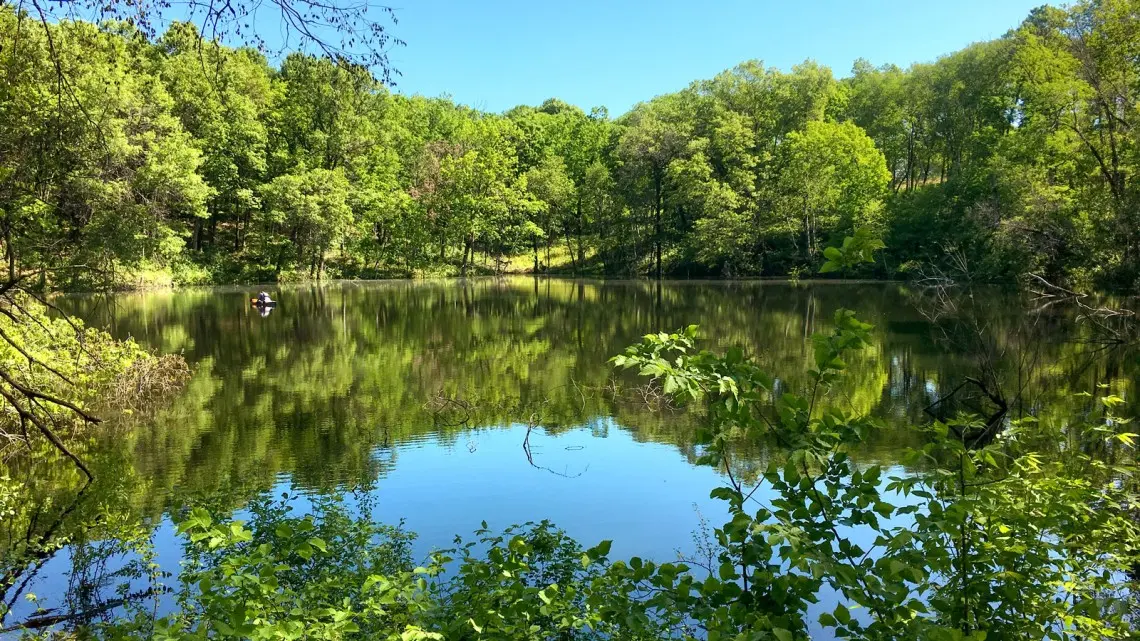
Ducks are highly adaptable birds found in almost every corner of the globe. Their preferred habitats are wetlands, which provide the essential resources they need to survive: abundant food, clean water, and nesting materials. You will typically find them in freshwater environments, including slow-moving rivers, shallow ponds, and expansive lakes. These areas offer a rich supply of aquatic plants, small insects, and crustaceans that form the foundation of their diet.
Some duck species, known as sea ducks, have evolved to live in saltwater environments. These birds spend much of their time on coastal bays, estuaries, and even the open ocean during the winter months. Regardless of the specific location, all ducks require access to areas with dense vegetation along the banks. This cover is critical for protecting them from predators and providing a safe space for females to build nests during the breeding season.
How do ducks choose their habitat?
When selecting a home, ducks prioritize safety and resource availability. A high-quality habitat must feature shallow water zones where the birds can easily reach the bottom to feed. They also look for environments with minimal human disturbance and low predator density. During the migration season, ducks will often congregate in staging areas that provide high-energy food sources to fuel their long-distance journeys.
Several factors influence their selection process:
- Water depth: Shallow areas allow for dabbling, while deeper water suits diving species.
- Vegetation density: Tall grasses and reeds are essential for camouflage and nesting.
- Food abundance: Access to aquatic invertebrates and seeds is non-negotiable.
- Protection: Proximity to islands or floating logs provides a buffer against land-based threats.
- Climate: Many species migrate to warmer latitudes when water sources begin to freeze.
Why do ducks move during the year?
The movement of duck populations is primarily driven by the seasonal availability of water and food. As temperatures drop in northern regions, lakes and ponds freeze over, making it impossible for ducks to forage. This triggers a massive migration toward southern climates where open water remains accessible throughout the winter. These birds follow established flyways, which are specific geographic routes that have been used by waterfowl for generations.
Not all ducks are migratory, however. Some populations, particularly those living in temperate or tropical zones, are considered resident birds. These ducks remain in the same general vicinity year-round because their environment provides stable conditions. Even among migratory species, the urge to move is flexible; if a winter is unseasonably warm and food remains plentiful, some ducks may choose to stay further north than usual to conserve energy.
Common mistakes when observing ducks
Many people attempt to interact with wild ducks, which can lead to significant ecological problems. One of the most common errors is feeding ducks bread, crackers, or popcorn. These foods lack nutritional value and can cause a condition known as "angel wing," a permanent deformity that prevents birds from flying. Furthermore, human food often leads to overcrowding, which encourages the spread of diseases like avian botulism and cholera among the local population.
To observe ducks responsibly, follow these guidelines:
- Maintain a respectful distance to avoid causing the birds stress or flushing them from their nests.
- Use binoculars or a camera with a zoom lens instead of approaching on foot.
- Keep pets on a leash at all times to prevent them from chasing or harming the birds.
- Avoid loud noises or sudden movements that might startle a resting flock.
- Never attempt to handle or relocate a duck, even if it appears injured; contact a licensed wildlife rehabilitator instead.
How to create a duck-friendly environment
If you have a pond on your property, you can manage the landscape to attract and support local duck populations. The most effective strategy is to stop mowing the grass right up to the water’s edge. By allowing a buffer zone of native grasses, shrubs, and reeds to grow, you provide essential nesting cover and natural filtration for the water. This transition zone also attracts the insects that ducks rely on for protein.
You should also prioritize water quality by avoiding the use of chemical fertilizers or pesticides near the shoreline. These substances can wash into the pond, leading to toxic algae blooms that are lethal to waterfowl. Installing a floating platform can provide a safe, dry place for ducks to rest away from terrestrial predators like foxes or raccoons. By keeping the shoreline wild and the water clean, you create a sustainable sanctuary that supports the health and longevity of the local duck population.
Key facts
- Ducks live on every continent except Antarctica, thriving in diverse climates from the tropics to the Arctic.
- They are primarily aquatic birds, requiring access to freshwater, brackish, or saltwater habitats to survive.
- Most wild ducks prefer shallow wetlands, marshes, ponds, and slow-moving rivers where food is easily accessible.
- Many species are migratory, traveling thousands of miles annually between breeding grounds in the north and wintering sites in the south.
- Nesting sites are typically located on the ground near water, though some species like the Wood Duck nest in tree cavities.
- To attract ducks to a backyard pond, ensure the water has sloping banks and plenty of aquatic vegetation for cover and foraging.
The bottom line
Ducks are highly adaptable birds found in almost every corner of the globe, relying on aquatic ecosystems for food, shelter, and breeding. Whether residing in freshwater ponds or coastal saltwater, they require a balance of water for swimming and land for nesting. Understanding their migratory patterns and habitat needs is essential for appreciating their role in nature and ensuring their continued survival in our changing environment.
People also ask
Do ducks live in the ocean?
Yes, many species known as sea ducks, such as eiders and scoters, spend much of their lives in coastal marine environments. They are specially adapted to handle saltwater and dive deep to feed on mollusks and crustaceans.
How do ducks stay warm in the winter?
Ducks possess a thick layer of down feathers that trap body heat, and they have a specialized circulatory system in their feet that prevents heat loss. This allows them to swim in freezing water without suffering from frostbite.
Do ducks sleep on water?
Ducks often sleep while floating on the water to remain safe from land-based predators like foxes or raccoons. They frequently employ unihemispheric slow-wave sleep, where one half of the brain stays awake to monitor for danger.
How long do wild ducks live?
The lifespan of a wild duck varies significantly by species and environmental conditions, typically ranging from 5 to 10 years. Predation, disease, and habitat loss are the primary factors that limit their longevity in the wild.
Do ducks need a land area in their habitat?
Yes, ducks require dry land for preening their feathers, resting, and nesting. A habitat consisting entirely of water without access to banks or floating platforms is generally unsuitable for their long-term health.
Why do ducks migrate?
Ducks migrate primarily to find reliable food sources and suitable nesting conditions that disappear during winter months. As temperatures drop and water bodies freeze, they move toward regions where resources remain available.
This answer was created with the help of AI research tools and reference sources. Spotted an error? Let us know — we correct mistakes quickly. See our editorial policy.