What is the difference between a lake and a pond?
Short answer
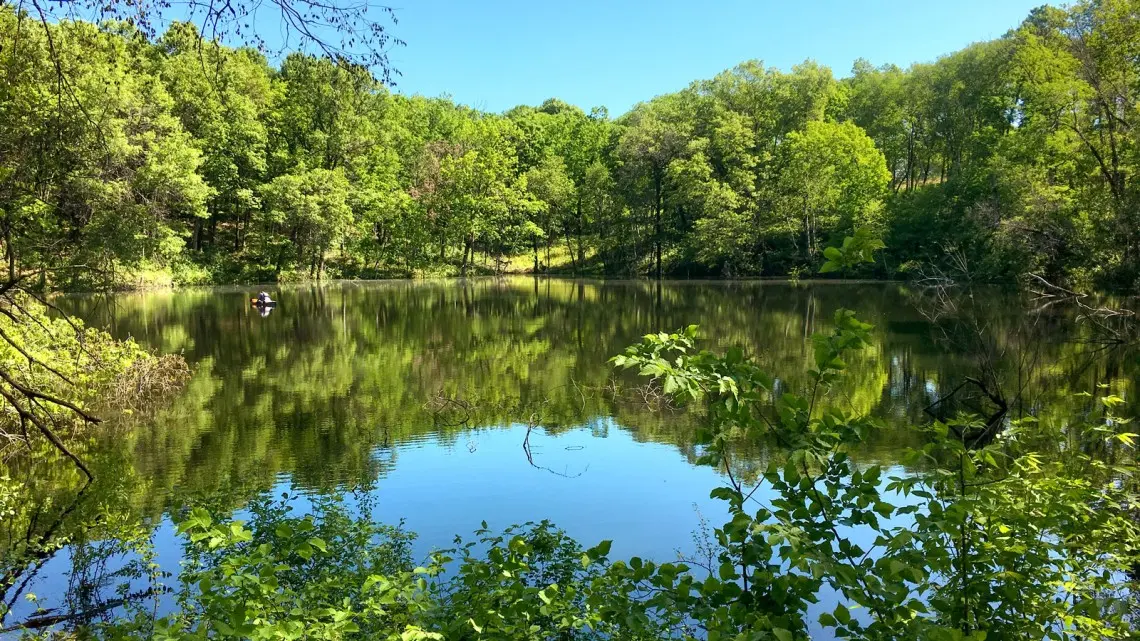
The primary difference between a lake and a pond is depth and light penetration. Ponds are shallow enough for sunlight to reach the bottom across their entire area, supporting rooted plants throughout. Lakes are deeper, possessing a "profundal zone" where sunlight cannot penetrate, which limits plant growth to the shallow edges.
On this page
How to tell the difference between a lake and a pond
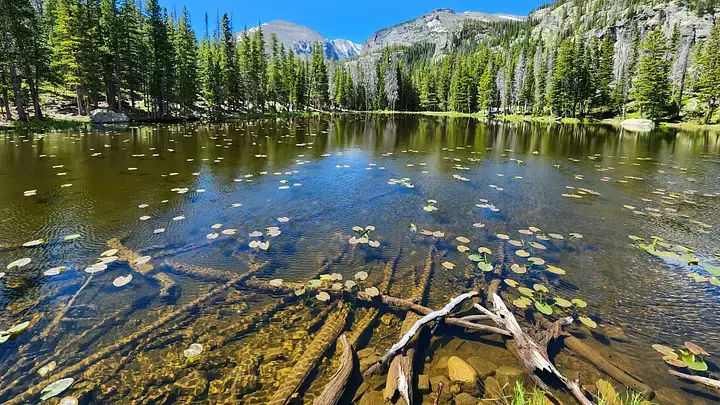
Distinguishing between these two bodies of water is rarely based on surface area alone, as some ponds can be larger than small lakes. The defining physical characteristic is the presence of an aphotic zone, which is an area of deep water where sunlight does not reach the bottom. In a pond, the entire water column is generally considered the littoral zone, meaning sunlight supports photosynthesis from the surface to the lakebed. This allows rooted aquatic vegetation, such as water lilies or cattails, to grow anywhere within the pond’s basin.
Conversely, a lake features a distinct deep-water region where light is insufficient for plant life. This lack of light creates a temperature-stratified environment, often resulting in a thermocline where water temperatures change rapidly with depth. Because lakes are deeper, they often experience seasonal turnover, a process where water layers mix due to temperature changes. Ponds typically lack this vertical stratification, as wind and surface heat keep the water temperature relatively uniform throughout the year.
Why water temperature and light matter
The depth of a body of water dictates how it behaves throughout the seasons. Because ponds are shallow, they are highly susceptible to ambient air temperatures. In the summer, a pond may warm up significantly, which can lead to rapid algae growth and oxygen depletion. In the winter, small ponds are more likely to freeze completely to the bottom, which dictates the types of fish and organisms that can survive there.
Lakes, due to their volume and depth, act as thermal buffers. The deep water remains cool even during the hottest months, providing a stable habitat for species that cannot tolerate fluctuating temperatures. This depth also influences the chemical composition of the water, as deeper, darker zones often have different dissolved oxygen levels compared to the surface. Understanding these cycles is essential for managing water quality, as the biological processes in a shallow pond are much more sensitive to external environmental changes than those in a large, deep lake.
Common mistakes when classifying water bodies
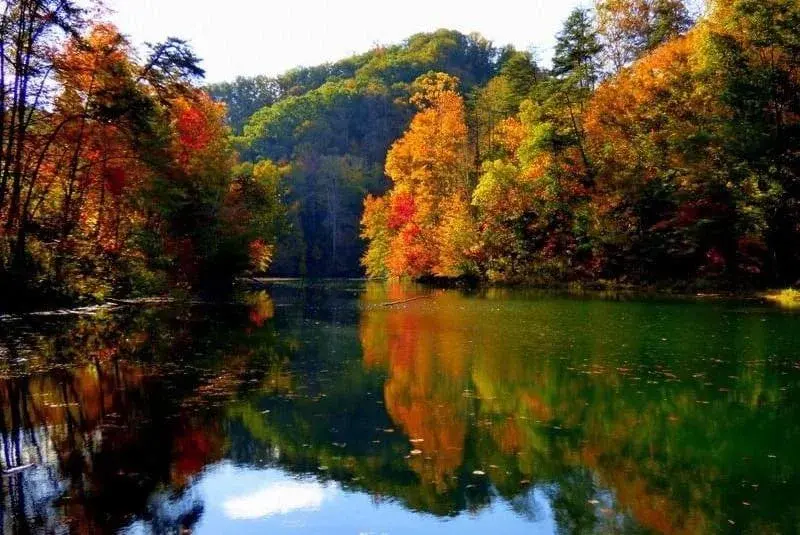
Many people mistakenly assume that size is the primary indicator of whether a body of water is a lake or a pond. This leads to the common error of calling any large, man-made reservoir a lake, even if it lacks the ecological depth of a natural lake. Another frequent mistake is ignoring the role of wave action. Lakes are typically large enough to generate significant wind-driven waves, which can erode shorelines and transport sediment, whereas ponds are generally too small to sustain such energy.
When evaluating a body of water, consider these factors to avoid misidentification:
- Check for a deep, dark center where sunlight fails to reach the bottom.
- Observe whether rooted vegetation grows across the entire basin or only at the edges.
- Measure the temperature consistency from the surface to the bottom during mid-summer.
- Look for evidence of wave-cut banks or significant shoreline erosion.
- Determine if the body of water exhibits seasonal turnover or thermal stratification.
How to manage a pond for healthy water
If you are maintaining a private pond, you must manage it differently than you would a natural lake. Because ponds are shallow, they are prone to rapid nutrient accumulation, which can lead to eutrophication. This process occurs when excess nitrogen and phosphorus enter the water, causing massive algae blooms that choke out other life. To keep a pond healthy, you should focus on controlling nutrient runoff from surrounding lawns or agricultural fields.
Follow these steps to maintain a balanced pond ecosystem:
- Establish a buffer zone of native grasses around the perimeter to filter runoff.
- Aerate the water using a fountain or sub-surface bubbler to maintain oxygen levels.
- Remove excess organic debris, such as fallen leaves, before they decompose on the bottom.
- Monitor plant growth to ensure that invasive species do not overtake the surface.
- Limit the use of fertilizers in the immediate watershed to prevent nutrient spikes.
Best practices for studying local aquatic habitats
Observing the ecology of a local water body can reveal much about its classification. If you are conducting a field study, start by mapping the depth of the basin using a weighted line or a portable sonar device. By recording the depth at regular intervals, you can create a profile that shows whether the bottom is consistently shallow or drops off into a deep basin. This data is the most reliable way to categorize the environment.
Additionally, observe the biological indicators present in the water. Ponds often support a high density of amphibians, insects, and small fish that thrive in warm, vegetated water. Lakes support more complex food webs, including larger predatory fish that require the deep, cold-water refuges found in the profundal zone. By documenting the species present and the physical characteristics of the basin, you can accurately distinguish between these two vital freshwater systems and understand how they contribute to the broader ecosystem of your specific region.
Key facts
- A pond is generally shallow enough that sunlight reaches the entire bottom, allowing rooted plants to grow across the whole area.
- Lakes are typically deep enough to have an "aphotic zone," where water is too deep for sunlight to penetrate and support plant life.
- The Limnological Society often defines a pond as having a surface area of less than 20 acres, though this is a guideline rather than a strict rule.
- Lakes often experience thermal stratification, meaning the water forms distinct temperature layers that do not mix during summer months.
- Wave action in large lakes is significant enough to erode shorelines and prevent vegetation from taking root, unlike the calm waters of a pond.
- When determining the classification, look for the presence of submerged plants; if they grow across the entire basin, it is likely a pond.
The bottom line
The primary difference between a lake and a pond is depth and light penetration. Ponds are shallow enough for sunlight to reach the bottom across their entire area, supporting rooted plant growth throughout. Lakes are deeper, featuring zones where light cannot penetrate, which leads to distinct ecological layers. While naming conventions vary, these physical characteristics remain the most reliable way to distinguish between these two aquatic ecosystems.
People also ask
Can a body of water be both a lake and a pond?
Yes, the distinction is often subjective and based on local naming conventions rather than strict scientific criteria. Many bodies of water are named "Lake" despite being shallow enough to be considered ponds by limnologists.
Does water temperature determine if a body is a lake or a pond?
Temperature plays a role in how a water body functions, as lakes often develop distinct thermal layers while ponds maintain a relatively uniform temperature. Because ponds are shallow, the entire volume of water usually warms and cools at the same rate.
Are man-made water bodies always classified as ponds?
Not necessarily, as many large reservoirs created by dams are officially designated as lakes. The classification depends more on the depth, surface area, and ecological characteristics than on whether the basin was formed naturally.
Why do some ponds have more algae than lakes?
Ponds often have higher nutrient concentrations relative to their volume, which encourages rapid algae growth. Because sunlight reaches the bottom, these nutrients are easily recycled, leading to more frequent blooms compared to deep, stable lakes.
How does wind affect the difference between the two?
Wind creates waves that circulate water and oxygen in a lake, but it has a limited effect on the deep, stagnant layers of a large lake. In a pond, wind can stir the entire water column, ensuring oxygen reaches the bottom sediments.
Is a swamp or marsh the same thing as a pond?
No, swamps and marshes are classified as wetlands characterized by saturated soils and emergent vegetation like reeds or trees. A pond is a standing body of open water, whereas wetlands are defined by their specific plant communities and water-logged ground.
This answer was created with the help of AI research tools and reference sources. Spotted an error? Let us know — we correct mistakes quickly. See our editorial policy.