How do you shade water?
Short answer
Shading water effectively involves blocking direct solar radiation to reduce heat absorption and prevent algae blooms. You can achieve this by installing floating covers, utilizing shade cloths, or introducing aquatic vegetation. These methods lower water temperatures, minimize evaporation, and decrease the chemical maintenance required for ponds, pools, or agricultural reservoirs.

On this page
How to shade a pond or pool
Shading water is a primary strategy for managing ecosystem health and water quality. When sunlight hits water directly, it promotes photosynthesis in algae and cyanobacteria, leading to rapid blooms that deplete oxygen. By creating a physical barrier, you interrupt this cycle and keep the water cooler, which is especially critical during the peak of summer.
There are several physical methods to provide shade depending on the size and purpose of the water body. For smaller garden ponds, floating aquatic plants are the most natural solution. For larger pools or reservoirs, artificial structures are often more practical. Consider these primary options:
- Floating aquatic plants like water lilies or lotus.
- Tensioned shade sails installed above the water surface.
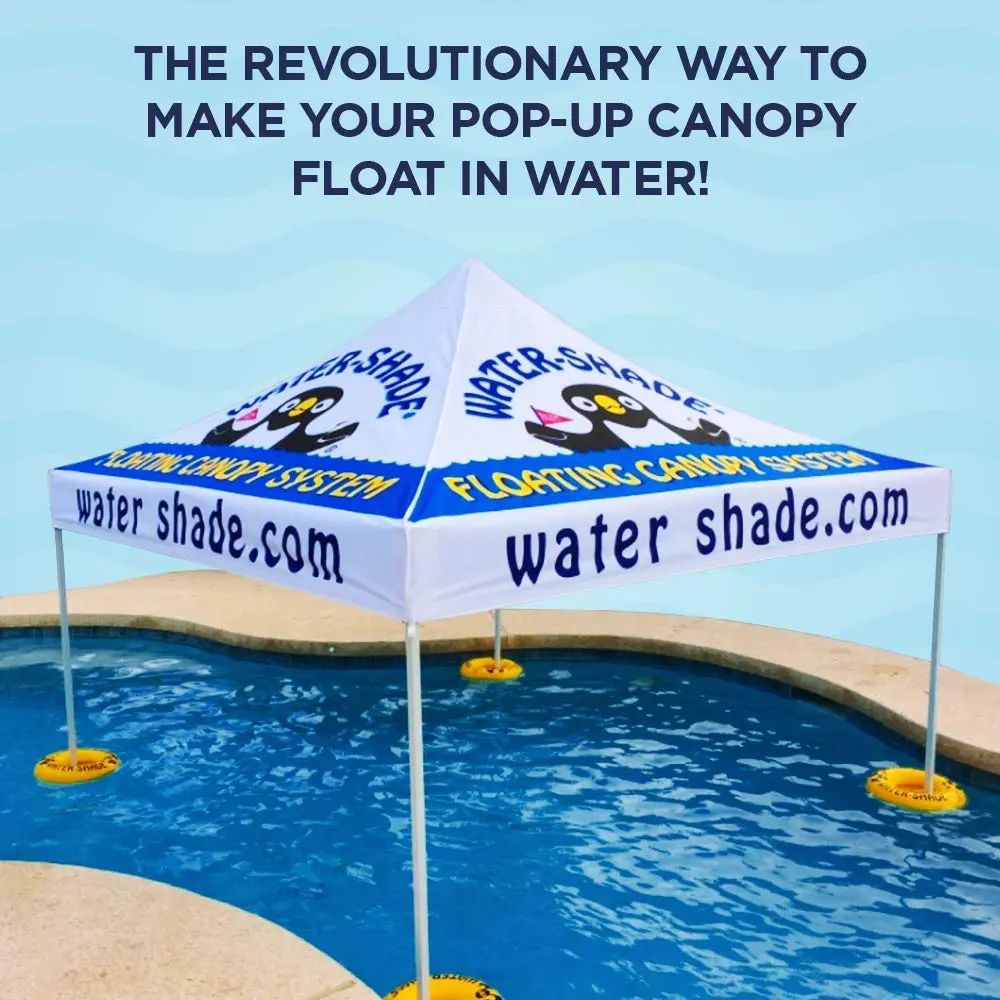
- Floating solar covers or modular plastic hexagonal tiles.
- Pergolas or overhanging native trees planted near the bank.
Best materials for shading water
Choosing the right material depends on whether the water is intended for human swimming, ornamental use, or irrigation. For swimming pools, UV-resistant polyethylene covers are standard because they are durable and easy to handle. These materials are designed to withstand harsh chemicals and extreme heat without degrading or leaching toxins into the water supply.
If you are shading a natural pond, synthetic materials should be avoided to protect local wildlife. Instead, focus on organic solutions that integrate with the existing environment. When selecting materials, keep these factors in mind:
- Breathability: Ensure the material allows for some gas exchange if the water needs oxygenation.
- Durability: Check the material’s UV rating to ensure it will not break down into microplastics.
- Reflectivity: Lighter colors reflect more heat, while darker colors absorb it, which can inadvertently warm the water.
- Ease of removal: Ensure your chosen system can be easily retracted for cleaning or maintenance.
Why algae control requires shade
Algae growth is directly linked to the amount of photosynthetically active radiation (PAR) that reaches the water column. When sunlight penetrates deep into the water, it provides the energy necessary for algae to multiply exponentially. By reducing the intensity of this light, you effectively starve the algae of the fuel they need to thrive.
Beyond light limitation, shading also helps regulate the temperature of the water. Algae and other aquatic weeds grow significantly faster in warmer water, often doubling their population in just a few days during heatwaves. Shading provides a dual benefit: it physically blocks the light and thermally stabilizes the environment. This reduction in temperature also helps maintain higher dissolved oxygen levels, as cooler water holds more oxygen than warmer water, which is essential for fish and other aquatic organisms.
Common mistakes when shading water
One of the most frequent errors is completely covering the water surface without allowing for airflow. If a pond is entirely sealed off, the water can become stagnant, leading to a buildup of anaerobic gases that can kill fish and create foul odors. Always leave a portion of the surface exposed or use a permeable material to ensure the water continues to breathe.
Another common mistake is failing to account for the seasonal angle of the sun. A shade structure that works perfectly in June might be ineffective by August as the sun's position shifts throughout the year. Before installing a permanent fixture, observe the shadows cast by trees or buildings during different times of the day. Avoid these pitfalls:
- Covering the entire surface, which prevents necessary oxygen exchange.
- Using materials that shed debris or dyes into the water.
- Installing shade too low, which can trap heat and humidity near the surface.
- Neglecting to clean floating covers, which can accumulate leaves and rot.
How to maintain shaded water systems
Once you have implemented a shading strategy, regular maintenance is required to ensure the system remains effective and safe. If you are using floating plants, you must periodically thin them out to prevent them from taking over the entire surface. If you are using artificial covers, check them for tears or structural damage after heavy storms or high wind events.
Maintenance routines should be performed on a monthly basis to prevent long-term issues. For artificial covers, rinse off any accumulated organic matter like leaves or bird droppings, as these can decay and add unwanted nutrients to the water. For biological shading, monitor the health of your plants and ensure they are not suffering from pests or nutrient deficiencies. By keeping your shading system clean and well-managed, you will significantly reduce the time spent on chemical treatments and mechanical filtration, ensuring the water remains clear and healthy for the duration of the season.
Key facts
- Water is transparent, meaning it takes on the color of its environment and the objects reflected within it.
- To shade water, you must identify the light source and place the darkest tones where the water is deepest or furthest from the light.
- Horizontal brushstrokes or pencil marks are essential to represent the flat, reflective surface of a body of water.
- Use cool, desaturated blues, grays, or purples for shadows rather than pure black to maintain a natural, liquid appearance.
- Highlights should be placed on the tops of ripples or waves, while shadows belong in the troughs or the undersides of crests.
- Adding a slight blur or soft edges to shadows helps convey the fluid, constantly moving nature of water.
The bottom line
Shading water requires a transition from viewing it as a static object to understanding it as a reflective surface. By focusing on the interplay between light, shadow, and the surrounding environment, you can create the illusion of depth and movement. Remember to use horizontal strokes, avoid overusing pure black, and prioritize the subtle color shifts that occur when light interacts with a fluid, transparent medium.
People also ask
How do you paint realistic water reflections?
Reflections are essentially inverted, slightly distorted versions of the objects above the water. To paint them, use vertical strokes to pull the colors of the shore or sky downward into the water surface.
Why does water look different colors in various locations?
Water color is influenced by depth, suspended particles like silt, and the reflection of the sky. Shallow water often appears clear or takes on the color of the bottom, while deep water absorbs light and appears dark blue or black.
Should I use white for highlights on water?
Use pure white sparingly only for the brightest glints of sunlight hitting the peaks of waves. Overusing white can make water look like solid plastic or ice rather than a fluid substance.
How do you show depth in a body of water?
Increase the intensity of your shadows and decrease the clarity of reflected objects as the water gets deeper. Darker, more muted tones at the bottom of a pool or lake suggest significant depth.
What is the best medium for practicing water shading?
Graphite pencils are excellent for beginners because they allow for easy blending and layering of gray tones. Watercolor is also ideal because its inherent transparency mimics the physical properties of water.
How do I make water look like it is moving?
Break up your shadows and highlights with jagged, uneven lines to suggest ripples. The more chaotic and irregular your stroke pattern, the more active and turbulent the water will appear.
This answer was created with the help of AI research tools and reference sources. Spotted an error? Let us know — we correct mistakes quickly. See our editorial policy.