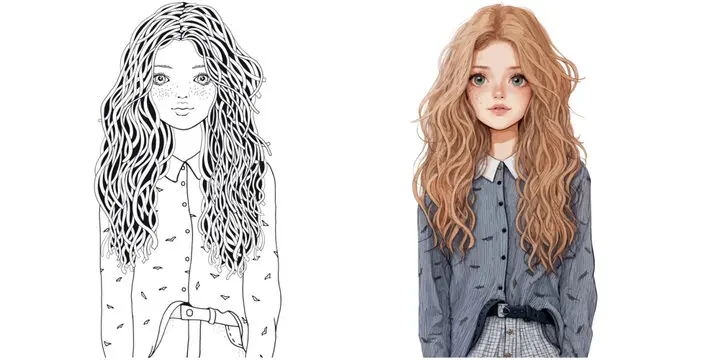
Should you draw from life or from photos?
Short answer
Drawing from life is superior for developing spatial awareness, observation skills, and understanding light, while photos offer convenience and accessibility for complex subjects. Most professional artists utilize both methods, balancing the immediate sensory feedback of live subjects with the practical benefits of photographic reference to achieve technical mastery and creative freedom.
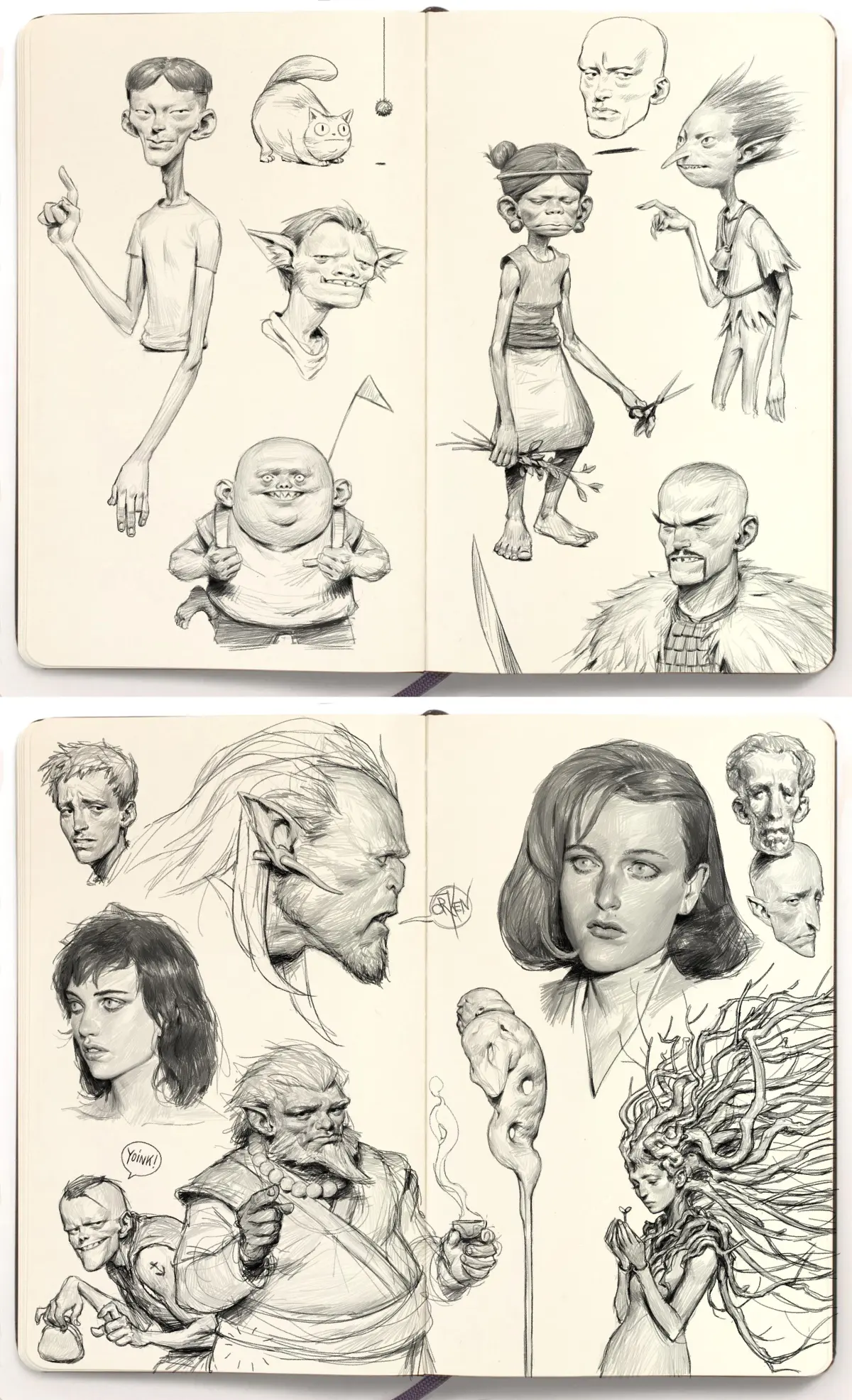
On this page
Why draw from life for beginners
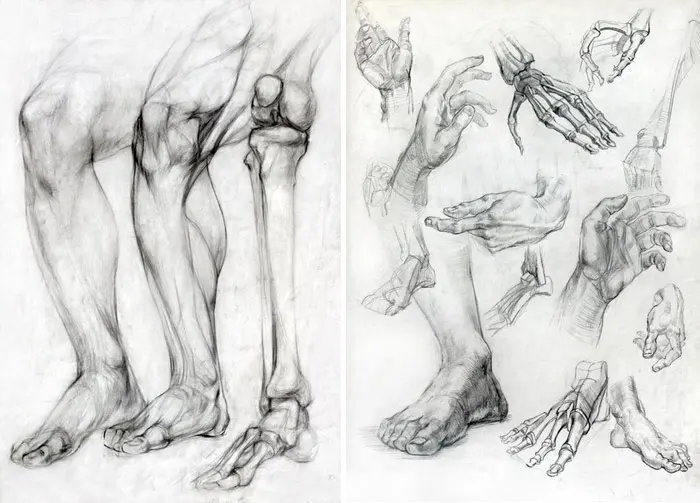
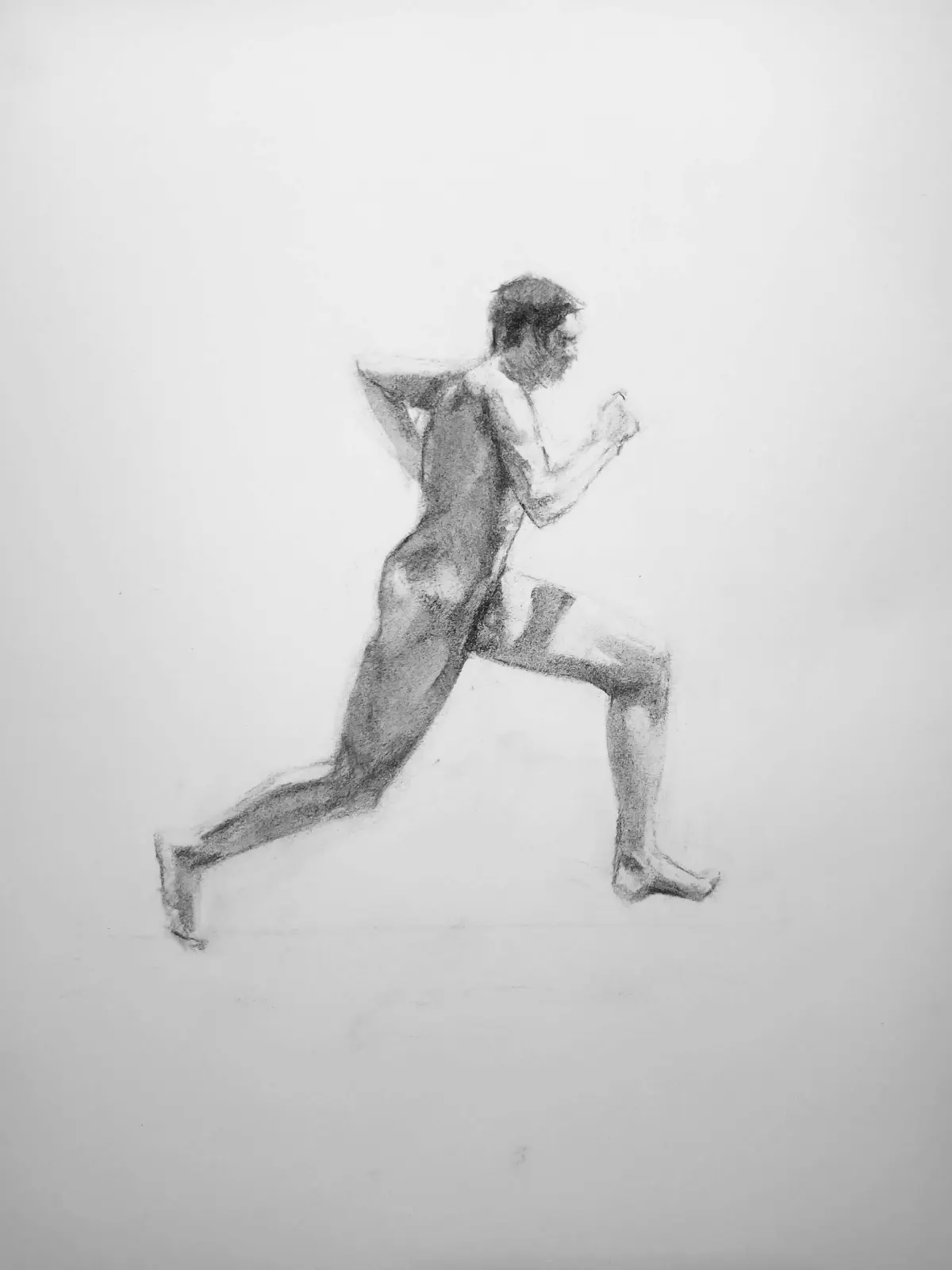
Drawing from life is the foundational practice for understanding three-dimensional space. When you sit before a physical object, your eyes must constantly adjust to parallax, depth, and the way light wraps around complex surfaces. This process forces your brain to translate a 3D reality into a 2D representation, which is a critical cognitive skill for any artist. Unlike a static image, a live subject allows you to move your head to see hidden angles, providing a complete spatial map that a camera lens often flattens or distorts.
Practicing from life also improves your speed and decision-making. Because light sources in a room change and subjects may shift, you learn to capture the "gestalt" or the essential character of a form quickly. This builds muscle memory and confidence. Beginners who start with life drawing often find that their ability to handle perspective and anatomy improves significantly faster than those who rely solely on digital or printed references.
How to use photos effectively
Photographs are indispensable tools for capturing fleeting moments or complex scenes that cannot be held still for hours. A camera acts as a frozen frame of reference, allowing you to study intricate details, such as the texture of fabric or the subtle geometry of architectural features, at your own pace. Many professional illustrators use photographs to establish accurate proportions before adding their own artistic interpretation.
To use photos effectively, follow these guidelines:
- Choose high-resolution images to ensure you can see fine details like skin pores or distant foliage.
- Avoid using single, low-quality snapshots that suffer from lens distortion, especially in portraiture.
- Use multiple photos of the same subject from different angles to reconstruct a sense of depth.
- Treat the photo as a suggestion rather than a rigid map, allowing yourself to adjust lighting or composition for better artistic flow.
Common mistakes when drawing from photos
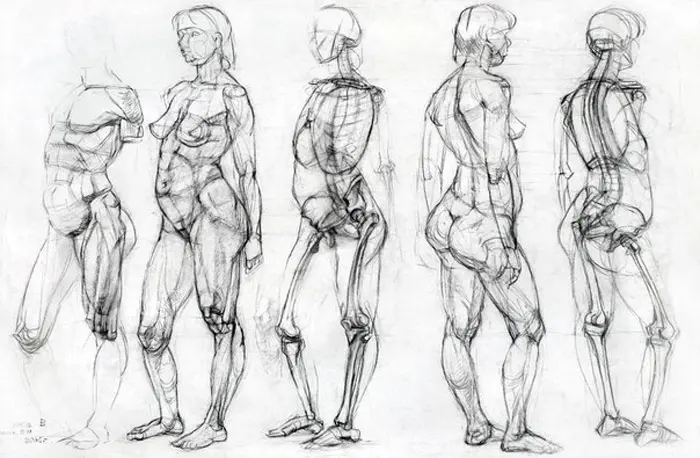
The most frequent error when working from photos is the "flattening" effect. Cameras automatically compress depth, which often leads artists to produce drawings that feel static or lifeless. Beginners often copy the light and shadow values exactly as they appear in the photo, failing to realize that a camera’s dynamic range is far narrower than the human eye. This results in muddy shadows or blown-out highlights that lack the vibrancy of a real-life observation.
Another mistake is over-reliance on the image for color information. Cameras often shift white balance, creating artificial color casts that do not exist in the physical environment. If you rely solely on a screen, you may find your color palette becomes dull or inaccurate. To counteract this, try to supplement your photo studies with occasional life sketches of similar objects to recalibrate your understanding of how color behaves under natural light.
Best practices for combining both methods
The most successful artists utilize a hybrid approach, often called "referencing." You might start with a life study to understand the weight and volume of a subject, then switch to photographs to fill in specific details or complex patterns that require long periods of focus. This method ensures that the core structure of your work feels grounded and real, while the details remain crisp and accurate.
Follow these steps to integrate both techniques into your workflow:
- Set up a still life arrangement to observe the primary light source and basic forms.
- Sketch the rough proportions and major shadow shapes from the live subject.
- Take a photograph of the setup to capture fine details or textures.
- Use the photograph to refine the intricate parts of your drawing while maintaining the structural integrity you established from the live model.
How to choose the right medium for your goals
Your choice between life and photos should depend on your specific artistic objective. If your goal is to improve your fundamental drawing skills, such as gesture, anatomy, or perspective, drawing from life is non-negotiable. The physical act of observing a subject in space provides a level of feedback that no digital image can replicate. It trains your eye to see value transitions and edge qualities that are often lost in the digital compression of a photograph.
Conversely, if you are working on a complex illustration, a fantasy composition, or a portrait for a client, photographs are essential for efficiency. They allow you to experiment with lighting and composition without requiring a model to sit for days. By understanding the limitations of the camera, you can use photos as a scaffolding for your creativity rather than a crutch. Ultimately, the best artists are those who use the camera as a tool to support their observation, never letting it replace the essential, raw experience of seeing the world with their own eyes.
Key facts
- Drawing from life provides binocular vision, allowing the brain to perceive true depth and spatial relationships that cameras flatten.
- Photos capture a single moment in time, freezing motion and lighting, which is useful for subjects that cannot hold a pose.
- Working from life trains the eye to translate three-dimensional objects into two-dimensional marks, accelerating fundamental skill development.
- Photographs often distort perspective, particularly with wide-angle lenses that exaggerate features closest to the lens.
- Using a reference photo allows for unlimited time to study complex details without the fatigue associated with live models or changing sunlight.
- Professional artists frequently combine both methods, using life studies to understand form and photos to manage intricate textures or lighting.
The bottom line
The choice between drawing from life and photos depends on your specific goals. Drawing from life is essential for mastering perspective, volume, and observational accuracy, while photographs offer convenience for complex subjects or limited timeframes. Most successful artists integrate both approaches, utilizing the structural education provided by live observation to inform the detailed, time-efficient work produced when referencing photographs of their chosen subjects.
People also ask
How does a camera lens change the appearance of a subject compared to the human eye?
Cameras often compress distance and distort proportions depending on the focal length used. The human eye has a dynamic field of view and depth perception that a static lens cannot replicate.
Is it considered "cheating" to use photographs as a reference?
Using reference material is a standard professional practice, not a form of cheating. Many historical masters, including Johannes Vermeer, utilized tools like camera obscuras to aid in achieving accurate compositions.
What is the biggest mistake beginners make when using photos?
Beginners often copy the flat values and colors of a photograph exactly, which can lead to dull, lifeless drawings. It is better to use the photo as a guide for structure while interpreting light and shadow manually.
How can I improve my depth perception when drawing from life?
Practice "sighting" by holding your pencil at arm's length to measure proportions against the subject. Closing one eye helps flatten the view, making it easier to map shapes onto your paper.
Should I use a flash when taking reference photos?
Avoid using a direct camera flash, as it creates harsh, artificial shadows that flatten form and remove subtle mid-tones. Natural, directional light from a window provides much better information for rendering volume.
Why do my drawings from life look different than my drawings from photos?
Life drawings usually contain more "energy" and accurate spatial depth because you are observing the subject in real-time. Photo-based drawings often appear more static and precise in detail but may lack a sense of three-dimensional space.
This answer was created with the help of AI research tools and reference sources. Spotted an error? Let us know — we correct mistakes quickly. See our editorial policy.