What is aperture in photography?
Short answer
Aperture is the adjustable opening within a camera lens that controls the amount of light reaching the sensor. Measured in f-stops, it functions like the pupil of an eye. A wider aperture allows more light for dark scenes, while a narrower aperture limits light, simultaneously influencing the depth of field in images.
On this page
What does aperture do in photography
Aperture serves two primary functions: regulating light exposure and controlling depth of field. When you adjust the aperture, you physically change the size of the lens opening. A larger opening lets in more light, which is essential for shooting in dim environments or at night. Conversely, a smaller opening restricts light, preventing overexposure in bright, sunny conditions.
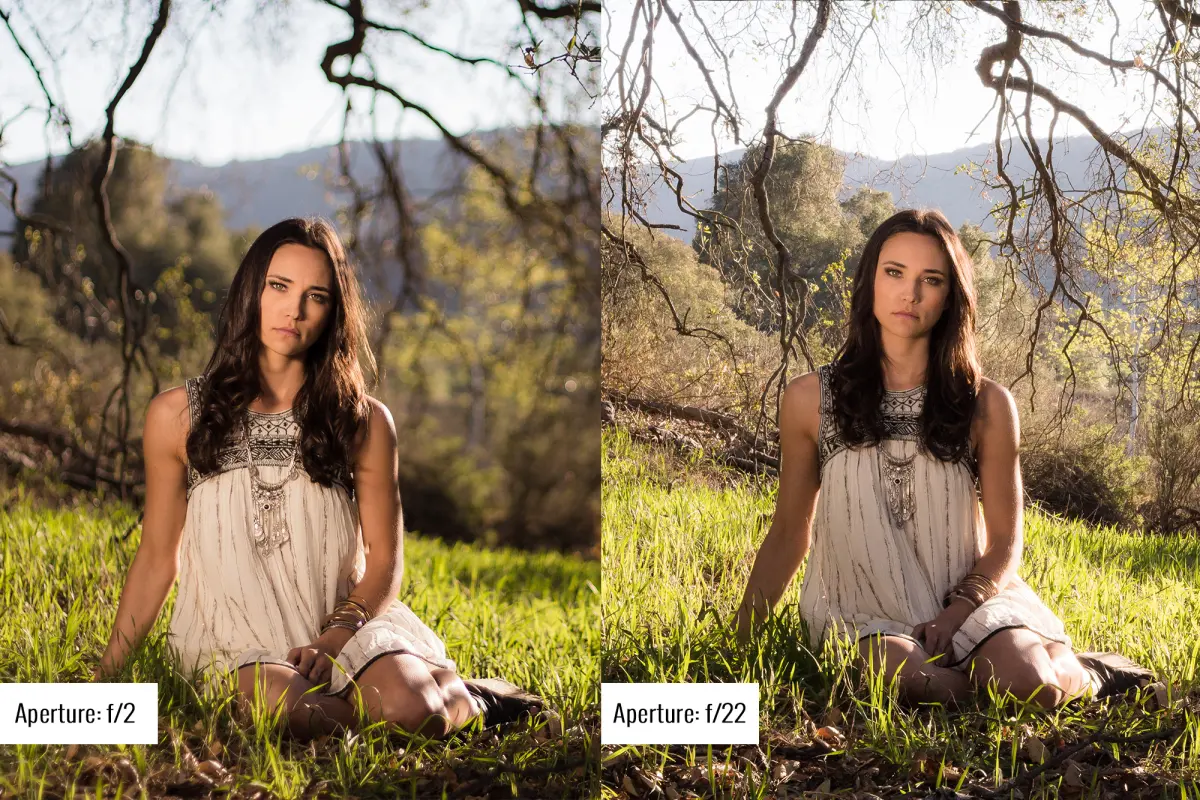
Beyond light, aperture dictates how much of your photograph remains in focus. This effect is known as depth of field. A wide aperture creates a shallow depth of field, where your subject is sharp but the background is blurry. A narrow aperture keeps both the foreground and background in focus, which is ideal for expansive landscapes. Understanding this balance is the first step toward moving beyond automatic camera settings.
How to read f-stop numbers
F-stops are the numerical values used to express the size of the aperture. These numbers follow a specific, somewhat counterintuitive mathematical scale. A smaller f-stop number, such as f/1.4 or f/2.8, indicates a large physical opening. A higher f-stop number, such as f/16 or f/22, indicates a very small opening.
To master these settings, keep these common values in mind:
- f/1.4 to f/2.8: Very wide, ideal for low light and portraiture with blurred backgrounds.
- f/4 to f/5.6: Mid-range, suitable for general photography and group portraits.
- f/8 to f/11: Standard for landscapes, ensuring deep focus from front to back.
- f/16 to f/22: Very narrow, useful for long exposures or capturing sunstars.
Remember that each full stop change—moving from f/4 to f/5.6, for instance—exactly halves the amount of light entering the lens. This inverse relationship is fundamental to manual exposure control.
How to choose the best aperture for your subject
Choosing the right aperture depends entirely on the story you want to tell with your image. If you are photographing a portrait, you generally want to isolate your subject from a distracting background. In this case, select a wide aperture like f/2.8 to create a soft, out-of-focus effect known as bokeh. This technique draws the viewer's eye directly to the subject's face.
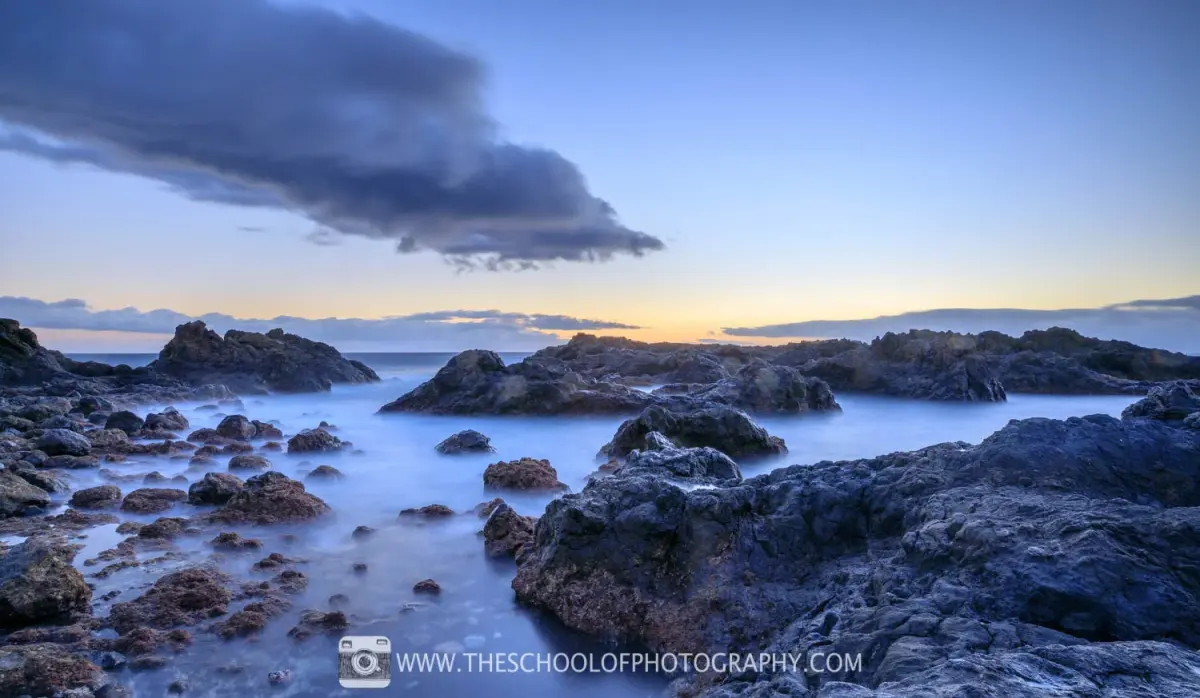
For landscape photography, the goal is usually to capture as much detail as possible. You want the flowers in the foreground and the mountains in the distance to be equally sharp. Using a narrow aperture like f/11 or f/13 is standard practice here. If you are unsure which setting to use, follow these general guidelines:
- Portraits: f/1.8 to f/4.0 for subject isolation.
- Street photography: f/5.6 to f/8.0 for a balance of focus and speed.
- Landscapes: f/8.0 to f/16 for maximum clarity across the frame.
- Macro photography: f/8.0 to f/11 to compensate for the naturally shallow focus at close range.
Common mistakes when setting aperture
One frequent error beginners make is using the smallest f-stop number (the widest aperture) for every situation. While a wide aperture is excellent for low light, it often results in a depth of field so shallow that only a tiny sliver of your subject stays in focus. If you are shooting a group of people at f/1.4, you might find that the person in the front is sharp while the person standing behind them is blurry.
Another common mistake is choosing an extremely high f-stop number, such as f/22, when it is not necessary. While this creates a deep depth of field, it often leads to a phenomenon called diffraction. Diffraction causes the entire image to lose sharpness and clarity because light waves interfere with each other as they pass through the tiny opening. Always aim for the "sweet spot" of your lens, which is typically two or three stops away from the widest setting, to ensure the highest image quality.
Why aperture affects shutter speed
Aperture does not work in isolation; it is part of the "exposure triangle," which includes shutter speed and ISO. Because aperture controls the amount of light, changing it directly forces your camera to adjust the shutter speed to maintain a correct exposure. If you open your aperture wider to let in more light, your camera will automatically increase the shutter speed to prevent the photo from becoming too bright.
If you are shooting in manual mode, you must balance these settings yourself. If you close your aperture to f/16 for a landscape, you are letting in very little light. To compensate, you must slow down your shutter speed to allow the sensor more time to gather light. If the shutter speed becomes too slow, your images will result in motion blur from camera shake. In such cases, you will need a tripod to keep the camera perfectly steady during the longer exposure period.
Key facts
- Aperture is the opening in a camera lens that controls the amount of light reaching the image sensor.
- It is measured in f-stops, such as f/1.8, f/8, or f/16, which represent the ratio of the lens's focal length to the diameter of the entrance pupil.
- A lower f-number, like f/1.4, indicates a wider opening that lets in more light and creates a shallow depth of field.
- A higher f-number, like f/22, indicates a smaller opening that lets in less light and keeps more of the scene in focus.
- Wide apertures are ideal for portrait photography to blur the background, while narrow apertures are best for landscapes to ensure sharpness from front to back.
- Changing the aperture also affects diffraction, where very small openings can actually cause images to lose sharpness due to light interference.
The bottom line
Aperture is a fundamental tool that balances light intake with creative control over depth of field. By mastering f-stops, you gain the ability to isolate subjects with soft, blurred backgrounds or capture expansive, sharp landscapes. Experimenting with these settings allows you to manipulate the viewer's focus and determine the mood of your images, making aperture one of the most important creative decisions in photography.
People also ask
How does aperture affect the brightness of an image?
A wider aperture allows more light to enter the camera, resulting in a brighter image. Conversely, a smaller aperture restricts light, requiring a slower shutter speed or higher ISO to maintain proper exposure.
What is depth of field in photography?
Depth of field refers to the range of distance within a photo that appears acceptably sharp. A wide aperture creates a shallow depth of field, while a narrow aperture increases the area in focus.
What is the "sweet spot" of a lens?
The sweet spot is the aperture setting where a lens produces its sharpest image, typically two or three stops down from its widest setting. Most lenses perform best between f/5.6 and f/8.
Why do my photos look blurry when I use a very small aperture?
Using an extremely small aperture, such as f/22 or f/32, can cause diffraction. This optical phenomenon scatters light as it passes through the tiny hole, leading to a loss of overall image clarity.
Does aperture change the perspective of a photo?
No, aperture does not change perspective or focal length. Perspective is determined solely by the physical distance between the camera and the subject.
How do I choose the right aperture for a group portrait?
For group shots, use an aperture between f/5.6 and f/8 to ensure everyone is in focus. Using a wider aperture might result in only the front row being sharp while the back row appears soft.
This answer was created with the help of AI research tools and reference sources. Spotted an error? Let us know — we correct mistakes quickly. See our editorial policy.