What is depth of field?
Short answer
Depth of field is the distance between the nearest and farthest objects in a scene that appear acceptably sharp in a photograph. It is primarily controlled by the camera's aperture, the distance to the subject, and the lens focal length. Photographers manipulate these variables to isolate subjects or keep entire landscapes in focus.
On this page
What determines depth of field?
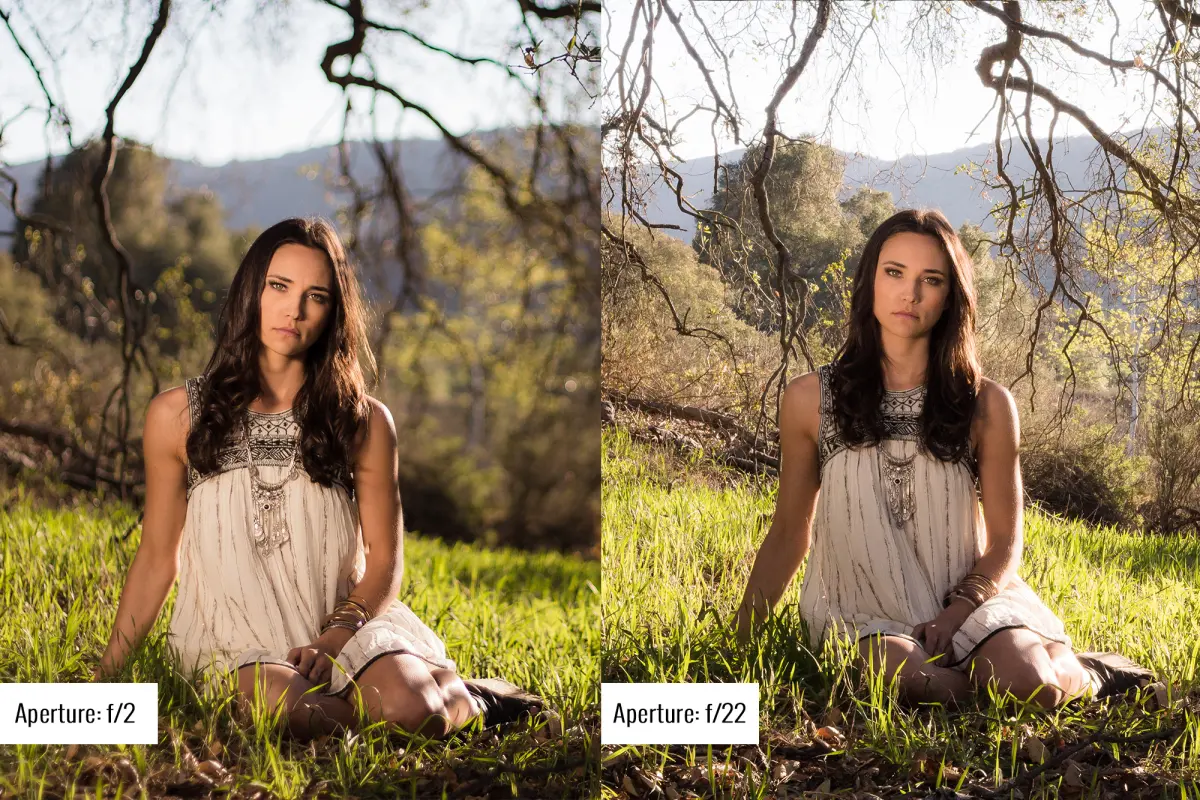
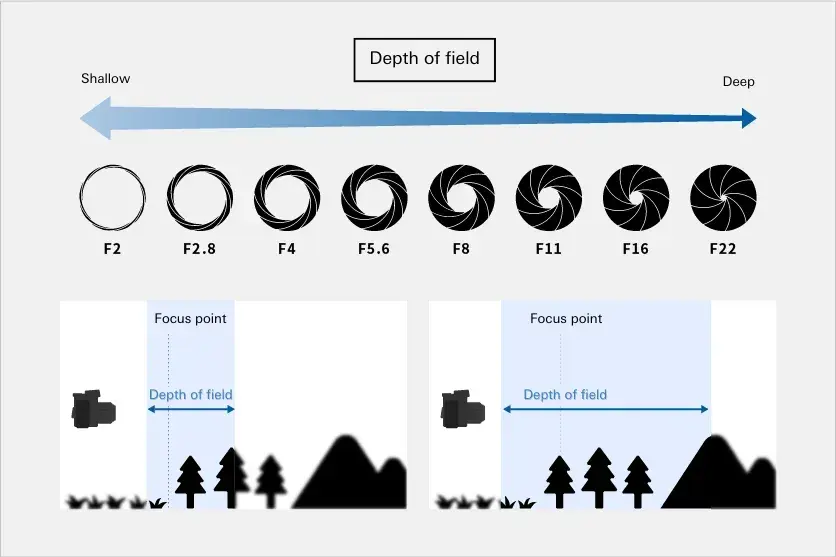
The depth of field in an image is governed by three physical properties of the camera system. The most significant factor is the aperture, which is the opening within the lens that regulates how much light enters. A wide aperture, represented by a low f-number like f/1.8, creates a shallow depth of field where only a sliver of the image is sharp. Conversely, a narrow aperture, such as f/16, increases the depth of field, allowing more of the foreground and background to remain in focus simultaneously.
The second factor is the distance between the camera and the subject. As you move closer to your subject, the depth of field decreases significantly, which is why macro photography often results in very blurry backgrounds. The third factor is the focal length of the lens. Longer telephoto lenses naturally compress space and produce a shallower depth of field compared to wide-angle lenses, even when using the same aperture settings. Understanding how these three elements interact allows photographers to achieve precise creative control over their compositions.
How to control depth of field
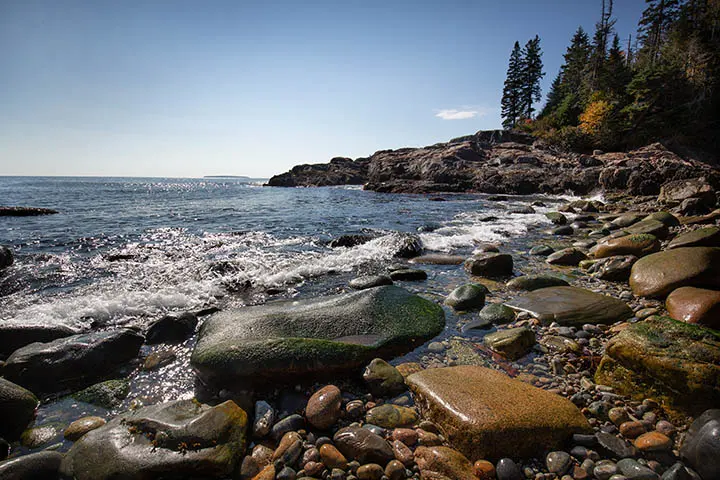
Achieving the desired focus requires a methodical approach to camera settings. If you want a portrait with a soft, out-of-focus background, you must prioritize a wider aperture. If you are shooting a vast landscape, you will likely choose a smaller aperture to ensure the mountains in the distance are as crisp as the rocks in the foreground.
- Switch your camera to Aperture Priority mode, often labeled as "A" or "Av" on the dial.
- Select a low f-number, such as f/2.8, to blur the background, or a high f-number, such as f/11, to maximize sharpness.
- Adjust your distance to the subject; moving closer will enhance the blur effect, while stepping back will increase the area in focus.
- Check your shutter speed to ensure that the change in aperture has not made the image too dark or caused motion blur.
Why shallow depth of field is used
Photographers often employ a shallow depth of field to guide the viewer's eye toward a specific point of interest. By blurring distracting elements in the background or foreground, the subject becomes the clear focal point of the narrative. This technique is a staple in portraiture, where the goal is to separate the person from a busy or messy environment. It creates a sense of depth and dimensionality that mimics the way the human eye focuses on objects in real life.
Beyond portraiture, shallow depth of field is frequently used in product photography and wildlife imaging. It helps to isolate a product from its surroundings, making it appear more professional and polished. In wildlife photography, it allows the photographer to capture a clean shot of an animal even when it is standing in dense, cluttered vegetation. Mastering this technique transforms flat, two-dimensional images into dynamic scenes that feel immersive and intentional.
Common mistakes when managing depth of field
A frequent error is choosing an aperture that is too wide, such as f/1.2 or f/1.4, for group photos. At these settings, the depth of field is so thin that if the people are not standing in a perfectly straight line, some individuals will appear blurry while others remain sharp. Another common mistake is failing to account for the "hyperfocal distance," which is the point of focus that provides the maximum depth of field for a given lens and aperture. Ignoring this can lead to landscapes where the horizon is soft despite using a small aperture.
- Using an aperture that is too small, such as f/22, which can cause "diffraction" and lead to a loss of overall image sharpness.
- Forgetting to check the focus point, resulting in a sharp background while the intended subject is slightly out of focus.
- Over-relying on background blur to compensate for a cluttered composition instead of moving the subject to a better location.
- Neglecting the impact of lens focal length, which can lead to unexpected blurriness when using long lenses at close range.
Best practices for sharp photography
To consistently capture images with the intended depth of field, you must practice patience and precision. Always verify your focus point before pressing the shutter, especially when working with a shallow depth of field. If you are shooting handheld, ensure your shutter speed is fast enough to prevent camera shake, as even the sharpest lens cannot compensate for movement during the exposure. Using a tripod is the best way to ensure stability when using small apertures for deep-focus landscapes.
Review your images on a larger screen whenever possible to confirm that the focus is exactly where you intended it to be. Many modern cameras offer focus peaking or magnification tools that highlight the sharpest areas in the viewfinder, which is invaluable for manual focusing. By experimenting with different apertures and distances, you will develop an intuitive sense of how your gear behaves under various conditions. Consistent practice and critical review of your results are the only ways to master the interplay between light, distance, and focus.
Key facts
- Depth of field is the distance between the nearest and farthest objects in a scene that appear acceptably sharp in an image.
- A wide aperture, such as f/1.8, creates a shallow depth of field, resulting in a blurry background known as bokeh.
- A narrow aperture, such as f/16, creates a deep depth of field, keeping both the foreground and background in focus.
- Moving closer to your subject decreases the depth of field, while moving farther away increases it.
- Longer focal length lenses, such as a 200mm telephoto, naturally compress the scene and produce a shallower depth of field than wide-angle lenses.
- Focus on the eyes when shooting portraits to ensure the most important part of the subject remains sharp regardless of the depth of field settings.
The bottom line
Depth of field is a creative tool that dictates which parts of your image remain sharp and which fade into blur. By adjusting your aperture, focal length, and distance to the subject, you control the viewer’s focus. Mastering these variables allows you to isolate subjects with soft backgrounds or capture expansive, sharp landscapes, ultimately giving you full artistic command over the narrative of your photographs.
People also ask
How does the camera sensor size affect depth of field?
Larger sensors, such as full-frame, produce a shallower depth of field compared to smaller sensors like APS-C or Micro Four Thirds when using the same aperture and framing. This is because larger sensors require longer focal lengths to achieve the same field of view, which inherently reduces the depth of field.
What is the "hyperfocal distance"?
The hyperfocal distance is the closest focus distance at which the depth of field extends to infinity. By focusing at this specific point, you maximize the total range of sharpness in a landscape photograph.
Does shutter speed change the depth of field?
No, shutter speed has no direct effect on the depth of field. It only controls the duration of light exposure and the motion blur of moving subjects.
Why are my photos blurry even when I use a high f-stop?
If your photos are blurry at f/16 or higher, you may be experiencing diffraction, which softens the overall image quality. Alternatively, you might have a slow shutter speed that is causing camera shake, or your focus point may simply be set incorrectly.
Can I change the depth of field after taking a photo?
You cannot change the optical depth of field after the shutter is pressed, as this is determined by physical lens properties. However, modern software can simulate background blur, though it often lacks the natural transition of real optical bokeh.
What is "focus stacking"?
Focus stacking is a technique where you take multiple photos of the same scene at different focus distances. You then combine these images in post-processing to create a final photograph with a depth of field that is impossible to achieve in a single shot.
This answer was created with the help of AI research tools and reference sources. Spotted an error? Let us know — we correct mistakes quickly. See our editorial policy.