What is bokeh?
Short answer
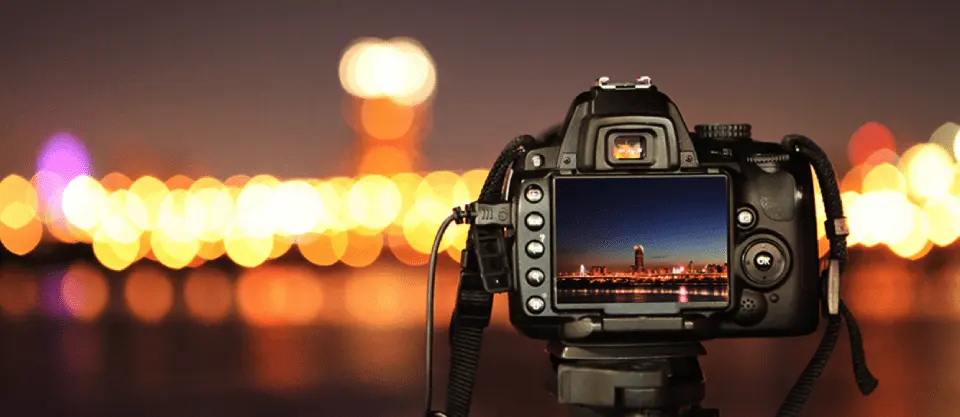
Bokeh is the aesthetic quality of the out-of-focus areas in a photograph, produced by a lens. Derived from the Japanese word boke (blur), it refers specifically to how the lens renders light points that fall outside the depth of field, creating soft, pleasing shapes rather than harsh or distracting artifacts.

On this page
Why bokeh happens in photography
Bokeh occurs when a lens captures light from points that are not within the plane of sharp focus. When these light rays enter the lens and hit the sensor, they do not converge into a single point, resulting in a circular or polygonal blur. The specific shape and softness of these blur circles are determined by the lens's aperture diaphragm, which consists of several overlapping blades.
The quality of this blur is influenced by the optical design of the lens. Lenses with more aperture blades, especially those with rounded edges, produce smoother, more circular bokeh. Conversely, lenses with fewer blades or straight-edged diaphragms often produce hexagonal or octagonal shapes. This phenomenon is purely an optical result of the lens construction and is not a digital effect, though it is often simulated in post-processing software today.
How to achieve better bokeh
To maximize the blur effect in your images, you must manipulate the relationship between your subject, the background, and your camera settings. The primary goal is to create a shallow depth of field, which isolates your subject while rendering the background into a soft, creamy wash of color.
- Use a wide aperture: Set your lens to its lowest f-number, such as f/1.4, f/1.8, or f/2.8. This physically widens the opening, reducing the depth of field.
- Increase subject-to-background distance: Place your subject as far away from the background as possible. The further the background is from the focal plane, the more blurred it will become.
- Move closer to the subject: Decreasing the distance between your camera and the subject significantly shrinks the depth of field, enhancing the background blur.
- Choose a longer focal length: Telephoto lenses naturally compress the background and create a more pronounced blur than wide-angle lenses.

Best lenses for bokeh photography
While any lens can produce some degree of blur, certain types are specifically engineered to produce superior, "creamy" bokeh. Prime lenses, which have a fixed focal length, are generally preferred over zoom lenses because they often feature wider maximum apertures and simpler optical designs that minimize aberrations.
- 50mm f/1.8: Often called the "nifty fifty," this is the most affordable and popular lens for beginners seeking shallow depth of field.
- 85mm f/1.4: Widely considered the gold standard for portrait photography, this focal length provides flattering compression and exceptional background separation.
- 135mm f/2.0: This lens is favored by professionals for its ability to melt backgrounds into complete abstraction while maintaining extreme sharpness on the subject's eyes.
- Macro lenses: These are excellent for close-up work, as their ability to focus at very short distances allows for intense background blur even at smaller apertures.
Common mistakes when shooting bokeh
Many photographers struggle to achieve the desired look because they overlook the importance of light and distance. A common error is shooting in a cluttered environment where the background is too close to the subject. Even with a wide aperture, if the background is only a few inches behind the subject, it will remain somewhat recognizable, which can distract the viewer from the intended focal point.
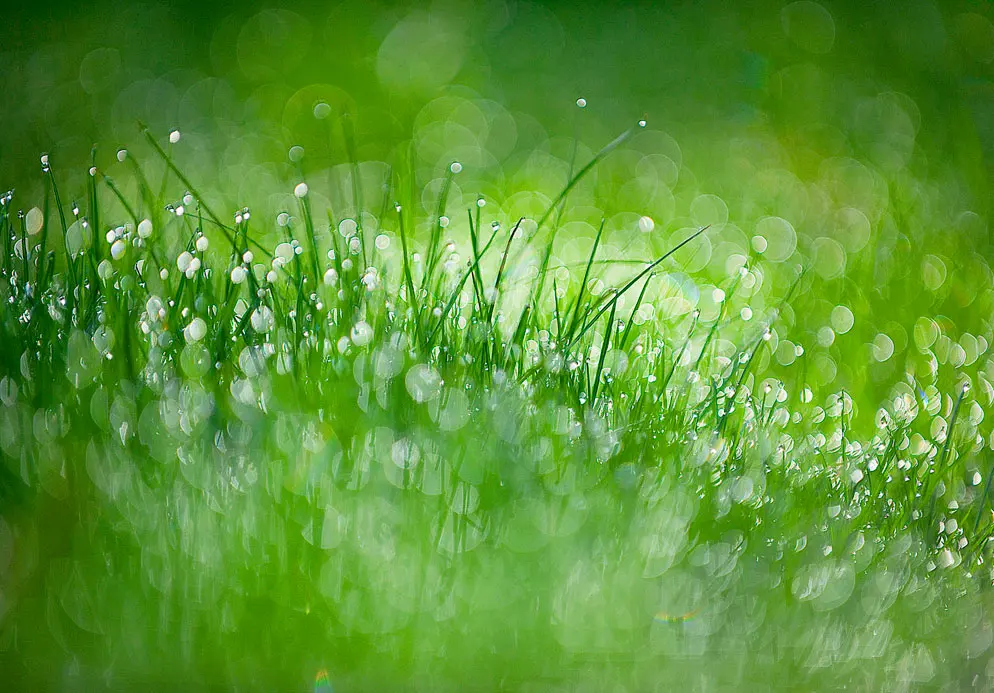
Another frequent mistake is failing to account for the quality of the light sources in the background. Bokeh is most visible when there are small, bright highlights, such as sunlight filtering through leaves, distant city lights, or reflections on water. If you are shooting in a flat, dimly lit environment, the background will appear as a muddy blur rather than distinct, pleasing shapes. Always look for high-contrast light sources behind your subject to make the bokeh "pop" and add visual interest to the composition.
How to improve your bokeh technique
Mastering bokeh is an exercise in balancing technical settings with creative composition. While the technical aspects involve aperture and focal length, the artistic side requires a keen eye for how light interacts with your scene. Practice by placing a subject in front of a string of fairy lights or a busy street scene at night to see how different aperture settings change the shape and size of the blurred lights.
Experimentation is key to understanding how your specific gear behaves. Try shooting the same subject at f/1.8, f/4, and f/8 to observe how the background transitions from a soft blur to a more recognizable state. By documenting these differences, you will develop an intuitive sense of what settings to choose for different scenarios. Remember that the goal is to enhance the subject, not just to create blur; ensure that the background remains complementary to the overall mood of your photograph.
Key facts
- Bokeh is a Japanese term meaning "blur" or "haze," referring to the aesthetic quality of the out-of-focus areas in a photograph.
- A wide aperture, such as f/1.8 or f/2.8, creates a shallow depth of field that maximizes background blur.
- The shape of the bokeh is determined by the number of blades in the lens diaphragm; more blades typically create smoother, circular highlights.
- To achieve the best effect, increase the distance between your subject and the background while keeping the subject close to the camera.
- Lenses with longer focal lengths, such as 85mm or 135mm, naturally produce more pronounced background compression and blur.
- Avoid cluttered backgrounds with high-contrast patterns, as they can create distracting, "nervous" bokeh rather than a smooth, creamy aesthetic.
The bottom line
Bokeh is a powerful creative tool that allows photographers to isolate subjects by softening distracting backgrounds into pleasant, out-of-focus shapes. By mastering aperture settings, focal length, and subject-to-background distance, you can transform ordinary scenes into professional-looking images. Remember that the quality of the blur is subjective, but prioritizing a clean, distant background and a wide aperture will consistently yield the most visually striking results.
People also ask
Does a higher f-stop number create more bokeh?
No, a higher f-stop number, such as f/16, increases the depth of field, meaning more of the background will be in focus. To get more bokeh, you must use a lower f-stop number to open the aperture wider.
Can I get bokeh with a smartphone camera?
Yes, many modern smartphones use dual-lens systems and computational software to simulate a shallow depth of field. You can also achieve it by getting very close to your subject and ensuring the background is far away.
What is the difference between bokeh and depth of field?
Depth of field refers to the range of distance within a photo that appears acceptably sharp. Bokeh is the specific visual quality and character of the blurry parts that fall outside of that sharp range.
Do prime lenses produce better bokeh than zoom lenses?
Prime lenses often have wider maximum apertures and simpler optical designs, which frequently result in smoother, more pleasing bokeh. However, high-end professional zoom lenses can also produce excellent results at their widest settings.
Why are my bokeh highlights shaped like hexagons instead of circles?
This happens because the aperture blades inside your lens do not form a perfect circle when stopped down. If you want perfectly round bokeh, you must shoot at the lens's widest possible aperture.
Does sensor size affect the look of bokeh?
Yes, larger sensors like full-frame sensors produce a shallower depth of field than smaller sensors at the same equivalent focal length and aperture. This makes it easier to isolate subjects and create soft, blurry backgrounds.
This answer was created with the help of AI research tools and reference sources. Spotted an error? Let us know — we correct mistakes quickly. See our editorial policy.