What is a telephoto lens?
Short answer
A telephoto lens is a photographic lens with a longer focal length than a standard lens, resulting in a narrow field of view and high magnification. By optically compressing distance, these lenses make distant subjects appear closer and larger in the frame, making them essential tools for wildlife, sports, and portrait photography.
On this page
What is a telephoto lens?
A telephoto lens is defined by its physical construction and its focal length, which is typically 70mm or greater on a full-frame camera. Unlike wide-angle lenses that capture a broad expanse, telephoto lenses act like a telescope, narrowing the angle of view to isolate specific subjects. This design is achieved through a specialized internal arrangement of glass elements that allows the lens to remain shorter than its actual focal length would otherwise require.
The primary function of these lenses is magnification. Because they have a narrow field of view, they project a smaller portion of the scene onto the camera’s sensor, making distant objects occupy more of the frame. This capability is vital for photographers who cannot physically get closer to their subject, such as those documenting animals in the wild or athletes on a large field.
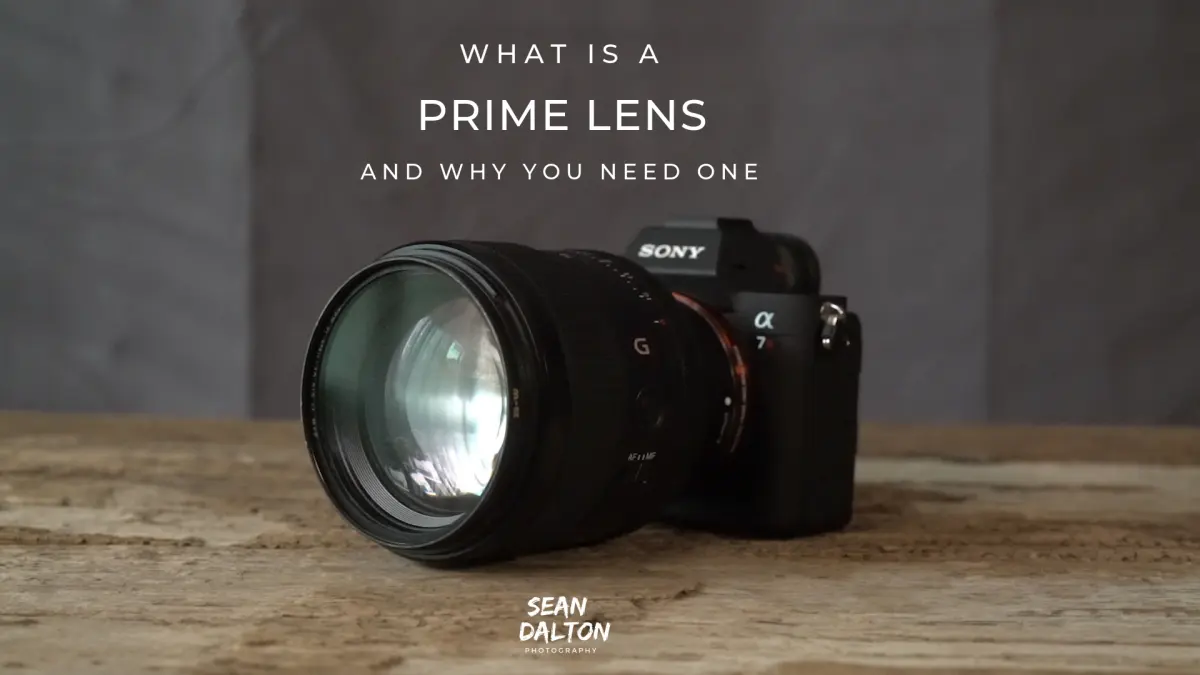
- Fixed telephoto lenses (prime lenses) offer a single focal length, such as 85mm, 200mm, or 600mm.
- Zoom telephoto lenses allow the photographer to adjust the focal length within a range, such as 70-200mm or 100-400mm.
- The "reach" of the lens is determined by the focal length; the higher the number, the greater the magnification.
Why use a telephoto lens for portraits?
While often associated with sports, telephoto lenses are the industry standard for portraiture. A focal length between 85mm and 135mm is widely considered ideal because it produces a flattering perspective of the human face. These lenses minimize facial distortion that occurs with wider lenses, which can make noses or foreheads appear disproportionately large when the camera is placed close to the subject.
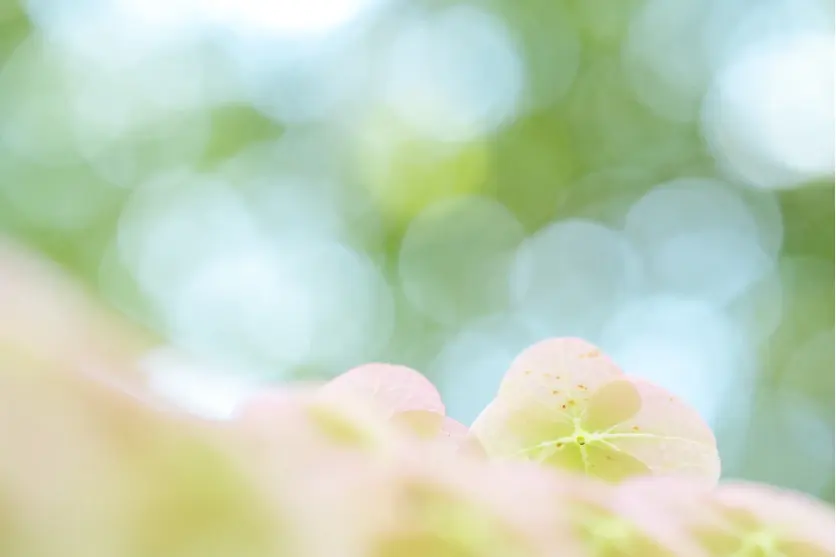
Beyond perspective, these lenses excel at creating a shallow depth of field. By using a wide aperture, a photographer can render the background into a soft, creamy blur, a technique known as bokeh. This effect separates the subject from a distracting background, ensuring the viewer’s eye remains focused entirely on the person being photographed.
- Position your subject at least 10 to 15 feet away from the background to maximize separation.
- Set your camera to aperture priority mode and select the lowest f-number available.
- Focus precisely on the subject's eyes to ensure the most important part of the portrait is tack-sharp.
How to choose the best telephoto lens
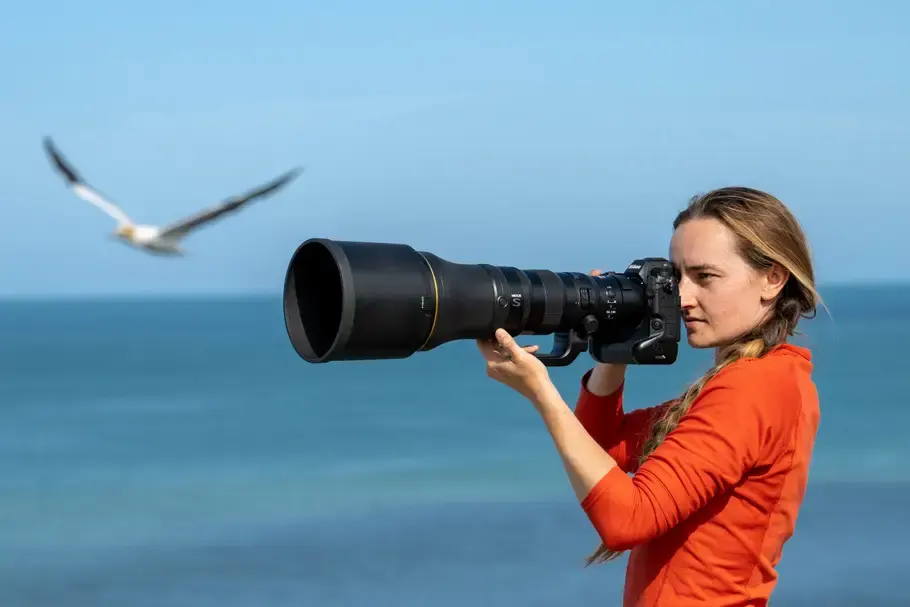
Selecting the right lens depends heavily on your specific subject matter. For sports and wildlife, you need significant reach, often requiring lenses in the 400mm to 600mm range. These lenses are often heavy and expensive, frequently requiring a tripod or monopod for stability. If you are a beginner, a 70-300mm zoom lens is often the most versatile and cost-effective starting point.
When evaluating options, consider the maximum aperture, which is indicated by an f-number like f/2.8 or f/5.6. A lower f-number indicates a "faster" lens, meaning it allows more light to reach the sensor. This is critical for indoor sports or low-light conditions. However, lenses with wider apertures are significantly heavier, larger, and more expensive than their variable-aperture counterparts.
- Check the lens mount compatibility to ensure it fits your specific camera body.
- Consider image stabilization, which is essential for hand-held shooting at long focal lengths.
- Compare the minimum focusing distance to ensure the lens can focus on subjects that move unexpectedly close.
Common mistakes when using telephoto lenses
The most frequent error when using long telephoto lenses is camera shake. Because these lenses magnify every movement, even the slightest tremor in your hands will result in a blurry image. To avoid this, always use a shutter speed that is at least as fast as the reciprocal of your focal length. For example, if you are shooting at 200mm, use a shutter speed of 1/200th of a second or faster.
Another common mistake is failing to account for atmospheric haze. When photographing subjects hundreds of yards away, the air between the camera and the subject can contain dust, heat waves, or moisture. This can reduce contrast and sharpness, making the image look "soft." Experienced photographers often avoid shooting over long distances during the hottest parts of the day when heat shimmer is most prevalent.
- Avoid shooting through glass windows, as this often introduces reflections and reduces clarity.
- Do not forget to turn off image stabilization when the camera is mounted on a sturdy tripod.
- Ensure your lens hood is attached to prevent lens flare from stray light hitting the front element.
How to care for your telephoto gear
Telephoto lenses are precision optical instruments that require careful handling. Because they contain many glass elements, they are susceptible to internal damage if dropped. Always use a high-quality camera bag with padded dividers and secure the lens cap whenever the equipment is not in use. If you are shooting in dusty or humid environments, consider using a weather-sealed lens to protect the internal mechanics.
Cleaning should be performed sparingly and only with professional-grade tools. Use a soft-bristled brush to remove loose dust before attempting to wipe the glass. If smudges persist, apply a small amount of lens cleaning fluid to a microfiber cloth rather than directly onto the lens element. By maintaining the glass and the exterior housing, you ensure that your lens retains its optical performance and resale value for years.
Key facts
- A telephoto lens is defined by its focal length, which is longer than the diagonal of the film or sensor format it covers.
- These lenses provide a narrow field of view, which magnifies distant subjects and makes them appear closer to the camera.
- The "telephoto" designation refers specifically to the optical construction that allows the lens to be physically shorter than its focal length.
- Common focal lengths for telephoto lenses range from 85mm for portraits to 600mm or more for wildlife and sports photography.
- A shallow depth of field is a hallmark of telephoto lenses, effectively blurring backgrounds to isolate the primary subject.
- When using long telephoto lenses, use a tripod or image stabilization to prevent motion blur caused by even slight camera shakes.
The bottom line
A telephoto lens is an essential tool for photographers aiming to capture distant subjects with precision and clarity. By narrowing the field of view and compressing perspective, these lenses allow for intimate portraits and detailed wildlife shots from a safe distance. Mastering their use requires attention to shutter speeds and stabilization, but the resulting ability to isolate subjects against beautiful, blurred backgrounds remains unmatched in visual storytelling.
People also ask
What is the difference between a telephoto lens and a zoom lens?
A telephoto lens is defined by its focal length, while a zoom lens is defined by its ability to change focal lengths. Many lenses are both, but a prime telephoto lens has a fixed focal length and cannot zoom.
Why do telephoto lenses make backgrounds look compressed?
Telephoto lenses create a compression effect by narrowing the angle of view, which makes distant objects appear closer to the foreground. This visual phenomenon flattens the perceived distance between elements in a scene.
Can I use a telephoto lens for portrait photography?
Yes, telephoto lenses in the 85mm to 135mm range are ideal for portraits. They provide a flattering perspective that minimizes facial distortion and creates a soft, out-of-focus background known as bokeh.
What is a common mistake when using a telephoto lens?
A common mistake is failing to use a fast enough shutter speed, which leads to blurry images due to camera shake. As a rule of thumb, your shutter speed should be at least the reciprocal of the focal length.
Do telephoto lenses work well in low light?
Generally, telephoto lenses have smaller maximum apertures compared to wide-angle lenses, which can make them challenging in low light. You may need to increase your camera's ISO setting or use a monopod to maintain image clarity.
How does a teleconverter affect a telephoto lens?
A teleconverter is a secondary lens placed between the camera body and the main lens to increase its effective focal length. While it adds reach, it typically reduces the amount of light entering the lens and may slow down autofocus.
This answer was created with the help of AI research tools and reference sources. Spotted an error? Let us know — we correct mistakes quickly. See our editorial policy.