What is a zoom lens?
Short answer
A zoom lens is an optical assembly with a variable focal length, allowing a photographer to adjust the field of view without changing lenses. By moving internal glass elements, the lens can transition from a wide-angle perspective to a telephoto magnification, providing versatile framing options for various subjects and distances.
On this page
How does a zoom lens work?
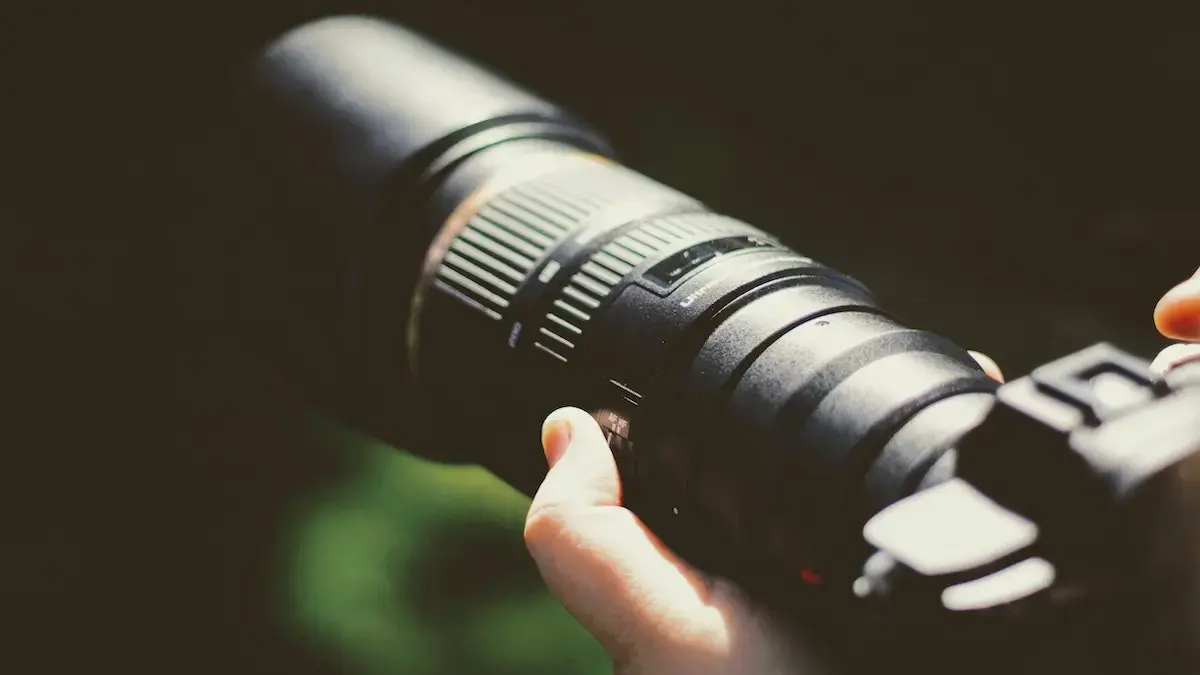
A zoom lens functions by moving internal lens elements along the optical axis to change the effective focal length of the system. Unlike a prime lens, which has a fixed focal length, a zoom lens contains complex groups of glass that shift relative to one another. As these elements move, the magnification of the image changes, effectively narrowing or widening the angle of view. This mechanical movement is controlled by a rotating barrel or a motorized switch on the lens housing.
The primary advantage of this design is its flexibility in composition. A photographer can stand in one position and tighten the frame on a distant subject or pull back to capture a sweeping landscape. This is achieved through a combination of "zoom groups" and "focus groups" within the barrel. While these lenses are more complex to manufacture than prime lenses, they provide significant convenience for event, sports, and travel photography where speed and mobility are essential.
What are the different types of zoom lenses?
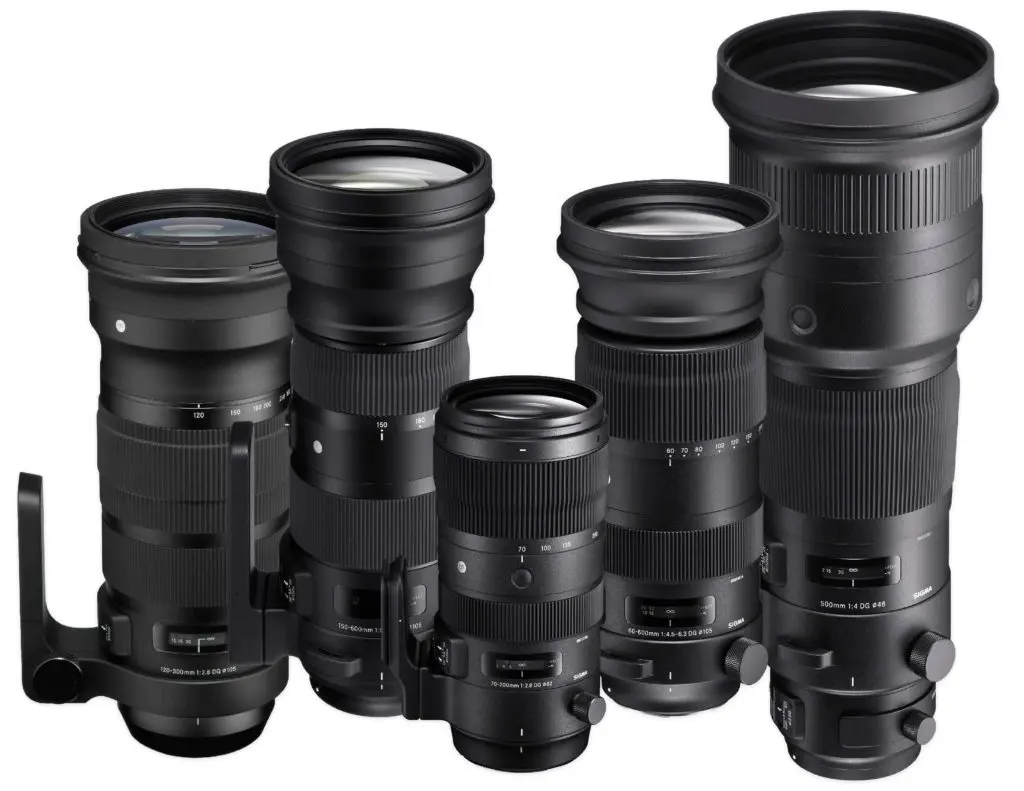
Zoom lenses are categorized primarily by their focal length range, which determines their specific use cases. Standard zooms, such as the 24-70mm, are the most common, offering a versatile range that covers wide-angle to short telephoto perspectives. Telephoto zooms, like the 70-200mm, are designed for capturing subjects at a distance, making them ideal for wildlife or action sports. Wide-angle zooms are used for architecture and interior photography, allowing for expansive views in confined spaces.
There are also "superzooms," which offer an extensive range, such as 18-300mm, in a single body. While convenient, these often involve compromises in image quality and maximum aperture. When selecting a lens, consider these primary categories:
- Standard Zoom: Best for general-purpose photography and travel.
- Telephoto Zoom: Essential for sports, portraits, and wildlife.
- Wide-Angle Zoom: Perfect for landscapes, real estate, and interiors.
- Superzoom: Ideal for users who want to avoid changing lenses entirely.
How to use a zoom lens effectively
Mastering a zoom lens requires understanding how focal length affects perspective and depth of field. A common technique is to zoom in to compress the background, which can make a subject appear more prominent against their environment. Conversely, zooming out emphasizes the foreground and creates a sense of scale. Practice these steps to improve your technique:
- Compose your shot by zooming to the desired framing before focusing.
- Use a tripod if you are zoomed in to the maximum focal length to prevent camera shake.
- Keep the lens clean, as zoom mechanisms can sometimes pull dust into the internal elements over time.
- Experiment with the "zoom burst" technique by changing the focal length during a long exposure to create motion blur.
When using these lenses, always be mindful of the aperture. Many zoom lenses have a variable maximum aperture, meaning the light-gathering capability decreases as you zoom in. Using a lens with a constant aperture, such as an f/2.8 zoom, ensures consistent exposure throughout the entire range.
Common mistakes when using zoom lenses
One of the most frequent errors beginners make is relying on the zoom instead of moving their feet. While a zoom lens allows you to stay stationary, changing your physical distance from the subject alters the perspective and the relationship between the subject and the background. Relying solely on the lens can lead to flat, uninspired compositions. Another mistake is failing to account for the minimum focus distance, which often increases as you zoom in, preventing you from getting close-ups of small objects.
Additionally, photographers often overlook the impact of focal length on shutter speed. As you zoom in to a longer focal length, camera shake becomes significantly more apparent. A general rule is to ensure your shutter speed is at least the reciprocal of your focal length to maintain sharpness. Ignoring this leads to blurry images, especially in low-light conditions where the lens is already struggling to capture enough light. Always check your settings whenever you adjust your zoom level.
How to maintain your zoom lens
Proper maintenance ensures that the internal zoom mechanism continues to operate smoothly for years. Because zoom lenses have moving parts, they are more susceptible to grit and moisture than fixed-focal-length lenses. Avoid changing lenses in dusty or sandy environments to prevent debris from entering the barrel. If you notice a "gritty" feeling when turning the zoom ring, do not force it, as this can damage the internal tracks. Instead, store the lens in a protective case with silica gel packets to manage humidity.
If your lens is a "push-pull" style zoom, be careful to keep the external barrel clean, as it is exposed to the elements during operation. Regularly inspect the front and rear elements for smudges or dust, using a blower or a soft microfiber cloth to clean them gently. By following these simple care routines, you will keep your optical equipment in peak condition, ensuring that your zoom lens remains a reliable tool for all your photographic endeavors.
Key facts
- A zoom lens features a variable focal length, allowing the photographer to change the field of view without physically moving.
- Zoom lenses are categorized by their zoom ratio, which is the difference between the longest and shortest focal lengths, such as a 24-70mm lens.
- Constant aperture zoom lenses maintain the same maximum light intake throughout the entire zoom range, making them highly desirable for professional use.
- Variable aperture zoom lenses typically lose light-gathering capability as the lens is zoomed in, often resulting in a darker image at the telephoto end.
- Parfocal zoom lenses maintain focus on a subject even when the focal length is changed, a crucial feature for professional video production.
- To avoid "lens creep," lock your zoom ring when the camera is pointed downward to prevent the lens barrel from extending under its own weight.
The bottom line
A zoom lens is an essential tool for versatility, enabling photographers to capture diverse compositions without changing equipment. By mastering the relationship between focal length and perspective, you gain greater control over your visual storytelling. Whether you prioritize the convenience of a wide-ranging travel lens or the precision of a professional constant-aperture optic, understanding these mechanical principles will significantly improve your photographic consistency and creative output.
People also ask
What is the difference between a zoom lens and a prime lens?
A prime lens has a fixed focal length, meaning it cannot zoom in or out. Prime lenses are generally smaller, lighter, and offer wider maximum apertures than zoom lenses.
What does the "mm" measurement on a lens mean?
The "mm" stands for millimeters and represents the focal length of the lens. A lower number indicates a wider field of view, while a higher number indicates a tighter, zoomed-in view.
Is it better to zoom with my feet or the lens?
Zooming with your feet changes the perspective and relationship between the subject and the background. Using the lens changes the magnification of the subject while keeping your physical position constant.
Why are some zoom lenses much more expensive than others?
Higher-priced zoom lenses use specialized glass elements to reduce chromatic aberration and distortion. They also feature more robust weather sealing and faster, quieter autofocus motors.
Can I use a zoom lens for portrait photography?
Yes, zoom lenses in the 70-200mm range are industry standards for portraits. They provide a flattering compression effect that makes facial features appear more proportional.
What is the "crop factor" when using a zoom lens?
The crop factor refers to the sensor size of your camera compared to a full-frame sensor. It effectively increases the reach of your lens, making a 50mm lens behave like a longer focal length.
This answer was created with the help of AI research tools and reference sources. Spotted an error? Let us know — we correct mistakes quickly. See our editorial policy.