What is a prime lens?
Short answer
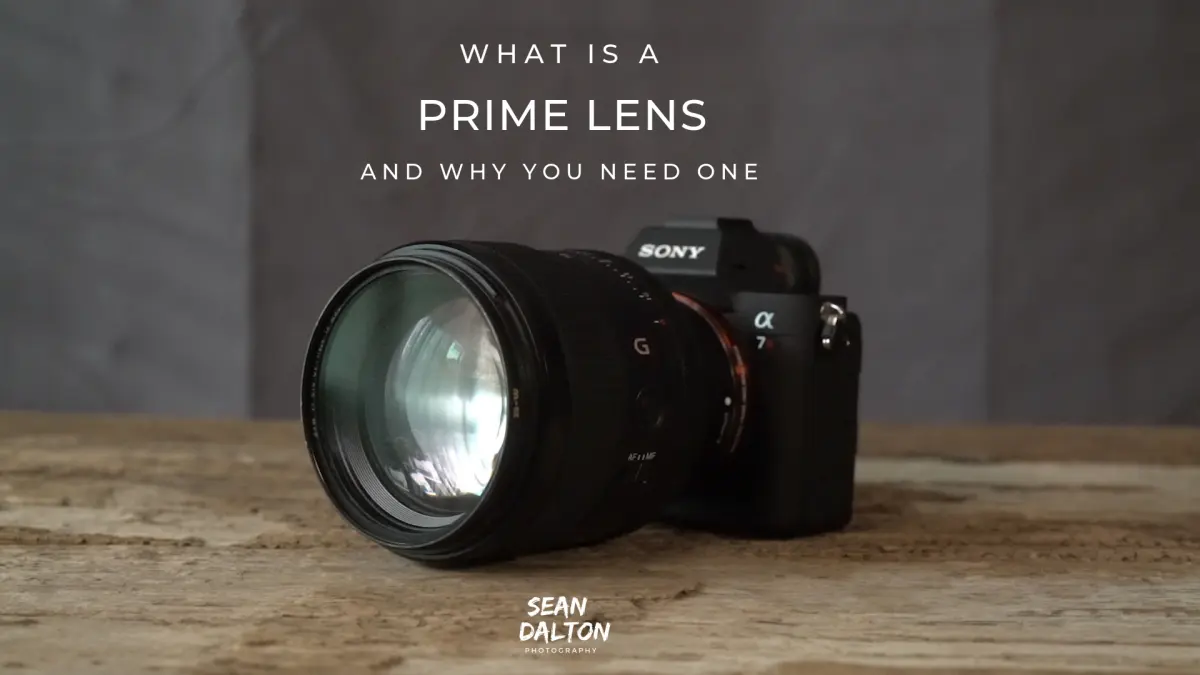
A prime lens is a photographic lens with a fixed focal length, meaning it cannot zoom in or out. Because they lack complex internal zoom mechanisms, prime lenses typically offer superior image quality, wider maximum apertures, and more compact, lightweight designs compared to variable-focal-length zoom lenses, making them ideal for specific photographic styles.
On this page
What is a prime lens?
A prime lens is defined by its single, unchangeable focal length. Unlike zoom lenses, which contain movable glass elements that adjust the magnification of the scene, a prime lens uses a static optical configuration. This simplicity allows the glass to be optimized for one specific field of view, which often results in sharper images with less distortion and chromatic aberration. Because there are fewer moving parts, these lenses are frequently more durable and easier to manufacture to high optical standards.
Photographers choose primes for their specific performance characteristics. The lack of a zoom mechanism allows for a wider maximum aperture, often denoted by a low f-number such as f/1.4 or f/1.8. This wide opening lets in significantly more light, which is essential for shooting in dimly lit environments without needing to increase the camera's sensor sensitivity. Furthermore, the wider aperture creates a shallow depth of field, producing the soft, blurred background effect known as bokeh that is highly sought after for portraiture and artistic photography.
Why use a prime lens instead of a zoom?
The primary advantage of using a prime lens is the increase in image quality and low-light performance. Because the lens is engineered for one focal length, manufacturers can correct for optical flaws more effectively than they can with a versatile zoom lens. Additionally, the wider aperture allows for faster shutter speeds, which helps freeze motion and reduces the risk of blur caused by camera shake. Many prime lenses are also physically smaller and lighter, making them easier to carry for street photography or travel.
Beyond technical specifications, using a prime lens changes the way a photographer interacts with their subject. When you cannot zoom, you must physically move your body to frame the shot. This process, often called "zooming with your feet," encourages more intentional composition and creative exploration of a scene. Many professionals find that working with a single focal length helps them develop a more consistent visual style. Common focal lengths include:
- 24mm or 28mm for wide-angle landscapes and architecture.
- 35mm or 50mm for general-purpose street and documentary photography.
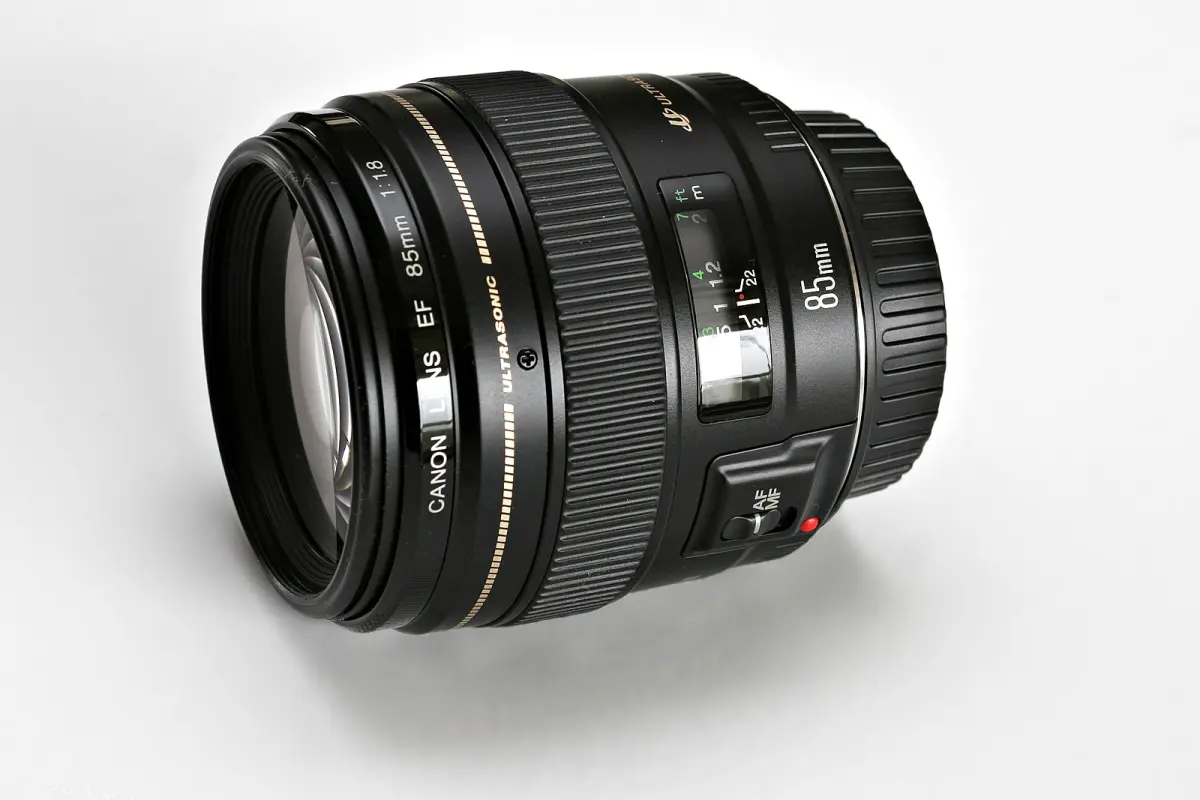
- 85mm or 105mm for flattering portraiture.
How to choose the right prime lens
Selecting the correct prime lens depends entirely on your subject matter and preferred shooting style. If you are a beginner, a 50mm lens is often recommended because its field of view is roughly similar to what the human eye perceives. This makes it a versatile tool for learning composition. If you prefer capturing expansive landscapes, a wider lens in the 20mm to 35mm range will be more effective. For those interested in isolating subjects or taking headshots, an 85mm lens provides a flattering compression of facial features.
When evaluating a new lens, consider these factors:
- Check the maximum aperture; a lower number like f/1.2 or f/1.4 provides more artistic control than an f/2.8.
- Determine if the lens is designed for a full-frame or crop-sensor camera, as this affects the effective focal length.
- Look for weather sealing if you plan to shoot outdoors in challenging conditions.
- Verify the minimum focusing distance to ensure the lens can get close enough for your specific needs.
Common mistakes when using prime lenses
A frequent mistake for beginners is failing to adjust their position relative to the subject. Because you cannot zoom, standing still often leads to uninspired, static compositions. You must be willing to walk forward, backward, or change your vertical angle to achieve the desired framing. Another error is assuming that a prime lens will automatically make your photos better without understanding how the wide aperture affects focus. At f/1.4, the area of sharp focus is extremely thin, meaning even slight movements can cause your subject's eyes to be out of focus.
To avoid these pitfalls, practice the following:
- Always check your focus point manually or confirm the camera has locked onto the subject's eyes before pressing the shutter.
- Use a tripod if you are shooting at very wide apertures to ensure the camera remains stable.
- Experiment with different distances to see how the background compression changes as you move.
- Do not be afraid to crop your images later if you cannot get physically closer to the subject during the shoot.
Best prime lenses for beginners
If you are looking to purchase your first prime lens, focus on the "nifty fifty," which is the industry nickname for the 50mm f/1.8 lens. These lenses are widely available, affordable, and offer a significant leap in image quality over the standard kit zoom lenses that come with most cameras. They are excellent for learning how to control depth of field and understanding how light interacts with your sensor. Because they are so small, they are also perfect for everyday carry, ensuring you never miss a candid moment.
For those who find 50mm too tight, a 35mm lens is an excellent alternative that provides a slightly wider perspective, making it ideal for indoor environments or tight street corners. Whatever you choose, remember that the lens is only a tool; the quality of the photograph ultimately depends on your ability to frame the world through a fixed perspective. By limiting your options, you force yourself to become a more thoughtful and deliberate photographer, which is the ultimate benefit of transitioning from a zoom lens to a prime.
Key facts
- A prime lens has a fixed focal length, meaning it cannot zoom in or out.
- Most prime lenses offer wider maximum apertures, such as f/1.4 or f/1.8, compared to zoom lenses.
- Prime lenses typically contain fewer glass elements, often resulting in sharper image quality.
- Because they lack complex zoom mechanisms, prime lenses are generally smaller, lighter, and more portable.
- Photographers often use "foot zooming," which means physically moving toward or away from a subject to frame a shot.
- Prime lenses are ideal for low-light photography because their wide apertures allow more light to reach the sensor.
The bottom line
A prime lens is a powerful tool for any photographer seeking superior image quality, portability, and low-light capability. By removing the zoom mechanism, these lenses provide sharper results and wider apertures that create beautiful background blur. While they require more physical movement to frame your shots, the trade-off is a lighter kit and a more deliberate, creative approach to capturing your subjects in any environment.
People also ask
Why would I choose a prime lens over a zoom lens?
You should choose a prime lens if you prioritize image sharpness, low-light performance, and a compact size. They also force you to be more creative with your composition by requiring you to move your body to find the perfect angle.
What is the most common prime lens for beginners?
The "nifty fifty," or a 50mm f/1.8 lens, is the most popular choice for beginners. It mimics the human field of view, is very affordable, and provides excellent background blur for portraits.
Can I use a prime lens for landscape photography?
Yes, many landscape photographers prefer wide-angle primes like a 24mm or 35mm lens. These lenses offer superior edge-to-edge sharpness and less distortion than many variable zoom lenses.
What is the biggest mistake when using a prime lens?
The most common mistake is failing to move your feet to adjust the framing. Beginners often stand still and crop the image later, which sacrifices resolution and ignores the unique perspective a prime lens offers.
Do prime lenses offer better bokeh than zoom lenses?
Generally, yes, because prime lenses have wider maximum apertures. A wider aperture creates a shallower depth of field, which results in smoother, more aesthetically pleasing background blur, or bokeh.
Are prime lenses more expensive than zoom lenses?
Not necessarily, as prices vary widely based on build quality and aperture speed. While professional-grade prime lenses can be very costly, entry-level primes are often the most affordable high-quality lenses available.
This answer was created with the help of AI research tools and reference sources. Spotted an error? Let us know — we correct mistakes quickly. See our editorial policy.