How do you take candid photos?
Short answer
Candid photography captures subjects in natural, unposed moments by prioritizing observation over direction. To succeed, use a telephoto lens to maintain distance, keep your camera ready at all times, and blend into the environment. By minimizing your physical presence and anticipating human interaction, you can document authentic emotions and genuine storytelling.
On this page
How to capture candid photos effectively
The essence of candid photography lies in patience and anticipation. Rather than asking subjects to smile, you must observe the scene until a genuine emotion or interaction unfolds. This requires a shift in mindset from director to silent observer, allowing the narrative to develop without your interference. When you stop controlling the environment, you allow authentic human behavior to take center stage.
To master this process, follow these foundational steps:
- Observe the flow of activity before raising your camera to your eye.
- Anticipate the "peak action" moment, such as a laugh, a gesture, or a shared glance.
- Keep your camera settings pre-adjusted for the lighting conditions so you do not miss the fleeting window of opportunity.
- Shoot in bursts to ensure you capture the precise millisecond of a genuine expression.
- Review your images afterward to identify which interactions felt most natural and why they succeeded.
Best camera settings for candid photography
Technical preparation is vital because candid moments rarely repeat themselves. Using a fast shutter speed is the most important factor, as it freezes motion and prevents blur during spontaneous movements. Aim for a shutter speed of at least 1/250th of a second, or faster if the subjects are moving quickly. This ensures that even if your subject turns their head or laughs suddenly, the image remains sharp and clear.
For aperture and ISO, prioritize depth of field and light sensitivity. A wide aperture, such as f/2.8, helps isolate the subject from a busy background, creating a professional look that draws the viewer’s eye directly to the emotion. If you are shooting indoors or in low light, increase your ISO to maintain that fast shutter speed. Many modern cameras handle higher ISO settings well, so do not fear a bit of digital grain if it means capturing a once-in-a-lifetime expression.
How to stay invisible while shooting
The primary obstacle to candid photography is the "camera effect," where subjects change their behavior the moment they notice a lens pointed at them. To remain invisible, avoid making direct eye contact or calling out to your subjects. Wear neutral clothing that blends into the background of your environment, and avoid using a loud shutter sound if your camera offers a silent electronic mode.
Positioning is equally important for maintaining a low profile. Use these techniques to stay out of sight:
- Position yourself on the periphery of a group rather than in the center.
- Use a telephoto lens, such as an 85mm or 70-200mm, to photograph from a distance.
- Shoot from the hip or use a tilting LCD screen to compose shots without holding the camera to your face.
- Wait for the subjects to become comfortable with your presence until you eventually become part of the background furniture.
Why candid photos look more authentic
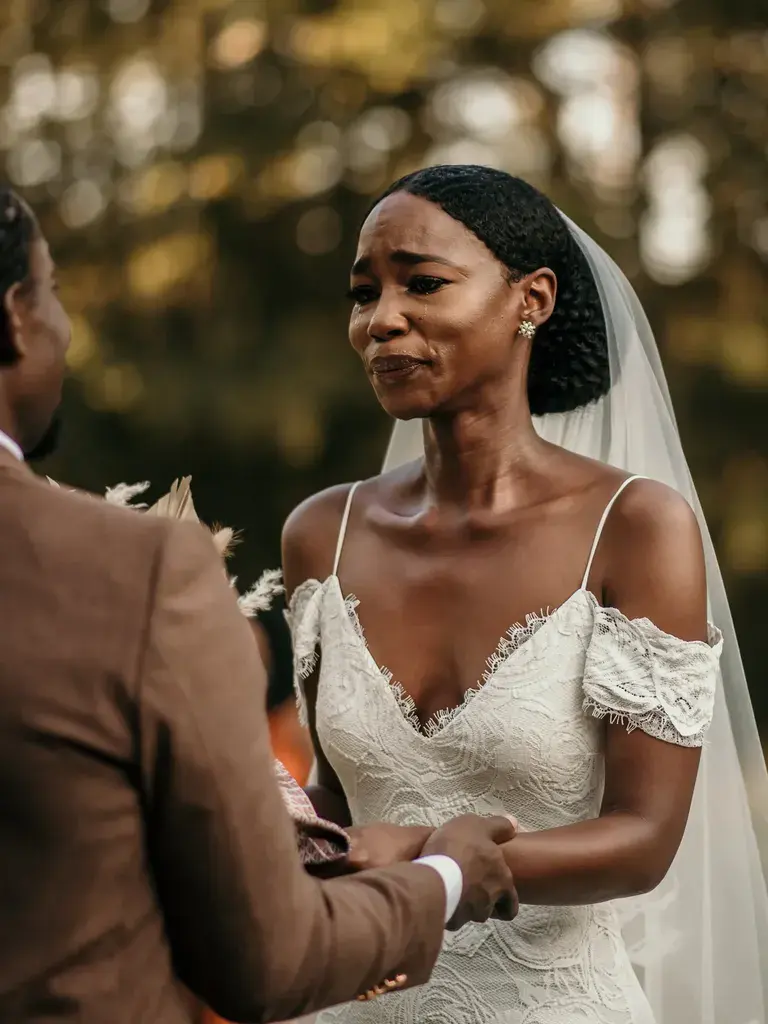
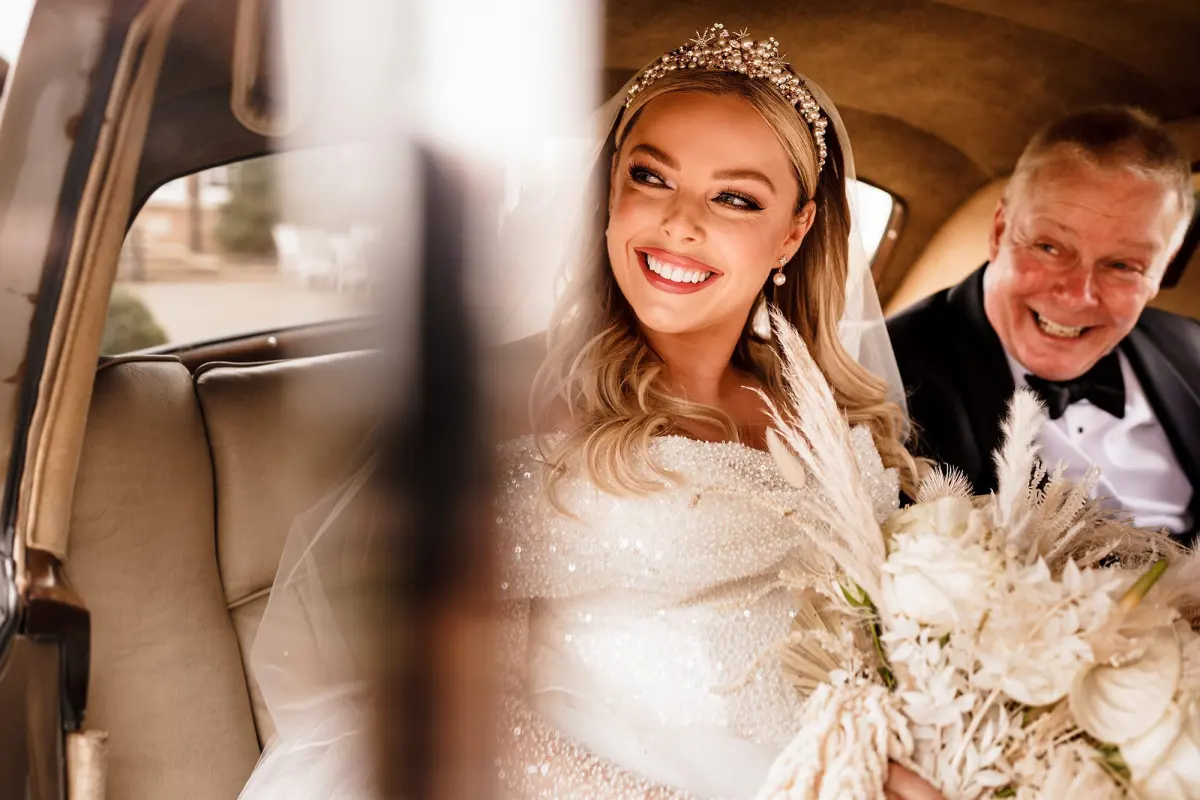
Candid photography succeeds because it captures the "in-between" moments that formal portraiture often misses. When people are posed, they tend to adopt a rigid posture or a forced smile that does not reflect their true personality. In contrast, a candid shot captures the subtle micro-expressions—the crinkle of the eyes during a genuine laugh or the quiet intensity of deep concentration—that tell a much deeper story about the subject.
These images hold greater emotional weight because they serve as an honest historical record. They document the reality of a moment rather than a curated version of it, making them more relatable to viewers. By focusing on the candid, you are preserving the truth of the human experience. This authenticity is why candid photos often become the most cherished images in a collection, as they evoke the exact feeling of the day they were taken.
Common mistakes when taking candid photos
One of the most frequent errors is over-editing or heavy-handed cropping. While you may want to fix lighting, avoid altering the composition so much that the context of the scene is lost. Another mistake is failing to focus on the eyes; even in a candid shot, the eyes must be sharp for the image to have impact. If the focus is on a hand or a shoulder, the emotional connection to the subject is significantly weakened.
Avoid these common pitfalls to improve your results:
- Stopping the action: Do not interrupt a conversation to ask for a better angle.
- Ignoring the background: A cluttered or distracting background can ruin an otherwise perfect candid moment.
- Using a flash: Artificial light is a dead giveaway that you are taking a photo and will almost always break the candid spell.
- Being too timid: If you are too far away, you lose the intimacy; find the balance between distance and engagement.
- Over-thinking the shot: Trust your instincts and keep moving, as hesitation often results in missing the most compelling narrative elements of the scene.
Key facts
- Use a telephoto lens, typically between 85mm and 200mm, to capture subjects from a distance without intruding on their personal space.
- Set your camera to shutter priority mode or manual mode with a shutter speed of at least 1/250th of a second to prevent motion blur.
- Utilize "burst mode" or continuous shooting to capture multiple frames in a second, increasing the likelihood of catching a natural expression.
- Avoid making direct eye contact or directing your subject, as this immediately shifts the interaction from candid to posed.
- Keep your camera settings pre-adjusted for the lighting environment so you are ready to shoot instantly when a moment occurs.
- Look for "the decisive moment," a concept coined by photographer Henri Cartier-Bresson, which involves timing your shot to capture the peak of an action.
The bottom line
Capturing authentic candid photography requires a combination of technical preparation, patience, and social awareness. By using longer lenses and maintaining a discreet presence, you can document genuine human interactions without altering the scene. Focus on anticipating movement and timing your shutter release to capture fleeting expressions. Ultimately, successful candid photography relies on your ability to blend into the environment while remaining ready to act instantly.
People also ask
What is the best camera setting for candid street photography?
Aperture priority mode with a wide aperture, such as f/2.8 or f/4, is ideal for isolating subjects from a busy background. Pair this with a high ISO if shooting in low light to maintain a fast shutter speed.
How can I photograph people without them feeling uncomfortable?
Keep your camera low or hold it at waist level to appear less intimidating than holding it directly to your eye. If someone notices you, offer a polite smile or a nod to acknowledge them before moving on.
Should I use a flash for candid shots?
Avoid using a direct flash, as it is intrusive and alerts subjects that they are being photographed. If lighting is poor, rely on fast lenses or high-ISO capabilities instead.
How do I handle composition when I cannot control the scene?
Focus on the rule of thirds and look for interesting leading lines or frames within the environment. Since you cannot move the subject, move your own body to find the most balanced angle.
Is it better to shoot from the hip or through the viewfinder?
Shooting from the hip allows for more stealth, but using the viewfinder provides better framing and focus accuracy. Practice both techniques to determine which suits your comfort level and camera gear.
How do I deal with subjects who ask me to delete the photo?
Always respect the subject's request and delete the image immediately if asked. Building a reputation as a respectful photographer is more important than keeping a single candid shot.
This answer was created with the help of AI research tools and reference sources. Spotted an error? Let us know — we correct mistakes quickly. See our editorial policy.