What is a crop sensor?
Short answer
A crop sensor is a digital camera image sensor smaller than the traditional 35mm film frame, which was the standard for decades. Because these sensors are physically smaller, they capture a narrower field of view, effectively "cropping" the outer edges of an image compared to a full-frame sensor using the same lens.
On this page
What is a crop sensor camera
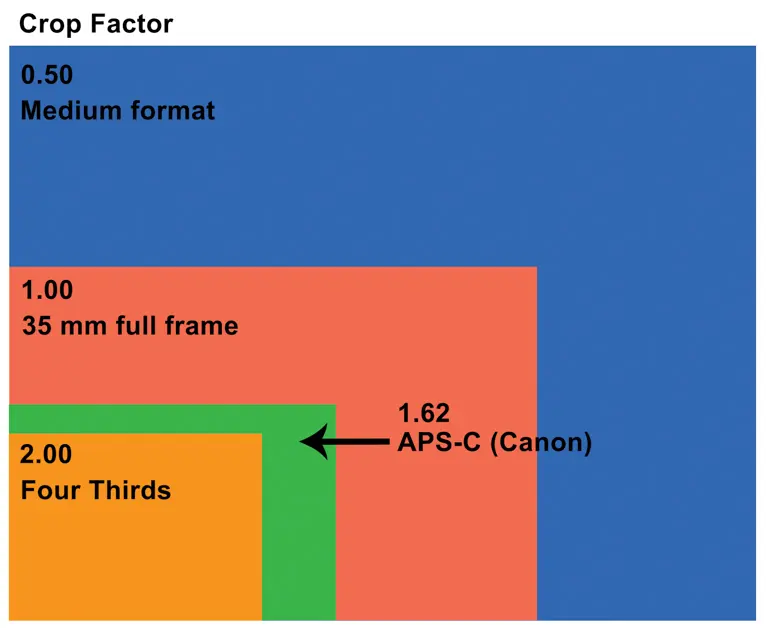
A crop sensor, often referred to as APS-C (Advanced Photo System type-C), is a staple in the digital photography market. While full-frame sensors measure roughly 36mm by 24mm, crop sensors are typically smaller, usually around 23.6mm by 15.6mm. This size difference is the primary factor that distinguishes entry-level and mid-range mirrorless or DSLR cameras from high-end professional equipment.
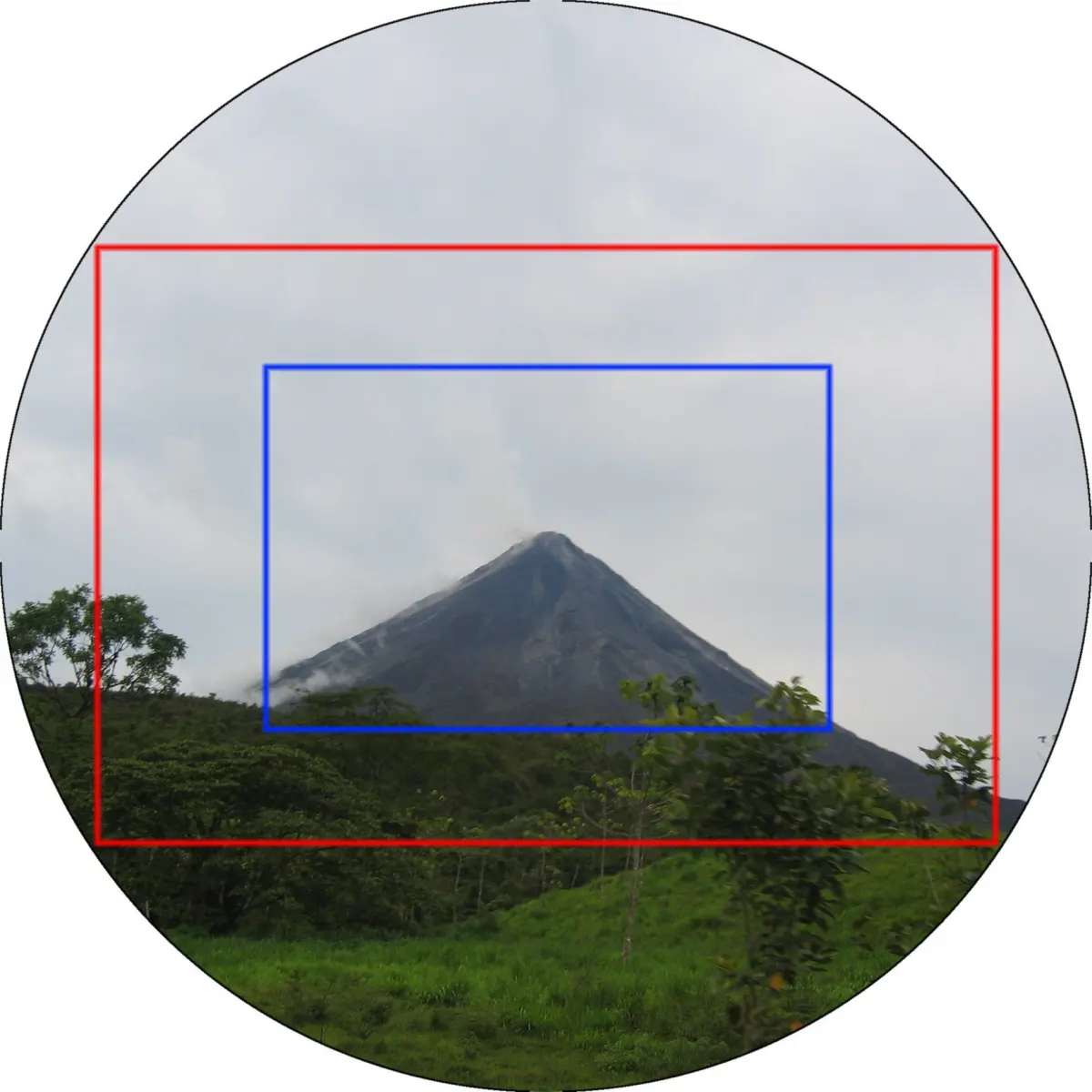
The physical size of the sensor dictates how much light hits the pixels and how wide the frame appears. Because the sensor is smaller, it only utilizes the center portion of the light projected by the lens. This results in a magnification effect, which is why a 50mm lens on a crop sensor camera behaves like a 75mm or 80mm lens on a full-frame camera.
How to calculate crop factor
The crop factor is a numerical multiplier used to determine the "equivalent" focal length of a lens when used on a smaller sensor. For most Canon APS-C cameras, the crop factor is 1.6x, while Nikon, Sony, and Fujifilm sensors typically use a 1.5x factor. If you attach a 100mm lens to a camera with a 1.5x crop factor, the resulting image will have the same field of view as a 150mm lens on a full-frame body.
To calculate the effective focal length, use this simple process:
- Identify the focal length printed on your lens barrel (e.g., 50mm).
- Look up the specific crop factor for your camera model (e.g., 1.5x).
- Multiply the focal length by the crop factor (50mm x 1.5 = 75mm).
- Use this result to understand how much "zoom" or reach you have compared to a standard 35mm reference point.
Why choose a crop sensor over full-frame
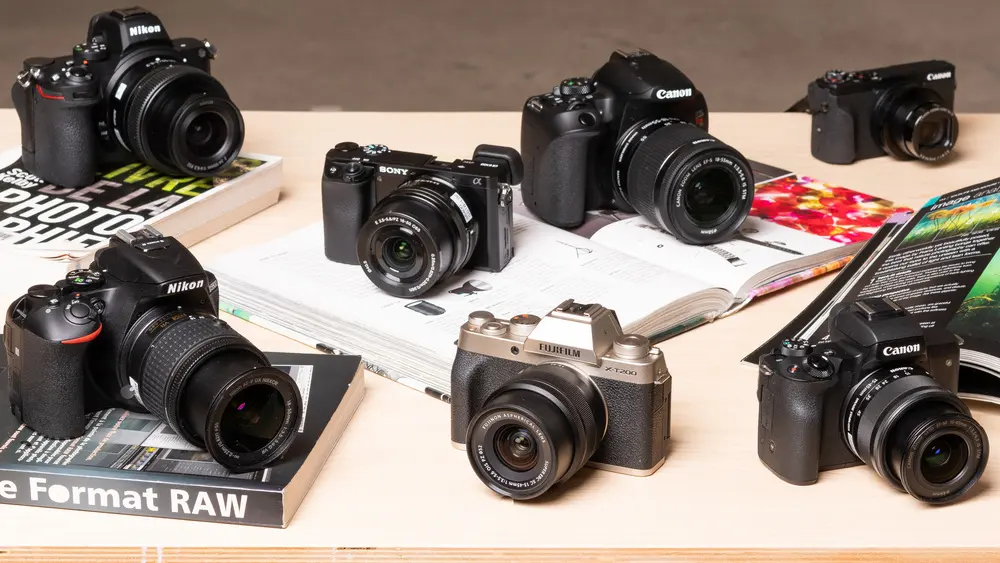
Crop sensor cameras offer distinct advantages, particularly regarding portability and cost. Because the sensors are smaller, the camera bodies and compatible lenses can be manufactured to be much more compact and lightweight. This makes them ideal for travel, street photography, and hiking, where carrying heavy gear becomes a significant burden over long periods.
Furthermore, the "reach" provided by the crop factor is a massive benefit for wildlife and sports photographers. By effectively increasing the focal length of a telephoto lens without adding extra weight or cost, photographers can get closer to distant subjects.
- Lower entry price points for high-quality interchangeable lens systems.
- Significantly lighter gear for long-duration shooting sessions.
- Enhanced effective zoom for telephoto lenses used in nature photography.
- Greater depth of field at the same aperture compared to full-frame.
Common mistakes when using crop sensors
One frequent error is failing to account for the crop factor when buying wide-angle lenses. If a photographer wants a true wide-angle view for landscape photography, they might buy a 16mm lens, forgetting that it will act like a 24mm lens on their crop sensor. This often leads to frustration when the user cannot fit the entire scene into the frame as expected.
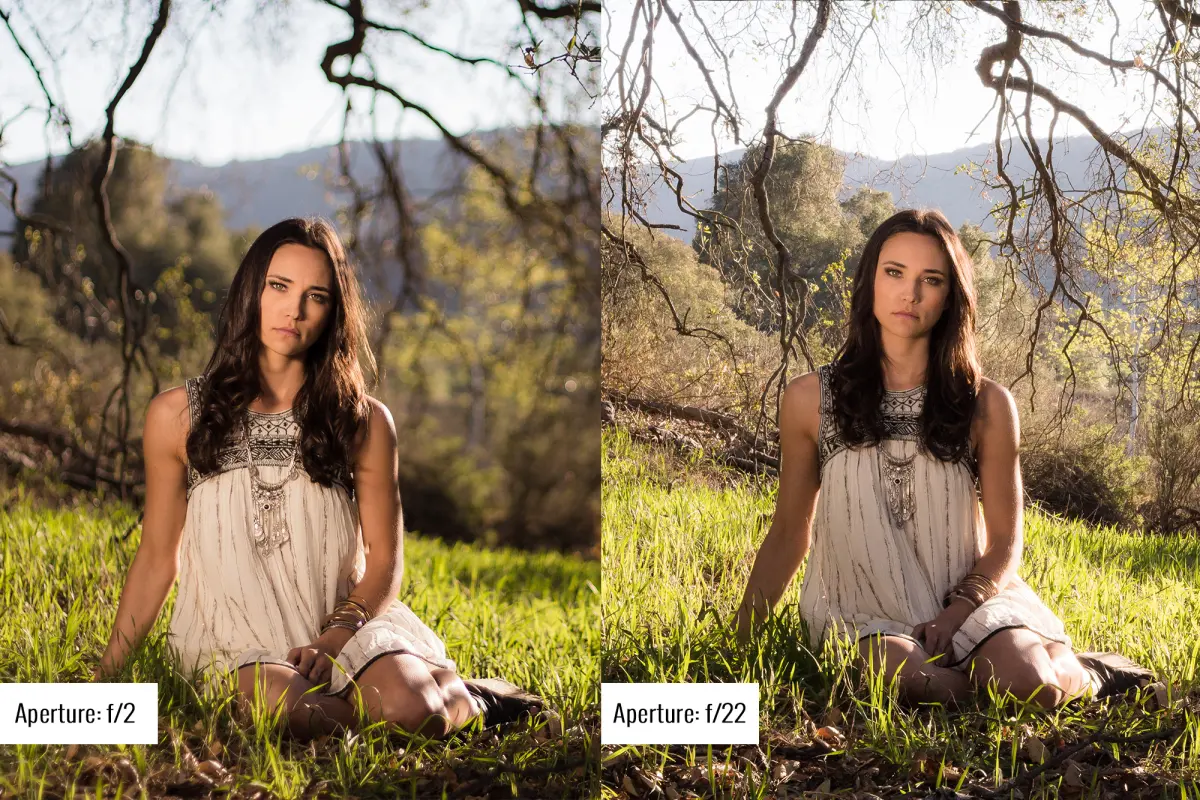
Another mistake involves misunderstanding how depth of field works across different sensor sizes. Beginners often expect the same blurry background effect (bokeh) from a crop sensor that they see in professional full-frame portraits. To achieve similar results, you must use wider apertures or get physically closer to the subject.
- Assuming a lens will look the same on a crop sensor as it does on a full-frame camera.
- Ignoring the crop factor when calculating the field of view for architectural shots.
- Overestimating the low-light performance, as smaller sensors generally have smaller pixels that struggle more with high ISO noise.
- Using full-frame lenses without realizing they are heavier and more expensive than necessary for the sensor size.
Best practices for crop sensor photography
To get the most out of a crop sensor, you should invest in lenses specifically designed for that format, often labeled as DX, EF-S, or E-mount. These lenses are optimized for the smaller image circle, which usually results in better sharpness and lower weight. Using these lenses ensures you are not paying for glass coverage that your sensor is not actually recording.
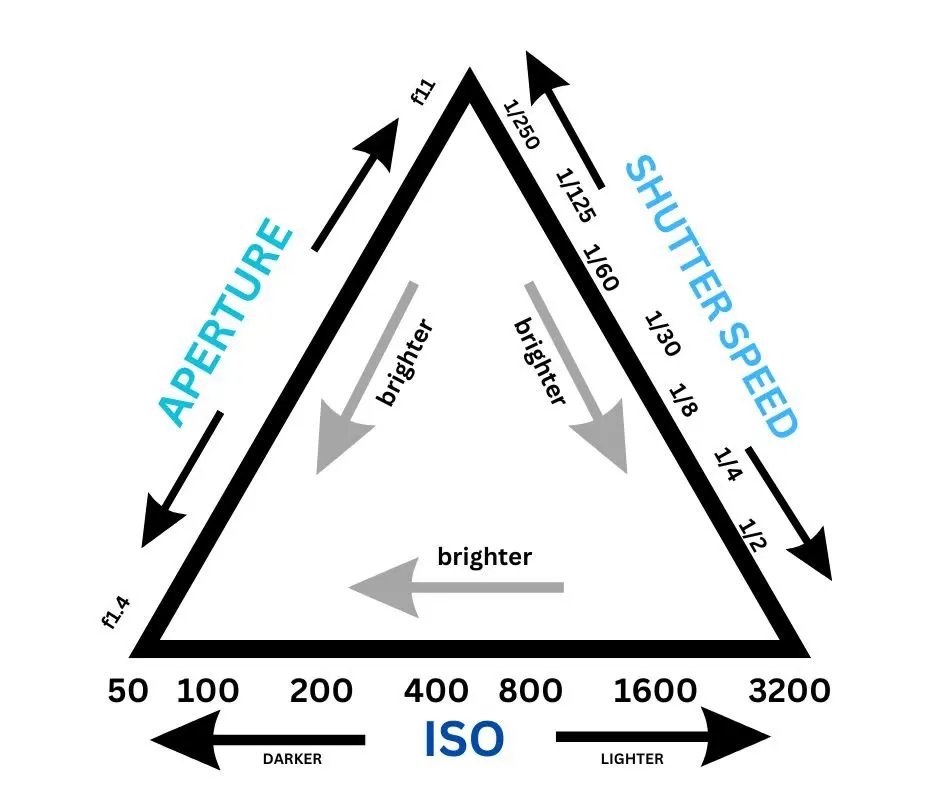
Additionally, pay close attention to your ISO settings. Because crop sensors have less surface area, they are generally less capable of handling high ISO settings without introducing digital noise. Stick to the lowest ISO possible and use a tripod or a faster prime lens to maintain image quality in dim lighting. By mastering these technical nuances, you can produce professional-grade images that rival those captured on much more expensive, larger-format systems.
Key facts
- A crop sensor is a digital camera image sensor smaller than the traditional 35mm film frame, known as full-frame.
- The most common crop sensor size is APS-C, which measures approximately 22.2mm x 14.8mm.
- Crop sensors apply a "crop factor," typically 1.5x or 1.6x, which effectively magnifies the focal length of any lens attached to them.
- Because they are smaller, crop sensor cameras are generally more compact, lighter, and affordable than full-frame alternatives.
- These sensors are ideal for wildlife and sports photography because the crop factor provides extra "reach" for telephoto lenses.
- A common mistake is assuming a crop sensor lens will work on a full-frame camera; it often causes dark circular vignetting around the image.
The bottom line
A crop sensor is a versatile, cost-effective tool that offers significant advantages for photographers who prioritize portability and telephoto reach. While they differ from full-frame sensors in size and low-light performance, they remain the industry standard for entry-level and enthusiast cameras. By understanding the crop factor, you can select the right lenses to maximize your camera's potential and achieve professional results across various photography genres.
People also ask
Does a crop sensor affect image quality?
Generally, crop sensors have smaller pixels than full-frame sensors, which can result in more digital noise in low-light conditions. However, modern sensor technology has narrowed this gap significantly, making them excellent for most daylight and studio photography.
How do I calculate the effective focal length on a crop sensor?
Multiply the lens's focal length by the camera's specific crop factor, such as 1.5x for Nikon or 1.6x for Canon. For example, a 50mm lens on a 1.5x crop sensor behaves like a 75mm lens.
Can I use full-frame lenses on a crop sensor body?
Yes, you can mount full-frame lenses on crop sensor cameras without any issues. The camera simply uses the center portion of the lens's image circle, effectively cropping the field of view.
Why are crop sensor cameras often cheaper?
Manufacturing smaller silicon sensors is less expensive than producing larger full-frame chips, which require more precise engineering. This cost saving is passed to the consumer, making these cameras more accessible for hobbyists.
Is a crop sensor better for beginners?
Many experts recommend crop sensors for beginners because they are lightweight and provide a more intuitive learning curve. They allow users to invest more of their budget into high-quality lenses rather than just the camera body.
What is the main disadvantage of a crop sensor?
The primary drawback is a wider field of view limitation, making it harder to capture ultra-wide-angle shots. You will need a very short focal length lens to replicate the wide perspective of a full-frame setup.
This answer was created with the help of AI research tools and reference sources. Spotted an error? Let us know — we correct mistakes quickly. See our editorial policy.