What is a full-frame camera?
Short answer
A full-frame camera uses an image sensor measuring 36mm by 24mm, matching the dimensions of traditional 35mm film. This larger surface area captures more light and detail than smaller sensors, such as APS-C or Micro Four Thirds, resulting in superior image quality, improved low-light performance, and a shallower depth of field.
On this page
What defines a full-frame sensor
The term "full-frame" refers to the physical size of the digital sensor inside a camera. Historically, 35mm film was the standard for photography, and a full-frame sensor replicates those exact dimensions. Because the sensor is physically larger, it contains larger individual pixels, or photosites, which are more efficient at gathering light. This design choice is fundamental to professional photography, as it allows for a wider dynamic range and more accurate color reproduction compared to smaller crop-sensor cameras.
When choosing a camera, it is helpful to understand how sensor size impacts your workflow. The full-frame format is considered the industry standard for high-end commercial, landscape, and portrait photography. While smaller sensors have their place in portable or budget-friendly equipment, the full-frame sensor remains the benchmark for those seeking the highest possible resolution and cleanest image output.
Why use a full-frame camera
The primary advantage of a full-frame camera is its ability to handle challenging lighting conditions. Because the sensor is larger, it can process more data without introducing the digital "noise" or graininess often seen in smaller sensors when shooting in dark environments. This makes full-frame cameras the preferred choice for wedding photographers, concert shooters, and those working in dimly lit indoor settings.
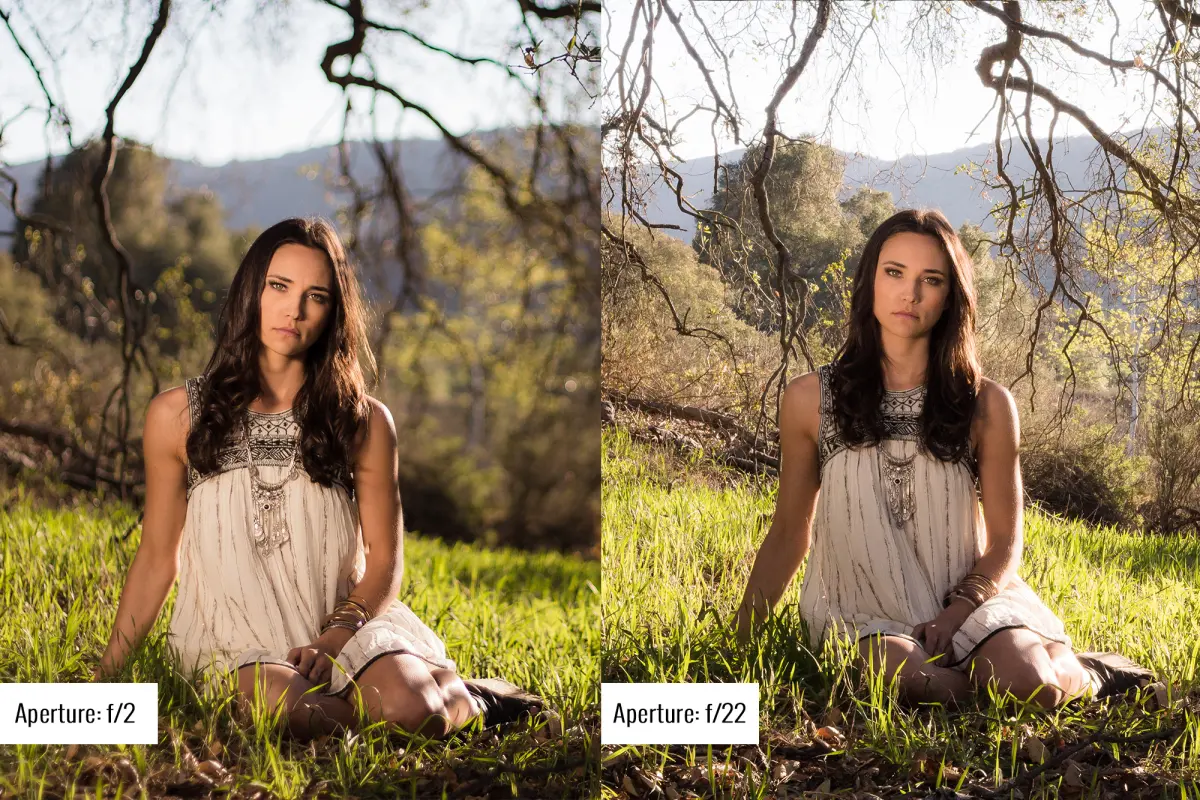
Beyond light sensitivity, these cameras offer a distinct aesthetic advantage known as a shallow depth of field. This refers to the ability to keep a subject in sharp focus while creating a soft, blurred background, often called "bokeh." Achieving this professional look is significantly easier with a full-frame sensor because of the way the larger imaging area interacts with lens optics.
- Better low-light performance with less digital noise.
- Superior dynamic range for recovering details in shadows and highlights.
- Enhanced subject separation through a shallower depth of field.
- Greater compatibility with high-end, professional-grade lenses.
How to choose the right full-frame system
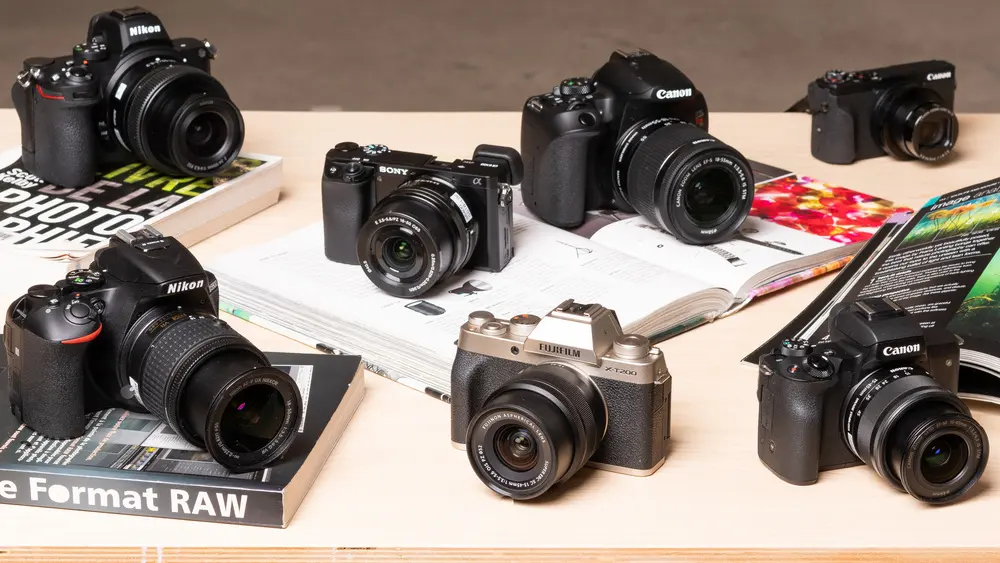
Selecting a full-frame camera requires evaluating your specific needs, as these systems are generally heavier and more expensive than their counterparts. You must consider the ecosystem of lenses available for the camera mount, as the lens is just as important as the sensor. Many manufacturers now offer mirrorless full-frame systems, which are more compact than traditional digital single-lens reflex (DSLR) models.
When evaluating your options, follow these steps to ensure you make an informed investment:
- Determine your primary subject matter, such as portraits, sports, or landscapes.
- Research the lens selection for the specific camera mount to ensure it fits your budget.
- Compare the weight and ergonomics of the camera body to ensure it is comfortable for long shooting sessions.
- Check the resolution requirements for your output, as some models prioritize speed while others prioritize megapixels.
Common mistakes when buying full-frame gear
A frequent error for beginners is assuming that a full-frame camera will automatically make their photos look better. While the sensor is a powerful tool, it does not replace technical knowledge regarding exposure, composition, and lighting. Buying a high-end full-frame body while neglecting the quality of the lens is a common mistake; a cheap lens on a premium sensor will often yield disappointing results.
Another mistake is failing to account for the increased size and weight of the equipment. Full-frame lenses are physically larger to cover the entire sensor area, which can make a camera kit cumbersome for travel or hiking. Before purchasing, visit a store to handle the equipment in person to ensure the weight is manageable for your intended use. Always remember that the best camera is the one you are actually willing to carry with you.
How to maintain your full-frame camera
Because the sensor in a full-frame camera is large and exposed when you change lenses, it is highly susceptible to dust and debris. A single speck of dust on the sensor can appear as a dark spot on every image you take, particularly when shooting at small apertures. Regular maintenance is essential to keep your equipment functioning at its peak performance level.
To keep your sensor clean and your camera in good condition, follow these maintenance practices:
- Always turn off the camera before changing lenses to prevent static electricity from attracting dust.
- Point the camera body downward when changing lenses to prevent debris from falling onto the sensor.
- Use a dedicated rocket blower to remove loose dust before attempting any contact cleaning.
- Store your equipment in a dry, dust-free environment, preferably with silica gel packets to prevent moisture buildup.
- If necessary, use professional-grade sensor cleaning swabs, but only after reading the manufacturer's specific instructions for your model.
By following these guidelines, you ensure that your investment remains a reliable tool for years to come, allowing you to capture high-quality images consistently.
Key facts
- A full-frame sensor measures 36mm by 24mm, matching the dimensions of traditional 35mm film.
- Larger sensors capture more light, resulting in superior performance in low-light environments compared to smaller sensors.
- Full-frame cameras provide a shallower depth of field, making it easier to blur backgrounds for professional-looking portraits.
- Lenses designed for full-frame cameras are typically larger, heavier, and more expensive than those for crop-sensor models.
- Avoid using "APS-C" or crop-sensor lenses on a full-frame camera, as they will often cause dark corners or "vignetting" in your images.
- When buying, verify if your camera body is "mirrorless" or "DSLR," as these systems require different lens mounts even within the same brand.
The bottom line
A full-frame camera uses a sensor equivalent to the size of classic 35mm film, offering exceptional light sensitivity and depth control. While these cameras represent the gold standard for landscape, portrait, and low-light photography, they demand a higher investment in both body and glass. Choose this format if you prioritize maximum image quality and creative control over the portability and budget-friendly nature of smaller sensor systems.
People also ask
Is a full-frame camera always better than a crop-sensor camera?
Not necessarily, as crop-sensor cameras are often smaller, lighter, and more affordable. They also provide extra "reach" for wildlife photography because the sensor crops the center of the lens image.
Do full-frame cameras have higher megapixels?
Megapixel count is independent of sensor size, as both full-frame and smaller sensors can have varying resolutions. However, full-frame sensors generally have larger individual pixels, which improves overall image quality and dynamic range.
Can I use my old film lenses on a modern full-frame digital camera?
Yes, many vintage 35mm film lenses can be adapted to modern mirrorless full-frame cameras. You will likely need a mechanical adapter, and you will have to use manual focus and manual exposure settings.
Why are full-frame cameras more expensive?
The manufacturing process for a 36mm by 24mm silicon sensor is significantly more costly than producing smaller chips. Additionally, the camera bodies and compatible lenses require high-grade materials and complex optical engineering.
What is the "crop factor" when comparing sensors?
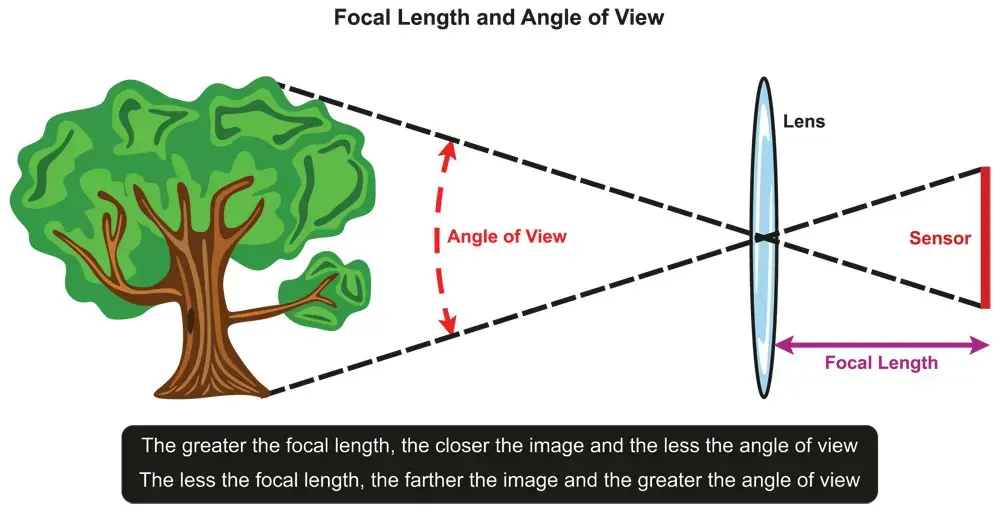
Crop factor describes the difference in field of view between a sensor and a 35mm frame. For example, an APS-C sensor has a 1.5x crop factor, meaning a 50mm lens will look like a 75mm lens on that camera.
Do I need a full-frame camera to become a professional photographer?
Professional work depends more on lighting, composition, and skill than on sensor size. While many professionals prefer full-frame for its versatility, high-quality images can be produced on virtually any modern camera system.
This answer was created with the help of AI research tools and reference sources. Spotted an error? Let us know — we correct mistakes quickly. See our editorial policy.