What is a good camera for beginners?
Short answer
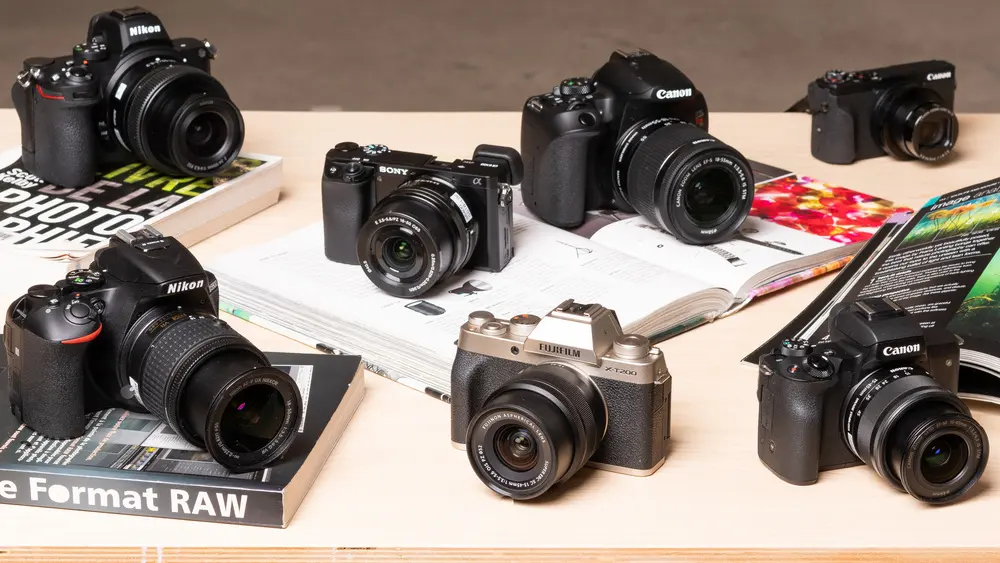
The best cameras for beginners are mirrorless models like the Sony Alpha a6400 or the Canon EOS R50. These cameras offer interchangeable lenses, high-quality sensors, and intuitive interfaces that help you learn photography fundamentals. They provide a significant upgrade over smartphone cameras while remaining portable and user-friendly for those starting their creative journey.
On this page
Which features matter for beginners
When shopping for your first camera, prioritize ergonomics and ease of use over complex technical specifications. A camera that feels comfortable in your hands is more likely to be used frequently, which is essential for developing your skills. Look for models that feature a deep grip and a logical button layout, allowing you to change settings like aperture and shutter speed without diving through endless digital menus.
Sensor size is another critical factor that dictates image quality, especially in low-light conditions. Most entry-level mirrorless cameras use APS-C sensors, which offer a perfect balance between physical size and professional-grade performance. Avoid getting bogged down by high megapixel counts, as anything above 20 megapixels is more than sufficient for high-quality prints and social media. Instead, focus on these essential hardware features:
- A responsive autofocus system that tracks moving subjects accurately.
- An electronic viewfinder to help you compose shots in bright sunlight.
- A hot shoe mount for attaching external flashes or microphones later.
- A flip-out touchscreen for capturing creative angles and vlogging.
How to choose between mirrorless and DSLR
The photography industry has largely shifted toward mirrorless technology, making it the preferred choice for new photographers today. Unlike older DSLR cameras that use a complex mirror and prism system, mirrorless cameras are more compact and provide a live preview of your exposure. This means you can see exactly how your image will look before you press the shutter button, which is an invaluable learning tool for beginners.
While DSLRs like the Nikon D3500 are still capable tools, they are becoming legacy technology with fewer new lenses being developed for them. Mirrorless systems, such as the Sony E-mount or Canon RF-mount, represent the future of the industry and offer better compatibility with modern software features. Consider these advantages of choosing a mirrorless system:
- Smaller and lighter bodies that are easier to carry on trips.
- Silent shooting modes that are perfect for candid or quiet environments.
- Enhanced video capabilities for those interested in hybrid content creation.
- Future-proof lens ecosystems that will grow alongside your developing skills.
Best entry-level camera brands
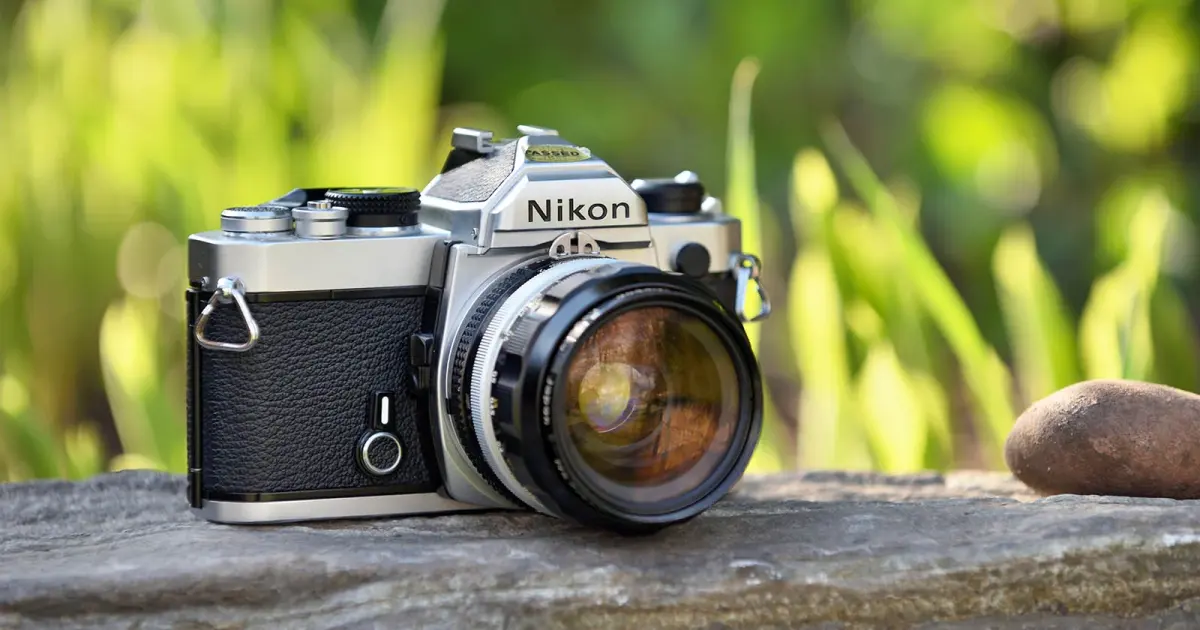
Choosing a brand is often about choosing a lens ecosystem, as you will likely invest in more glass as you progress. Sony, Canon, and Fujifilm are currently the top contenders for beginners due to their extensive selection of affordable lenses and intuitive software. Sony is widely praised for its industry-leading autofocus performance, while Canon is often cited for its superior color science and user-friendly menu systems.
Fujifilm offers a unique experience with its tactile, dial-based controls that encourage a deeper understanding of exposure settings. If you prefer a vintage aesthetic and hands-on control, Fujifilm is an excellent choice. Regardless of the brand, ensure that you visit a local camera shop to hold the devices in person. The "feel" of a camera is subjective, and the best camera is ultimately the one you enjoy picking up every single day.
Common mistakes when buying cameras
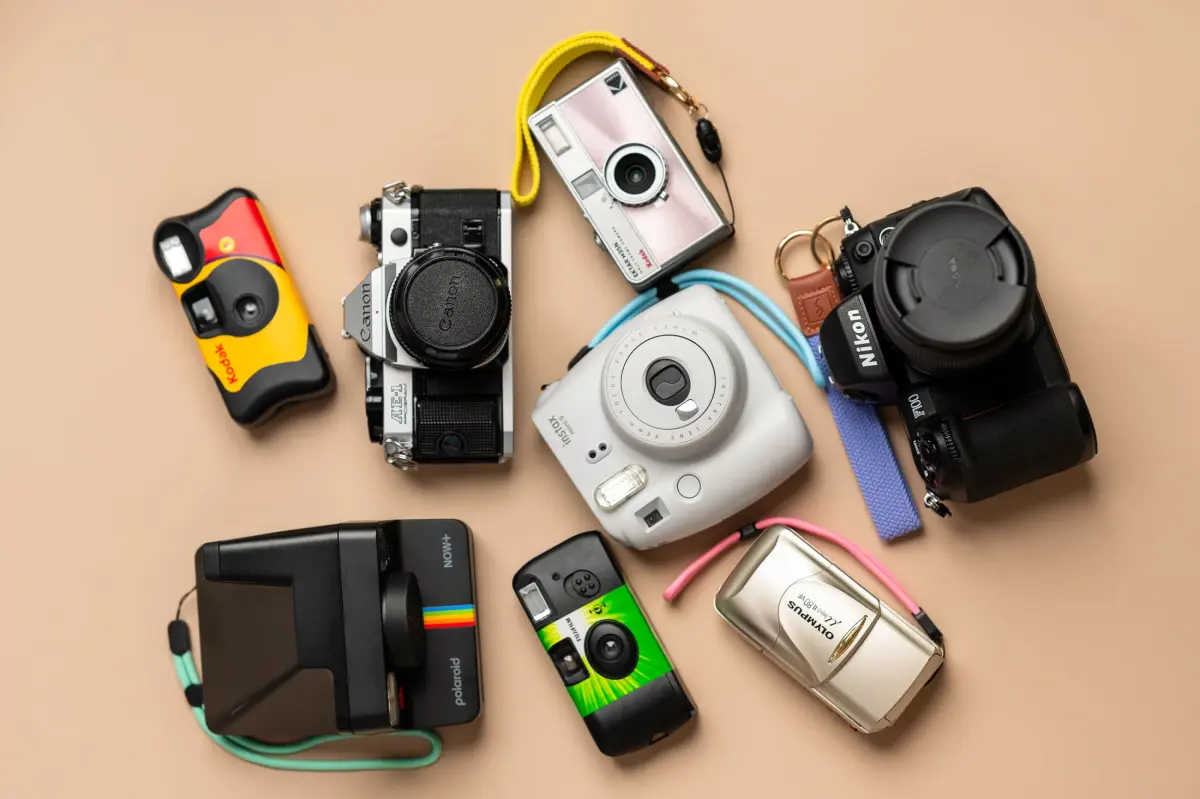
A frequent error is spending your entire budget on a high-end camera body while neglecting the importance of lenses. A mid-range camera paired with a high-quality "prime" lens will consistently outperform a top-tier camera body paired with a cheap, low-quality kit lens. Always set aside a portion of your budget for a 35mm or 50mm prime lens, as these lenses offer superior clarity and a wider aperture for beautiful background blur.
Another mistake is assuming that a more expensive camera will automatically take better photos. Photography is a skill-based craft that requires an understanding of light, composition, and timing. Avoid the trap of "gear acquisition syndrome," where you constantly upgrade equipment instead of practicing your technique. Focus on mastering these basics before investing in expensive accessories:
- Understand the exposure triangle: ISO, aperture, and shutter speed.
- Learn to shoot in manual mode to gain full control over your images.
- Practice consistent framing and the rule of thirds in every shot.
- Invest in a reliable memory card and a comfortable neck or wrist strap.
How to learn photography quickly
The fastest way to improve is to treat photography as a daily practice rather than an occasional hobby. Start by challenging yourself to take one intentional photo every day for a month, focusing on a specific theme like architecture, portraits, or street life. This repetition builds muscle memory and helps you recognize how different lighting conditions affect the mood and clarity of your subjects.
Complement your practical shooting with critical analysis of your own work. After a session, review your photos on a computer screen to identify what worked and what didn't. Look for technical errors like motion blur or missed focus, and adjust your settings accordingly for the next outing. By combining consistent practice with intentional review, you will move past the beginner stage and develop a unique photographic style that reflects your personal vision of the world.
Key facts
- Choose a camera with a sensor size of at least APS-C to ensure better image quality than a smartphone.
- Look for a model with an interchangeable lens mount to allow for future growth and creative versatility.
- Prioritize cameras with a "Manual" mode, which is essential for learning how aperture, shutter speed, and ISO interact.
- Mirrorless cameras are generally lighter and more compact than traditional DSLRs, making them ideal for travel and daily use.
- Always budget for a dedicated camera bag, a spare battery, and a high-speed SD memory card alongside the camera body.
- Practice the "rule of thirds" by using the grid overlay feature found in most modern camera viewfinders.
The bottom line
Selecting your first camera is less about finding the perfect device and more about choosing a system that encourages you to practice daily. Focus on mirrorless models from reputable brands like Canon, Sony, or Nikon that offer tactile manual controls. By prioritizing a camera that feels comfortable in your hands, you ensure that you will carry it often and develop the technical skills necessary for lasting photographic growth.
People also ask
Should I buy a DSLR or a mirrorless camera?
Mirrorless cameras are the current industry standard, offering lighter bodies and advanced electronic viewfinders that show exposure changes in real-time. DSLRs are often cheaper on the used market and have longer battery life, but they are becoming increasingly rare as manufacturers shift focus.
How many megapixels do I actually need?
For most beginners, 20 to 24 megapixels is the "sweet spot" that provides plenty of detail for prints and social media without creating massive files. Higher megapixel counts are generally reserved for professional studio work or large-scale landscape printing.
Is it better to buy a camera kit or just the body?
A kit lens is an affordable way to get started and covers a versatile focal length range, typically 18-55mm. Buying just the body is better if you have a specific artistic goal, such as portraiture, and want to invest immediately in a high-quality prime lens.
What is the most important setting for a beginner to learn?
Understanding the exposure triangle—the relationship between aperture, shutter speed, and ISO—is the most critical skill. Mastering these three elements allows you to control how much light enters the camera and how motion or depth of field appears in your photos.
Do I need to learn how to edit my photos?
Learning basic post-processing software is essential for bringing out the full potential of your images. While the camera captures the data, editing allows you to correct lighting mistakes and apply a consistent personal style to your work.
What is a common mistake beginners make when buying their first camera?
Many beginners spend their entire budget on the camera body and neglect to purchase a decent lens. A high-quality lens will have a much larger impact on your image sharpness and overall look than the specific model of the camera body.
This answer was created with the help of AI research tools and reference sources. Spotted an error? Let us know — we correct mistakes quickly. See our editorial policy.