What is backlighting?
Short answer
Backlighting is a lighting technique where the primary light source is positioned behind the subject, facing the camera. This creates a silhouette or a glowing rim effect around the edges of the subject. It is widely used in photography, cinematography, and electronic display technology to add depth, dimension, and visual separation.
On this page
How does backlighting work in photography?
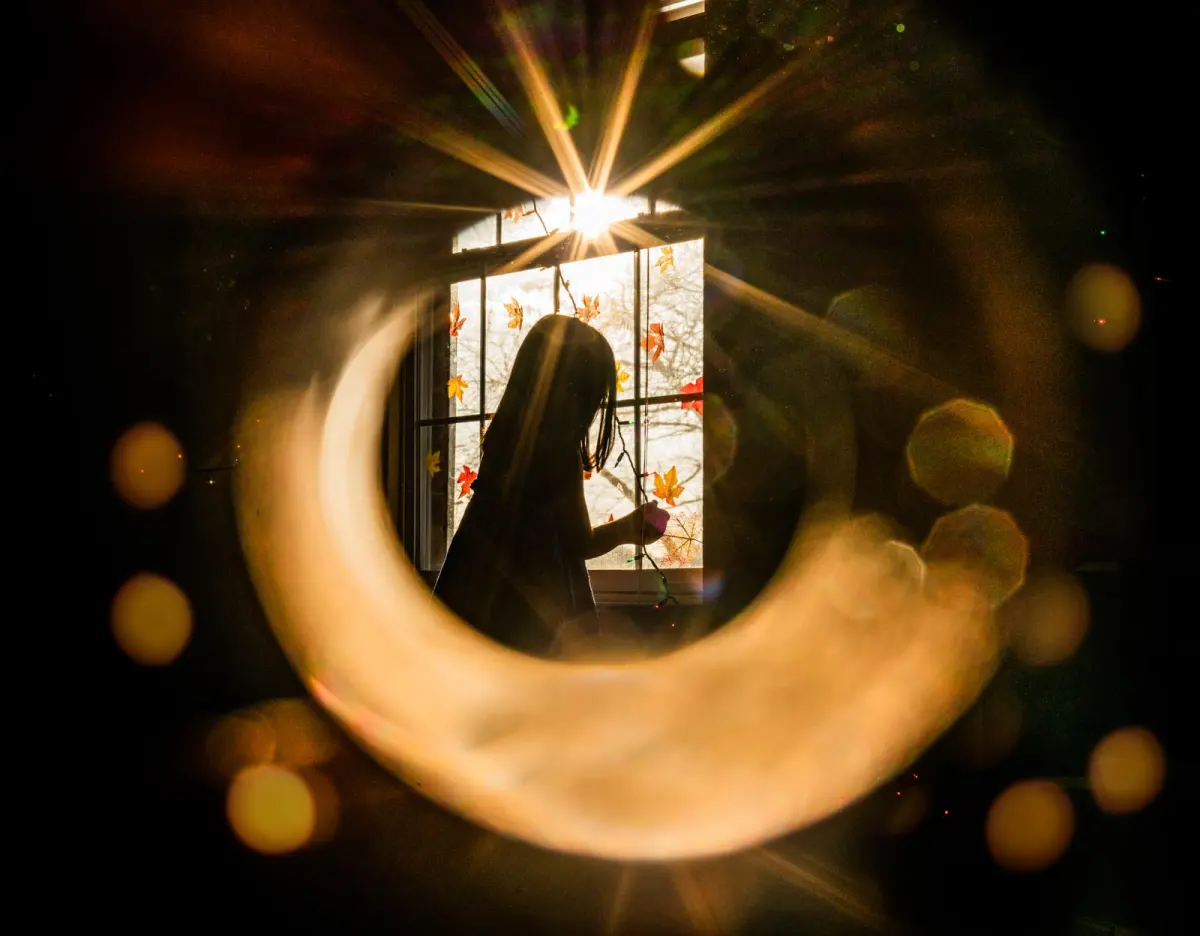
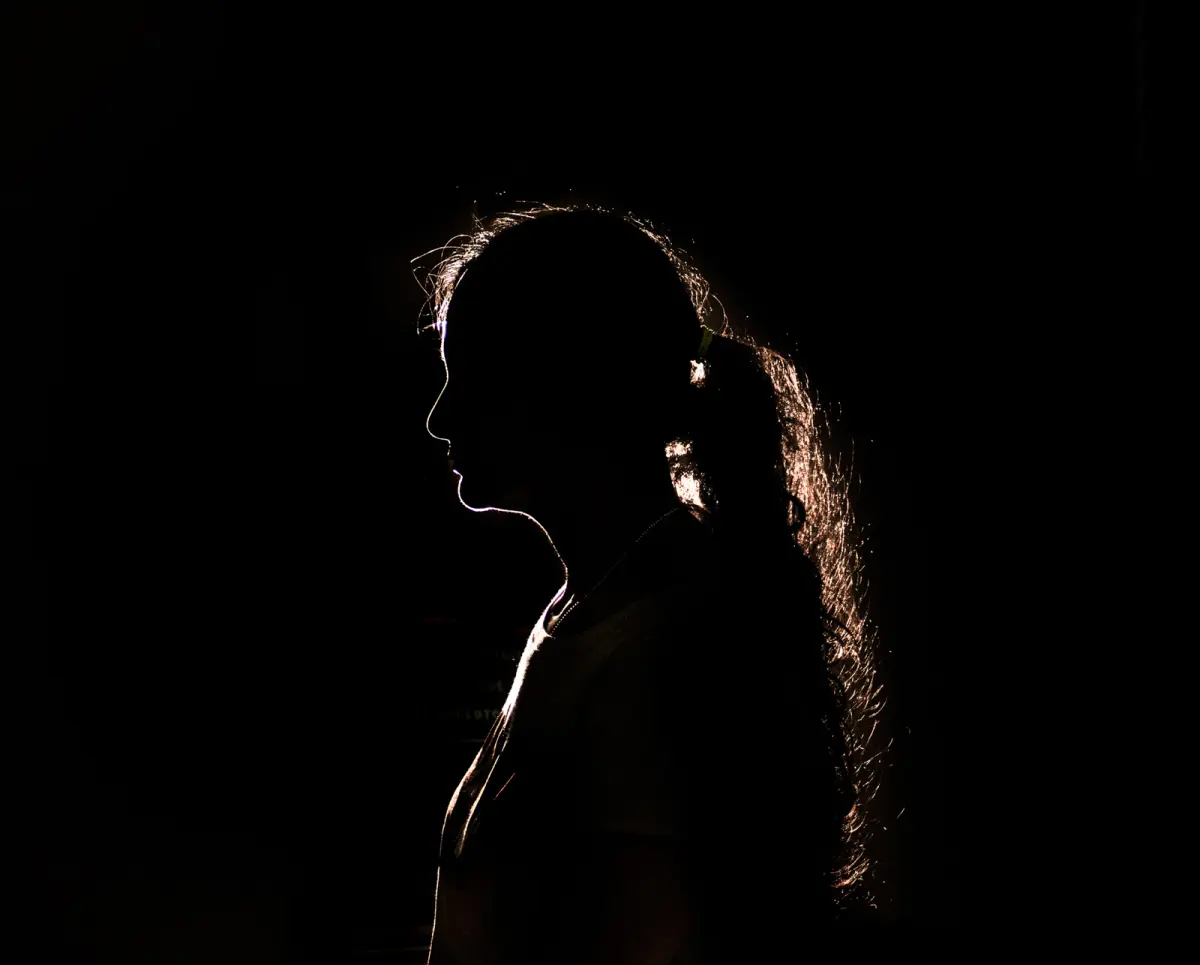
Backlighting occurs when light originates from behind a subject, directed toward the lens. In natural settings, this often happens during the "golden hour," when the sun is low on the horizon. When the light hits the subject from the rear, it illuminates the edges, creating a distinct outline known as a rim light or "hair light." This technique separates the subject from the background, preventing them from blending into the environment.
To achieve this effect, photographers must manage exposure carefully. Because the background is much brighter than the subject, your camera’s light meter may underexpose the subject, turning them into a silhouette. If you want to retain detail in the subject, you must expose for the shadows or use a fill light. This contrast is a powerful artistic tool used to emphasize texture, such as the fine hairs on a person’s head or the delicate veins in a leaf.
Why use backlighting in film and video?
Cinematographers utilize backlighting to create a three-dimensional quality on a two-dimensional screen. By placing a light source behind the actor, the director creates a halo effect that lifts the subject out of the frame. This is essential for preventing characters from looking "flat" against a backdrop. It is a fundamental component of the classic three-point lighting system, which also includes key and fill lights.
Beyond aesthetics, backlighting serves a narrative purpose. It can make a character appear angelic, mysterious, or intimidating depending on the intensity and angle of the light. For example, a harsh backlight can obscure facial features, creating a sense of anonymity or danger. Conversely, a soft, diffused backlight often suggests warmth or nostalgia. This technique has been a staple of Hollywood production since the silent film era, helping to draw the viewer’s eye exactly where the director intends.

How to use backlighting for better portraits
Capturing a backlit portrait requires balancing the intense light from behind with the need for a well-lit face. If you simply point your camera at a backlit subject, you will likely end up with a dark, featureless silhouette. Follow these steps to achieve a professional look:
- Position your subject so the light source is directly behind them, slightly to one side.
- Use a reflector or a small portable LED panel to bounce light back onto the subject’s face.
- Switch your camera to spot metering mode to ensure the exposure is calculated based on the subject's skin rather than the bright background.
- Use a lens hood to prevent lens flare, which can wash out the image unless you are intentionally seeking that effect.
By following these steps, you maintain the beautiful rim light while ensuring the subject’s expressions remain clear and visible to the viewer.
What is backlighting in electronics?
In the context of electronic displays, such as LCD (Liquid Crystal Display) screens, backlighting refers to the light source located behind the liquid crystal layer. Because liquid crystals do not emit their own light, they require an external source to make the image visible. Early displays used cold cathode fluorescent lamps (CCFLs), but modern devices almost exclusively use light-emitting diodes (LEDs).
The quality of this backlighting significantly impacts the display's performance. Manufacturers use two primary methods for LED backlighting: edge-lit and direct-lit. In edge-lit displays, LEDs are placed along the perimeter of the screen, with a diffuser spreading the light evenly. In direct-lit or "full-array" displays, LEDs are placed behind the entire screen. Full-array backlighting often allows for local dimming, where specific zones of the screen can turn off completely to produce deep blacks, resulting in a much higher contrast ratio than edge-lit models.
Common mistakes when using backlighting
Even experienced photographers and videographers struggle with the challenges posed by backlighting. The most frequent error is failing to manage lens flare, which occurs when stray light hits the front element of the lens. While some artists use flare for stylistic purposes, it often reduces contrast and creates distracting artifacts. Using a lens hood or shielding the lens with your hand can mitigate this issue effectively.
Another common mistake is neglecting to adjust the white balance. Backlighting, especially from the sun, can introduce color casts that make the subject look unnatural. Here are a few ways to avoid common pitfalls:
- Avoid shooting directly into the sun during midday, as the extreme intensity can damage your camera sensor and create harsh, unmanageable glare.
- Do not rely on "Auto" exposure modes, as they will almost always prioritize the bright background and leave your subject in total darkness.
- Ensure your lens is perfectly clean, as dust and smudges on the glass will scatter the backlight, significantly degrading the clarity and sharpness of your final image.
By anticipating these technical hurdles, you can harness the power of backlighting to create images with professional depth and a sophisticated, cinematic aesthetic that captures the viewer's attention immediately.
Key facts
- Backlighting occurs when the primary light source is positioned behind the subject, facing the camera.
- It creates a high-contrast silhouette effect by obscuring the front-facing details of the subject.
- Photographers use a "rim light" technique to outline the subject’s edges with a glowing halo.
- In display technology, backlighting refers to an illumination source behind an LCD screen, such as LEDs.
- To avoid unwanted silhouettes in portraits, use a fill flash or a reflector to bounce light onto the subject's face.
- Exposing for the background in a backlit scene will turn your subject into a dark, featureless shape.
The bottom line
Backlighting is a versatile technique used in both photography and display technology to define subjects or illuminate screens. By placing the light source behind the subject, creators can produce striking silhouettes or glowing outlines. Whether you are adjusting your camera settings to balance exposure or choosing a monitor with high-quality LED backlighting, understanding how light interacts with your subject is essential for achieving professional, high-impact results.
People also ask
How can I prevent silhouettes when taking backlit photos?
You can use a reflector to bounce light back onto the subject's face or manually increase your exposure compensation. Alternatively, use a flash to illuminate the subject while keeping the background exposure balanced.
What is the difference between rim lighting and backlighting?
Backlighting is the general placement of a light source behind a subject, whereas rim lighting is a specific application of it. Rim lighting aims to highlight the contours of the subject to separate them from the background.
Why do LCD screens require backlighting?
Liquid crystals in an LCD panel do not emit light on their own; they only block or transmit light. A backlight, typically made of LEDs, provides the necessary illumination to make the screen visible to the viewer.
Can backlighting be used for artistic effect?
Yes, backlighting is frequently used to create dramatic silhouettes or to add a sense of depth to a scene. It is especially popular in cinematic shots to create a "halo" effect around hair or clothing.
What is the "golden hour" in relation to backlighting?
The golden hour occurs shortly after sunrise or before sunset when the sun is low on the horizon. This position makes it ideal for capturing soft, flattering backlit images without harsh, high-contrast shadows.
What are common mistakes when using backlighting?
A common error is failing to use a lens hood, which can lead to lens flare and reduced contrast. Another mistake is relying on automatic exposure, which often causes the camera to underexpose the subject.
This answer was created with the help of AI research tools and reference sources. Spotted an error? Let us know — we correct mistakes quickly. See our editorial policy.