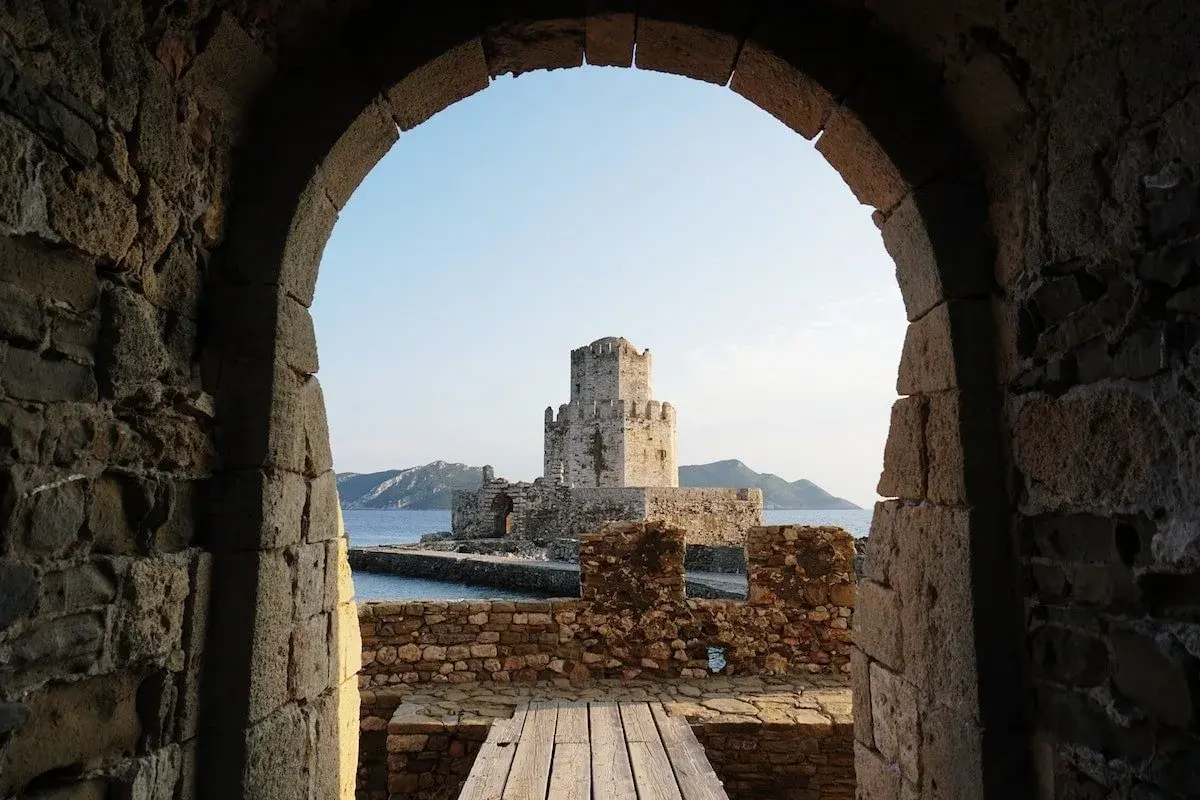
What is long exposure photography?
Short answer
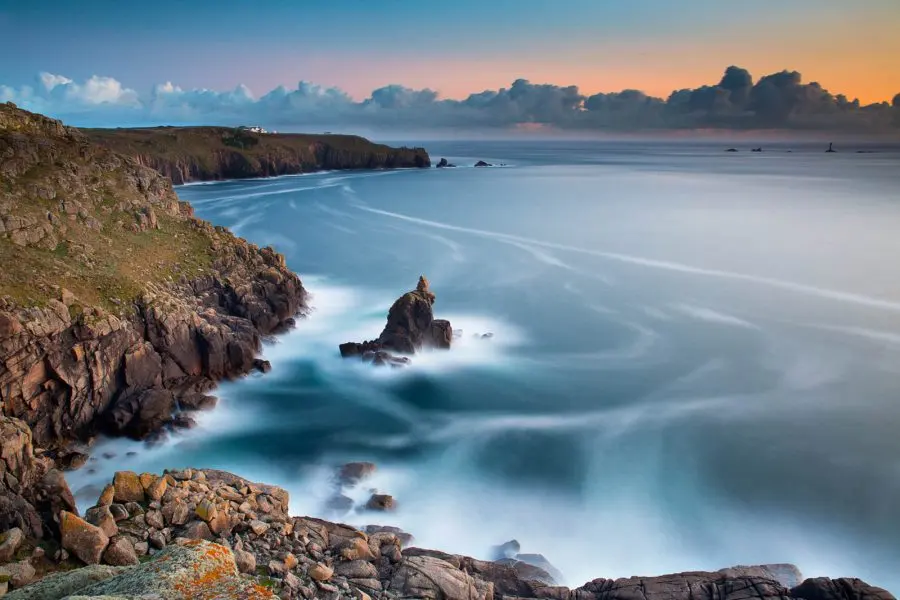
Long exposure photography is a technique that uses a long shutter speed to capture stationary elements while blurring or smearing moving objects. By keeping the camera's shutter open for an extended period, photographers can transform flowing water into a silky mist, capture light trails from traffic, or turn moving clouds into streaks.
On this page
How does long exposure photography work
At its core, long exposure photography relies on the relationship between the camera's shutter speed and the movement within a frame. When you press the shutter button, the sensor is exposed to light for a specific duration. If the shutter stays open for several seconds or even minutes, any object that moves across the frame during that window will leave a continuous trail of light or motion blur. Stationary objects, however, remain sharp and clear because they occupy the same position throughout the entire exposure.
To achieve this effect, photographers must use manual settings to override the camera's automatic exposure logic. Because the shutter remains open for so long, the sensor collects a significant amount of light, which can easily lead to an overexposed, pure white image. To compensate, photographers typically use a very low ISO setting and a narrow aperture, such as f/11 or f/16. This limits the amount of light entering the lens, allowing for a longer duration without blowing out the highlights.
Essential gear for long exposure photography
While you can experiment with long exposures using basic equipment, specific tools are necessary for professional-grade results. A sturdy tripod is the most critical piece of equipment because even the slightest vibration will ruin the sharpness of stationary subjects. Because the shutter is open for an extended time, any camera shake caused by hand-holding will result in a blurry, unusable image.
In addition to a tripod, the following items are highly recommended for success:
- A remote shutter release or a built-in self-timer to prevent camera shake when pressing the button.
- Neutral Density (ND) filters, which act like sunglasses for your lens to block light.
- A lens hood to prevent stray light from causing lens flare during long sessions.
- A spare battery, as long exposures consume significantly more power than standard photography.
Using an ND filter is particularly important when shooting in daylight. These filters come in different strengths, measured in "stops," and they allow you to extend your shutter speed from a fraction of a second to several minutes, even under bright sun.
How to take a long exposure photo
Capturing a successful long exposure requires a methodical approach to camera setup and environmental control. Once you have composed your shot on a tripod, you must ensure the camera remains completely immobile throughout the entire process. Follow these steps to capture your first long exposure image:
- Switch your camera to Manual (M) or Shutter Priority (Tv/S) mode.
- Set your ISO to its lowest native value, usually ISO 100, to minimize digital noise.
- Select a small aperture (high f-number like f/16) to increase depth of field and reduce light intake.
- Use a remote shutter release or the camera’s two-second self-timer to trigger the exposure.
- Review the image on the LCD screen and adjust the shutter speed if the image is too dark or too bright.
If you are shooting in extremely bright conditions, attach your ND filter before finalizing your settings. If the scene is still too bright, choose a stronger ND filter to further reduce the light reaching the sensor.
Common mistakes when shooting long exposures
Even experienced photographers encounter technical hurdles when working with extended shutter speeds. One of the most frequent errors is failing to turn off image stabilization on the lens or camera body. When a camera is mounted on a tripod, the stabilization system often tries to correct for non-existent movement, which actually introduces blur into the image. Always disable this feature before starting your session.
Another common mistake involves the "light leak" phenomenon. During very long exposures, light can enter the camera through the viewfinder, especially on DSLR cameras. This stray light hits the sensor and creates a faint, unwanted glow or streak in your final image. To avoid this, use the viewfinder cover provided with your camera or simply drape a piece of dark cloth over the back of the camera while the shutter is open. Additionally, avoid touching the tripod or walking near it while the exposure is running, as the ground can transmit vibrations to the camera.
Why long exposure photography is popular
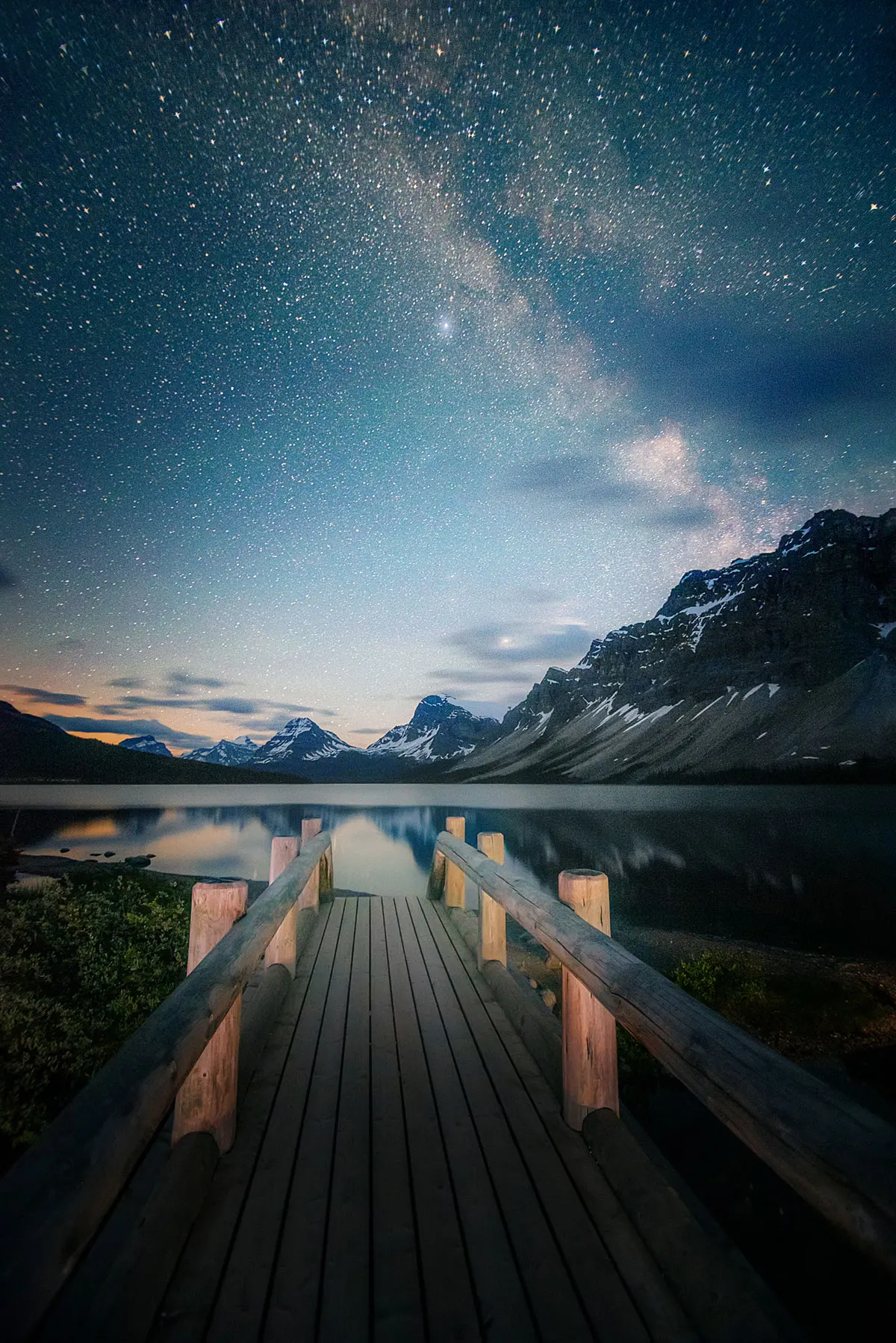
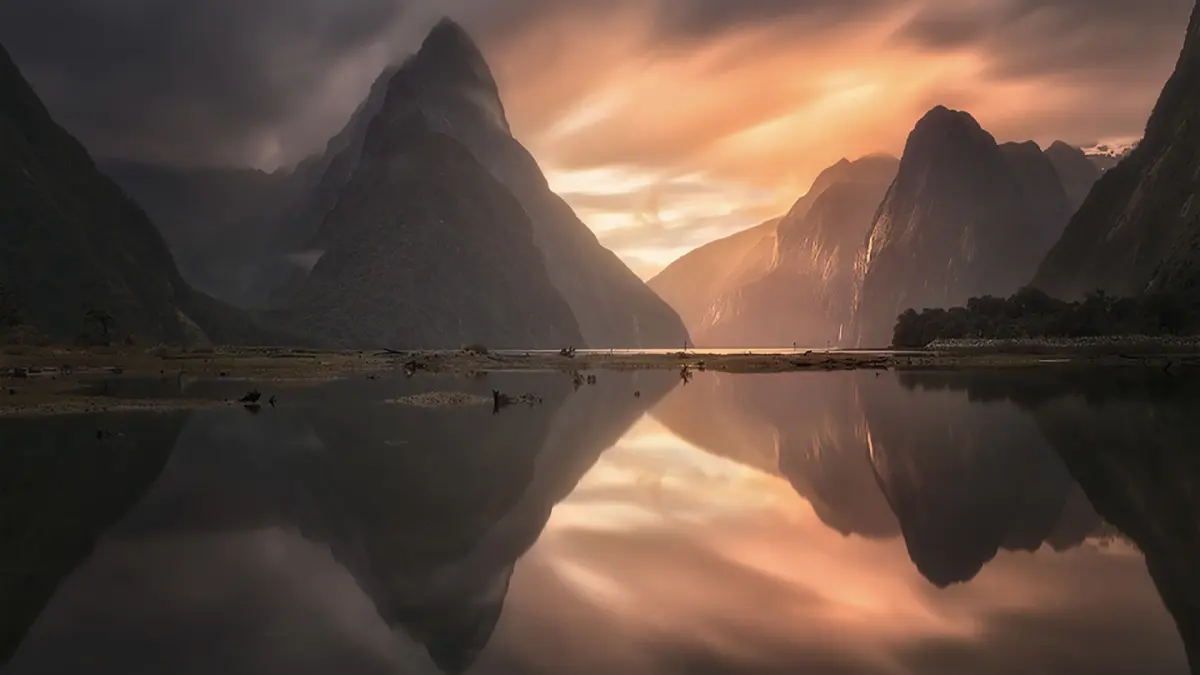
The appeal of long exposure photography lies in its ability to reveal a world that the human eye cannot see. By condensing time into a single frame, photographers can create ethereal, dreamlike landscapes where the chaos of crashing waves is replaced by a serene, misty surface. This technique allows for creative storytelling, turning busy city streets into rivers of light or capturing the subtle movement of stars across the night sky. It forces the photographer to slow down and consider the passage of time, turning a fleeting moment into a permanent, artistic interpretation of reality.
Beyond the aesthetic benefits, this style of photography is a powerful technical exercise. It teaches the fundamental principles of the exposure triangle—aperture, shutter speed, and ISO—in a way that few other styles can. By mastering the balance of light and motion, photographers gain a deeper understanding of their equipment and the environment. Whether you are capturing the majesty of a waterfall or the motion of clouds, long exposure remains one of the most rewarding techniques in the photographer's toolkit.
Key facts
- Long exposure photography uses a long-duration shutter speed to capture stationary elements while blurring moving subjects.
- A tripod is essential to keep the camera perfectly still during exposures that can last from seconds to hours.
- Neutral density (ND) filters act like sunglasses for your lens, allowing for longer exposures in bright daylight.
- The "sunny 16" rule is often abandoned in favor of manual mode to ensure full control over aperture and ISO settings.
- Bulb mode allows the photographer to keep the shutter open for as long as the shutter button is held down.
- Small apertures, such as f/11 or f/16, are commonly used to maximize depth of field and limit incoming light.
The bottom line
Long exposure photography is a powerful technique that transforms the perception of time by blurring motion while keeping static objects sharp. By mastering shutter speeds, aperture control, and the use of neutral density filters, you can capture ethereal landscapes, flowing water, or dramatic light trails. With a stable tripod and patience, this artistic approach allows you to reveal visual details invisible to the naked human eye.
People also ask
What is the best time of day for long exposure photography?
The "golden hour" just after sunrise or before sunset provides soft, directional light that is ideal for long exposures. However, using high-strength neutral density filters allows photographers to achieve these effects at any time of day.
How do I prevent camera shake during a long exposure?
Using a sturdy tripod is the first step, but you should also use a remote shutter release or the camera’s built-in self-timer. This prevents the physical vibration caused by your finger pressing the shutter button from blurring the image.
Why are my long exposure photos coming out completely white?
This happens due to overexposure, meaning too much light hit the sensor during the long shutter duration. Reduce your aperture size, lower your ISO to 100, or use a stronger neutral density filter to restrict incoming light.
Can I do long exposure photography with a smartphone?
Yes, many modern smartphones offer a "pro" or "manual" mode that allows for shutter speed control. You can also use third-party apps designed specifically to simulate long exposure effects by stacking multiple images together.
What is "light painting"?
Light painting is a creative technique where a photographer uses a handheld light source, like a flashlight or LED, to draw in the air during a long exposure. The camera records the path of the light, creating glowing trails against a dark background.
Do I need to turn off image stabilization?
Yes, you should disable optical image stabilization on your lens or camera body when using a tripod. The system may mistakenly detect the lack of movement as a blur and attempt to compensate for it, actually causing a blurry image.
This answer was created with the help of AI research tools and reference sources. Spotted an error? Let us know — we correct mistakes quickly. See our editorial policy.