What is shutter speed?
Short answer
Shutter speed is the length of time a camera’s sensor or film is exposed to light. Measured in fractions of a second, it determines how motion is captured in a photograph. Fast speeds freeze action, while slow speeds blur movement, allowing photographers to control both exposure brightness and creative artistic effects.
On this page
How does shutter speed work in photography?
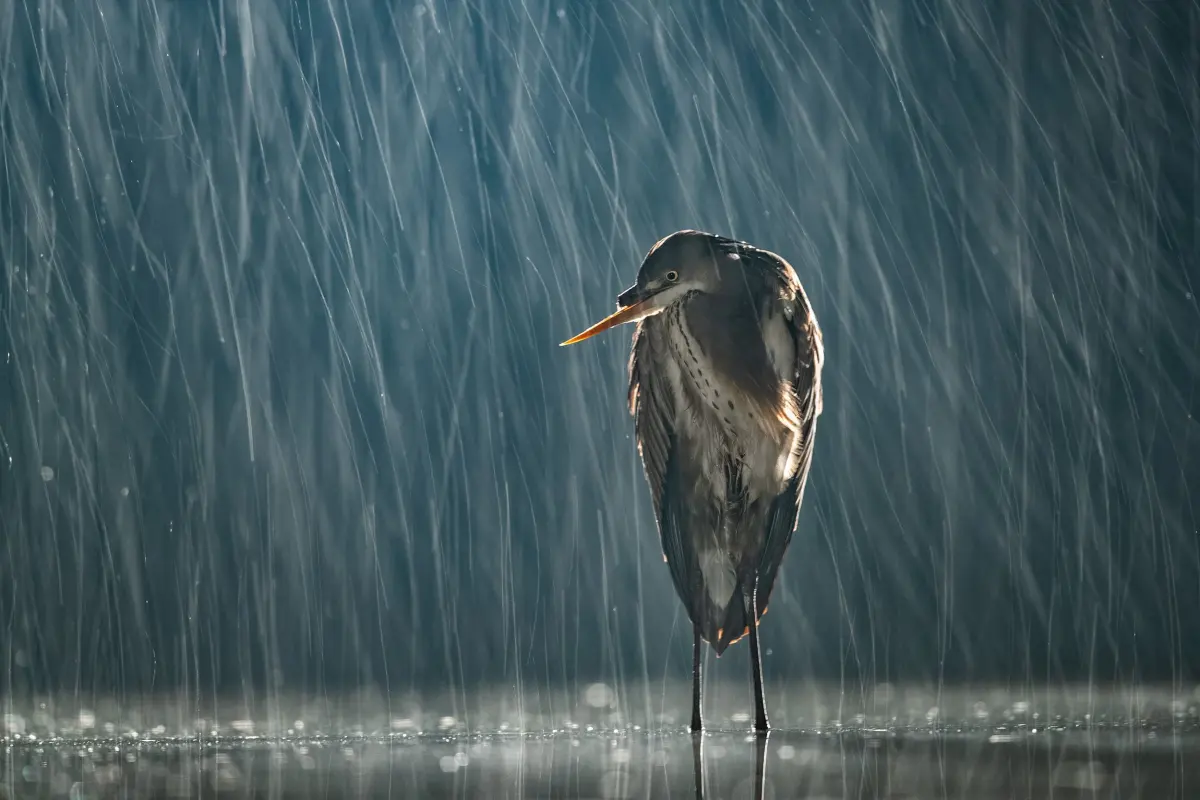
The shutter is a physical curtain located directly in front of the image sensor. When you press the shutter button, this curtain opens for a precise duration, allowing light to hit the sensor before closing again. This duration is defined as the shutter speed. If the speed is set to 1/1000 of a second, the sensor is exposed to light for a very brief moment, effectively "freezing" the subject in time. Conversely, a speed of 1/30 of a second keeps the sensor open longer, which allows more light to enter but also captures any movement occurring during that interval.
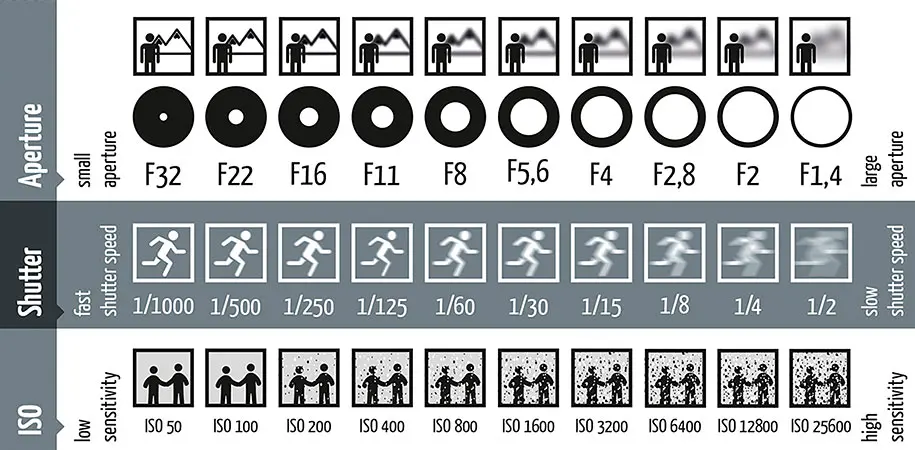
This mechanism is one of the three pillars of the "exposure triangle," alongside aperture and ISO. While aperture controls the size of the lens opening and ISO dictates sensor sensitivity, shutter speed is the primary tool for managing time. By adjusting this setting, you dictate how the camera perceives motion, turning a rushing waterfall into a silky blur or capturing a hummingbird’s wings in sharp detail. Understanding this relationship is fundamental to achieving the correct exposure in various lighting conditions.
What are the best shutter speeds for beginners?
For those just starting, the most important rule is to avoid camera shake, which occurs when the photographer’s natural hand tremors blur the image. A reliable rule of thumb is the "reciprocal rule," which suggests that your shutter speed should be at least the reciprocal of your lens's focal length. For example, if you are using a 50mm lens, your shutter speed should be at least 1/50 of a second. If you use a 200mm lens, you should aim for 1/200 of a second or faster to ensure a crisp shot.
When practicing, beginners should experiment with these common settings to understand their impact:
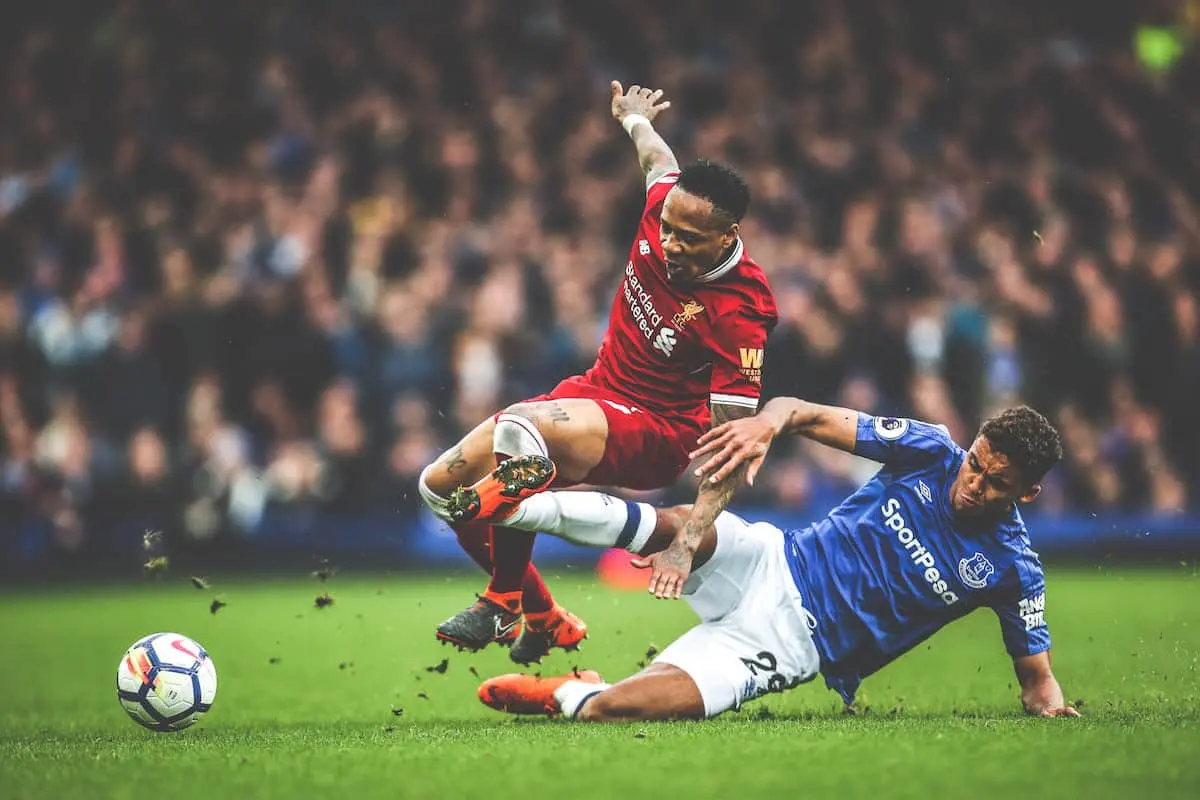
- 1/1000s or faster: Ideal for sports, wildlife, and fast-moving action.
- 1/250s: A safe, versatile speed for general handheld photography of people or pets.
- 1/60s: The threshold for handheld shooting; use this for stationary subjects in lower light.
- 1s or longer: Requires a tripod; used for long-exposure photography like light trails or flowing water.
Why does motion blur happen in photos?
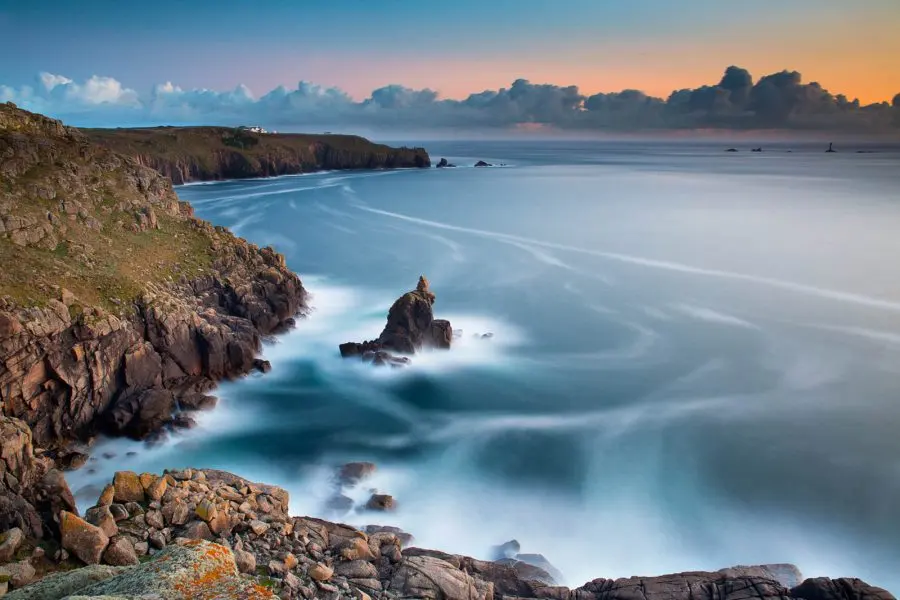
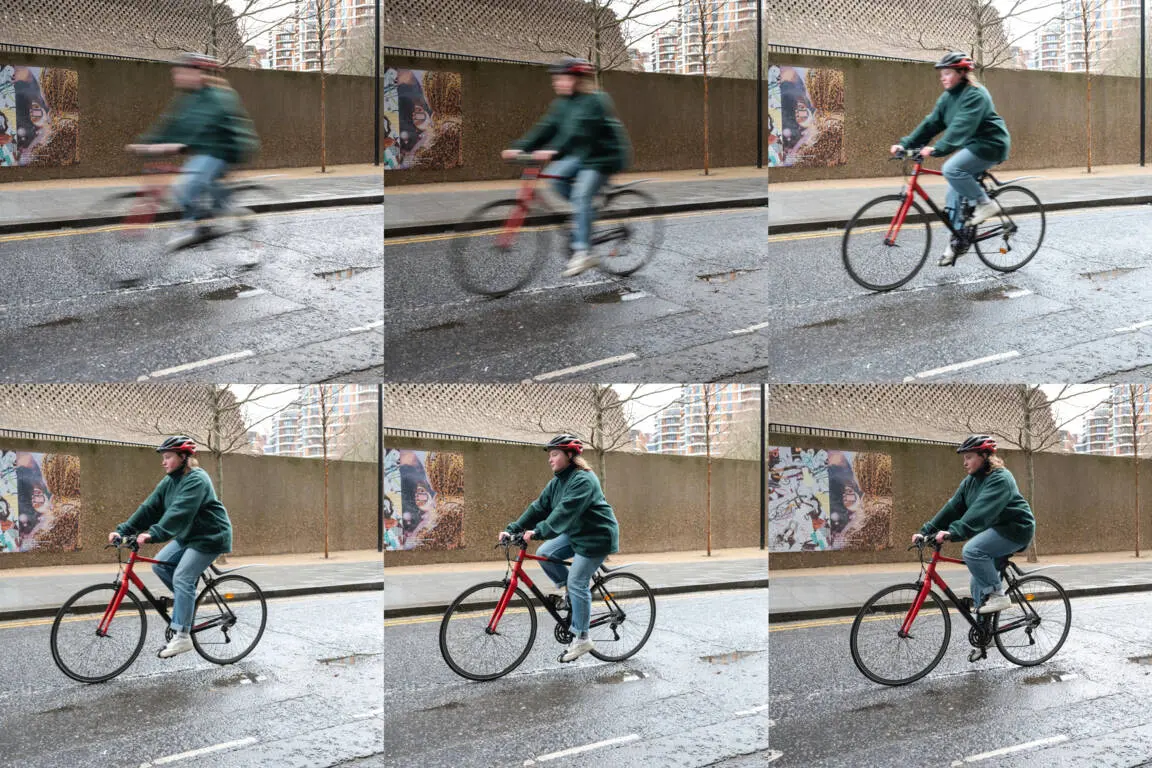
Motion blur occurs when the subject moves, or the camera moves, while the shutter is still open. Because the sensor is recording light over a duration, any change in position during that time is rendered as a trail or a smear. This effect is often intentional in landscape photography, where photographers use slow shutter speeds to make moving clouds or water appear smooth and ethereal. However, in portrait or sports photography, this is usually considered an error because the subject appears soft or indistinct.
To manage motion blur, you must balance your shutter speed against the speed of your subject. A person walking across the frame requires a different shutter speed than a race car speeding down a track. If you find your images consistently blurry, the camera is likely struggling to capture the movement within the chosen timeframe. You can mitigate this by increasing your shutter speed, which forces the camera to capture a smaller slice of time, thereby reducing the window for movement to manifest as blur.
How to use shutter speed for creative effects
Mastering shutter speed allows you to move beyond simple snapshots and into creative storytelling. By intentionally choosing a slow shutter speed, you can convey a sense of speed or serenity that a fast, "perfectly frozen" image cannot. For instance, panning—the technique of following a moving subject with your camera while using a slower shutter speed—keeps the subject relatively sharp while blurring the background into a streak of color. This creates a powerful sense of velocity and energy.
Follow these steps to experiment with creative motion:
- Switch your camera to Shutter Priority mode (often labeled 'S' or 'Tv').
- Select a slow shutter speed, such as 1/30 or 1/15 of a second.
- Keep your camera steady on a tripod if you want the environment to remain sharp.
- If you are panning, keep your movement fluid and follow the subject’s path precisely.
- Review your images and adjust the speed slightly until you find the perfect balance of blur and clarity.
Common mistakes when setting shutter speed
One of the most frequent mistakes is failing to account for low-light conditions when using a fast shutter speed. When you increase your shutter speed, you reduce the amount of light reaching the sensor, which can lead to underexposed, dark images. To compensate, you may need to open your aperture wider or increase your ISO, both of which have their own trade-offs regarding depth of field and image noise. Always check your light meter to ensure your settings are balanced appropriately for the scene.
Another common error is neglecting the need for a tripod during long exposures. Even the most steady-handed photographer cannot hold a camera perfectly still for more than a fraction of a second. If you attempt a long exposure without support, the resulting image will suffer from "camera shake," where the entire frame appears blurry rather than just the moving subject. Always carry a sturdy tripod if you intend to shoot at speeds slower than 1/60 of a second to maintain professional image quality.
Key facts
- Shutter speed is the length of time the camera's shutter remains open to expose the sensor to light.
- It is measured in fractions of a second, such as 1/1000 for fast action or 1/30 for low light.
- Fast shutter speeds, like 1/500 or higher, freeze motion and are ideal for sports or wildlife photography.
- Slow shutter speeds, such as 1/15 or longer, blur movement and require a tripod to prevent camera shake.
- The "reciprocal rule" suggests using a shutter speed at least as fast as your lens focal length to avoid blurry handheld shots.
- Doubling the shutter speed, such as moving from 1/60 to 1/125, halves the amount of light reaching the sensor.
The bottom line
Shutter speed is a fundamental pillar of photography that balances light intake with motion control. By mastering the relationship between duration and movement, you gain the creative freedom to freeze high-speed action or capture the ethereal blur of a waterfall. Always consider your lighting conditions and focal length when choosing settings, and utilize a tripod for slower speeds to ensure your final images remain crisp and professional.
People also ask
How does shutter speed affect image brightness?
A longer shutter speed allows more light to reach the sensor, resulting in a brighter image. Conversely, a shorter shutter speed limits light intake, which darkens the exposure if other settings remain constant.
What is the difference between shutter speed and aperture?
Shutter speed controls the duration of light exposure, while aperture controls the size of the lens opening. Aperture also dictates depth of field, whereas shutter speed dictates motion blur.
When should I use "Bulb" mode?
Bulb mode keeps the shutter open as long as you hold the shutter button down. It is essential for long-exposure photography, such as capturing light trails or fireworks at night.
Why are my photos blurry even with a fast shutter speed?
Blur can occur if the camera focus is incorrect or if the subject is moving faster than the shutter can freeze. Ensure your focus point is locked on the subject's eyes or main focal point.
What is the fastest shutter speed on a typical camera?
Most modern DSLR and mirrorless cameras offer a maximum mechanical shutter speed of 1/4000 or 1/8000 of a second. These speeds are specifically designed to capture extremely fast-moving subjects without blur.
Can shutter speed change the look of water?
Yes, a fast shutter speed captures individual water droplets, while a slow shutter speed creates a silky, smooth effect on flowing water. Using a tripod is necessary for the latter to keep the stationary surroundings sharp.
This answer was created with the help of AI research tools and reference sources. Spotted an error? Let us know — we correct mistakes quickly. See our editorial policy.