What is an art gallery?
Short answer
An art gallery is a professional space dedicated to the exhibition and sale of visual art. These venues connect artists with collectors, museums, and the public. Unlike museums, which focus on preservation and public education, commercial galleries primarily function as businesses that represent artists to facilitate the acquisition of contemporary works.
On this page
What is the purpose of an art gallery?
Art galleries serve as the primary conduits between the creative output of artists and the broader art market. Their fundamental purpose is to provide a physical or digital platform where artwork can be viewed, evaluated, and purchased. By curating specific collections, gallery owners establish a distinct identity and reputation, which helps signal the quality and potential value of the artists they represent. This vetting process is essential for collectors who rely on the gallery’s expertise to navigate complex aesthetic and financial landscapes.
Beyond sales, galleries play a critical role in career development. They handle logistics such as shipping, insurance, promotion, and the organization of opening receptions. By hosting exhibitions, galleries create a public profile for an artist, often leading to reviews by critics and acquisitions by institutions. This professional support system allows artists to focus on their creative practice while the gallery manages the business side of their career, including contract negotiations and long-term market positioning.
How do art galleries work?
Most commercial galleries operate on a consignment model. In this arrangement, the artist retains ownership of the work until it is sold, at which point the gallery takes a percentage of the sale price as a commission. This commission typically ranges from 40% to 50% of the retail price. The gallery also takes responsibility for marketing the work, hosting the exhibition, and managing client relationships.
The process of working with a gallery generally follows a structured professional cycle:
- The artist and gallery sign a contract detailing the commission structure and geographic exclusivity.
- The gallery schedules an exhibition, often months or years in advance.
- The gallery produces promotional materials, such as press releases and digital catalogs.
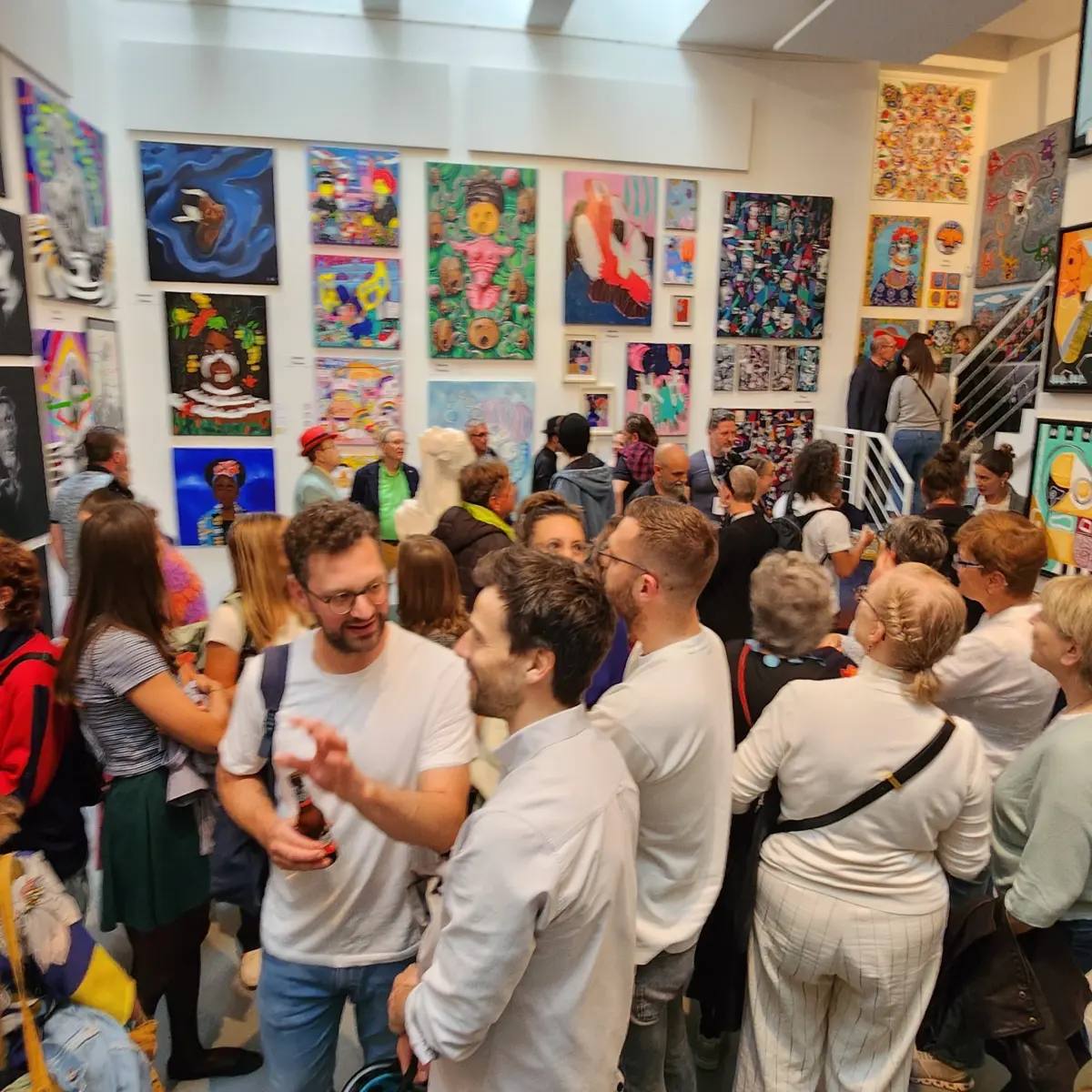
- An opening reception is held to introduce the new body of work to collectors and the public.
- The gallery manages the transaction, handles the delivery of the piece, and pays the artist their agreed-upon share.
How to visit an art gallery for the first time
Visiting a gallery can feel intimidating, but these spaces are generally open to the public during standard business hours. Unlike museums, galleries do not usually charge an admission fee. You are free to walk in, view the exhibition, and ask questions of the staff. If you are interested in a piece, you may ask for a price list or inquire about the artist's background.
When visiting, keep these simple guidelines in mind:
- Feel free to ask questions about the work or the artist’s process.
- Do not touch the artwork, as oils from skin can damage surfaces.
- Check the gallery’s website beforehand to see if they are currently between shows.
- If you are interested in buying, ask for the "price list" or "availability list."
- Remember that galleries are businesses; staff are there to assist you, not just to supervise the room.
Common mistakes when buying art
Many first-time buyers make the mistake of viewing art solely as a financial investment. While some works appreciate in value, the art market is highly volatile and unpredictable. Experts advise purchasing art that you personally enjoy, as the primary return on investment is the aesthetic pleasure of living with the object. Treating art as a speculative asset often leads to poor decision-making and disappointment.
Another common error is failing to research the artist’s history. Before committing to a purchase, consider the following:
- Has the artist had solo exhibitions in reputable galleries?
- Are their works held in any public or private collections?
- Is the price consistent with the artist’s previous sales history?
- Does the gallery provide a certificate of authenticity with the purchase?
- Have you verified that the work is in good condition, free of tears or fading?
Ignoring these practical checks can lead to purchasing works with little secondary market value or hidden structural issues.
Why do art galleries host exhibitions?
Exhibitions are the primary marketing tool for a gallery. They serve to generate excitement, attract press coverage, and provide a context for the artist’s current body of work. By grouping pieces together under a thematic or chronological umbrella, the gallery tells a story that makes the art more accessible and meaningful to prospective buyers. This narrative building is what distinguishes a professional exhibition from a random display of inventory.
Furthermore, exhibitions foster community engagement. They bring together artists, critics, collectors, and enthusiasts, creating a social environment that reinforces the gallery's status as a cultural hub. These events are often the only time the public can see a cohesive set of new works in person, which is vital for building the artist's reputation. By maintaining a consistent schedule of high-quality exhibitions, a gallery ensures its ongoing relevance and financial stability in a competitive global market.
Key facts
- An art gallery is a space, either public or private, dedicated to the exhibition and sale of visual art.
- Commercial galleries represent artists, manage their careers, and earn revenue through commissions, typically 40% to 50% of the sale price.
- Public or non-profit galleries focus on education, cultural preservation, and community engagement rather than profit.
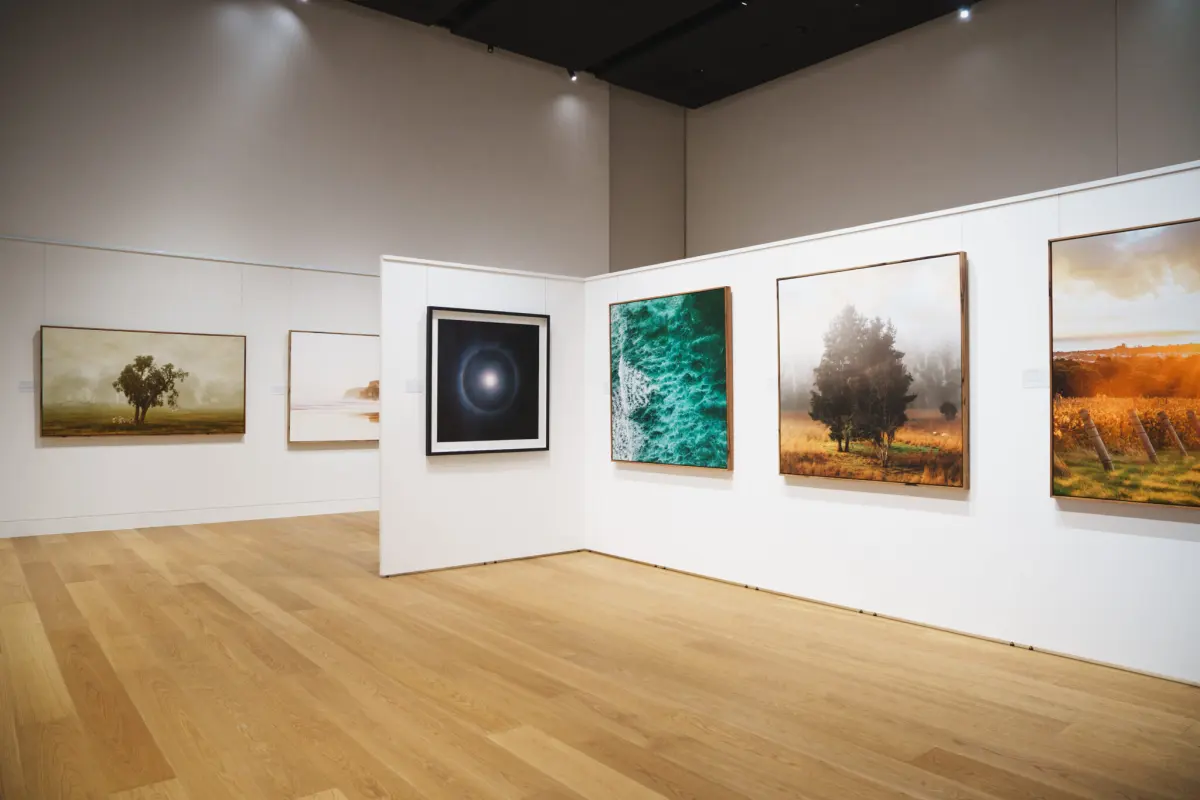
- White cube architecture, characterized by plain white walls and controlled lighting, is the industry standard for minimizing distractions from the artwork.
- Curators are responsible for selecting works, organizing the flow of an exhibition, and writing accompanying text to provide context.
- Visitors should avoid touching artwork, as oils from skin can cause permanent damage to surfaces like canvas, sculpture, or photography.
The bottom line
An art gallery serves as a vital bridge between creative artists and the public or prospective collectors. Whether operating as a commercial business or a non-profit institution, these spaces provide the professional environment necessary to appreciate, interpret, and acquire visual art. By understanding the etiquette and functions of these venues, visitors can engage more confidently with the art world and support the artists they admire.
People also ask
What is the difference between an art gallery and a museum?
Galleries are generally smaller, commercial spaces that sell art, while museums are non-profit institutions that house permanent collections for public education. Museums rarely sell the works they display, whereas galleries rotate exhibitions specifically to generate sales.
Do I need an appointment to visit a gallery?
Most commercial galleries are open to the public during business hours without an appointment. However, high-end galleries or those located in private buildings may require advance notice for security or exclusivity reasons.
How do I purchase art from a gallery?
If you are interested in a piece, ask the gallery staff for a price list or "red dot" status, which indicates if a work is already sold. You can then request a formal invoice, which will include shipping and tax details.
Is it acceptable to ask about the price of art?
Yes, it is standard practice to inquire about pricing. If the price is not listed on a wall tag, feel free to ask a staff member, who will provide the information professionally.
What is an exhibition opening or "vernissage"?
A vernissage is an inaugural event held before an exhibition officially opens to the public. It typically features the artist, refreshments, and an opportunity for collectors to view and purchase works early.
Can I take photographs inside an art gallery?
Policies vary by gallery, so always look for signage or ask staff before taking photos. Many galleries prohibit flash photography to protect light-sensitive materials, while others may restrict photography entirely to protect copyright.
This answer was created with the help of AI research tools and reference sources. Spotted an error? Let us know — we correct mistakes quickly. See our editorial policy.