Where is American Gothic displayed?
Short answer
Grant Wood’s iconic 1930 painting American Gothic is permanently displayed at the Art Institute of Chicago in Illinois. It is housed in the museum’s American Art galleries, specifically located in Gallery 263. The painting has been a cornerstone of the museum's collection since it was first acquired shortly after its debut.
On this page
Where is American Gothic located in the museum?
The Art Institute of Chicago is situated at 111 South Michigan Avenue in downtown Chicago. American Gothic is permanently installed in the American Art galleries on the second floor of the museum’s Michigan Avenue building. Visitors should head to Gallery 263, which is part of the gallery complex dedicated to American paintings and sculpture from the early 20th century.
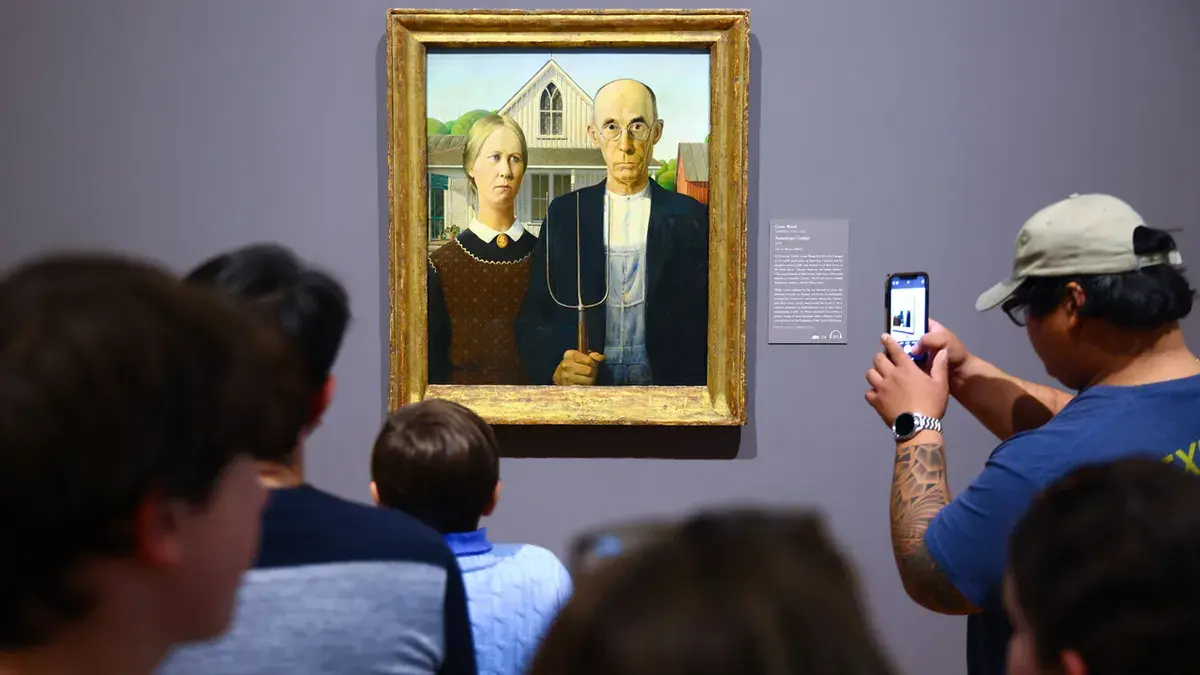
Navigating the museum can be complex due to its massive size, so it is helpful to consult the digital maps available at the information desks. Once you reach the second floor, follow the signage toward the American Art wing. The painting is typically displayed on a prominent wall, making it easy to spot among other works from the same era. Because it is one of the museum's most famous pieces, there is often a small crowd gathered around it throughout the day.
How to plan your visit to see the painting
Planning your trip in advance ensures a smooth experience, especially since the museum can become quite crowded during weekends and holidays. It is highly recommended to purchase your tickets online before arriving to skip the ticket counter lines. The museum is open daily, but hours can fluctuate based on the season, so verify the schedule on their official website before you head out.
- Check the museum website for current operating hours and any special exhibition closures.
- Purchase timed-entry tickets online to guarantee your admission during peak times.
- Arrive shortly after the museum opens to enjoy the galleries with fewer crowds.
- Use the museum’s interactive map to locate Gallery 263 before you start walking.
- Consider joining a docent-led tour if you want to learn more about the painting’s history.
What to know about the painting before you go
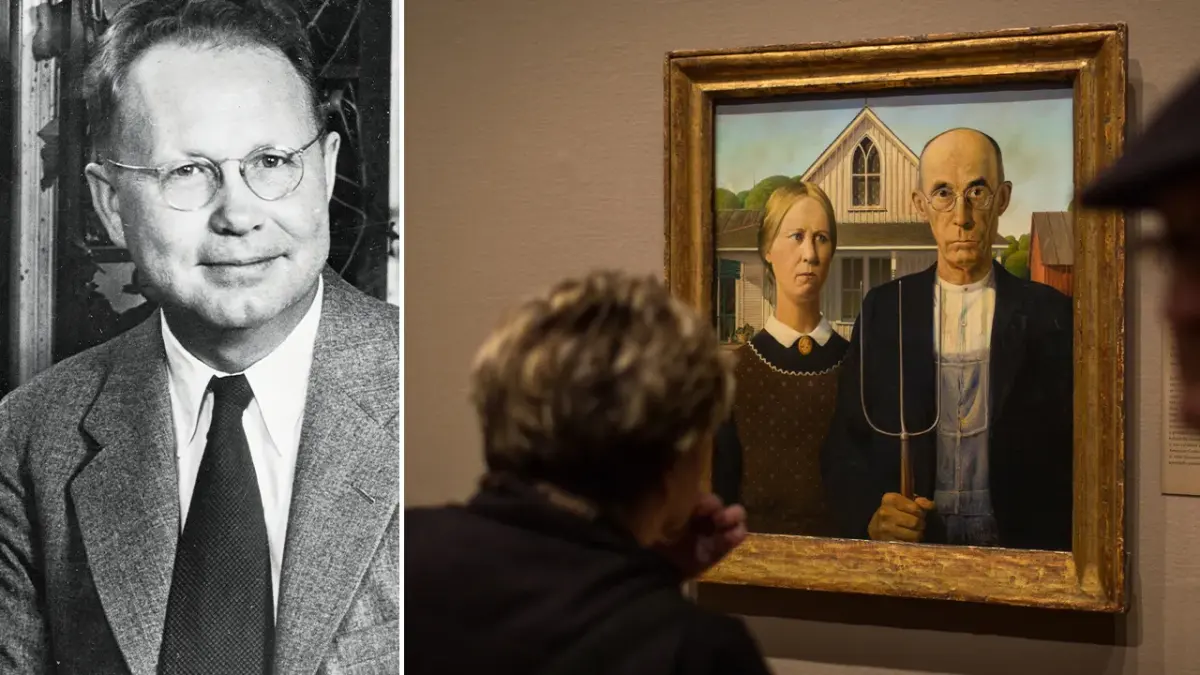
American Gothic depicts a farmer and his daughter standing before a white house with a distinctive Gothic arched window. Grant Wood painted the work in 1930 using his sister, Nan Wood Graham, and his dentist, Dr. Byron McKeeby, as the models. The painting gained immediate fame after winning a bronze medal at the Art Institute of Chicago’s annual exhibition that same year.
The work is often misunderstood as a satire of rural life, though Wood maintained that he intended to portray the resilience and dignity of the American Midwest. Its stark composition and realistic detail have made it one of the most parodied and recognizable images in American art history. When viewing the painting in person, notice the intricate details on the pitchfork and the precise, sharp lines of the house, which are much more vivid than they appear in photographs.
Common mistakes when visiting the museum
A frequent error visitors make is assuming that American Gothic is the only masterpiece worth seeing, causing them to rush through the rest of the collection. The Art Institute of Chicago holds one of the most significant collections of Impressionist and Post-Impressionist art outside of Paris. By focusing only on the one painting, you miss out on world-renowned works by artists such as Georges Seurat, Claude Monet, and Vincent van Gogh housed nearby.
Another common mistake is failing to account for the museum's strict bag policies. Large backpacks and umbrellas must be checked at the coat check, which can lead to long wait times during busy periods. To avoid frustration, pack light and bring only essentials. Additionally, avoid visiting during the middle of the day on Saturdays, as this is when the galleries are most congested, making it difficult to get a clear view of the artwork.
How to enjoy the museum experience fully
To get the most out of your visit, consider spending at least three to four hours exploring the various wings. The museum offers several amenities that can enhance your trip, including multiple cafes and a gift shop that features prints and books related to the collection. If you are interested in the deeper context of American Gothic, look for the museum's audio guides, which often provide expert commentary on the painting's cultural significance.
- Wear comfortable walking shoes, as the museum covers a vast amount of floor space.
- Check the museum’s calendar for free admission days if you are a local resident.
- Visit the Thorne Miniature Rooms located in the basement for a unique historical perspective.
- Take advantage of the free Wi-Fi to access the museum's digital guide during your walk.
- Respect the "no flash photography" rule to help preserve the integrity of the aging canvases.
By following these tips, you will ensure a memorable and educational visit to one of the world's most prestigious cultural institutions.
Key facts
- The painting American Gothic is permanently housed at the Art Institute of Chicago in Illinois.
- It is located in Gallery 273 within the museum's Art of the Americas collection.
- Grant Wood completed the oil-on-beaverboard painting in 1930.
- The museum acquired the piece in 1930 after it won a bronze medal at an annual exhibition.
- Visitors should check the museum's official website for current gallery closures before planning a trip.
- Photography is permitted in the gallery, but flash photography and tripods are strictly prohibited.
The bottom line
To view Grant Wood’s iconic 1930 masterpiece American Gothic, visit the Art Institute of Chicago, where it remains a cornerstone of the museum's permanent collection. Located in Gallery 273, this small but culturally significant oil painting is accessible to the public during regular museum hours. Plan your visit in advance by checking the museum's website to ensure the gallery is open and to secure your admission tickets.
People also ask
Who are the people depicted in the painting?
The figures are not husband and wife, as many assume; they are the artist’s sister, Nan Wood Graham, and his dentist, Dr. Byron McKeeby. They posed separately for the painting, and Wood later combined their likenesses into the final composition.
What is the meaning behind the pitchfork?
The pitchfork represents the traditional labor of the American farmer and serves as a structural element to echo the vertical lines of the house. It reinforces the theme of agrarian life and the stoic nature of the subjects.
Is the house in the painting a real place?
Yes, the house is a real structure located in Eldon, Iowa, known as the Dibble House. It was built in the Carpenter Gothic architectural style, which inspired the painting's title.
How large is the painting?
The painting is relatively small, measuring approximately 29.25 inches by 24.5 inches. Its modest size often surprises visitors who expect a much larger canvas based on the image's cultural fame.
Can I see the painting for free?
The Art Institute of Chicago charges an admission fee for most visitors, though Illinois residents may qualify for free admission days. You should verify residency requirements and ticket pricing on the museum website before arriving.
Why is the painting considered controversial?
When it was first exhibited, many Iowans were offended by what they perceived as a satirical or mocking depiction of rural life. Wood maintained that he intended to portray the dignity and resilience of the American spirit.
This answer was created with the help of AI research tools and reference sources. Spotted an error? Let us know — we correct mistakes quickly. See our editorial policy.