Where is The Persistence of Memory displayed?
Short answer
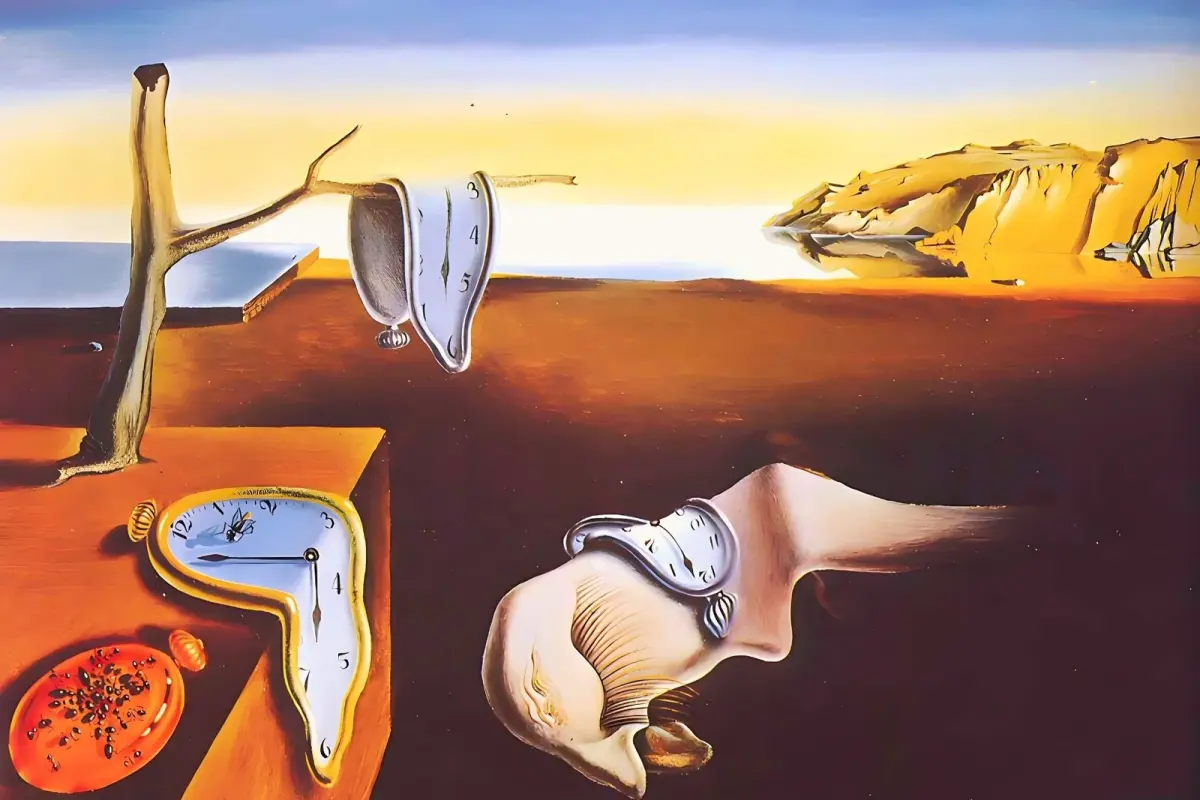
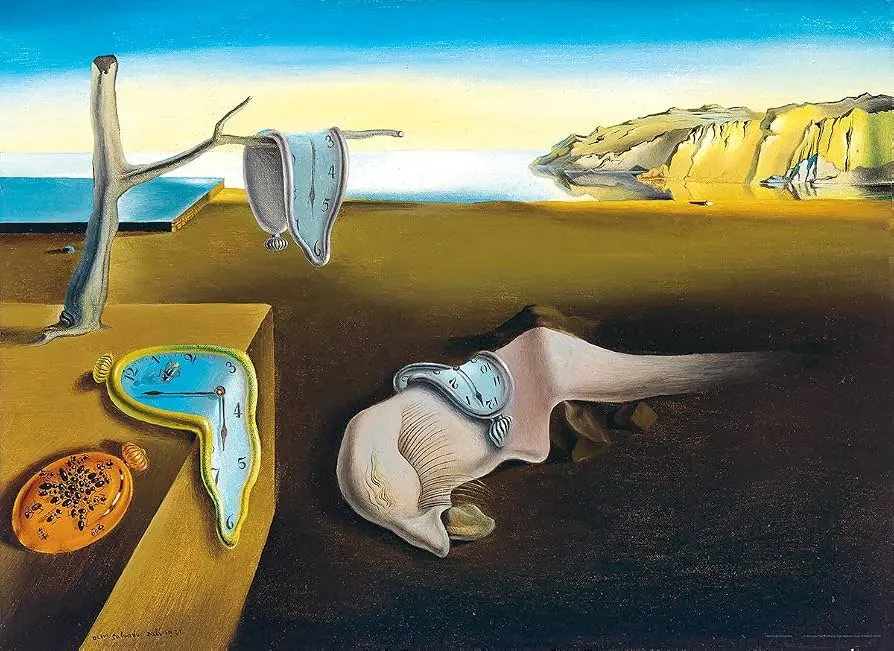
The Persistence of Memory is permanently housed at the Museum of Modern Art (MoMA) in Midtown Manhattan, New York City. Since its acquisition in 1934, this iconic 1931 oil painting by Salvador Dalí has remained a centerpiece of the museum’s extensive collection of Surrealist masterpieces, drawing millions of visitors annually.
On this page
Where is the painting located?
The Persistence of Memory is currently on display at the Museum of Modern Art, located at 11 West 53rd Street in New York City. The painting is situated within the museum’s permanent collection galleries, specifically in the area dedicated to European painting and sculpture from the early 20th century. Because the museum frequently rotates its collection to preserve delicate canvases and provide fresh perspectives, visitors should check the official MoMA website or the digital map kiosks in the lobby to confirm the exact gallery number before starting their visit.
The museum is easily accessible via public transportation, with the E and M subway lines stopping at Fifth Avenue/53rd Street. If you are planning a trip specifically to view this work, it is helpful to know that the painting is relatively small, measuring only 9.5 by 13 inches. Despite its modest dimensions, it is typically hung in a prominent position, often surrounded by other significant Surrealist works.
How to plan your visit to MoMA
To ensure a smooth experience when viewing the painting, it is essential to plan your arrival time carefully. The museum typically experiences the highest volume of foot traffic during weekends and holiday periods. By arriving shortly after the doors open at 10:30 AM, you can navigate the galleries with fewer crowds, allowing for a more intimate viewing experience of Dalí’s intricate details.
- Purchase your tickets online in advance to skip the physical ticket counter lines.
- Check the museum’s calendar for any temporary gallery closures or special exhibitions that might affect access to the Surrealist wing.
- Utilize the museum’s free audio guide, which often features expert commentary on the symbolism of the melting clocks.
- Download the MoMA app to access a digital map that highlights the painting's current room location.
Why the painting is famous
Salvador Dalí created this work in 1931, and it quickly became the definitive symbol of the Surrealist movement. The painting is celebrated for its dreamlike quality, characterized by the juxtaposition of rigid, realistic objects and distorted, fluid forms. The "melting" watches are widely interpreted as a commentary on the fluidity of time and the rejection of the rigid, mechanical nature of the industrial world.
The work gained significant notoriety shortly after its creation due to its inclusion in a solo exhibition at the Julien Levy Gallery in New York. Its subsequent donation to MoMA in 1934 cemented its status as a cornerstone of modern art. Today, it remains one of the most recognizable images in Western art history, frequently referenced in popular culture, literature, and film as a shorthand for the irrationality of the subconscious mind.
Common mistakes when visiting
One of the most frequent errors visitors make is rushing through the galleries in an attempt to see the entire museum in a single afternoon. Because MoMA houses such a vast collection, trying to view every major work can lead to "museum fatigue," causing visitors to overlook the subtle details of smaller pieces like The Persistence of Memory. It is much more effective to select a few "must-see" galleries and spend quality time with the art rather than walking through the entire facility at a fast pace.
Another common mistake involves photography. While non-flash photography is permitted in most galleries, visitors often spend more time looking at the painting through their phone screens than with their own eyes. Additionally, failing to respect the personal space of other patrons or getting too close to the canvas can trigger security alarms or result in a request from museum staff to step back.
Best tips for art enthusiasts
If you want to deepen your appreciation of the painting, consider visiting during the museum's quieter hours or attending a guided tour. Expert-led tours often provide historical context regarding the landscape depicted in the painting, which is based on the cliffs of Cap de Creus in Catalonia, Spain. Understanding the geography behind the surreal imagery adds a layer of depth that is difficult to grasp from viewing the image online.
- Read a brief biography of Salvador Dalí before your visit to understand his interest in Freudian psychology.
- Spend at least ten minutes observing the painting to notice the ants on the orange clock, which represent decay.
- Visit the museum’s gift shop afterward to find high-quality prints and academic books that explore the broader context of Surrealism.
- Combine your visit with a walk through the Abby Aldrich Rockefeller Sculpture Garden, which is located on the museum grounds and offers a peaceful environment for reflection after viewing the intense imagery of the gallery.
Key facts
- The Persistence of Memory is part of the permanent collection at the Museum of Modern Art (MoMA) in New York City.
- It is located in the museum's fifth-floor galleries, which house the collection of painting and sculpture from 1880 to 1945.
- The painting was donated to the museum by an anonymous benefactor in 1934.
- Measuring only 9.5 by 13 inches, it is surprisingly small compared to the scale of many other famous masterworks.
- Visitors should check the MoMA website before visiting, as the museum occasionally rotates its permanent collection displays.
- To avoid disappointment, verify the painting's current gallery location at the information desk upon entering the museum.
The bottom line
The Persistence of Memory is a cornerstone of the Museum of Modern Art in New York City. Housed in the fifth-floor galleries, this small but profound Surrealist masterpiece continues to captivate visitors with its dreamlike imagery. By planning your visit through the museum’s official website and checking the current gallery rotations, you can ensure a successful viewing of this iconic work during your trip to Manhattan.
People also ask
Who painted The Persistence of Memory?
The Spanish surrealist artist Salvador Dalí created this iconic work in 1931. He is widely known for his technical skill and the bizarre, dreamlike imagery characteristic of the Surrealist movement.
What do the melting clocks in the painting represent?
The melting clocks are often interpreted as a rejection of the rigidity of time and a symbol of the fluidity of memory. Dalí himself suggested they were inspired by the sight of Camembert cheese melting in the sun.
Is The Persistence of Memory the official title of the painting?
Yes, although it is frequently referred to by the public as "The Melting Clocks." The official title reflects the artist's interest in the subconscious mind and the subjectivity of time.
Are there other versions of this painting?
While this is the most famous version, Dalí revisited the theme of melting watches in later works. One notable example is his 1954 painting titled The Disintegration of the Persistence of Memory.
Can I take photographs of the painting?
Yes, MoMA allows non-flash photography of the permanent collection for personal, non-commercial use. However, you should always check for specific signs prohibiting photography near temporary exhibitions.
How much does it cost to see the painting?
Admission fees vary based on age and residency, with MoMA offering free entry for children under 16. It is recommended to book timed-entry tickets online in advance to guarantee access to the galleries.
This answer was created with the help of AI research tools and reference sources. Spotted an error? Let us know — we correct mistakes quickly. See our editorial policy.