How do you paint quickly outdoors?
Short answer
Painting quickly outdoors requires a limited palette, small canvases, and decisive brushwork. By focusing on capturing the essential light and shadow rather than fine details, you can complete a study in under an hour. Prioritize preparation, use fast-drying mediums if using oils, and embrace a bold, impressionistic approach to speed.
On this page
How to prepare for outdoor painting
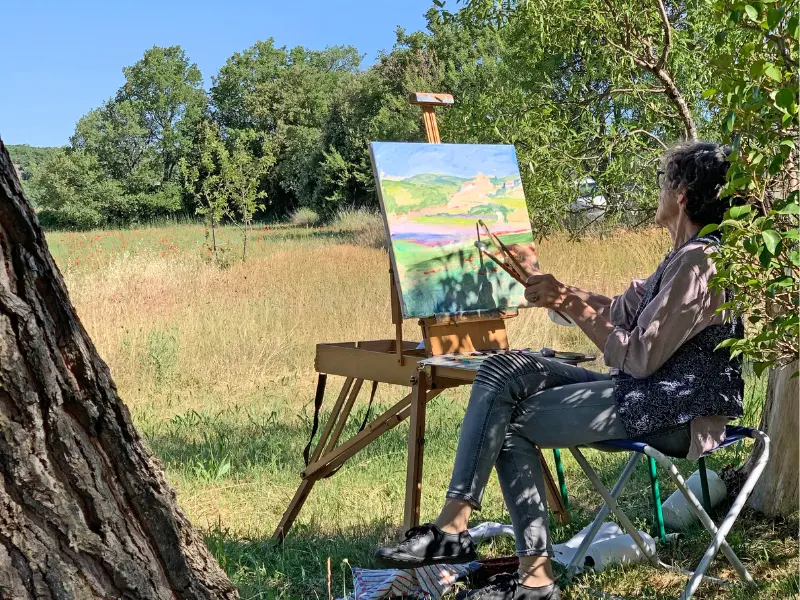
Success in plein air painting relies on having a streamlined setup that allows for immediate action. You should minimize the time spent setting up your easel and mixing colors by using a pre-organized kit. A lightweight pochade box is the industry standard for rapid work because it integrates your palette and canvas support into a single, portable unit.
Preparation also involves simplifying your equipment to prevent decision fatigue. By limiting your gear, you reduce the time spent searching for tools and keep your focus entirely on the shifting light. Follow these steps to ensure you are ready to paint the moment you arrive at your location:
- Pre-mix a small range of neutral tones on your palette before leaving home.
- Use a limited palette of no more than five colors to avoid complex color theory calculations.
- Attach a shoulder strap to your easel to ensure you can move quickly if the sun shifts.
- Keep your brushes in a dedicated roll so you can grab the right size instantly.
Best painting techniques for speed
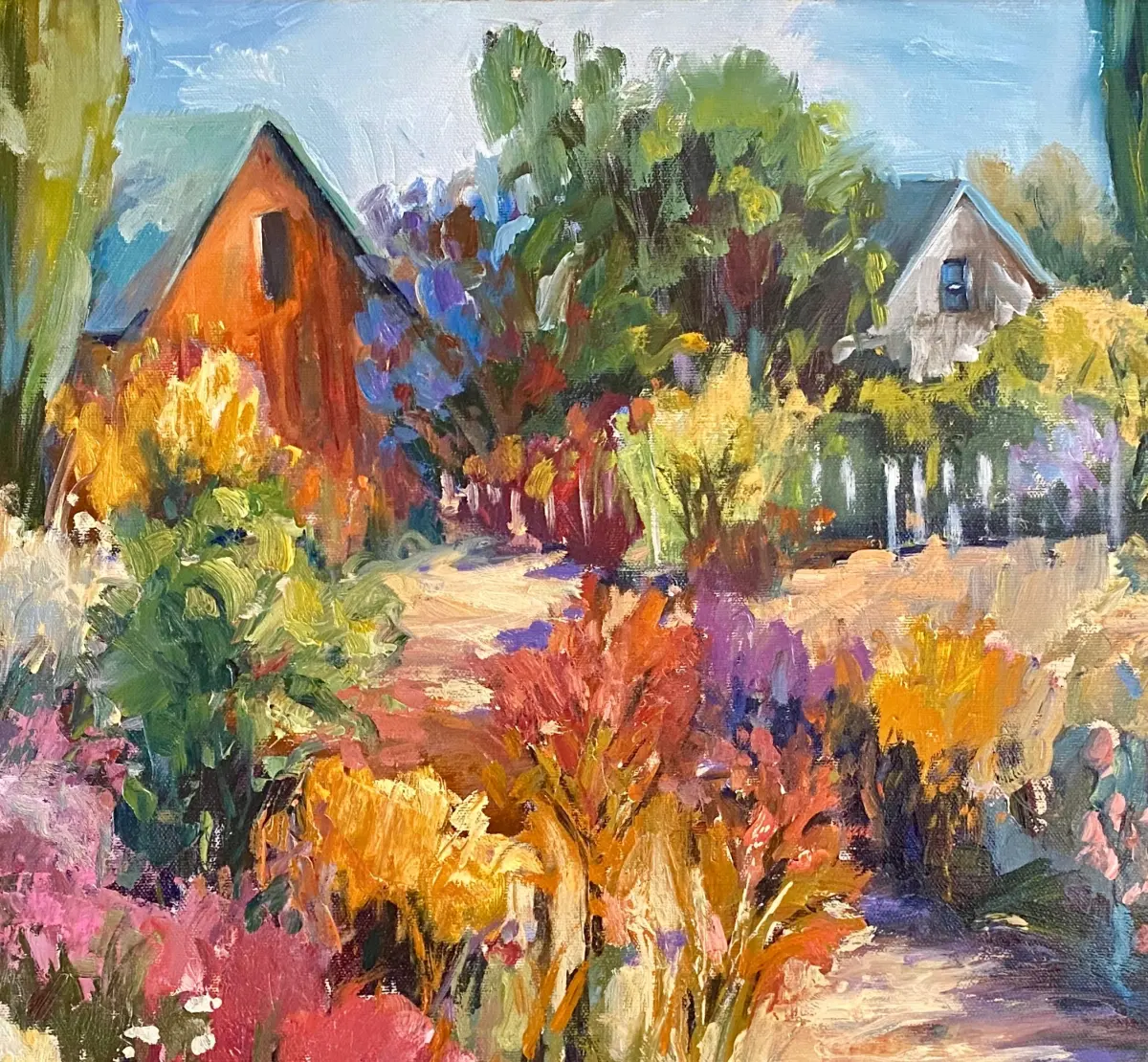
To paint quickly, you must prioritize the "big shapes" of light and shadow over intricate details. Start by squinting at your subject to blur the scene, which helps you identify the primary values. Use large, flat brushes to block in these shapes rapidly, ensuring you cover the entire canvas within the first ten minutes of your session.
Focusing on the "notan," or the balance of dark and light, is the most effective way to establish a composition quickly. Avoid the temptation to refine edges or add textures until the very end of the session. If you find yourself getting bogged down, force yourself to use a larger brush or paint with your non-dominant hand to break the habit of over-refining. By keeping your strokes loose and confident, you maintain the energy of the scene, which is often lost when a painter spends too much time on a single area.
How long does it take to finish a painting
A typical outdoor study, often called a "plein air sketch," should take between 45 and 90 minutes to complete. The sun moves across the sky at a rate that noticeably alters shadows every 20 to 30 minutes. If you spend longer than an hour and a half, the lighting conditions will change so significantly that your initial color relationships will no longer make sense.
If you are a beginner, aim to complete your first few studies in under an hour to force yourself to make quick decisions. This time constraint is a training tool that prevents you from obsessing over minor errors. As you gain experience, you will find that you can capture the essence of a landscape in as little as 30 minutes. Remember that the goal of rapid outdoor painting is to record a fleeting impression rather than a highly polished, photographic representation of the environment.
Common mistakes when painting outdoors
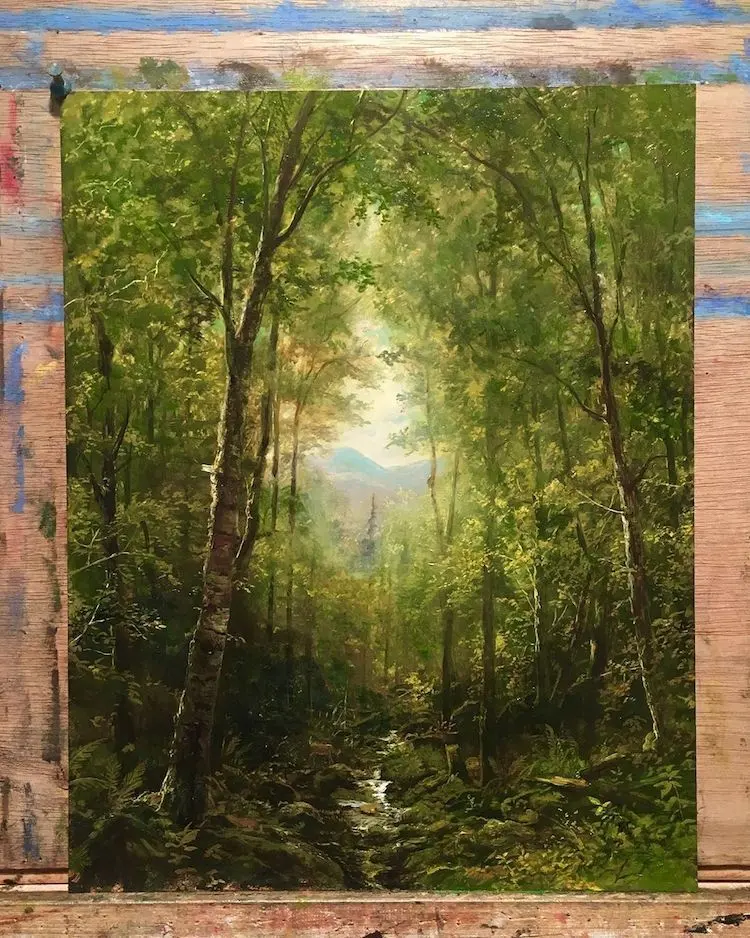
One of the most frequent errors is choosing a subject that is too complex for the time available. Beginners often attempt to paint entire cityscapes or dense forests, which contain too many individual elements to render quickly. Instead, look for a single focal point, such as a lone tree, a specific building corner, or a clear shadow pattern on a hillside.
Another common mistake is failing to account for the drying time of your medium. If you use oils, the paint can become muddy if you overwork it while it is still wet. Use a fast-drying medium like liquin or stick to acrylics if you want to layer colors without waiting. Avoid these common pitfalls to improve your speed:
- Setting up in direct, harsh sunlight that glares off your canvas.
- Carrying too many brushes, which leads to clutter and indecision.
- Trying to fix a mistake by scraping the entire canvas, which wastes precious light.
- Forgetting to bring a hat or sunscreen, which will force you to pack up early.
Why painting outdoors improves your skills
Painting outdoors forces you to observe the world with a heightened sense of urgency and accuracy. Because the light is constantly changing, you learn to trust your instincts and make bold choices rather than second-guessing your color mixing. This process strips away the luxury of procrastination and teaches you how to translate complex three-dimensional scenes into two-dimensional compositions efficiently.
Beyond speed, plein air work improves your ability to see color temperature and value relationships accurately. The natural light outdoors is far more intense than indoor studio lighting, revealing subtle nuances in color that you might otherwise miss. By practicing outdoors regularly, you develop a "visual shorthand" that allows you to identify and record the most important aspects of a scene almost instinctively. This discipline eventually translates into your studio work, making you a more efficient and decisive painter regardless of your setting. Embrace the pressure of the ticking clock, and you will find your artistic confidence growing with every session.
Key facts
- Limit your palette to three primary colors plus white to speed up color mixing and ensure harmony.
- Use large, flat brushes to block in shapes quickly rather than focusing on fine details.
- Paint the largest shadows first to establish the overall value structure of the scene.
- Set a timer for 60 to 90 minutes to prevent overworking the painting and losing spontaneity.
- Choose a portable easel that allows you to stand, as this provides a better vantage point and faster movement.
- Work on small surfaces, such as 8x10 inch panels, to finish a study before the light shifts significantly.
The bottom line
Painting outdoors, or en plein air, requires decisive action and preparation. By limiting your color palette, using larger brushes, and focusing on major value shapes rather than fine details, you can capture the essence of a scene before the light shifts. Embrace the practice of working quickly on small surfaces to build confidence, maintain fresh brushwork, and develop a keen eye for essential visual information.
People also ask
What is the best medium for painting outdoors?
Oil paints are often preferred for their slow drying time, which allows for blending over several hours. Acrylics are also popular because they dry almost instantly, making them easy to transport without smudging.
How do I handle changing light conditions?
Professional painters often use a technique called "locking in the light," where they establish the shadow shapes within the first 20 minutes. Once the light moves, you can finish the details based on these initial structures.
What should I pack in my field kit?
A minimalist kit includes a pochade box, a few brushes, a palette knife, a solvent container, and a limited set of paints. Keeping your gear lightweight ensures you can reach remote locations without fatigue.
How do I choose a subject quickly?
Look for strong contrast between light and dark areas rather than complex details. If a scene takes more than ten seconds to identify as a good composition, move on to find another.
Should I use a viewfinder?
A viewfinder is a simple cardboard frame that helps you crop a scene instantly. It eliminates the distraction of the surrounding landscape and helps you focus on the essential shapes.
How do I prevent my paint from drying out in the heat?
Keep your palette in the shade and use a spray bottle with water for acrylics or a light mist of oil for oil paints. Avoid painting in direct sunlight, which can cause the paint to become tacky too quickly.
This answer was created with the help of AI research tools and reference sources. Spotted an error? Let us know — we correct mistakes quickly. See our editorial policy.