What is a painting medium?
Short answer
A painting medium is a substance added to pigment to create a workable paint, or a liquid mixed into paint to alter its consistency, drying time, or finish. It acts as a binder, holding pigment particles together and adhering them to a surface, while also controlling the paint's flow and transparency.
On this page
What is a painting medium made of?
A painting medium consists of a binder, a solvent, and often additives that modify the physical properties of the paint. The binder is the most critical component, as it forms the film that locks the pigment onto the canvas or paper. In oil painting, the binder is typically a drying oil like linseed, walnut, or poppy oil. In acrylic painting, the binder is a synthetic polymer emulsion that dries into a flexible plastic-like film. Watercolor uses gum arabic as its primary binder.
Beyond the binder, mediums often contain additives to change how the paint behaves during application. These can include leveling agents to reduce brush strokes, retarders to slow down drying times, or thickeners to create impasto effects. Solvents, such as mineral spirits or water, are used to thin the medium and clean brushes. Understanding the chemistry of these components is essential for artists to ensure the longevity of their work. Mixing incompatible mediums can lead to cracking or delamination over time.
How to choose the right medium for your paint
Selecting a medium depends largely on the type of paint you are using and the specific aesthetic effect you wish to achieve. Oil painters often use mediums to increase the glossiness or transparency of their colors. Acrylic painters have a broader range of choices, including gels, pastes, and pouring mediums that can drastically alter the texture and volume of the paint. It is vital to note that you should never use a medium designed for one type of paint with another, as they are chemically incompatible.
When selecting a medium, consider these primary functions:
- Glazing: Used to create thin, transparent layers that allow light to pass through and reflect off the lower layers.
- Impasto: Thick mediums added to paint to build up physical texture and three-dimensional depth.
- Leveling: Additives that help the paint settle smoothly, minimizing visible brush marks for a flat finish.
- Drying Control: Substances that either accelerate or retard the evaporation process to suit your working speed.
How to mix painting mediums correctly
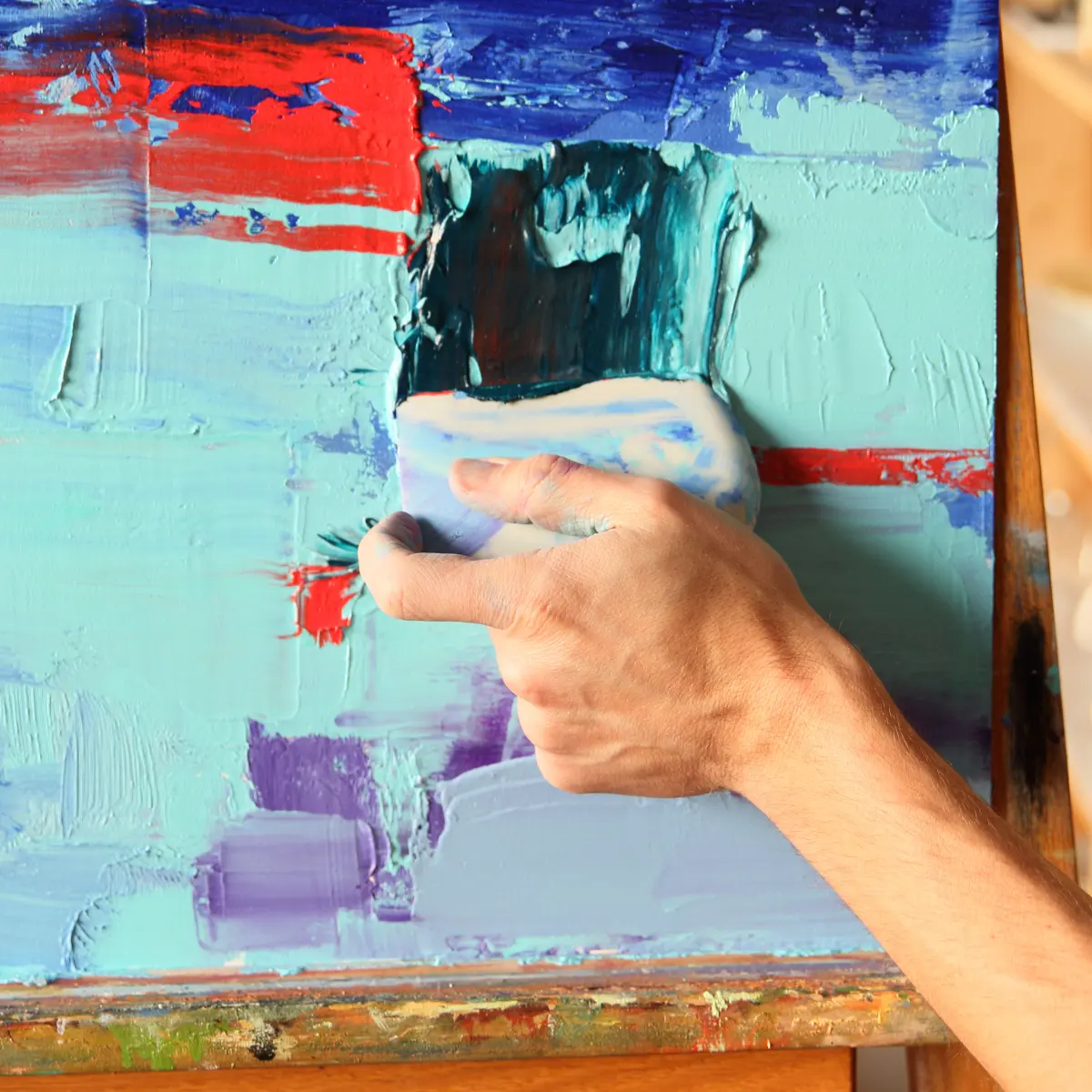
Mixing a medium requires patience and precision to maintain the structural integrity of the paint film. Always start by adding a small amount of medium to your pigment or paint on a palette, rather than pouring it directly into the tube. Use a palette knife to fold the medium into the paint until the consistency is uniform and free of streaks. If you are using a liquid medium, add it drop by drop to avoid making the paint too runny or transparent.
Follow these steps for a professional application:
- Squeeze a small amount of paint onto your palette.
- Add a conservative amount of your chosen medium to the side of the paint pile.
- Gradually incorporate the medium into the paint using a palette knife.
- Test the mixture on a scrap piece of canvas or paper to check the viscosity and transparency.
- Adjust the ratio as needed, keeping in mind that adding too much medium can weaken the paint's ability to hold pigment.
Common mistakes when using painting mediums
One of the most frequent errors artists make is the "fat over lean" rule violation in oil painting. This principle dictates that each successive layer of paint should contain more oil (fat) than the layer beneath it. If a bottom layer is "fatter" than the top layer, the top layer will dry faster and crack as the bottom layer continues to shift. Beginners often ignore this, leading to structural failures in their paintings that appear months or even years after completion.
Another common mistake is over-thinning paint with excessive solvent. While solvents are useful for cleaning, using them as a primary medium creates a weak, chalky paint film that lacks proper adhesion. This can cause the paint to dust off or flake away from the support once the solvent evaporates. Additionally, failing to clean brushes thoroughly between different mediums can contaminate your supplies. Always ensure your tools are completely dry and free of residue before starting a new session to prevent unwanted chemical reactions or color muddying.
Why painting mediums change over time
The physical properties of a painting medium evolve as the paint cures and ages. Oil-based mediums undergo a chemical process called oxidation, where the oil absorbs oxygen from the air to harden into a solid film. This process can take several months or even years to complete fully. During this time, the painting may become slightly more transparent or yellow, which is a natural characteristic of linseed oil. Acrylic mediums, by contrast, dry through the evaporation of water and remain relatively stable once the water has left the film.
Environmental factors significantly influence how a medium ages. High humidity can interfere with the drying process of oil mediums, potentially leading to mold or soft spots. Excessive heat can cause acrylic films to become tacky or brittle over time. To preserve your work, always store finished paintings in a climate-controlled environment away from direct sunlight. Using a final varnish, which is a specialized type of medium, can provide an extra layer of protection against dust, UV light, and mechanical damage, ensuring the longevity of your artistic efforts for generations to come.
Key facts
- A painting medium is any liquid substance added to pigment to create paint, determining its consistency, drying time, and finish.
- Linseed oil is the most common binder for oil paints, while gum arabic is used for watercolors.
- Acrylic medium is a synthetic polymer emulsion that acts as both a binder and a versatile additive for texture or gloss.
- Solvents like turpentine or mineral spirits are mediums used specifically to thin paint and clean brushes, not to bind pigment.
- Alkyd mediums are fast-drying additives that allow oil painters to work more quickly by reducing drying times to 24 hours or less.
- Always add mediums gradually; using too much can make a paint film brittle, prone to cracking, or overly glossy.
The bottom line
A painting medium is an essential tool that transforms raw pigment into a functional, expressive material. By adjusting the flow, drying time, and texture of your paint, these substances allow artists to achieve professional results and unique visual effects. Whether you are working with oils, acrylics, or watercolors, understanding how to select and apply the right medium is key to mastering your chosen artistic craft.
People also ask
What is the difference between a binder and a medium?
A binder is the specific glue, such as oil or gum, that holds pigment particles together in the paint tube. A medium is an additive you mix in during the painting process to change how the paint behaves on the canvas.
Can I mix different types of painting mediums together?
You should generally avoid mixing mediums from different chemical families, such as oil-based and water-based products. Doing so can cause the paint to separate, peel, or fail to dry properly on the surface.
How do I know which medium to choose for my project?
Choose based on your desired outcome: use glazing mediums for thin, transparent layers or impasto gels for thick, raised textures. If you want a matte finish, look for specific matte-finish additives rather than standard gloss mediums.
Do mediums change the color of the paint?
Most professional-grade mediums are designed to dry clear or transparent to maintain color integrity. However, some oil-based mediums may yellow slightly over many decades, which is a natural aging process.
How should I store my painting mediums?
Keep containers tightly sealed in a cool, dark place to prevent oxidation and evaporation. Ensure that flammable solvents are stored away from heat sources and kept in well-ventilated areas.
Is it necessary to use a medium at all?
You can use paint straight from the tube, but mediums significantly expand your technical range. They allow you to control the flow, transparency, and durability of your work beyond what raw pigment can achieve alone.
This answer was created with the help of AI research tools and reference sources. Spotted an error? Let us know — we correct mistakes quickly. See our editorial policy.