What is a retarder medium?
Short answer
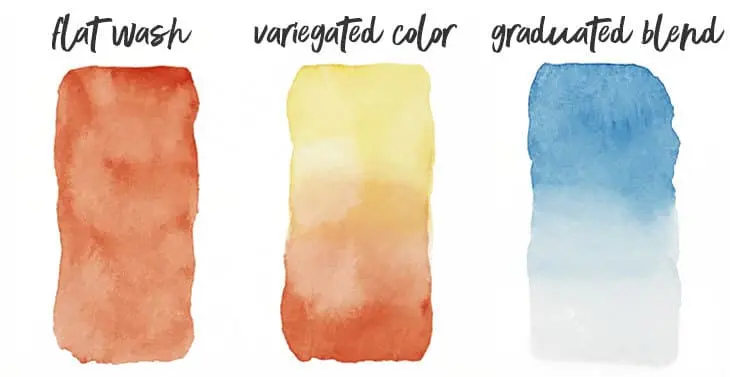
A retarder medium is a chemical additive used primarily with acrylic paints to slow down the evaporation rate of water. By extending the drying time, it allows artists to blend colors more smoothly, create subtle gradients, and work for longer periods on the canvas without the paint hardening prematurely.
On this page
What is a retarder medium used for?
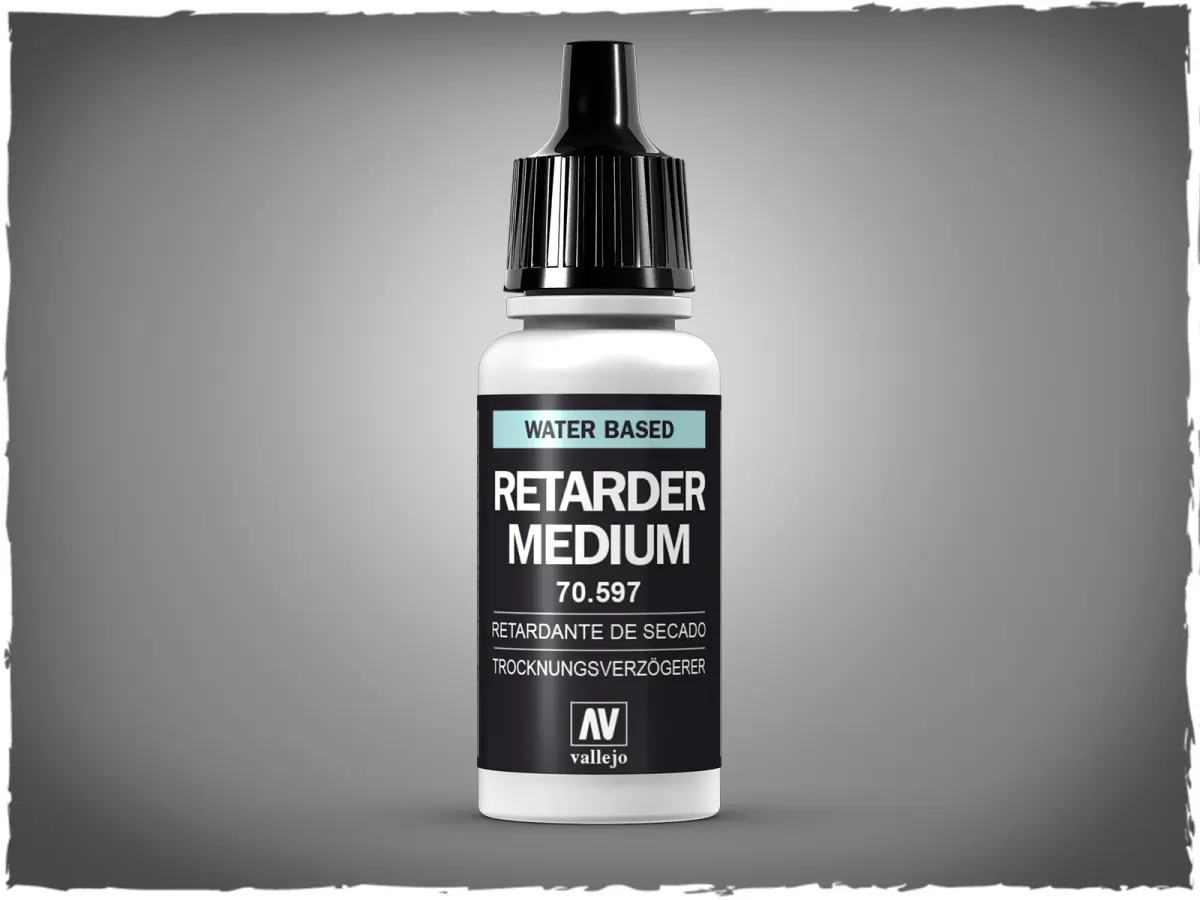
A retarder medium is a specialized liquid or gel additive designed to modify the working properties of water-based paints, most commonly acrylics. Because acrylic paint is polymer-based and dries through the rapid evaporation of water, it typically sets within minutes. This quick drying time can be a significant hurdle for artists attempting to achieve soft transitions or realistic blending techniques similar to those used in oil painting.
By introducing a retarder into the paint mixture, the artist effectively disrupts the evaporation process. This creates a "wet edge," allowing for extended manipulation of the pigment on the surface. It is particularly useful for portraiture, where skin tones require seamless blending, or for large-scale paintings where the artist needs to keep a large area of color workable for an extended duration.
How to use retarder medium correctly
To achieve the best results, you must follow the manufacturer’s specific mixing ratios, as adding too much can compromise the structural integrity of the paint film. Most professional-grade retarders are highly concentrated, meaning a small amount goes a long way. If you exceed the recommended percentage, the paint may remain tacky indefinitely or fail to cure into a durable, water-resistant layer.
- Squeeze the desired amount of acrylic paint onto your palette.
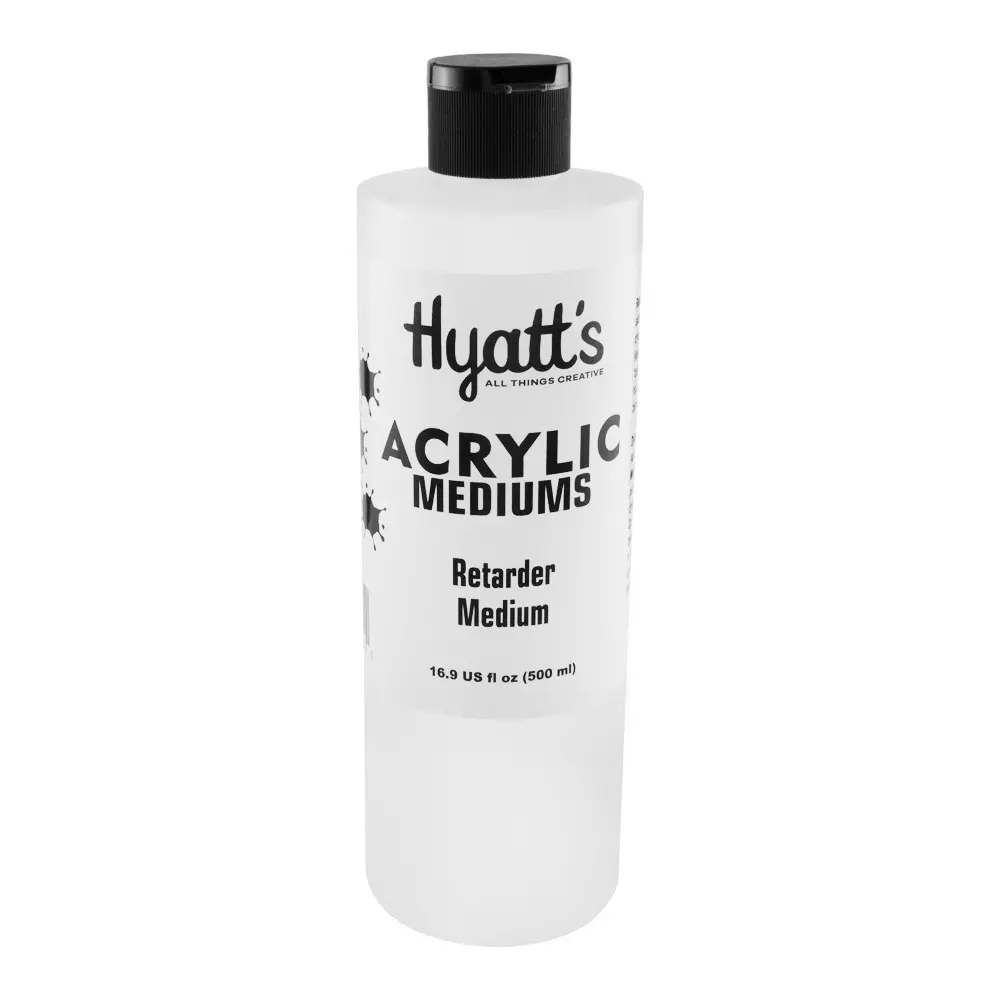
- Add the retarder medium drop by drop, or follow the specific volume ratio suggested on the bottle.
- Mix the medium thoroughly into the paint using a palette knife until the consistency is uniform.
- Apply the mixture to your canvas using a brush or sponge, noting that the paint will now feel more fluid and stay wet for significantly longer.
How long does retarder medium keep paint wet?
The duration that a retarder keeps paint wet depends on several environmental factors, including ambient temperature, humidity, and the thickness of the paint application. In a standard room environment, a high-quality retarder can extend the open time of acrylics from a few minutes to several hours. However, thin washes will always dry faster than heavy impasto applications, regardless of the amount of retarder added.
- High humidity: Increases the effectiveness of the retarder, keeping paint wet for longer periods.
- Low humidity and high heat: Accelerates evaporation, potentially shortening the expected open time.
- Surface absorbency: Highly absorbent surfaces like raw canvas will pull moisture from the paint faster than primed or non-porous surfaces.
- Layer thickness: Thicker applications retain moisture more effectively than thin glazes.
Common mistakes when using retarder medium
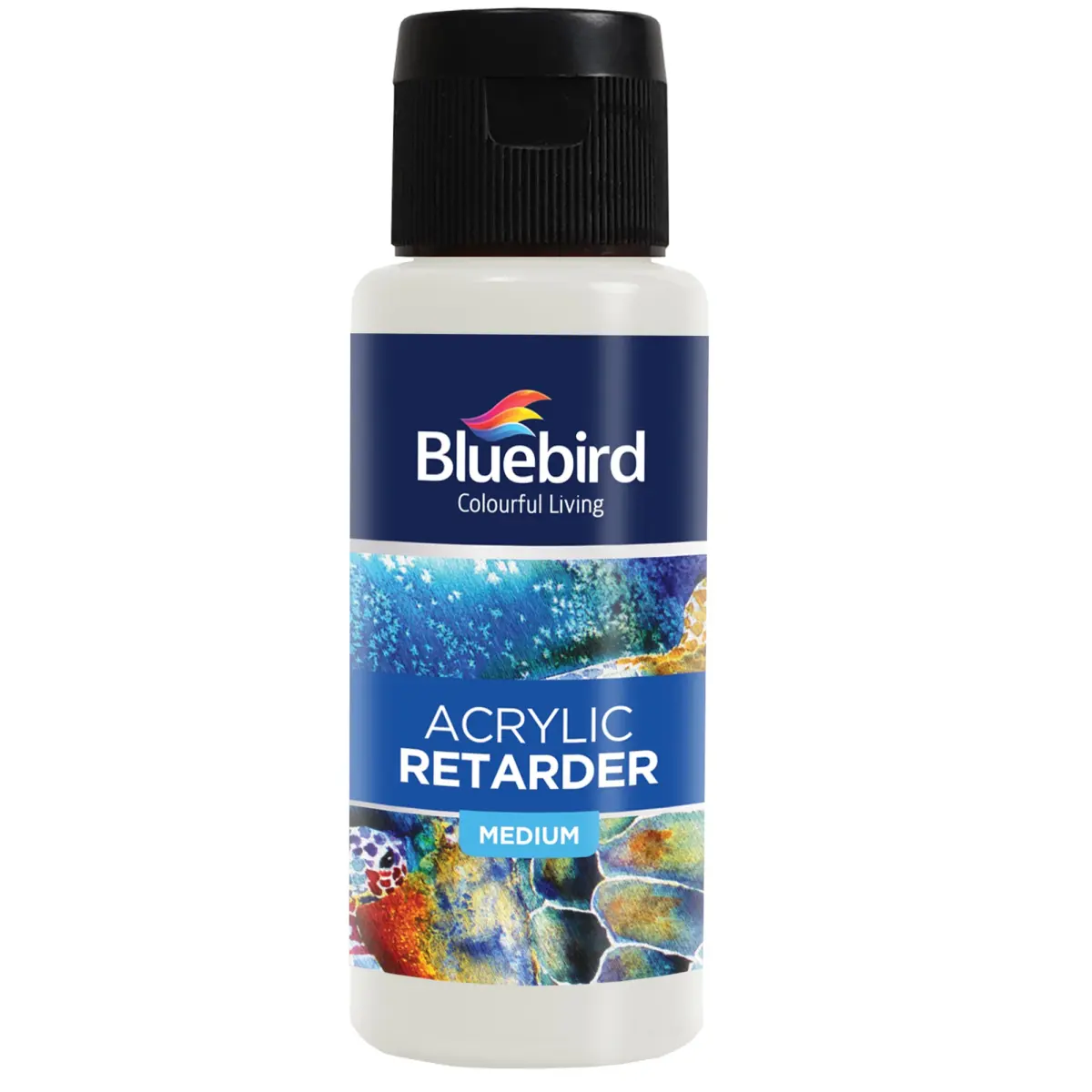
One of the most frequent errors artists make is adding water to the paint alongside the retarder. While it may seem logical to thin the paint with water, doing so dilutes the acrylic polymer binder. When the binder concentration becomes too low, the paint loses its adhesion and may become powdery or brittle once dry. Always prioritize the medium over water when you need to adjust consistency.
Another common mistake is failing to mix the retarder completely. If the medium is not thoroughly integrated into the pigment, you may encounter "streaky" drying, where some parts of the paint film remain wet while others dry instantly. Furthermore, some beginners attempt to mix retarder directly into the paint tube. This is discouraged, as it can alter the long-term stability of the paint while it sits in storage. Always mix your retarder on the palette immediately before you begin your painting session.
Best practices for blending with retarder
To master the art of blending with retarders, focus on your brushwork and the amount of paint on your tool. When working with a retarded mixture, use a soft, synthetic brush to gently push the colors together on the canvas. Because the paint stays wet, you can spend time refining edges and creating soft transitions that would be impossible with standard acrylics. It is helpful to keep a spray bottle of water nearby to lightly mist the canvas if the surface begins to set too quickly.
Experimenting with different ratios is essential to finding your personal preference. Some artists prefer a very slow-drying paint to allow for intricate detail work, while others only need a few extra minutes to smooth out a background. Keep a journal of your mixtures to track which ratios work best for your specific style. By mastering these techniques, you can enjoy the versatility of acrylics while gaining the creative freedom typically associated with traditional oil-based mediums.
Key facts
- A retarder medium is a chemical additive used to slow the drying time of water-based paints, such as acrylics.
- It is typically composed of glycol or similar humectants that prevent water from evaporating too quickly from the paint film.
- Adding a retarder allows artists to perform wet-on-wet blending and create smooth gradients that are otherwise difficult with fast-drying acrylics.
- You should generally limit the retarder to no more than 15-20% of the total paint volume to avoid preventing the paint from ever curing properly.
- Unlike water, which thins the paint and weakens the binder, a retarder maintains the integrity and adhesion of the paint film.
- Always mix the retarder thoroughly into the paint on your palette before applying it to your canvas to ensure an even drying rate.
The bottom line
A retarder medium is an essential tool for acrylic artists who desire the extended blending capabilities typically associated with oil paints. By slowing the evaporation of water, it grants you the freedom to refine gradients and textures without the pressure of rapid drying. When used sparingly and mixed thoroughly, it enhances your creative control while ensuring your finished artwork remains durable, professional, and properly cured over time.
People also ask
Can I use water instead of a retarder medium?
No, water thins the paint and can cause the binder to lose its strength, leading to a chalky or brittle finish. A retarder is specifically formulated to keep the paint's structural integrity intact while extending its working time.
Does a retarder change the color of my paint?
Most professional-grade retarders are clear and will not shift the hue or opacity of your paint. However, adding excessive amounts can sometimes result in a slightly glossier finish than the original paint.
How long does a retarder keep paint wet?
The extension of drying time depends on the brand, the amount used, and the ambient humidity. Generally, it can keep paint workable for an extra 15 to 60 minutes, allowing for more detailed blending.
Can I use a retarder with oil paints?
No, oil paints already have a very long drying time and do not require a retarder. Instead, oil painters use solvents like mineral spirits or mediums like linseed oil to adjust drying speed and consistency.
What happens if I use too much retarder?
Using an excessive amount of retarder can prevent the paint from ever drying completely. This leaves the surface tacky, which attracts dust and prevents the application of subsequent layers or varnish.
Can I mix a retarder with other mediums?
Yes, you can combine a retarder with other acrylic mediums like gels or flow improvers. Just ensure you do not exceed the recommended total additive ratio to maintain the durability of the paint layer.
This answer was created with the help of AI research tools and reference sources. Spotted an error? Let us know — we correct mistakes quickly. See our editorial policy.