What is the difference between a print and a painting?
Short answer
A painting is a unique, one-of-a-kind work created by an artist applying pigment directly to a surface like canvas or wood. A print is a mechanical or manual reproduction of an image, created in multiple copies from a master plate, block, or digital file, making it a reproducible artistic medium.
On this page
How to identify a painting versus a print
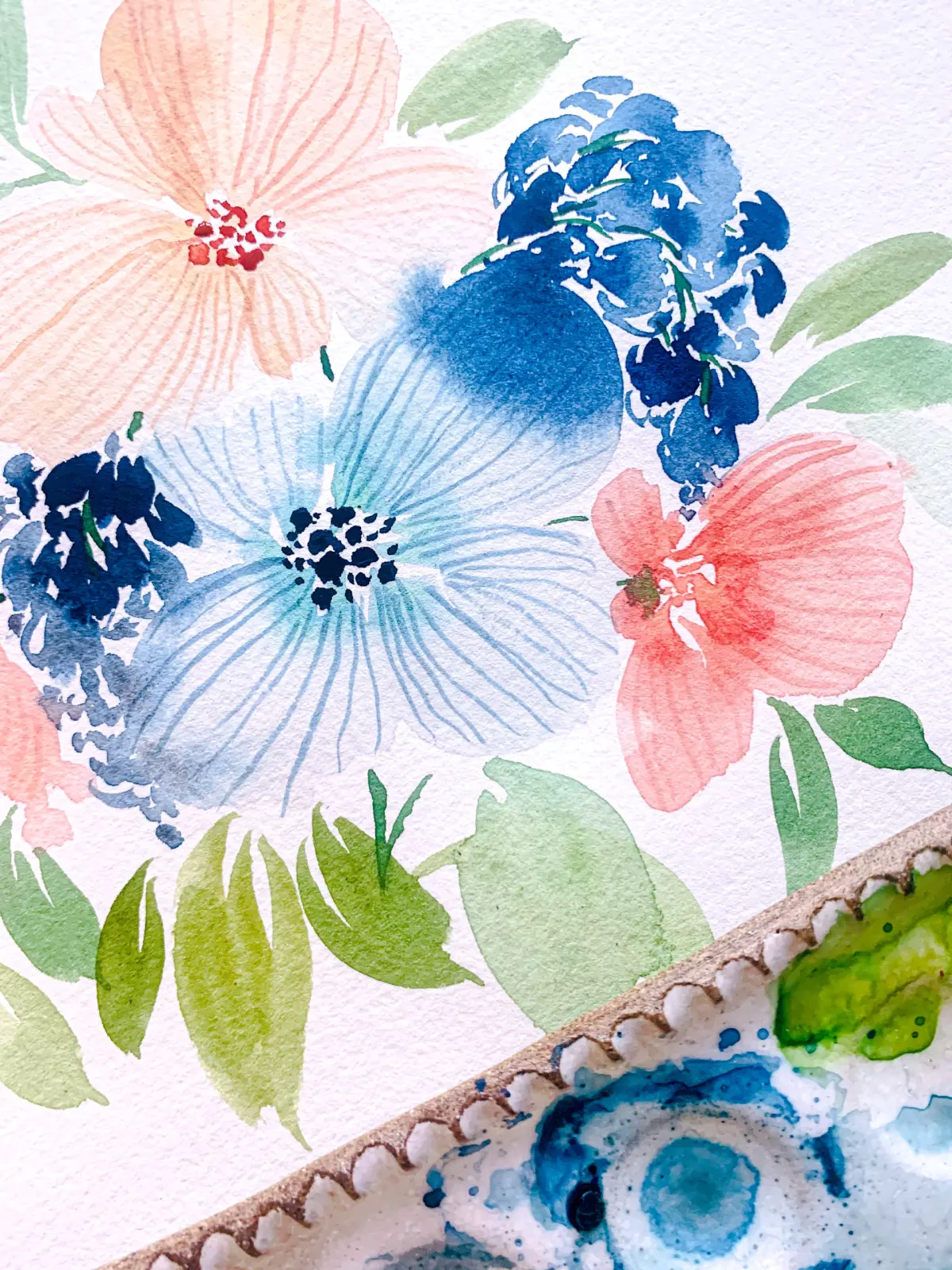
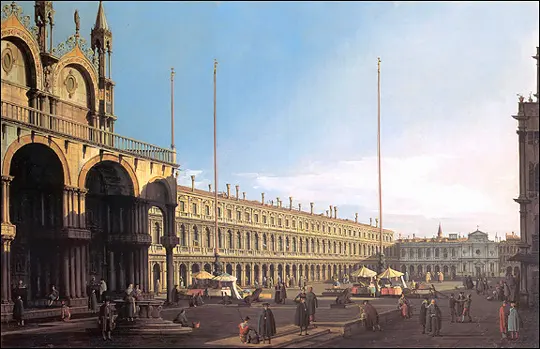
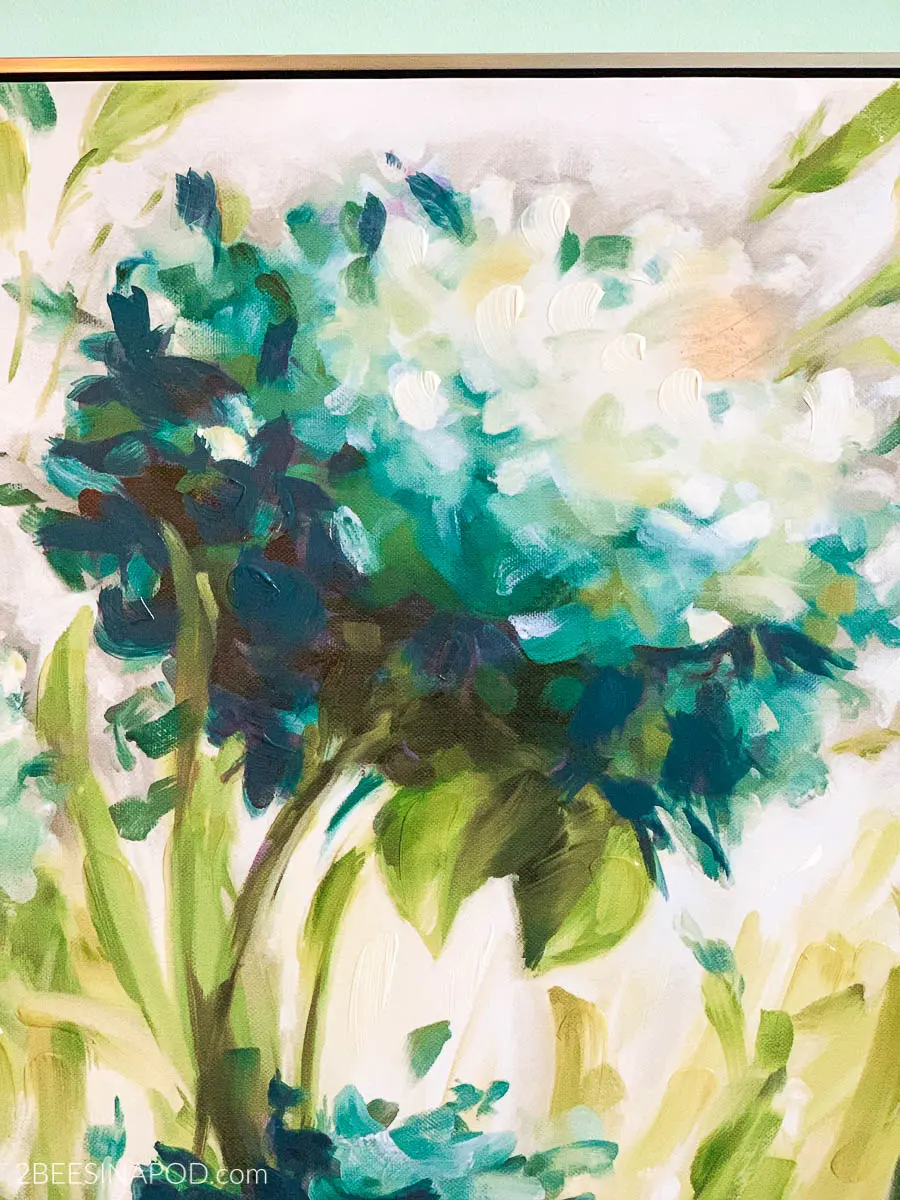
The primary difference lies in the physical creation of the image. A painting involves the direct application of wet media, such as oil, acrylic, or watercolor, onto a support. When you examine a painting closely, you can often see the texture of the brushstrokes, the physical buildup of paint layers, and the weave of the canvas. Because the artist works directly on the surface, no two paintings are identical, even if they depict the same subject.
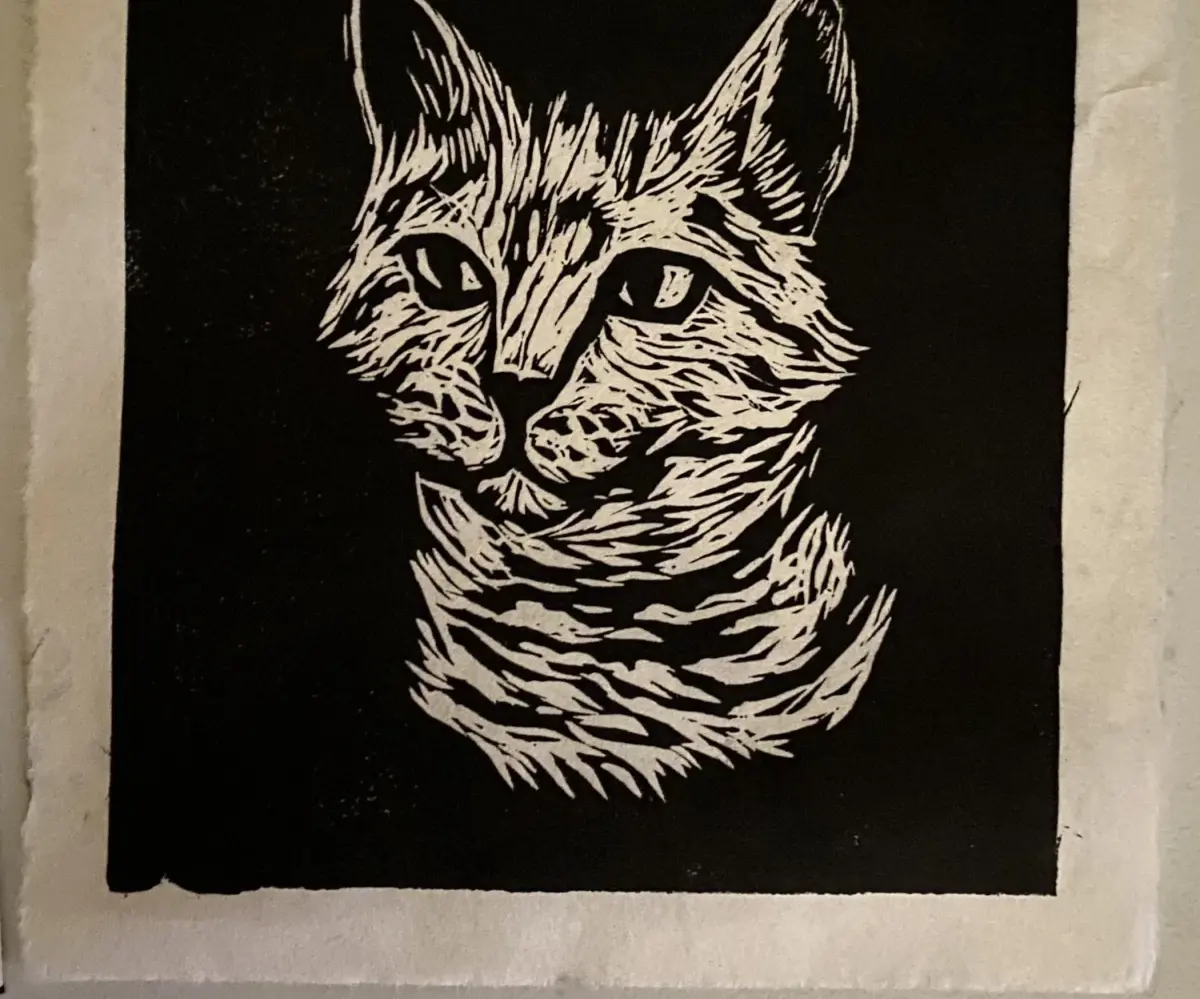
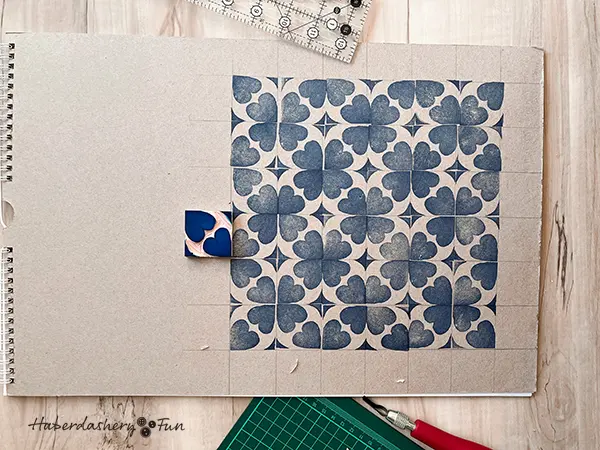
In contrast, a print is an image transferred from a matrix—such as a metal plate, a wooden block, or a silk screen—onto paper or another material. Because the artist uses a master matrix to press the image repeatedly, prints are produced in editions. While some prints are hand-pulled by the artist, they remain distinct from paintings because they rely on the transfer of ink rather than the direct, spontaneous application of paint.
What are the different types of prints
Prints are categorized by the method used to transfer the ink. Traditional techniques, known as fine art prints, are labor-intensive and involve the artist carving or etching a surface. Modern printing, such as giclée or offset lithography, uses high-resolution digital files or industrial presses to create reproductions. Understanding these categories is essential for collectors and enthusiasts.
- Relief printing: The artist carves away the negative space from a block of wood or linoleum, leaving the image raised to receive ink.
- Intaglio: The artist incises lines into a metal plate, fills the grooves with ink, and runs it through a press under high pressure.
- Lithography: Based on the chemical principle that oil and water repel each other, the image is drawn onto a flat stone or metal plate.
- Screen printing: Ink is pushed through a fine mesh screen onto the printing surface using a squeegee.
- Digital printing: Inkjet printers spray microscopic droplets of pigment onto archival paper to replicate an original artwork.
How to spot a reproduction print
If you are unsure whether a piece is an original painting or a print, look for signs of mechanical reproduction. A high-quality magnifying glass is the most useful tool for this investigation. If you see a consistent, uniform pattern of tiny colored dots—often called a halftone or rosette pattern—the piece is almost certainly a mechanical print rather than a painting.
- Use a magnifying glass to inspect areas of solid color or gradients.
- Look for the absence of physical texture or brushstroke depth.
- Check the edges of the image to see if the ink looks flat or absorbed into the paper fibers.
- Verify if the signature is printed as part of the image or if it appears to be written in pencil or ink on top of the paper.
- Search for an edition number, such as "15/100," which indicates the print is part of a limited series.
Common mistakes when buying art
Many buyers mistakenly assume that any image on canvas is a painting. However, modern technology allows for "canvas transfers," where a digital print is glued to a canvas and coated with a clear gel to mimic brushstrokes. This is a reproduction, not an original painting. Another common error is failing to distinguish between an original fine art print and a mass-produced poster.
A fine art print is a collaborative effort between the artist and the printing process, often signed and numbered by the creator. A poster, by contrast, is a commercial item intended for decoration rather than investment. Always ask if the work is an "original print" or a "reproduction." An original print implies the artist created the matrix themselves, whereas a reproduction is a copy of an existing painting. If the price seems too low for a large piece, it is likely a mass-produced print.
Why the distinction matters for value
The value of an artwork is heavily influenced by its scarcity and the labor involved in its creation. A painting is inherently rare because it is the only version of that specific image in existence. This scarcity often drives higher prices in the art market. Prints are valued differently; they are judged by the quality of the edition, the prestige of the printing technique, and the rarity of the specific print run.
When collecting, consider the intent behind the work. If you seek a unique, tactile experience where the artist's hand is visible in every stroke, a painting is the ideal choice. If you appreciate the technical skill of printmaking or desire an image that exists in multiple copies, fine art prints offer a sophisticated and often more accessible entry point into art collecting. Both mediums require careful preservation, such as avoiding direct sunlight and using acid-free materials for framing, to ensure they remain in excellent condition for generations.
Key facts
- A painting is a unique, one-of-a-kind work created by applying pigment to a surface, while a print is a reproduction made from a master plate, block, or digital file.
- Original paintings feature visible brushstrokes and physical texture, known as impasto, which is absent in standard flat prints.
- Prints are often produced in editions; a "limited edition" print is signed and numbered by the artist, such as 1/50, indicating its place in the series.
- To identify a print, use a magnifying glass to check for a dot-matrix pattern, which indicates a mechanical reproduction rather than hand-applied paint.
- Paintings are susceptible to fading and cracking over time due to the chemical composition of oils or acrylics, whereas prints are sensitive to UV light damage.
- When buying art, always check for a signature; a printed signature is part of the reproduction, while a hand-signed signature is added after printing.
The bottom line
The primary distinction lies in the method of creation: paintings are singular, hand-crafted expressions of an artist’s physical labor, while prints are reproducible images generated through mechanical or digital systems. Understanding this difference is essential for collectors and enthusiasts alike. By examining texture, signatures, and production methods, you can accurately identify the nature of a piece and ensure you are making an informed investment in art.
People also ask
What is a giclée print?
A giclée is a high-quality inkjet print produced using fade-resistant archival inks and professional-grade paper. These are often used by artists to create affordable reproductions of their original paintings.
Can a print ever be considered an original work of art?
Yes, in mediums like lithography, etching, or screen printing, the artist creates the master plate specifically for the print. These are considered original prints because the artist intended the print to be the final work, not a copy of another medium.
Why are some prints more expensive than others?
Price is determined by the artist's reputation, the size of the edition, and the quality of materials used. A print from a small, hand-pulled edition will cost significantly more than a mass-produced poster.
How can I tell if a painting is an original or a print on canvas?
Look at the edges of the canvas; if the image wraps around the side without visible brushstrokes or paint texture, it is likely a digital print. Original paintings usually show paint buildup or uneven edges where the artist worked.
Do prints hold their value like paintings?
Generally, original paintings appreciate in value more reliably than prints. However, rare prints by famous artists, such as those by Andy Warhol, can increase in value significantly over time.
What is the best way to preserve a print?
Always use acid-free matting and UV-protective glass when framing a print. Avoid hanging prints in direct sunlight, as the inks will fade much faster than oil-based paints.
This answer was created with the help of AI research tools and reference sources. Spotted an error? Let us know — we correct mistakes quickly. See our editorial policy.