How do you paint shadows in watercolor?
Short answer
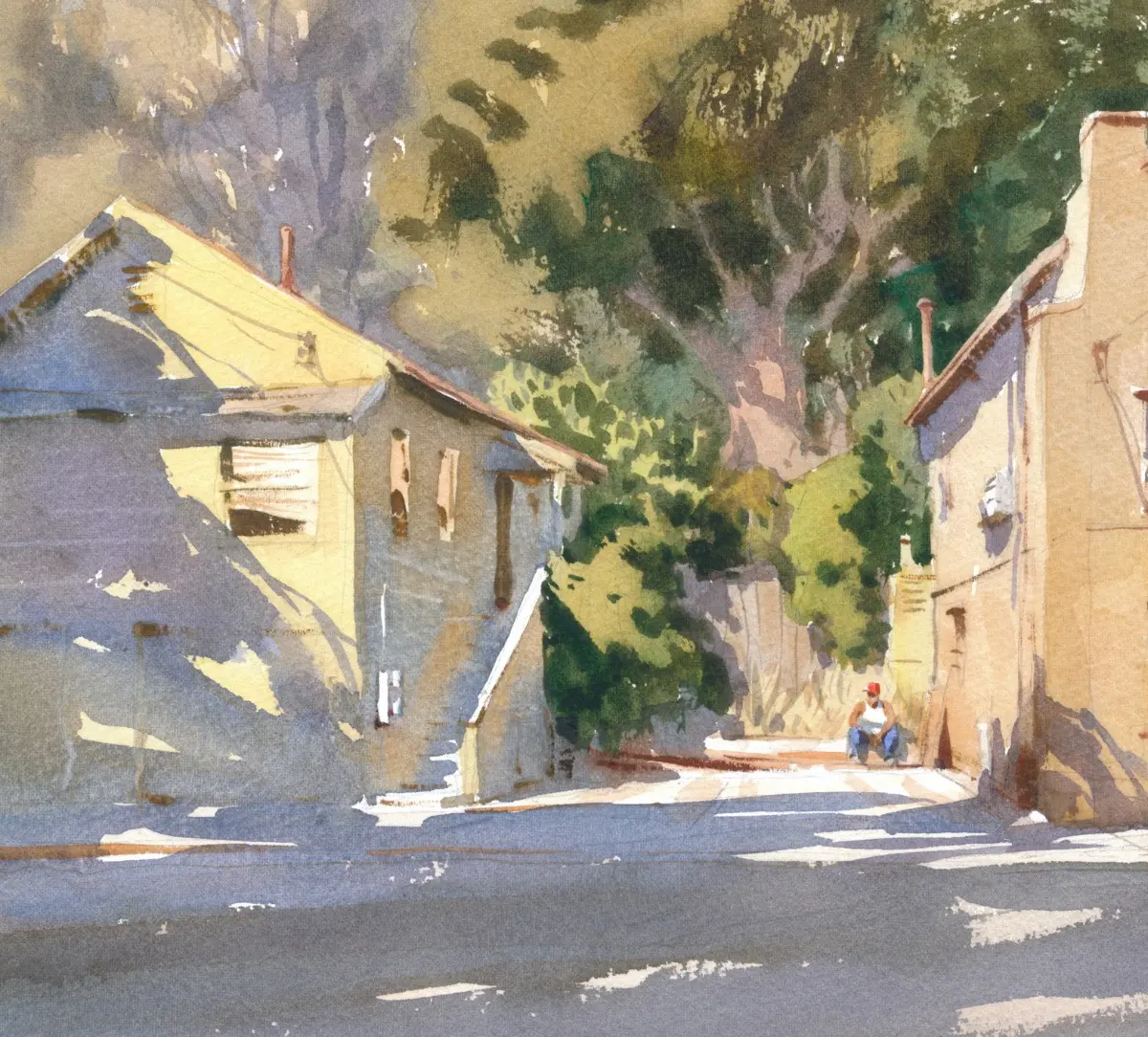
Painting shadows in watercolor requires mixing cool-toned, transparent pigments rather than simply adding black. By applying thin, watery glazes over dried base colors, you create depth without muddying the painting. Always observe the light source to maintain consistent shadow direction and use a light touch to preserve the paper's luminosity.
On this page
How to mix colors for realistic shadows
Many beginners mistakenly reach for black paint to darken a color, which often results in a flat, lifeless appearance. In reality, shadows are rarely neutral gray; they usually contain the complementary color of the light source or the object itself. For example, if you are painting a sunlit yellow lemon, the shadows will lean toward violet or cool blue. To create a natural shadow, mix a small amount of a complementary color into your base hue.
Professional watercolorists often rely on a "shadow palette" consisting of transparent, staining pigments. Useful combinations include:
- Ultramarine blue mixed with burnt sienna for a neutral, earthy gray.
- Phthalo blue mixed with alizarin crimson for a deep, cool purple.
- Viridian green mixed with permanent rose for a muted, organic shadow tone.
By testing these mixtures on a scrap piece of paper first, you can ensure the shadow color complements the local color of the subject without appearing overly saturated or dull.
How to apply shadows with glazing techniques
Glazing is the process of layering transparent washes of color over a completely dry base layer. Because watercolor is inherently translucent, the light reflects off the white paper and travels back through the layers of pigment. If you apply a shadow wash while the underlayer is still damp, the colors will bleed together, creating a soft, muddy effect rather than a crisp, defined shadow.
To achieve clean, professional results, follow these steps:
- Allow your initial "local color" wash to dry until it is cool to the touch.
- Mix your shadow color with a high water-to-pigment ratio to ensure transparency.
- Load your brush and apply the shadow in a single, confident stroke to avoid disturbing the underlying paint.
- Let the shadow layer dry fully before attempting to add further details or deeper accents.
This methodical approach preserves the clarity of the colors while building the necessary value contrast to define the form of your subject.

Why shadows look muddy or flat
Muddy shadows are the most common frustration for watercolorists, usually caused by overworking the paper or mixing too many pigments together. When you stir three or more colors on your palette, the result is often a brownish-gray sludge. To keep shadows vibrant, limit your mixtures to two pigments whenever possible. Additionally, avoid scrubbing the paper with your brush, as this lifts the fibers and creates a textured, dull surface that traps pigment unevenly.
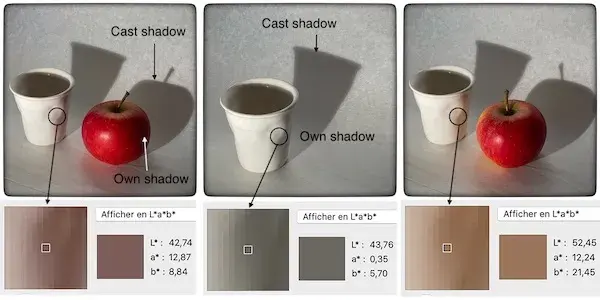
Flatness occurs when the shadow lacks variation in temperature or value. A shadow is not a uniform block of color; it often has a "core shadow," which is the darkest part, and a "reflected light" area, where light bounces from the ground back into the shadow. By subtly shifting the hue within the shadow—perhaps making it slightly warmer near the edge—you add a sense of three-dimensional volume. Always observe your subject closely to see where the light hits and where the deepest recesses lie.

Common mistakes when painting shadows
One frequent error is failing to consider the direction and intensity of the light source. If your shadows fall in different directions across the composition, the painting will look disjointed and unrealistic. Before you begin painting, lightly sketch the direction of the light with a pencil. This map acts as a guide, ensuring that every shadow cast by an object remains consistent throughout the entire piece.
Another mistake is using shadows that are too dark or too light for the overall value range of the painting. If your shadows are too light, the object will appear to float without weight. If they are too dark, they can overwhelm the subject and make the painting feel heavy. Remember that shadows are relative to the surrounding light. Always squint at your subject to simplify the scene into basic shapes of light and dark, which helps you identify the correct value for your shadows before you commit to the paper.
Best tools for painting shadows
The quality of your brushes and paper significantly impacts your ability to execute clean shadow washes. Natural hair brushes, such as Kolinsky sable, hold a large amount of water and pigment, allowing for smooth, continuous strokes that are essential for large shadow areas. Synthetic brushes are also effective, provided they have a sharp point and a good "snap" to maintain control during detailed work. Use a round brush for most applications, as it offers the versatility to create both broad washes and fine, sharp edges.
Paper choice is equally critical for successful shadow work. Cold-press watercolor paper has a slight texture that helps grab the pigment, while hot-press paper is smoother and better for fine detail. Regardless of the texture, ensure your paper is at least 140lb (300gsm) to prevent buckling when you apply multiple glazes. High-quality cotton paper will allow you to lift and adjust your shadows if necessary, whereas wood-pulp paper often absorbs pigment too quickly, making it difficult to achieve the soft, transparent transitions required for natural-looking shadows.
Key facts
- Never use pure black paint for shadows, as it often looks flat and lifeless on paper.
- Mix complementary colors, such as blue and orange or purple and yellow, to create natural, chromatic grays.
- Keep shadow edges soft by wetting the paper slightly before applying pigment or by using a damp brush to blur the lines.
- Paint shadows with a consistent light source in mind to ensure the composition remains visually grounded and logical.
- Apply shadows in thin, transparent layers, allowing each wash to dry completely to prevent the paper from becoming overworked or muddy.
- Use a "cool" color temperature for shadows in sunlight and a "warm" color temperature for shadows in indoor or artificial light.
The bottom line
To master watercolor shadows, focus on color harmony and edge control rather than simply darkening your hues. By mixing complementary colors to create rich, transparent grays and maintaining a consistent light source, you will achieve depth and realism. Avoid the temptation to use black or opaque pigments, as these destroy the luminous quality that makes watercolor a uniquely vibrant and expressive medium for any artist.
People also ask
Should I paint shadows first or last?
It is generally best to paint shadows after establishing your mid-tones and highlights. This allows you to judge the necessary depth of the shadow relative to the existing colors on the page.
How do I prevent my watercolor shadows from looking muddy?
Avoid over-mixing your pigments on the palette or scrubbing the paper repeatedly. Use a clean brush and apply the shadow color in one or two confident, fluid strokes.
Can I use white paint to lighten a shadow?
You should avoid using opaque white, as it creates a chalky, flat appearance that ruins the transparency of watercolor. Instead, control the value by adding more water to your pigment mix.
Why do my shadows look like they are floating?
This usually happens when the shadow does not connect to the base of the object. Ensure the shadow shape touches the object it is casting from to anchor it to the ground plane.
What is the best brush for painting shadows?
A round or pointed sable brush is ideal because it holds a good amount of water while maintaining a sharp tip for precision. This allows for both broad washes and fine, controlled edges.
How do I fix a shadow that is too dark?
If the paint is still wet, you can lift the pigment by dabbing it gently with a clean, damp brush or a paper towel. Once the paint is dry, it is much harder to remove without damaging the paper surface.
This answer was created with the help of AI research tools and reference sources. Spotted an error? Let us know — we correct mistakes quickly. See our editorial policy.