How do you paint skin tones with watercolor?
Short answer
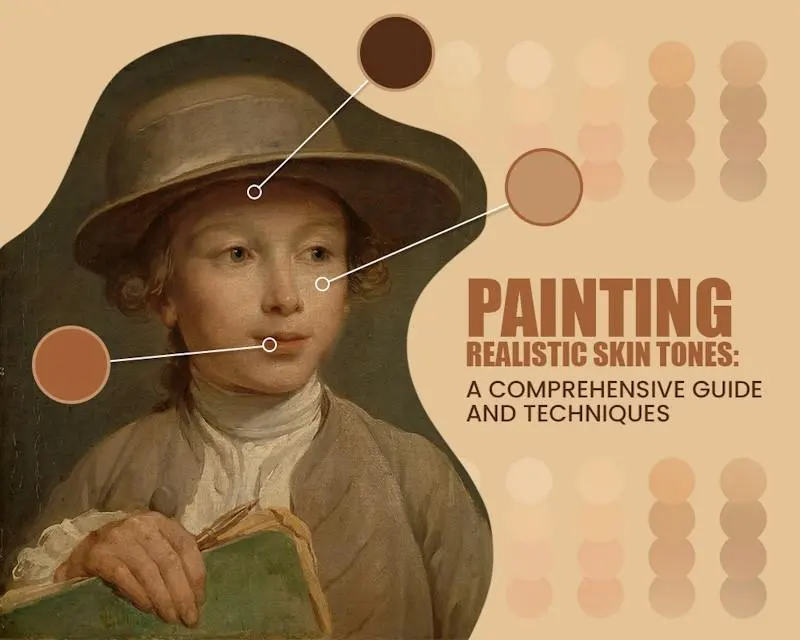
Painting realistic skin tones in watercolor requires layering transparent washes rather than mixing a single "flesh" color. Start with a light base, then systematically build depth using warm and cool undertones. By balancing pigments like yellow ochre, burnt sienna, and alizarin crimson, you can achieve natural luminosity and avoid muddy, flat results.
On this page
How to mix natural skin tones
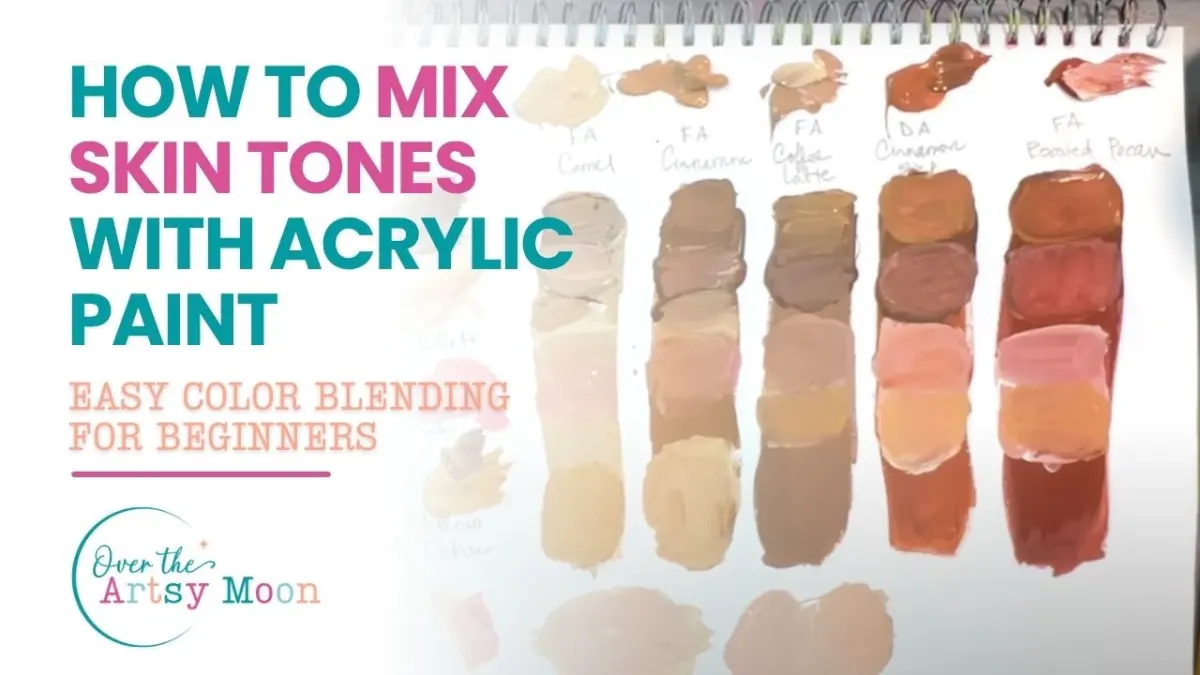
The secret to authentic skin tones lies in the principle of color temperature. Rather than relying on a pre-made "flesh" tube, which often appears chalky or artificial, you should mix your own palette using primary colors. A reliable starting point involves combining a warm yellow, such as yellow ochre or raw sienna, with a touch of a warm red like cadmium light or burnt sienna. To neutralize these vibrant hues, add a small amount of a cool blue, such as ultramarine or cerulean.
Because watercolor is transparent, you must account for the white of the paper acting as your brightest highlight. Begin by mixing a very thin, watery wash of your chosen base color. Test this mixture on a scrap piece of paper before applying it to your subject. If the color seems too intense, dilute it with more water. Remember that colors always dry lighter than they appear when wet, so aim for a slightly more saturated tone than you think you need.
How to layer watercolor for skin
Building skin tone is a process of gradual refinement. Start with the lightest areas of the face, applying a broad, pale wash across the skin planes. Once this layer is completely dry, introduce mid-tones to define the structure of the face, such as the cheekbones, nose, and chin. By working in thin, transparent layers, you maintain the "glow" of the paper surface, which mimics the way light penetrates human skin.
To create depth and volume, follow these layering steps:
- Apply a light base wash to define the overall light direction.
- Allow the paper to dry fully to prevent unwanted blooms or bleeding.
- Use a slightly thicker, more pigmented wash to shadow the recessed areas.
- Add subtle glazes of cool or warm colors to suggest blood vessels or shadows.
- Use a dry brush technique for final details like freckles or fine lines.
Best watercolor palettes for beginners
For those starting out, a limited palette is superior to a large set. You only need a few high-quality pigments to create an infinite variety of skin tones. Professional artists often recommend a split-primary palette, which includes both a warm and cool version of red, yellow, and blue. This setup allows for precise control over the temperature and intensity of your mixtures.
Consider these essential pigments for your kit:
- Yellow Ochre: Provides a natural, earthy base for most skin types.
- Burnt Sienna: An excellent warm brown that mimics the richness of skin.
- Alizarin Crimson or Permanent Rose: Essential for adding the rosy flush found in cheeks and lips.
- Ultramarine Blue: Necessary for neutralizing warm tones and creating cool, deep shadows.
- Raw Umber: Useful for darkening tones without making them look muddy or black.
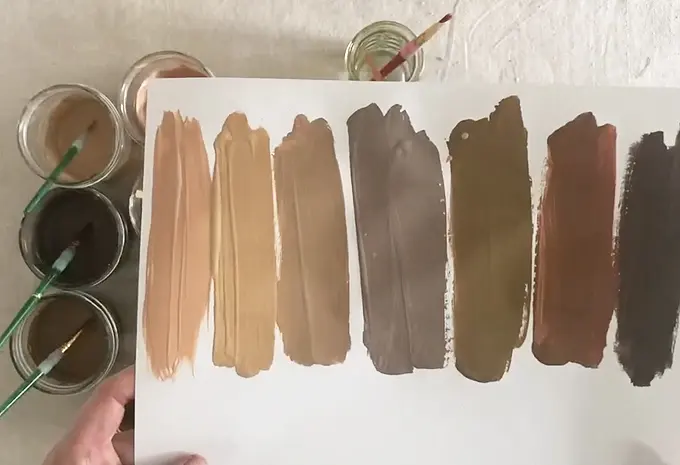
Why skin tones look muddy
Muddy colors occur when you mix too many pigments together or overwork the paper while it is still damp. When you combine all three primary colors—red, yellow, and blue—in equal amounts, you create a neutral gray or brown. If you continue to stir these colors on the palette or scrub them on the paper, the pigments lose their clarity and become dull. Always keep your mixing area clean and avoid excessive brush strokes in a single area.
Another common cause of muddiness is the "lifting" of previous layers. If you apply a new wash before the first one has dried, the moisture will reactivate the underlying paint, causing the colors to blend uncontrollably. This creates a blotchy, uneven texture. To avoid this, always wait until the paper is cool to the touch before adding another layer. If you need to fix a mistake, wait until the painting is finished and use a clean, damp brush to gently lift the pigment.
Common mistakes when painting skin
Many beginners make the mistake of using black paint to create shadows on the skin. Black pigment in watercolor often appears flat and lifeless, which kills the vibrancy of the portrait. Instead, create deep shadows by layering complementary colors. For example, a shadow on a warm-toned face can be deepened by adding a touch of violet or a mixture of burnt sienna and ultramarine. This keeps the shadows transparent and visually interesting.
Avoid these frequent errors to improve your results:
- Using too much water, which causes the paint to pool and create hard edges.
- Neglecting the "cool" shadows, which makes the face look like a flat, orange mask.
- Applying paint that is too thick, which obscures the texture of the paper and looks like acrylic.
- Ignoring the reflected light, which is often found in the jawline or neck area.
- Using a synthetic brush that holds too little water, leading to streaky, uneven washes.
Key facts
- Start with a base of yellow ochre or raw sienna to establish the foundation of the skin tone.
- Mix a tiny amount of alizarin crimson or burnt sienna into your base to add warmth and life.
- Use a "wet-on-dry" technique to build layers, allowing each wash to dry completely before adding the next.
- Test your color on a scrap piece of watercolor paper before applying it to your main portrait.
- Keep your paint mixture thin and watery, as watercolors become significantly darker once they dry.
- Incorporate cool tones like cobalt blue or ultramarine in shadow areas to create depth and realism.
The bottom line
Painting skin tones in watercolor requires patience and a light touch. By layering transparent washes and using the white of the paper for highlights, you can achieve a luminous, realistic finish. Always test your mixtures on scrap paper to ensure the hue is correct before committing to your portrait. With practice, you will learn to balance warm and cool tones to capture the complexity of human skin.
People also ask
Why does my skin tone look muddy when I mix colors?
Muddy colors usually occur when you mix too many pigments together or overwork the paper. Stick to a limited palette of three primary colors and avoid excessive stirring on the palette.
How do I paint highlights on skin?
The most effective way to paint highlights in watercolor is to preserve the white of the paper. Carefully paint around the areas you want to remain bright or use masking fluid before you begin.
Should I use a specific type of brush for portraits?
A round brush with a fine point, such as a size 6 or 8 sable brush, provides the best control. It allows you to cover larger areas while still having enough precision for delicate facial features.
How do I fix a skin tone that is too dark?
If the paint is still damp, you can lift color by dabbing it gently with a clean, slightly damp brush or a paper towel. Once the paint is fully dry, it is very difficult to lighten, so always start with lighter washes.
What is the best paper for painting skin?
Cold-press watercolor paper with a 140lb (300gsm) weight is ideal for portraits. Its texture holds pigment well and can withstand multiple layers of water without buckling or tearing.
How do I create shadows without making the skin look bruised?
Avoid using black paint for shadows, as it creates a flat, dull appearance. Instead, mix a complementary color, such as a light purple or blue, with your base skin tone to achieve a natural, transparent shadow.
This answer was created with the help of AI research tools and reference sources. Spotted an error? Let us know — we correct mistakes quickly. See our editorial policy.