What is a watercolor block?
Short answer
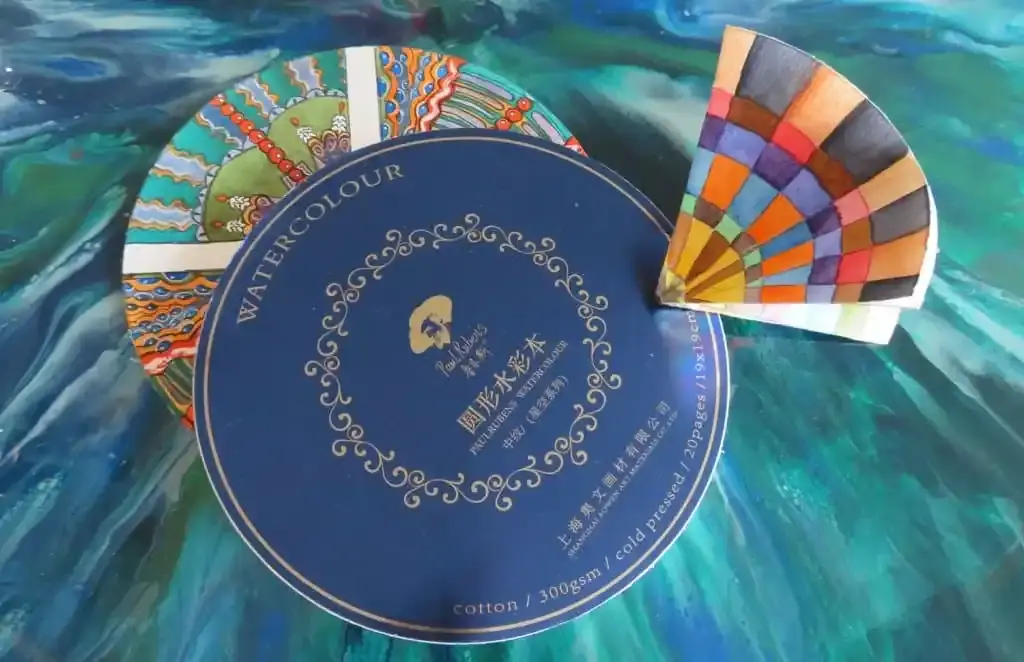
A watercolor block is a stack of watercolor paper sheets glued together on all four edges. This construction keeps the paper perfectly flat while you paint, preventing it from buckling or warping when saturated with water. Once your painting is completely dry, you slice the top sheet off using a palette knife.
On this page
What is a watercolor block made of?
Watercolor blocks consist of high-quality watercolor paper, typically made from cotton or cellulose pulp, stacked in a pad format. The manufacturer applies a strong, flexible adhesive to the sides of the paper stack, leaving only a small gap at one corner to allow for the eventual removal of the sheets. This binding process ensures that the paper remains under tension throughout the painting process.
Because the paper is bound on all sides, it acts like a stretched canvas. When you apply water to the surface, the paper cannot expand or curl because the glue holds it firmly in place. This is particularly beneficial for artists who use heavy washes or wet-on-wet techniques, as it eliminates the need for messy masking tape or stapling paper to a wooden board.
How to use a watercolor block properly
Using a block correctly requires patience, especially during the final stage of removing your finished work. You should always paint directly on the top sheet while it remains attached to the block. Once you have completed your piece, follow these steps to remove it without damaging the fibers of the paper:
- Locate the small, unglued section at the corner of the block, often marked by a small gap in the adhesive.
- Insert a palette knife, a dull butter knife, or a specialized lifting tool into this gap.
- Gently slide the tool around the perimeter of the block, carefully slicing through the glue.
- Lift the top sheet away from the stack to reveal a clean, flat surface underneath.
Avoid using sharp, serrated knives, as these can tear the edges of the paper or cut into the underlying sheets. If you find the paper is still slightly damp, wait for it to dry completely before removing it to ensure the edges remain crisp and clean.
Why use a watercolor block instead of pads?
The primary advantage of a block is convenience and structural integrity. Traditional watercolor pads or loose sheets often buckle significantly when they absorb water, which can cause pigments to pool in the low spots of the paper. This pooling creates uneven washes and unpredictable textures, which can be frustrating for both beginners and professionals.
Blocks also provide a portable, all-in-one solution for plein air painting. You do not need to carry bulky boards, clips, or rolls of tape to secure your paper in the field. Simply bring the block and your brushes, and you have a stable, rigid surface ready for immediate use. This makes them ideal for travel sketching and spontaneous painting sessions where setup time must be kept to a minimum.
Common mistakes when using watercolor blocks
Many artists make the mistake of removing the paper before it is fully dry. If you peel the sheet while the paper is still damp, the fibers may stretch or tear, resulting in a wavy edge that is difficult to frame. Always allow the painting to sit for several hours or overnight to ensure the paper has returned to its original, flat state.
Another frequent error involves using too much water on thin paper. While blocks prevent buckling, they cannot compensate for paper that is too lightweight for the amount of water applied. If you intend to use heavy, aggressive washes, ensure you are using a block made of 300-pound (640 gsm) paper rather than the standard 140-pound (300 gsm) variety.
- Forgetting to find the unglued corner before starting.
- Using a sharp kitchen knife that damages the paper surface.
- Attempting to remove the sheet while the paint is still wet.
- Storing the block in a humid environment, which can weaken the side glue.
Best watercolor blocks for beginners
When starting out, look for blocks labeled as "cold press," which offer a slight texture that is forgiving for most painting styles. Cold press paper is the industry standard because it balances detail with the ability to hold large amounts of water. You should also check the sizing of the paper, which is a gelatinous coating that prevents paint from sinking too deeply into the fibers.
If you are just beginning your watercolor journey, consider these factors before purchasing:
- Material: Cotton-based paper is superior to wood pulp as it is more durable and archival.
- Weight: 140-pound (300 gsm) is the most common and versatile weight for learning.
- Size: A 9x12 inch block is a standard size that fits easily into most backpacks.
- Brand quality: Student-grade blocks are affordable, but professional-grade paper will yield better color blending and lifting results.
By choosing a high-quality block, you remove the technical frustration of paper warping, allowing you to focus entirely on developing your brush control and color mixing skills.
Key facts
- A watercolor block is a stack of watercolor paper sheets glued together on all four sides to prevent the paper from buckling when wet.
- The glue creates a tension that keeps the paper flat, eliminating the need for soaking or stretching the paper before painting.
- Once a painting is complete and dry, a palette knife or thin blade is used to slice through the glue along the designated unglued gap to remove the top sheet.
- Blocks are available in various textures, including cold press (slightly textured), hot press (smooth), and rough.
- Most professional blocks contain 20 sheets of paper, though counts can vary by brand and weight.
- Always ensure the paper is completely dry before removing it from the block to prevent the edges from tearing or warping.
The bottom line
A watercolor block is an essential tool for artists who prefer a stable, flat surface without the hassle of manual stretching. By keeping the paper under tension, it allows for heavy water application while maintaining structural integrity. For the best results, choose a high-quality 140lb paper, avoid over-saturating the edges, and always wait until your artwork is bone-dry before carefully slicing the top sheet from the stack.
People also ask
Do I need to tape down a watercolor block?
No, the primary purpose of a watercolor block is to keep the paper flat without the use of masking tape. The glued edges act as a permanent frame that holds the paper taut throughout the painting process.
Can I use both sides of the paper in a block?
You must paint on the top sheet while it is still attached to the block. If you remove the sheet to paint on the back, the paper will likely warp or buckle when it encounters water.
What is the difference between a block and a pad?
A pad consists of loose sheets bound at one edge, whereas a block is glued on all four sides. Pads are designed for portability and sketching, while blocks are specifically engineered for heavy wet-on-wet painting techniques.
How do I remove a sheet without damaging it?
Locate the small gap on the edge of the block that is not glued. Insert a palette knife or a dull butter knife into this gap and gently slide it around the perimeter to release the sheet.
Why is my paper still buckling on a block?
Buckling usually occurs if you use an excessive amount of water or if the paper weight is too light, such as 90lb paper. Using 140lb or 300lb paper significantly reduces the risk of warping.
Should I paint right up to the glued edge?
It is best to leave a small margin of about a quarter-inch from the glued edge. Painting directly over the glue can make it difficult to separate the sheet cleanly later.
This answer was created with the help of AI research tools and reference sources. Spotted an error? Let us know — we correct mistakes quickly. See our editorial policy.