Is acrylic paint toxic?
Short answer
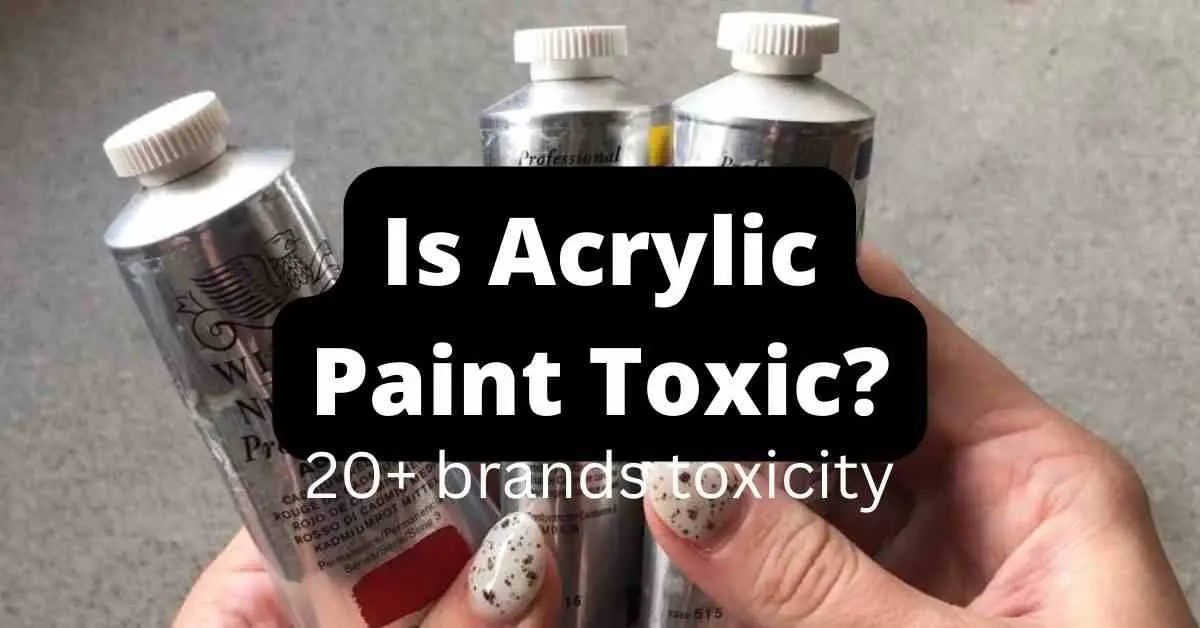
Acrylic paint is generally considered non-toxic and safe for most adult users when handled properly. While the acrylic polymer base is inert, some pigments—particularly those labeled cadmium, cobalt, or manganese—contain heavy metals that pose health risks if ingested, inhaled as dust, or absorbed through broken skin during prolonged contact.
On this page
Is acrylic paint safe for everyday use?
Acrylic paint is a water-based medium composed of pigment particles suspended in an acrylic polymer emulsion. Because it does not require volatile solvents like turpentine or mineral spirits for thinning or cleanup, it lacks the strong, harmful fumes associated with traditional oil paints. Most professional-grade acrylics are certified by the Art and Creative Materials Institute (ACMI) with an "AP" seal, indicating they are non-toxic and safe for use in educational settings.
However, safety is not universal across all brands or specific colors. The primary concern lies in the pigments used to create specific hues rather than the acrylic binder itself. While the base is safe, certain heavy metal pigments can be hazardous if misused. Always check the label for health warnings and avoid products that do not list their ingredients or lack safety certifications. By choosing reputable manufacturers, you significantly reduce the risk of exposure to harmful chemicals.
Which acrylic paint colors are toxic?
The most common toxic ingredients in acrylic paints are heavy metals used to produce vibrant, opaque colors. Historically, these metals were essential for achieving specific shades that synthetic alternatives could not replicate. Today, many manufacturers offer "hue" versions of these colors, which use safer synthetic pigments to mimic the appearance of the original heavy metal versions without the associated health risks.
You should exercise caution with the following pigments:
- Cadmium: Often found in reds, oranges, and yellows; linked to kidney damage if ingested.
- Cobalt: Used in blues and violets; can cause skin irritation or respiratory issues.
- Manganese: Found in certain violets and blues; known to be toxic if inhaled as dry dust.
- Chromium: Occasionally used in greens and yellows; potentially carcinogenic in specific forms.
If you are unsure about a specific tube, look for a "CL" (Cautionary Label) seal on the packaging. This indicates that the product contains materials that require specific handling instructions to ensure safety.
How to handle acrylic paint safely
Maintaining a safe studio environment requires simple habits that prevent accidental ingestion or prolonged skin contact. Because acrylics dry quickly into a plastic-like film, they are difficult to remove from surfaces once cured. Proper ventilation is always a good practice, even with non-toxic paints, to prevent the buildup of minor odors or airborne particles during vigorous spray applications or sanding.
Follow these steps to ensure your painting process remains safe:
- Wear gloves if you have sensitive skin or open cuts to prevent dermal absorption.
- Never eat, drink, or smoke while painting to avoid accidental ingestion of pigments.
- Clean your brushes immediately with soap and water to prevent paint from drying and becoming airborne dust.
- Use a wet cloth to clean your palette rather than sanding or scraping dry paint, which creates hazardous dust.
- Wash your hands thoroughly with soap and water after every painting session.
Common mistakes when using acrylics
One of the most frequent errors artists make is creating airborne dust. When acrylic paint dries on a palette or a canvas, it becomes a solid polymer. If you attempt to sand down a dried painting to smooth the surface or remove texture, you create fine plastic and pigment dust. Inhaling this dust can irritate the lungs and introduce heavy metals into your system, regardless of the paint's toxicity rating.
Another common mistake is the improper disposal of rinse water. While small amounts of acrylic residue are generally acceptable in household plumbing, you should never pour large quantities of paint or heavy sludge down the drain. The acrylic polymer can accumulate in pipes, leading to clogs. Instead, wipe excess paint onto a paper towel and dispose of it in the trash. Allow the remaining water in your rinse jar to evaporate, then discard the dried solid residue in the waste bin.
How to protect children and pets
Children and pets are at a higher risk of exposure because they are more likely to touch their faces or ingest materials accidentally. When working with children, always prioritize the use of non-toxic, student-grade paints that carry the AP seal. Avoid professional-grade paints that contain heavy metals, as these are formulated for experienced artists who understand how to manage chemical risks.
If you are painting in a shared space, consider these protective measures:
- Keep all paint tubes tightly capped when not in use to prevent spills or curious tasting.
- Use dedicated brushes and water jars that are clearly labeled and kept separate from kitchenware.
- Ensure that pets are kept out of the workspace to prevent them from walking through wet paint or knocking over water containers.
- If paint gets on a child’s skin, wash it off immediately with mild soap and warm water.
By following these straightforward guidelines, you can enjoy the versatility of acrylic painting while keeping your workspace safe and healthy for everyone involved.
Key facts
- Acrylic paint is water-based and generally considered non-toxic when used under normal conditions.
- Look for the "AP" (Approved Product) seal from the Art and Creative Materials Institute on labels to ensure safety.
- Avoid sanding dried acrylic paint, as this creates fine dust particles that can be harmful if inhaled.
- Never use acrylic paint as body paint or face paint, as it is not formulated for skin contact.
- Proper ventilation is essential when using spray acrylics or airbrushing, as these methods can create hazardous airborne mists.
- Always wash your hands thoroughly with soap and water after painting to remove any chemical residues.
The bottom line
Acrylic paint is a safe, versatile medium for most artists when handled with basic precautions. While it is not inherently toxic, avoiding the inhalation of dust or spray mists and preventing ingestion are vital safety steps. Always prioritize products with the AP seal, maintain good ventilation in your workspace, and keep paint away from food surfaces to ensure a safe and productive creative experience for everyone.
People also ask
Can I dispose of acrylic paint down the drain?
You should never pour liquid acrylic paint directly into the drain, as it can clog pipes and harm aquatic life. Instead, wipe excess paint onto paper towels and dispose of them in the trash, or let the paint dry completely before discarding the container.
Is acrylic paint safe for children to use?
Yes, provided you choose products labeled "non-toxic" and specifically designed for children. Always supervise young children to ensure they do not ingest the paint or get it in their eyes.
What should I do if I accidentally ingest acrylic paint?
If a small amount is ingested, rinse the mouth with water and drink a glass of water. If you experience any symptoms or if a large amount was swallowed, contact a poison control center immediately.
Are professional-grade acrylics more toxic than student-grade paints?
Professional paints may contain higher concentrations of pigments, some of which—such as cadmium or cobalt—are toxic if ingested or inhaled. Always check the label for specific warnings regarding heavy metals or hazardous ingredients.
Does acrylic paint release toxic fumes?
Unlike oil-based paints, acrylics do not release significant volatile organic compounds (VOCs). However, some people may experience mild irritation from the ammonia or preservatives used in the paint, so working in a well-ventilated room is recommended.
Can I use acrylic paint on food-contact surfaces?
No, acrylic paint is not food-safe and should not be used on plates, mugs, or utensils. Even if the paint is dry, it can chip or leach chemicals into food, posing a health risk.
This answer was created with the help of AI research tools and reference sources. Spotted an error? Let us know — we correct mistakes quickly. See our editorial policy.