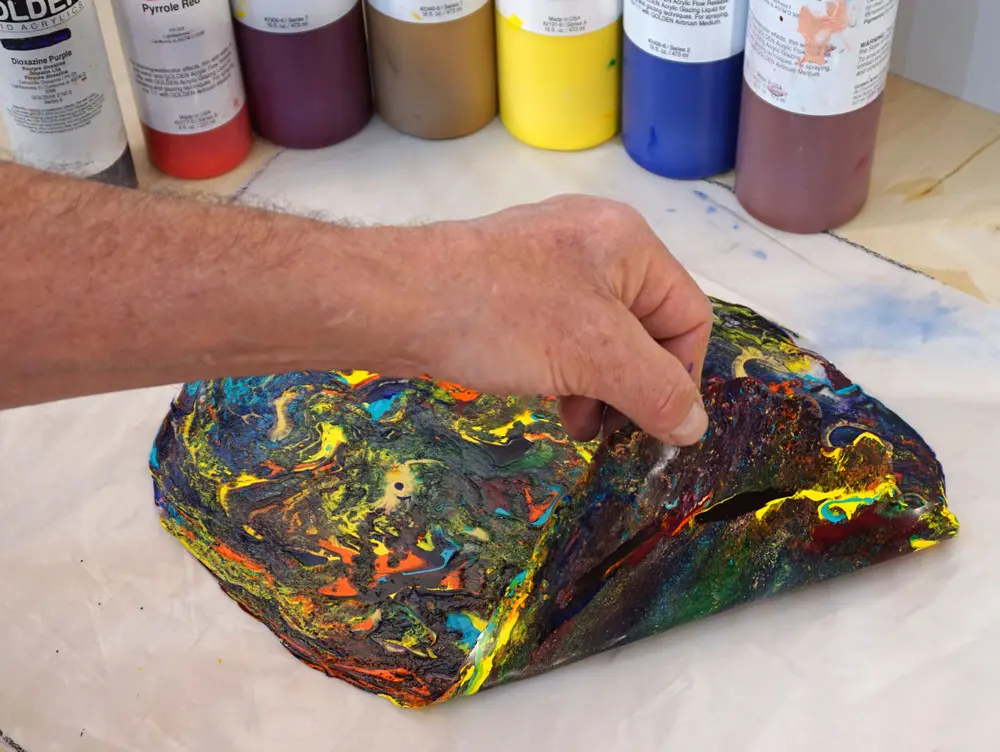
Painting & Color
How do you paint skin with acrylic paint?
Painting realistic skin with acrylics requires building depth through thin, transparent layers called glazes. Start with a…
Questions and answers about skin.
Painting realistic skin with acrylics requires building depth through thin, transparent layers called glazes. Start with a…
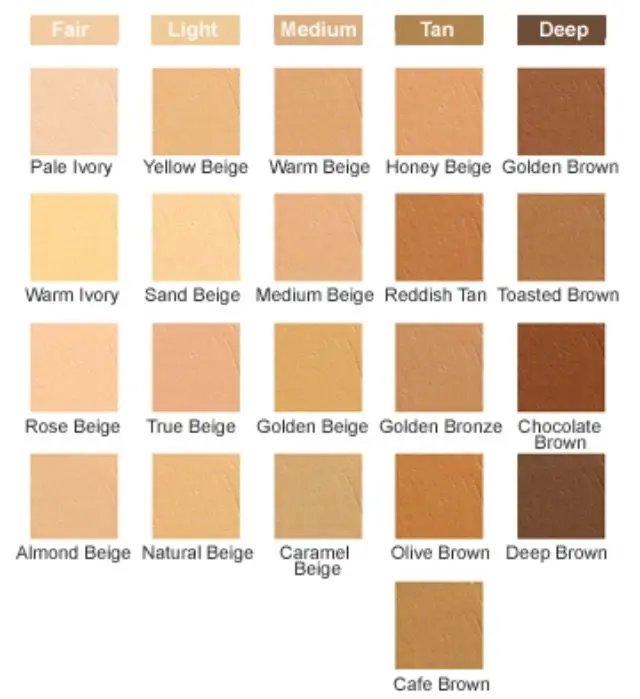
Shading skin requires building depth through layers of color, starting with mid-tones and gradually adding shadows and…
Coloring skin with colored pencils requires layering light base tones followed by gradual shadows and highlights. Use a light…
Light skin tones are primarily composed of white base paint mixed with small amounts of yellow, red, and blue. Artists achieve…
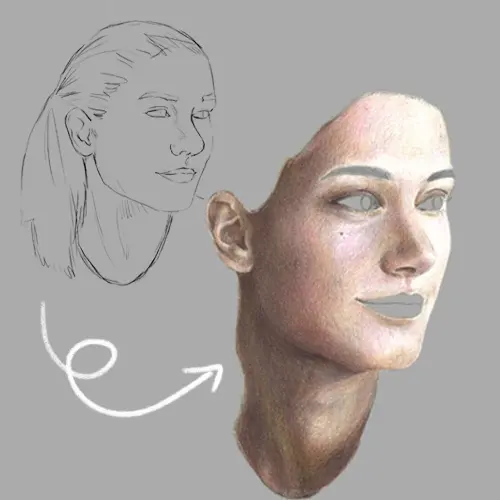
Drawing realistic skin requires layering translucent colors rather than applying a single flat tone. You must capture subtle…
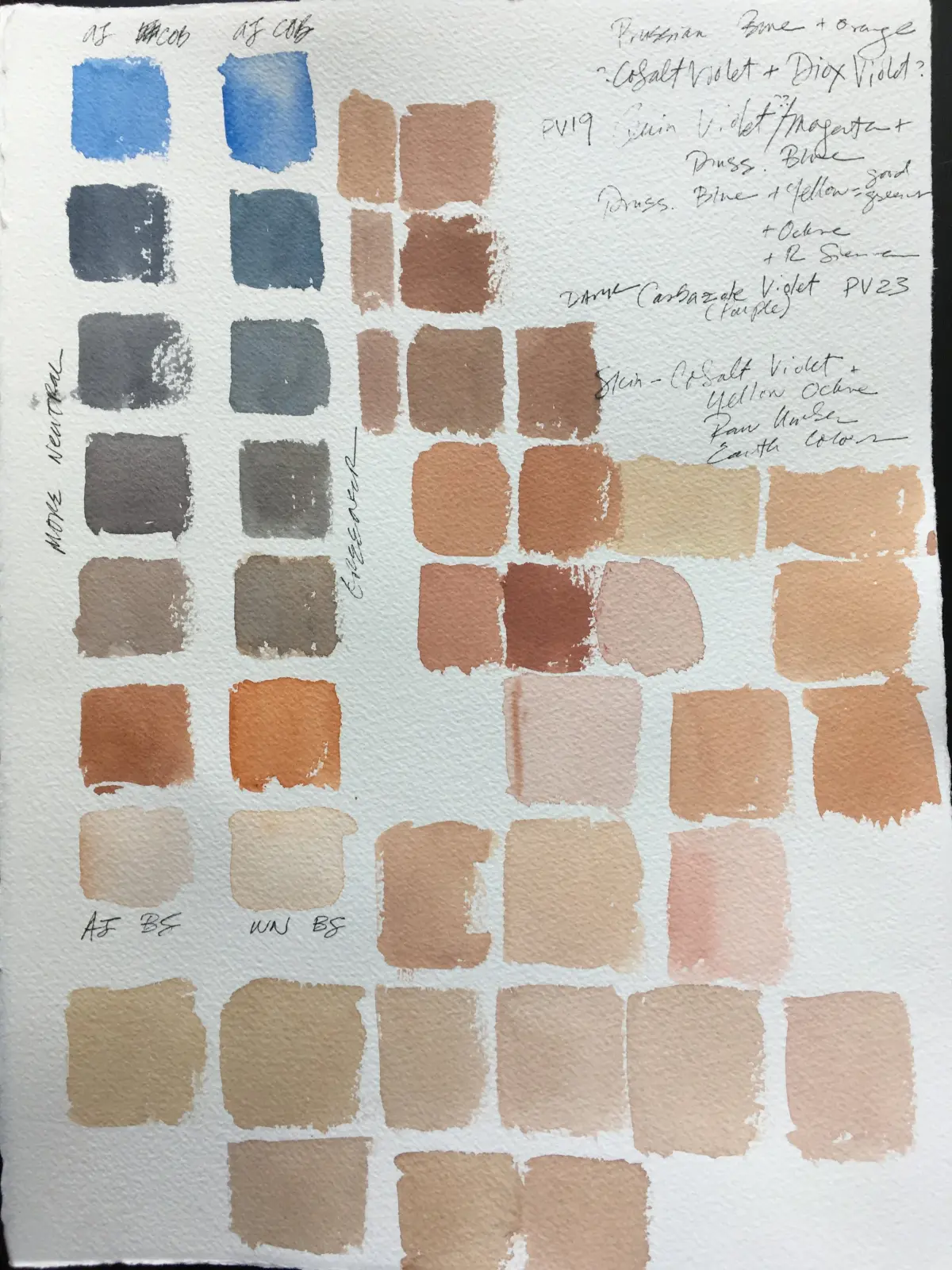
Painting realistic skin tones in oil requires a limited palette of warm and cool colors. By mixing a base hue with white and…
Painting realistic skin tones in watercolor requires layering transparent washes rather than mixing a single "flesh" color…
Skin tones are created by mixing primary colors—red, yellow, and blue—along with white to adjust value and brown or black to…
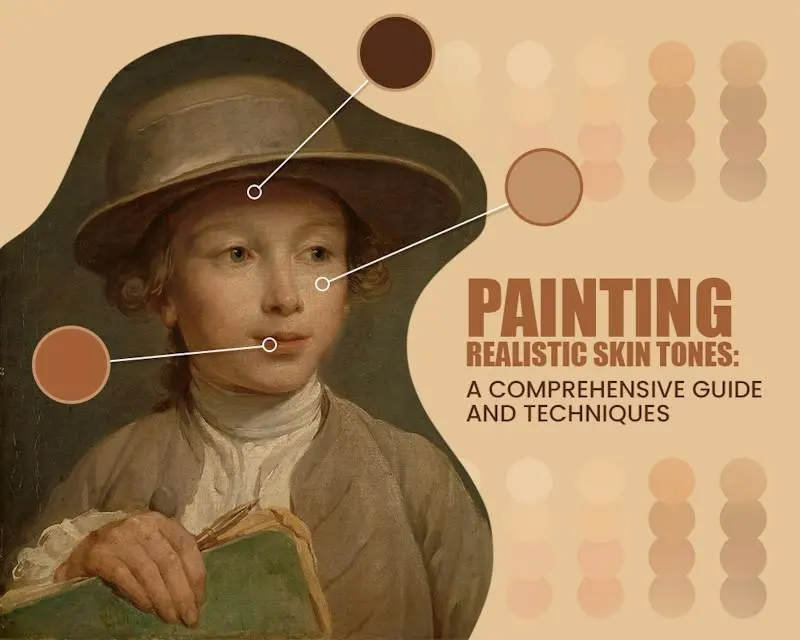
Painting realistic skin requires layering translucent glazes rather than using opaque colors. Artists must observe subtle shifts…
Dark skin tones are created by mixing primary colors—red, yellow, and blue—with varying amounts of white and black. To achieve…
Tattoos are created by using a handheld machine to insert permanent ink into the dermis, the second layer of skin. A cluster of…
Drawing diverse skin tones requires moving beyond simple "flesh" colors to observe how light, shadow, and undertones interact…

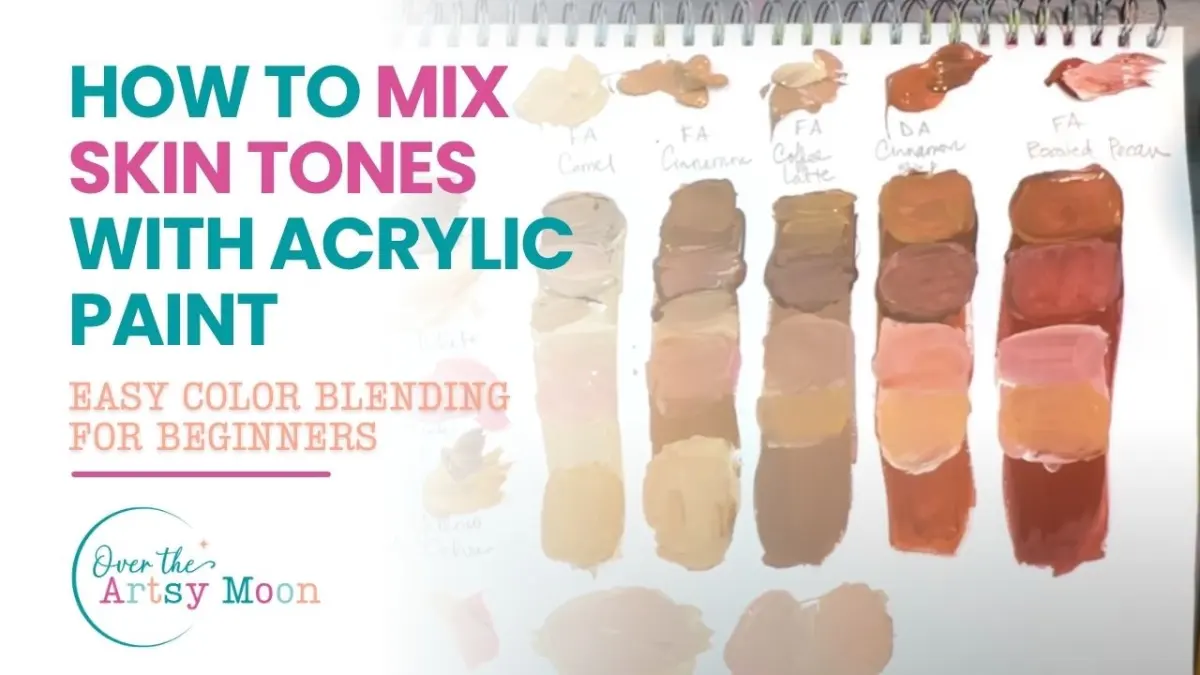
Mixing skin tones with acrylic paint requires a base of white, yellow, red, and blue. Start by creating a neutral flesh tone…