What colors make a light skin tone?
Short answer
Light skin tones are primarily composed of white base paint mixed with small amounts of yellow, red, and blue. Artists achieve realistic results by layering these primary colors to simulate the translucent nature of human skin. The specific ratio depends on the desired undertone, ranging from cool pinks to warm, golden hues.
On this page
How to mix colors for light skin tones
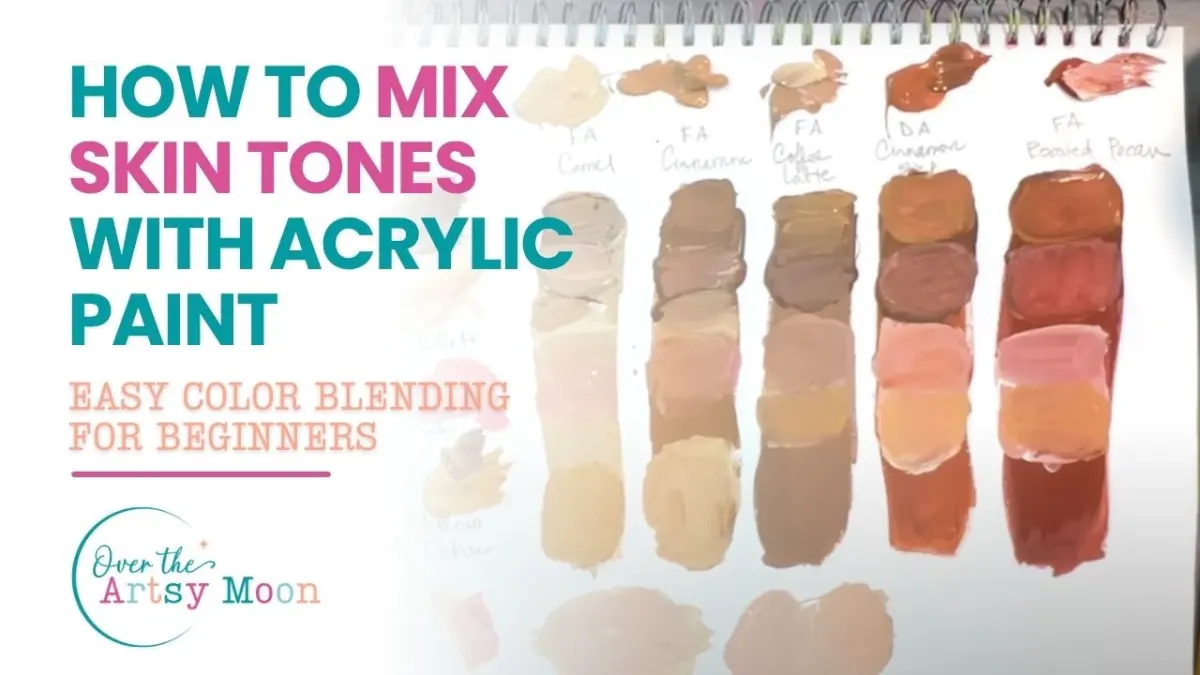
Achieving a realistic light skin tone requires a foundational understanding of color theory. Start with a large amount of white paint as your base, as this provides the necessary opacity and brightness. To this, add tiny increments of yellow ochre or cadmium yellow to create a warm, fleshy foundation. Because skin is never a flat color, you must introduce depth by adding a touch of red or rose madder.
The final step involves neutralizing the mixture to prevent it from looking like bright orange or cartoonish pink. Adding a minuscule amount of blue or burnt umber will desaturate the mixture, mimicking the natural shadows and blood flow beneath the surface of the skin. Always mix more paint than you think you need, as recreating the exact shade later can be difficult.
- Begin with a generous dollop of titanium white.
- Add a small amount of yellow to create a base warmth.
- Incorporate a tiny dab of red to introduce a flesh-like hue.
- Add a trace of blue or brown to neutralize the intensity.
- Adjust the ratio until the color matches your reference point.
Why undertones change the color mix
Skin tone is not just about lightness or darkness; it is defined by its undertone, which can be cool, warm, or neutral. Cool-toned skin has hints of blue, pink, or purple, while warm-toned skin leans toward yellow, peach, or gold. If you ignore these subtle variations, your painting or makeup application will look flat and artificial.
To adjust your mixture for specific undertones, follow these guidelines:
- For cool undertones, increase the ratio of white and add a slightly larger amount of blue or cool red like alizarin crimson.
- For warm undertones, lean into the yellow and orange spectrum, using golden ochre or burnt sienna.
- For neutral undertones, maintain a balanced mix of yellow and red, ensuring neither dominates the white base.
Understanding these shifts is essential for achieving a natural look. Even within a "light" skin category, the presence of these undertones dictates the overall harmony of the portrait or cosmetic blend.
Best tools for color blending
The quality of your tools significantly impacts how well you can manipulate skin tones. For traditional painting, use high-quality brushes with soft bristles, such as sable or synthetic equivalents, to ensure smooth transitions. A palette knife is also indispensable for mixing large quantities of paint without contaminating your brushes.
When working with cosmetics, the tools change but the principles remain the same. Use a damp blending sponge to diffuse the edges of foundation or concealer, which helps the product sit naturally on the skin. Brushes with dense, synthetic fibers are ideal for buffing cream products into the face, providing a seamless finish that mimics the texture of real skin.
- Palette knife for thorough color integration.
- Flat-head brushes for blocking in large areas of tone.
- Damp beauty sponges for softening edges and texture.
- A glass or plastic palette for easy cleanup and color visibility.
Common mistakes when mixing skin tones
One of the most frequent errors is using too much pigment too quickly. Beginners often add a large glob of red or yellow to their white base, resulting in an overly saturated color that is difficult to correct. Always add pigment in small, incremental amounts, testing the color on a surface similar to your final canvas or skin before committing.
Another common mistake is failing to account for lighting conditions. Skin color shifts dramatically depending on whether it is viewed under cool fluorescent lights or warm sunlight. If you are painting, observe how light hits the subject and adjust your mixture to include highlights and shadows accordingly. Avoid using pure black to darken your skin tones, as this often creates a muddy, grey appearance. Instead, use dark blues, purples, or deep browns to create natural-looking shadows that retain the skin's warmth.
How to achieve realistic skin texture
Color is only half the battle; texture and layering bring skin to life. Skin is translucent, meaning light penetrates the surface and reflects off the layers beneath. To replicate this effect, artists use a technique called glazing, which involves applying thin, transparent layers of color over a dried base. This creates a luminous quality that opaque, heavy paint cannot achieve.
In practical terms, you should avoid applying one thick, uniform layer of color. Instead, build your light skin tone by layering slightly different shades. Use a lighter, warmer mix for the high points of the face, such as the bridge of the nose or the cheekbones, and a slightly cooler, darker mix for the recessed areas. By varying the color and opacity, you create the illusion of depth and vitality. This methodical approach ensures that the skin looks like a living, breathing surface rather than a static piece of plastic or paper.
Key facts
- Human skin color is primarily determined by the concentration and distribution of melanin, a pigment produced by cells called melanocytes.
- Light skin tones contain lower levels of eumelanin, which is brown-black, and higher levels of pheomelanin, which is reddish-yellow.
- Hemoglobin in the blood contributes a pinkish or reddish undertone to light skin, especially when capillaries are close to the surface.
- Carotenoids, pigments derived from dietary intake like carrots or sweet potatoes, can add a subtle yellow or golden hue to the skin.
- Light skin is categorized by the Fitzpatrick scale as Type I or II, which are highly sensitive to ultraviolet radiation from the sun.
- To match light skin tones in art or makeup, mix white with small amounts of yellow ochre, burnt sienna, and a touch of alizarin crimson.
The bottom line
Understanding light skin tones requires recognizing the interplay of melanin, hemoglobin, and carotenoids. While melanin provides the base shade, blood flow and diet add vital pink or yellow undertones. Whether you are mixing paints or selecting cosmetics, focus on balancing these pigments rather than using a single "flesh" color. Proper color matching relies on adjusting these subtle ratios to reflect the unique, complex reality of human biology.
People also ask
Why do some light skin tones look pink while others look yellow?
This difference is due to undertones. Pinkish skin has "cool" undertones influenced by surface blood flow, while yellowish skin has "warm" or "olive" undertones resulting from a higher concentration of carotene and specific melanin types.
Does skin color change based on sun exposure?
Yes, skin produces more melanin as a protective response to ultraviolet radiation, causing the skin to darken or tan. This process is a biological defense mechanism intended to shield DNA from further sun damage.
What is the Fitzpatrick scale?
Developed in 1975 by Thomas B. Fitzpatrick, this numerical classification schema categorizes human skin color based on its response to ultraviolet light. It ranges from Type I, which always burns, to Type VI, which never burns.
Is it possible to accurately replicate skin tones using only primary colors?
While you can mix red, yellow, and blue to create brown, adding white is essential to achieve the high value (lightness) required for fair skin tones. Relying solely on primary colors often results in muddy or overly saturated shades.
How does age affect the appearance of light skin?
Over time, skin loses collagen and elastin, and the distribution of melanocytes becomes uneven, often leading to age spots or thinning skin. This thinning makes underlying blood vessels more visible, altering the perceived color.
Are there different pigments for "cool" and "warm" light skin?
Yes, cool-toned skin often requires a tiny drop of blue or violet to neutralize excessive yellow, while warm-toned skin benefits from additional golden or peach pigments. Balancing these ratios is key to achieving a natural, lifelike appearance.
This answer was created with the help of AI research tools and reference sources. Spotted an error? Let us know — we correct mistakes quickly. See our editorial policy.