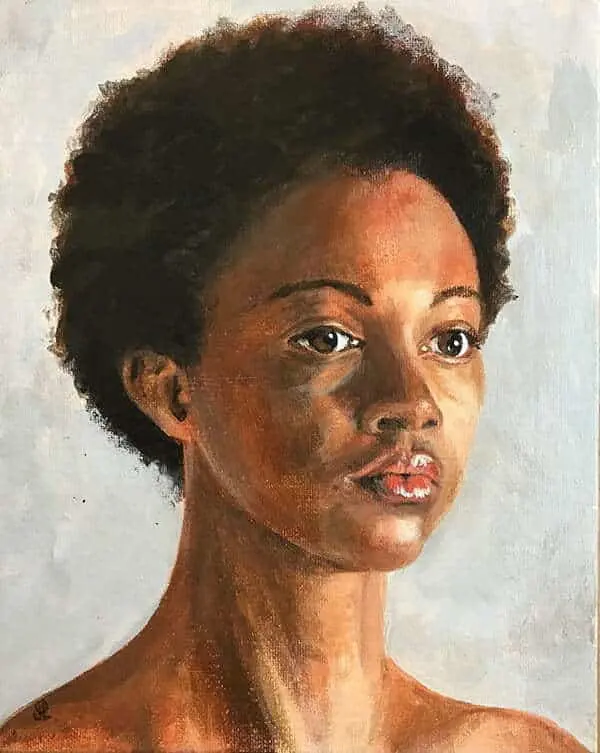
How do you shade skin?
Short answer
Shading skin requires building depth through layers of color, starting with mid-tones and gradually adding shadows and highlights. You must avoid using pure black or white, which flatten the form. Instead, use complementary colors to desaturate shadows and warm or cool tones to define the skin’s underlying structure and volume.
On this page
How to choose the right skin tones
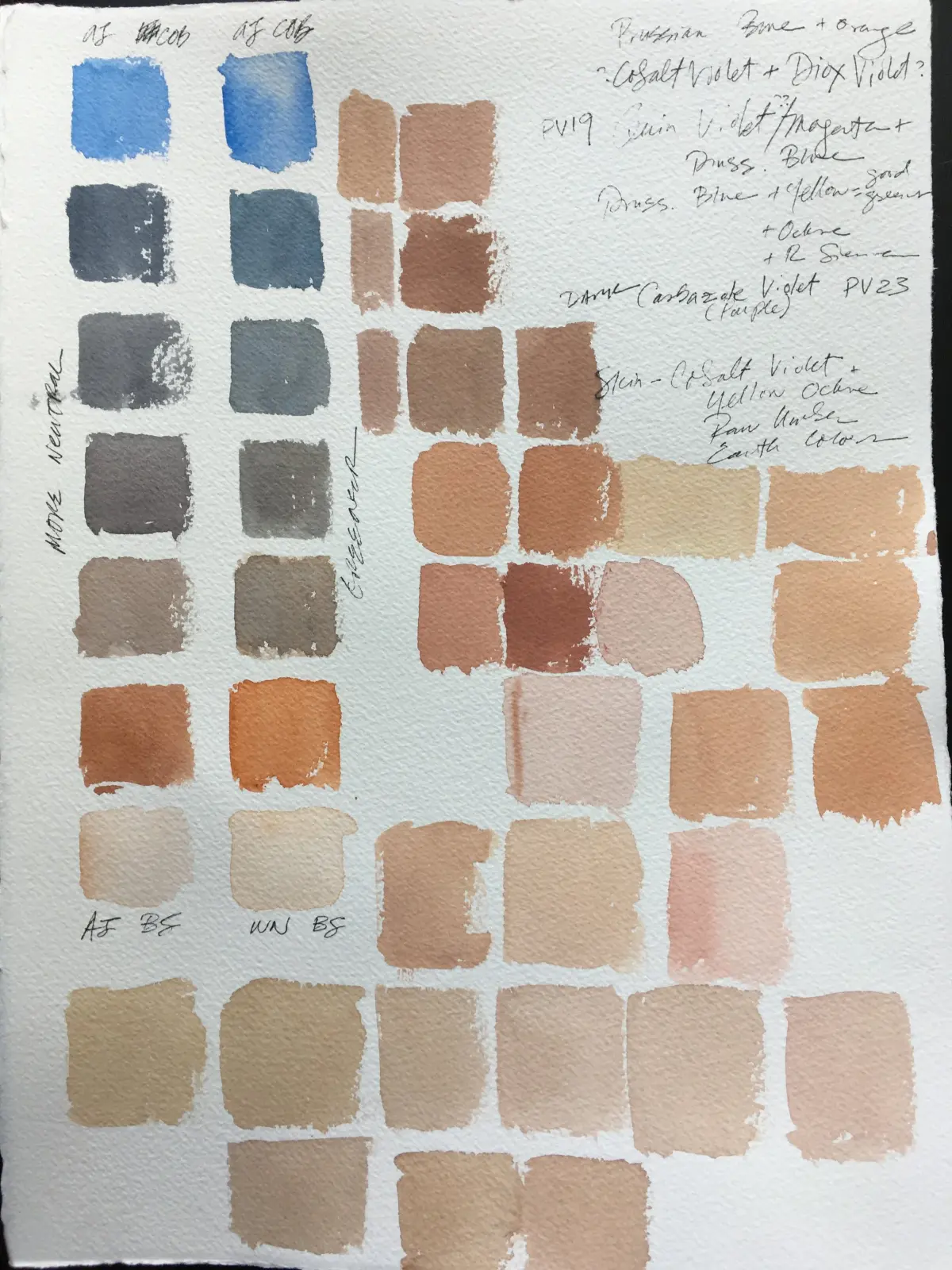
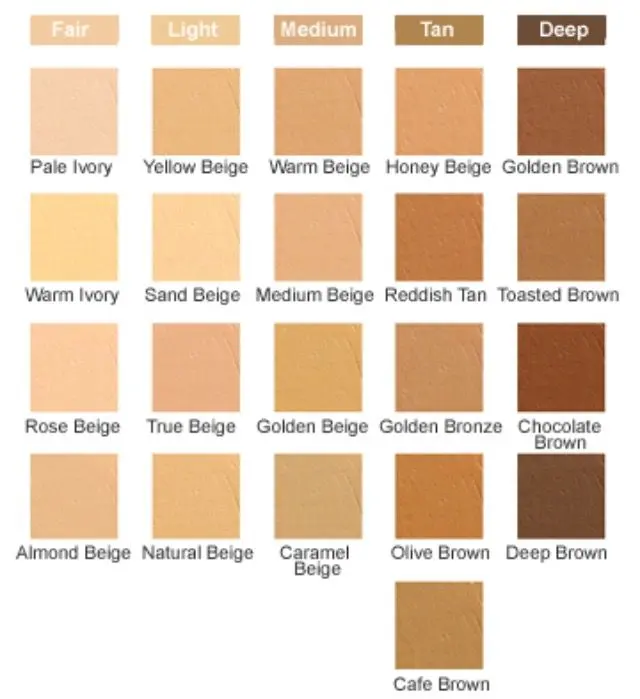
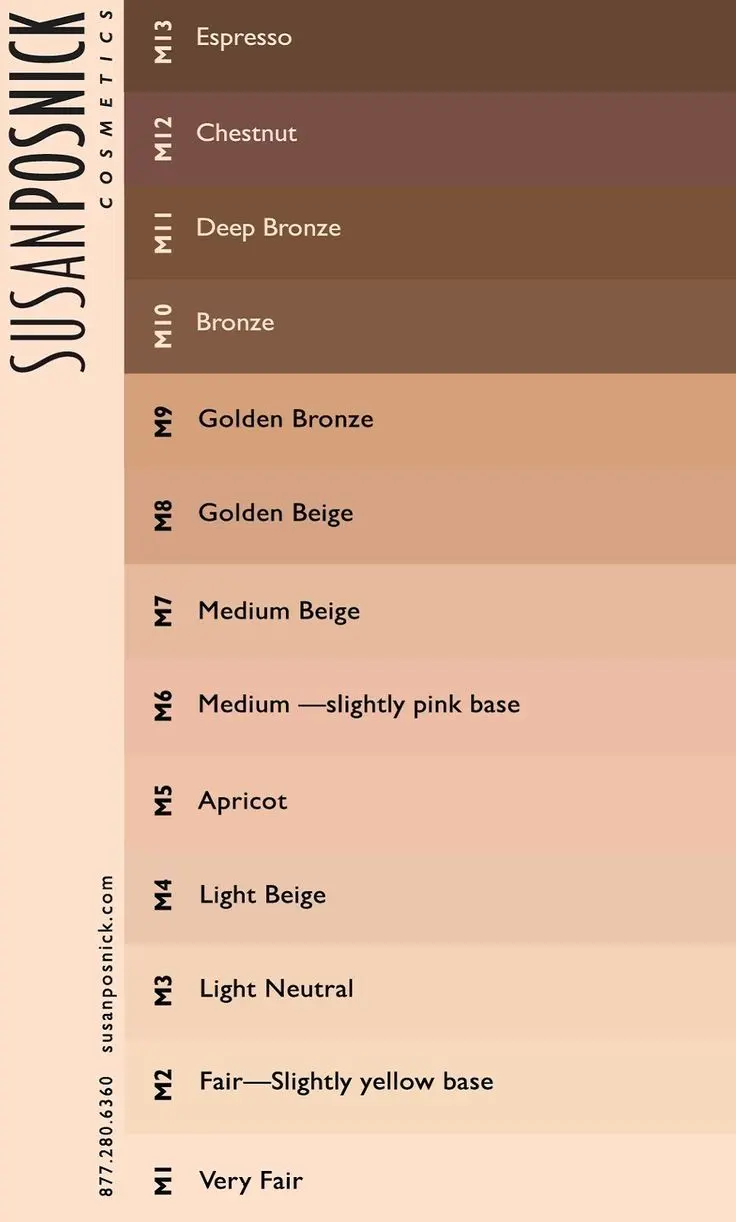
Selecting the correct palette is the foundation of realistic skin shading. Beginners often make the mistake of using a single "flesh" color from a tube, which results in a plastic or artificial appearance. Instead, analyze the subject’s complexion to identify the dominant undertones, which generally fall into cool, warm, or neutral categories. Warm skin tones often lean toward yellows, oranges, and reds, while cool tones incorporate blues, purples, and pinks.
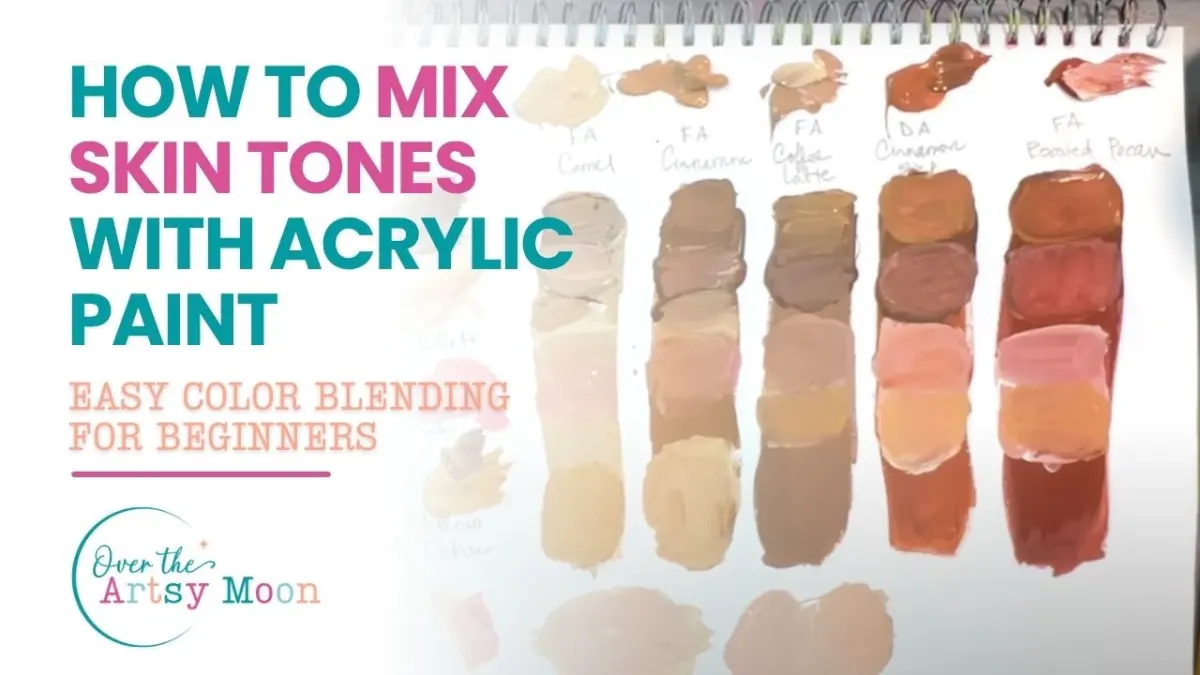
To mix your own palette, start with a base of ochre or burnt sienna and adjust the hue using small amounts of primary colors. Keep a reference image nearby to compare your mixture against the actual subject. Remember that skin is translucent, meaning it reflects the colors of the surrounding environment. Incorporating these reflected colors into your shadows will make the skin appear organic rather than static.
- Identify the base skin tone using a neutral gray scale for reference.
- Mix a warm version of that tone by adding a touch of cadmium orange.
- Mix a cool version by adding a small amount of ultramarine blue or alizarin crimson.
- Test your mixtures on a patch of paper before applying them to the main subject.
How to layer colors for depth
Layering is the process of building color intensity through multiple thin applications rather than one thick coat. Start with a light wash of your mid-tone to establish the overall shape of the face or body. Once dry, identify the areas where light is blocked, such as under the chin, the bridge of the nose, or the creases of the eyes. Apply your darker tones in these areas, blending the edges softly into the mid-tones to create a smooth transition.
Avoid the temptation to jump straight to the darkest shadows, as this can create harsh, muddy edges that are difficult to correct. Instead, work in stages, gradually darkening the shadows while keeping the highlights clean. If you are working with oil or acrylic paints, use a glazing technique to apply translucent layers of color over your base. This method mimics the way light penetrates the upper layers of human skin, providing a luminous, lifelike quality that opaque paint cannot achieve.
How to shade shadows correctly
The most common error in shading skin is using black paint to darken a color. Black often desaturates the skin tone too aggressively, making it look bruised or dirty. To darken skin tones effectively, use the complementary color of your base tone. For example, if you are shading a warm, orange-toned skin, add a touch of blue or violet to your mixture. This creates a deep, rich shadow that retains the vibrancy of the original hue.
Pay close attention to the "terminator line," which is the transition point between light and shadow on a curved surface. On skin, this transition is rarely a hard line; it is usually a soft gradient known as a "soft edge." Use a clean, dry brush to gently buff the edges of your shadows into the mid-tones. This technique, often called sfumato, ensures that the transition looks natural and avoids the appearance of a mask-like structure.
- Avoid using pure black; mix dark browns, deep blues, or dark purples instead.
- Observe the "core shadow," which is the darkest part of the shaded area.
- Ensure the reflected light within the shadow is slightly lighter than the core shadow.
- Keep shadow edges soft to mimic the way light wraps around human anatomy.
Best tools for smooth blending
The tools you choose significantly impact the texture of your shading. For traditional media like charcoal or graphite, a tortillon or a soft makeup brush is excellent for spreading pigment smoothly across the paper. For painting, synthetic brushes with soft, tapered bristles allow for delicate blending without leaving visible brush strokes. If you are working digitally, use a brush with a low opacity setting and pressure sensitivity to build up your gradients slowly.
Regardless of the medium, the quality of your surface matters. A toothy paper or high-quality canvas provides the necessary grip for pigments, allowing you to layer effectively without the colors sliding around or becoming muddy. Always keep a clean, dry brush on hand to soften any edges that appear too rigid. By controlling the pressure of your hand and the amount of medium on your tool, you gain total command over the transition between light and dark.
Common mistakes when shading skin
One frequent issue is failing to account for the light source. If your light source is coming from the top right, every shadow must consistently fall toward the bottom left. Inconsistent shading confuses the viewer and destroys the illusion of three-dimensional form. Another common mistake is neglecting the "highlights," which are the brightest points where light hits the skin directly. These spots, such as the tip of the nose or the forehead, should be preserved or added last to provide a healthy, glowing finish.
Finally, do not over-blend your work. While smooth transitions are important, blending too much can result in a "waxy" look that lacks the texture of real pores and skin variations. Leave some areas with crisp edges to define the structure of the bone beneath the skin. By balancing soft gradients in the shadows with sharper edges in the highlights, you create a dynamic, realistic portrait that feels grounded in physical reality.
Key facts
- Avoid using pure black or white for shading, as these colors often make skin look muddy or flat.
- Use complementary colors to create shadows; for example, add a touch of blue or purple to warm skin tones to create realistic depth.
- Establish a single light source before you begin to ensure shadows remain consistent across the face or body.
- Apply shading in thin, buildable layers rather than one heavy stroke to maintain the natural translucency of human skin.
- Use a "cool" shadow color for warm-toned skin and a "warm" shadow color for cool-toned skin to create visual interest.
- Soften the edges of your shadows using a blending tool or a clean brush to mimic the way skin curves and reflects light.
The bottom line
Effective skin shading relies on understanding light physics and color theory rather than simply darkening a base color. By identifying your light source, selecting complementary shadow tones, and layering colors gradually, you can achieve a three-dimensional effect. Prioritize soft transitions and avoid overly dark pigments to maintain a natural, healthy appearance. With practice, you will master the subtle balance between light and shadow on skin.
People also ask
How do I determine if a skin tone is warm or cool?
Look at the veins on the inside of the wrist; blue or purple veins usually indicate cool undertones, while green or olive veins suggest warm undertones. You can also test by holding gold or silver jewelry against the skin to see which metal makes the complexion appear more vibrant.
What is the best way to blend shadows on skin?
Use a soft-bristled brush or a blending stump to gently diffuse the edges of your shadow where it meets the mid-tone. Avoid over-blending, which can make the skin look blurred or "dirty," and instead focus on smoothing only the transition zones.
Should I use the same shadow color for the entire body?
No, shadows change based on the environment and the light source. A shadow cast by a bright sun will have different color properties than a shadow cast by an indoor lamp, so adjust your palette accordingly.
How do I shade skin without making it look bruised?
Bruised appearances often occur when shadows are too dark or too saturated. Keep your shadow colors desaturated by mixing in a bit of the base skin tone or a neutral grey to keep the transitions subtle and natural.
Why does my shading look flat?
Flatness usually results from a lack of contrast between the highlights, mid-tones, and shadows. Ensure you have a distinct range of values and that your darkest shadows are placed in the deepest recesses, such as under the chin or in the eye sockets.
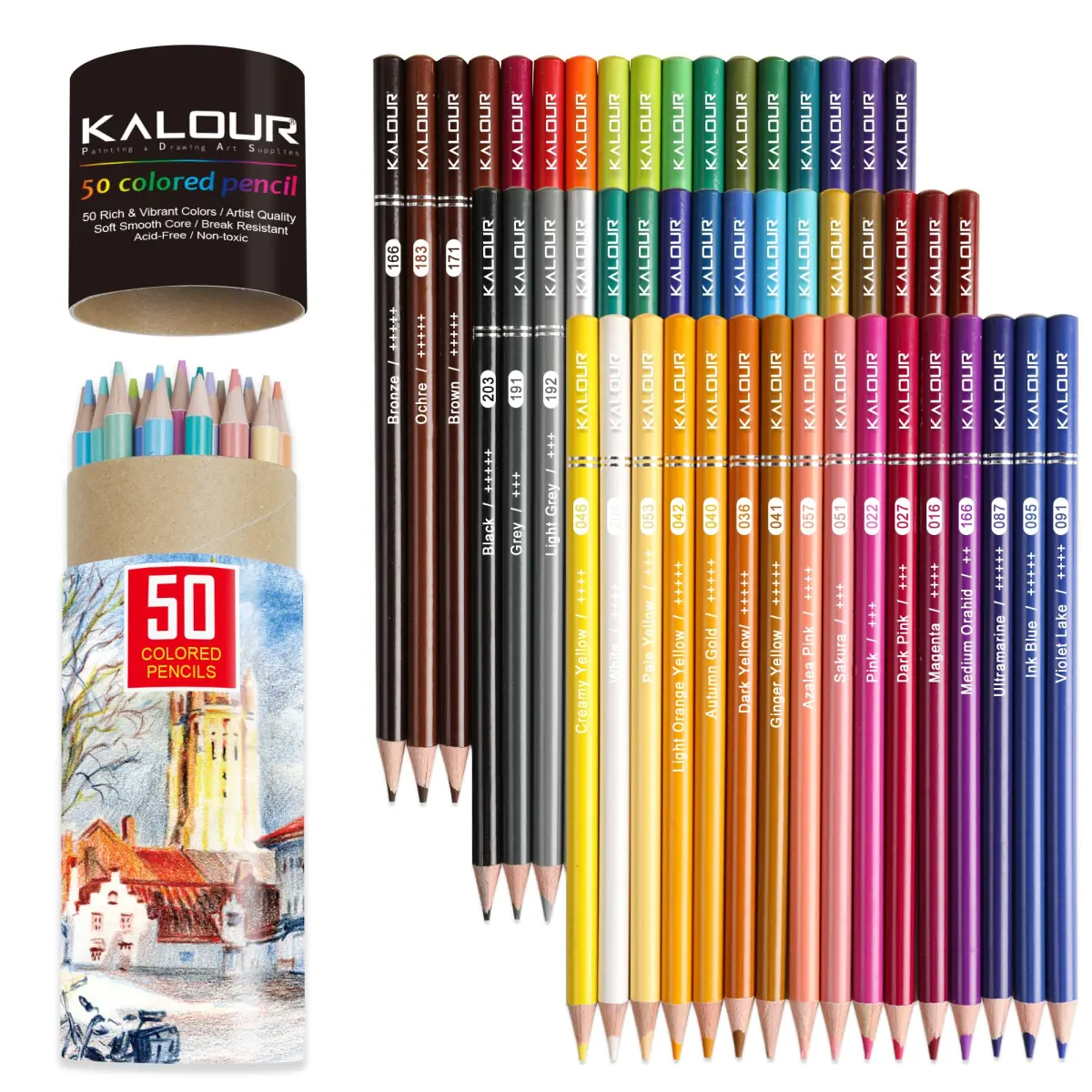
Can I use colored pencils for shading skin?
Yes, colored pencils are excellent for layering because they allow for precise control over color intensity. Start with light, circular motions and gradually increase pressure to build depth, ensuring you leave the lightest areas untouched for natural highlights.
This answer was created with the help of AI research tools and reference sources. Spotted an error? Let us know — we correct mistakes quickly. See our editorial policy.