What are the best gouache sets for beginners?
Short answer
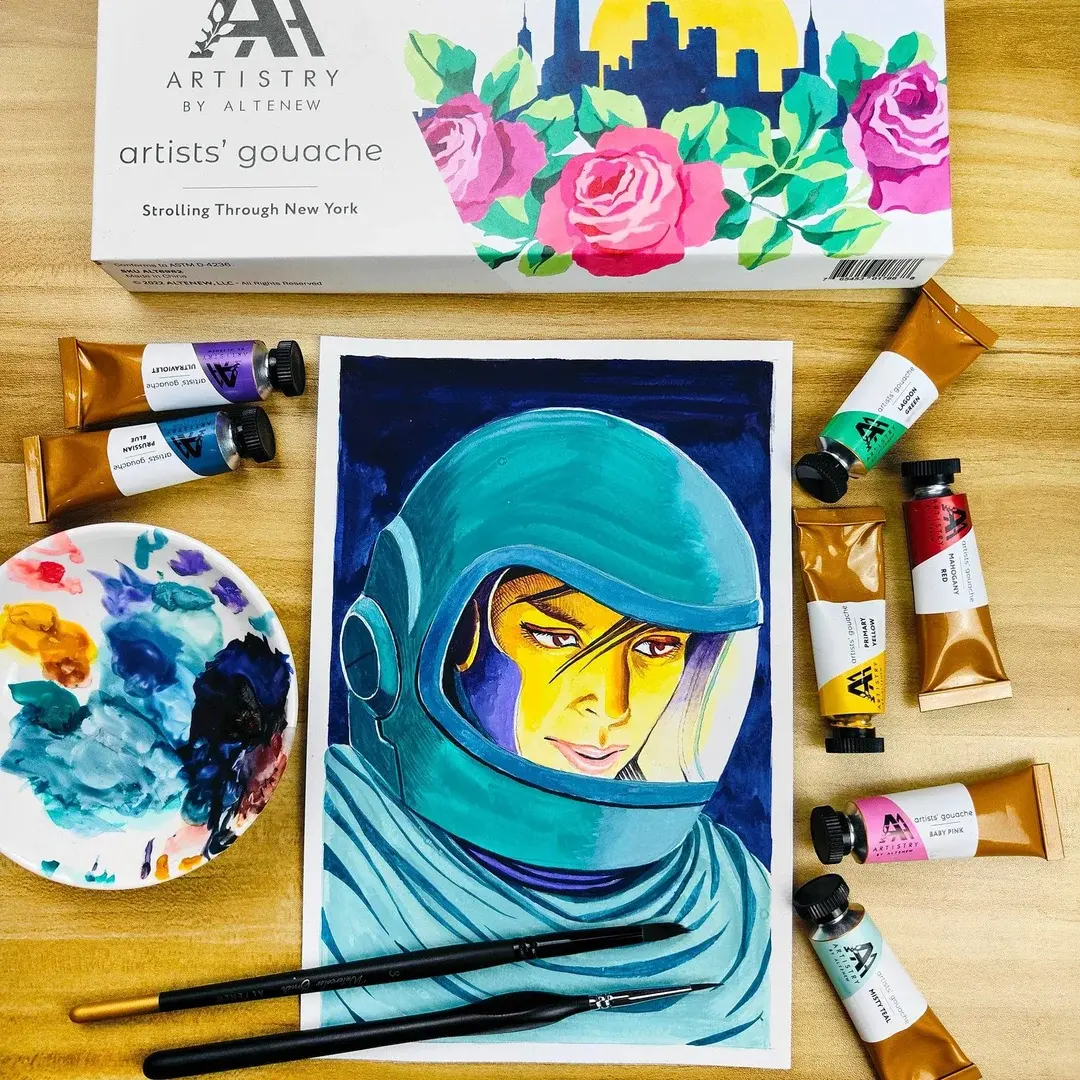
The best gouache sets for beginners balance affordability with color quality. Brands like Winsor & Newton Designers Gouache, Holbein Acryla Gouache, and M. Graham offer excellent pigment density and re-wettability. Beginners should prioritize a primary color palette to learn color mixing before investing in larger, more expensive sets with numerous pre-mixed shades.
On this page
Best gouache sets for beginners
For those starting out, selecting a set that offers a balance between professional quality and ease of use is essential. Winsor & Newton Designers Gouache is widely considered the industry standard, offering highly pigmented, opaque colors that dry to a matte finish. Their introductory sets provide a reliable foundation for learning how the medium behaves on paper.
Alternatively, Holbein Acryla Gouache is an excellent choice for beginners who want the look of traditional gouache with the durability of acrylic. It dries water-resistant, which allows for easier layering without reactivating the underlying paint. M. Graham is another top-tier option, known for using honey as a binder, which keeps the paint moist in the palette longer than other brands.
- Winsor & Newton: Best for traditional, re-wettable techniques.
- Holbein Acryla: Best for layering and permanent finishes.
- M. Graham: Best for artists who prefer paint that stays workable.
- Arteza: A budget-friendly entry point for hobbyists.
How to choose the right gouache set
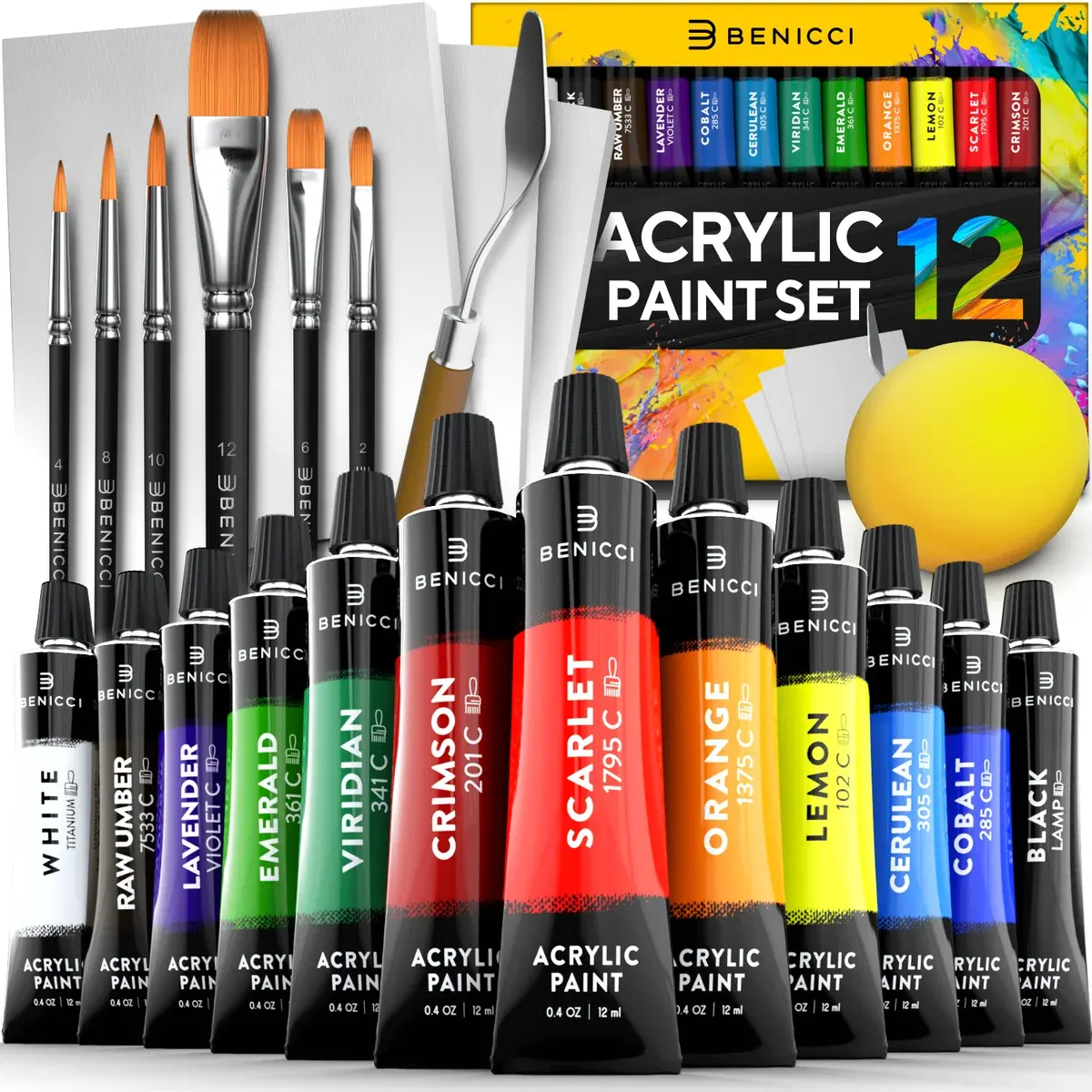
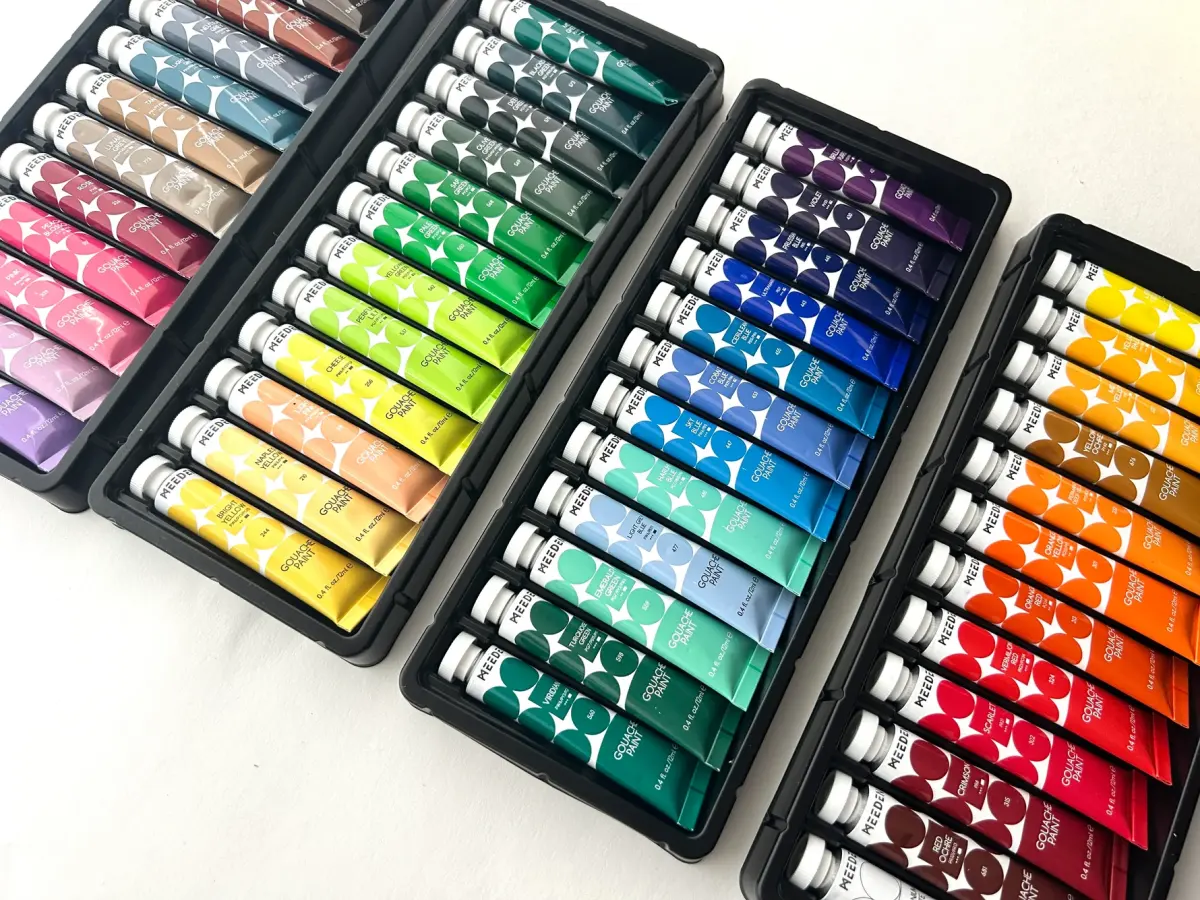
When evaluating sets, focus on the number of colors versus the quality of the pigment. A set of 12 tubes is generally sufficient for a beginner, as it allows for extensive color mixing. Avoid large sets with 40 or more colors initially, as these often contain lower-quality pigments and can overwhelm a new artist during the learning process.
Consider the tube size as well. Beginners often use more paint than they realize while experimenting, so 12ml or 15ml tubes provide enough material to practice without committing to expensive large-format supplies. Check if the set includes a white gouache, as it is the most frequently used color for mixing tints and highlights.
- Start with a basic primary color set: Red, Yellow, and Blue.
- Add a large tube of Titanium White for opacity and mixing.
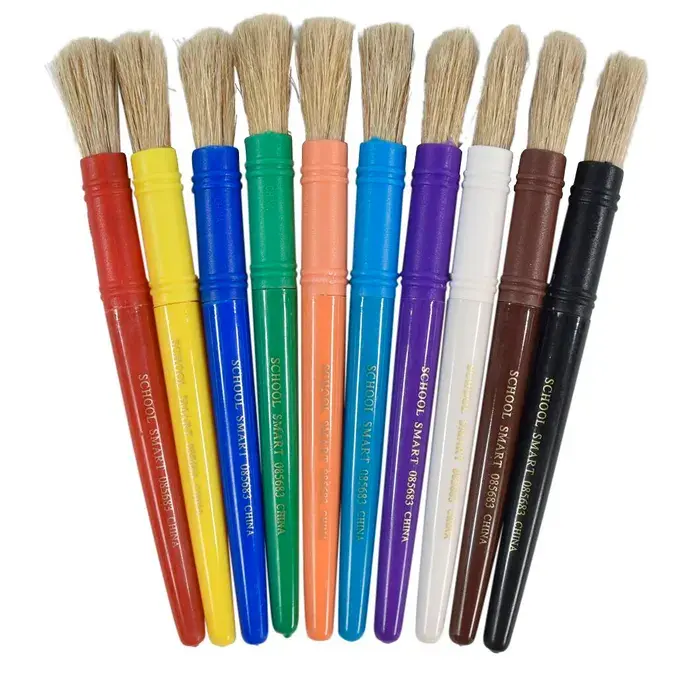
- Purchase a small set of synthetic brushes designed for watercolors.
- Select cold-press watercolor paper with a weight of at least 140lb.
Why gouache is different from watercolor
Gouache is essentially opaque watercolor, meaning it contains a higher ratio of pigment to binder and includes an inert white pigment like chalk. Unlike transparent watercolor, which relies on the white of the paper for brightness, gouache allows you to paint light colors over dark ones. This unique property makes it much more forgiving for beginners who are still learning to plan their compositions.
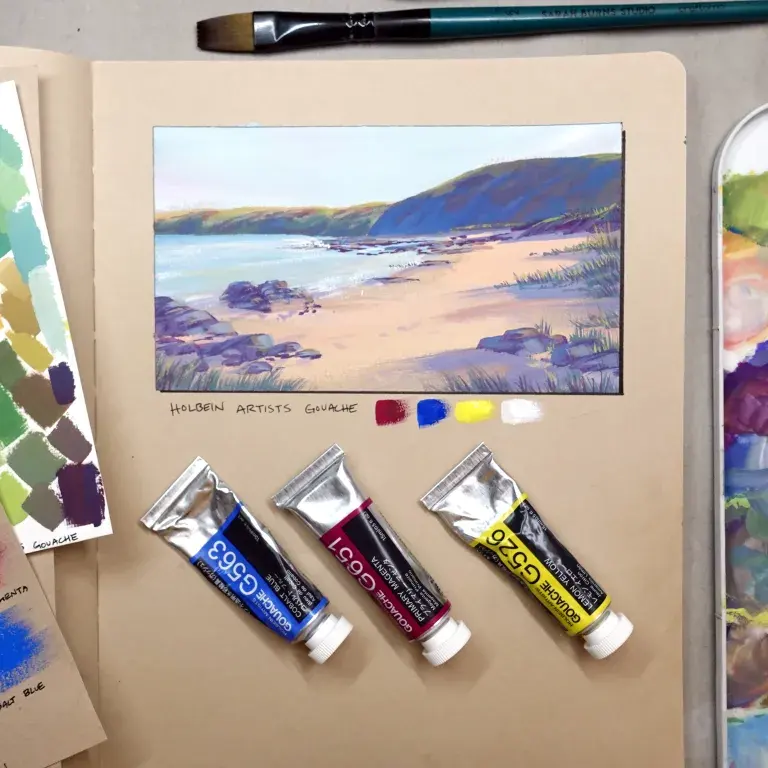
Because gouache dries slightly lighter than it appears when wet, it requires a period of adjustment. Beginners should create a color chart on a scrap piece of paper to see exactly how each shade changes as it dries. This practice prevents frustration when the final result looks different from the wet paint on the palette.
Common mistakes when using gouache
A frequent error for beginners is using too much water. Gouache should have a creamy, gouache-like consistency, similar to melted ice cream. If you add too much water, the paint becomes transparent and loses its signature opacity, effectively turning into standard watercolor. Always test your consistency on a piece of scrap paper before applying it to your main work.
Another common mistake is overworking the paint. Because gouache is water-soluble, brushing over the same area repeatedly can lift the bottom layer and create a muddy appearance. Aim to apply your strokes with confidence and leave them alone once they are down. If you need to make corrections, wait for the layer to dry completely before applying a new coat on top.
How to maintain your gouache supplies
Proper maintenance ensures your paint remains usable for years. If you are using traditional gouache, you can re-wet dried paint in your palette by adding a few drops of water. However, if you are using acrylic gouache, you must keep the paint moist or clean your palette immediately after use, as it will become permanent once it dries.
Always clean your brushes thoroughly after every session, as the gum arabic or acrylic binder can stiffen bristles quickly. Store your tubes with the caps tightly secured to prevent the paint from drying out inside the container. By keeping your workspace organized and your tools clean, you will spend more time creating and less time troubleshooting technical issues with your supplies.
Key facts
- Gouache is an opaque, water-soluble paint that dries to a matte finish and can be re-wetted after drying.
- Beginners should prioritize "designer" or "student-grade" gouache sets, which offer a balance between affordability and pigment quality.
- Synthetic brushes are preferred for gouache because they are durable enough to handle the paint's density while maintaining a sharp point.
- Unlike watercolor, gouache is applied from dark to light, allowing artists to layer lighter colors over darker base layers.
- Always store gouache in airtight containers, as the paint can dry out and crack if exposed to air for extended periods.
- A basic starter palette should include the three primary colors, black, white, and a warm and cool version of each primary.
The bottom line
For beginners, the best approach is to invest in a versatile student-grade set from reputable brands like Winsor & Newton or Holbein. Focus on mastering color mixing and layering techniques rather than acquiring a vast array of colors. By using heavy-weight paper and maintaining a creamy paint consistency, you will avoid common pitfalls like cracking or streaking, allowing you to build foundational skills in this expressive medium.
People also ask
What is the difference between gouache and acrylic paint?
Gouache remains water-soluble even after it dries, meaning you can reactivate it with water. Acrylic paint is plastic-based and becomes permanent and water-resistant once it sets.
Read the full answer →Do I need expensive paper for gouache painting?
You do not need specialized paper, but you should use heavy-weight paper, such as 140lb (300gsm) watercolor paper. Thinner paper will warp or buckle when exposed to the moisture in the paint.
Can I mix gouache with watercolors?
Yes, you can mix them to create unique textures and levels of opacity. Adding watercolor makes gouache more transparent, while adding gouache makes watercolors more opaque.
How do I prevent my gouache from becoming streaky?
Streaks often occur because the paint is too thin or the brush is too dry. Aim for a consistency similar to heavy cream and ensure your brush is damp but not dripping with water.
Is gouache toxic?
Most modern gouache sets are non-toxic, but you should always check the label for the AP (Approved Product) seal. Avoid paints that contain heavy metals like cadmium or cobalt if you are concerned about safety.
How do I clean my brushes after using gouache?
Simply rinse your brushes thoroughly with lukewarm water and mild soap until the water runs clear. Reshape the bristles with your fingers and let them dry flat to maintain their form.
This answer was created with the help of AI research tools and reference sources. Spotted an error? Let us know — we correct mistakes quickly. See our editorial policy.