How do you use gouache?
Short answer
Gouache is an opaque, water-based paint that functions as a hybrid between watercolor and acrylic. To use it, apply thin layers with a damp brush, allowing each to dry before adding details. Because it remains water-soluble even after drying, you can easily rewet the surface to blend colors or correct mistakes.
On this page
How to set up your workspace for gouache
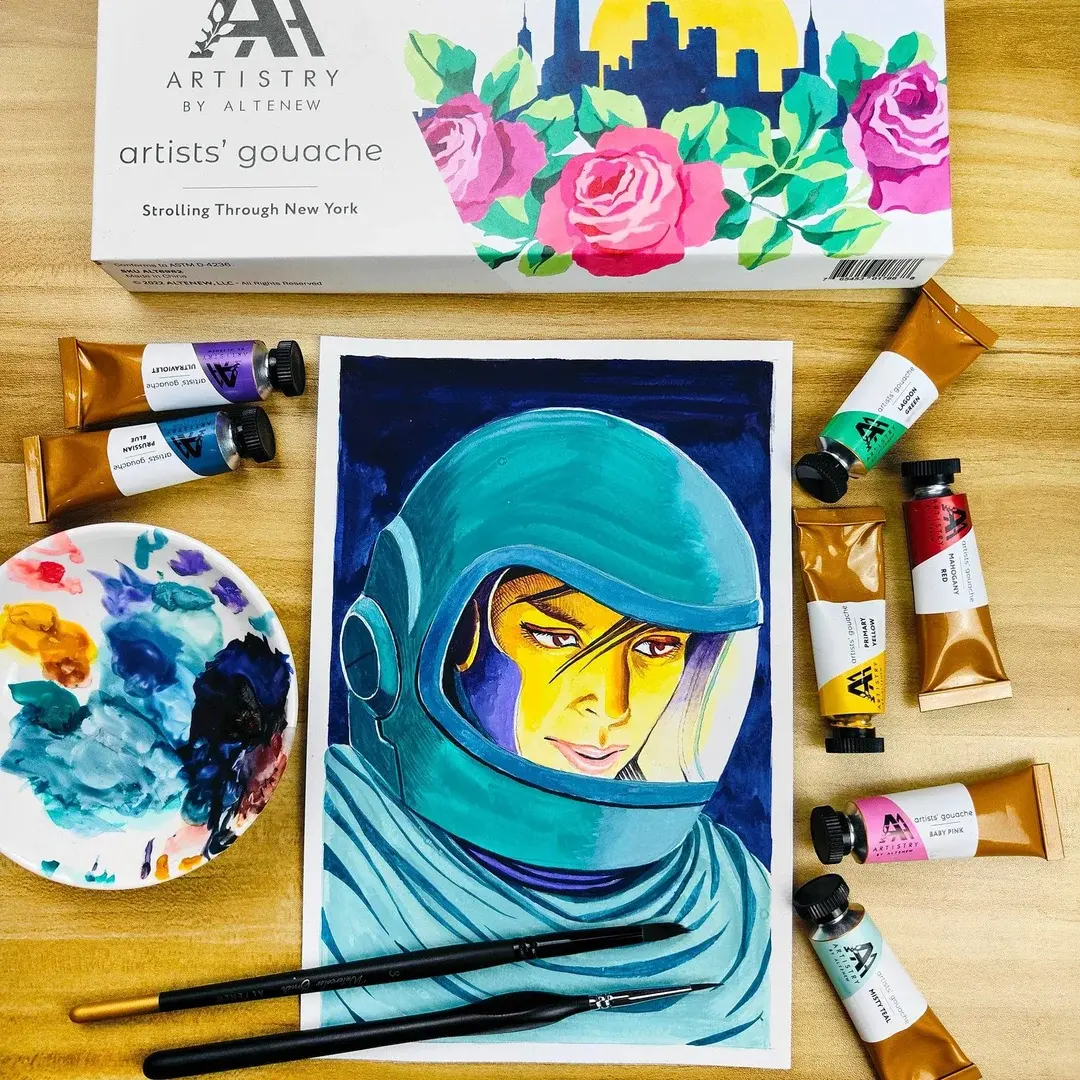
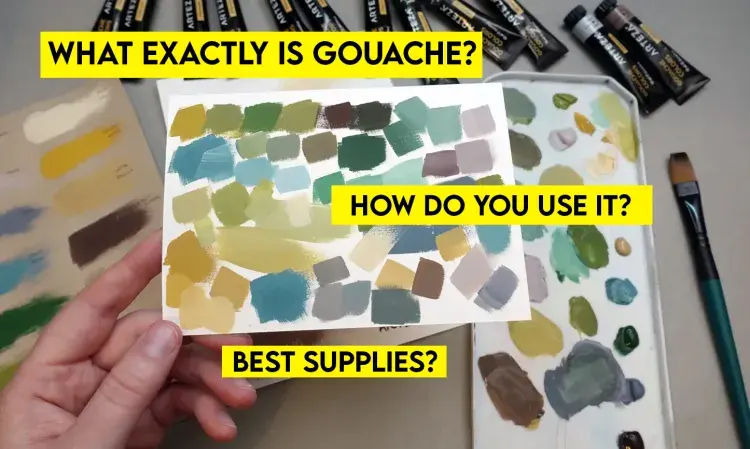
Begin by gathering high-quality gouache tubes, a set of synthetic brushes, and heavy-duty watercolor paper. Unlike traditional watercolors, gouache requires a thicker substrate to prevent buckling, so choose paper with a weight of at least 300 grams per square meter. You will also need two separate jars of water: one for cleaning your brushes and another for thinning your paint.
Organize your palette by squeezing small amounts of pigment onto a non-porous surface, such as plastic or ceramic. Because gouache dries very quickly, it is best to dispense only what you intend to use during a single session. Keep a spray bottle nearby to mist your palette occasionally, which helps maintain the paint's creamy, workable consistency throughout your painting process.
- Secure your paper to a board using masking tape to keep it flat.
- Prepare your water jars and brushes before opening your paint tubes.
- Squeeze small, pea-sized amounts of color onto your palette.
- Keep a paper towel handy to blot excess moisture from your brushes.
How to mix and apply gouache layers
Achieving the right consistency is the secret to successful gouache painting. Aim for the texture of heavy cream, where the paint flows smoothly off the brush without being too translucent. If the paint feels streaky or dry, add a tiny drop of water; if it becomes watery like watercolor, you have used too much liquid.
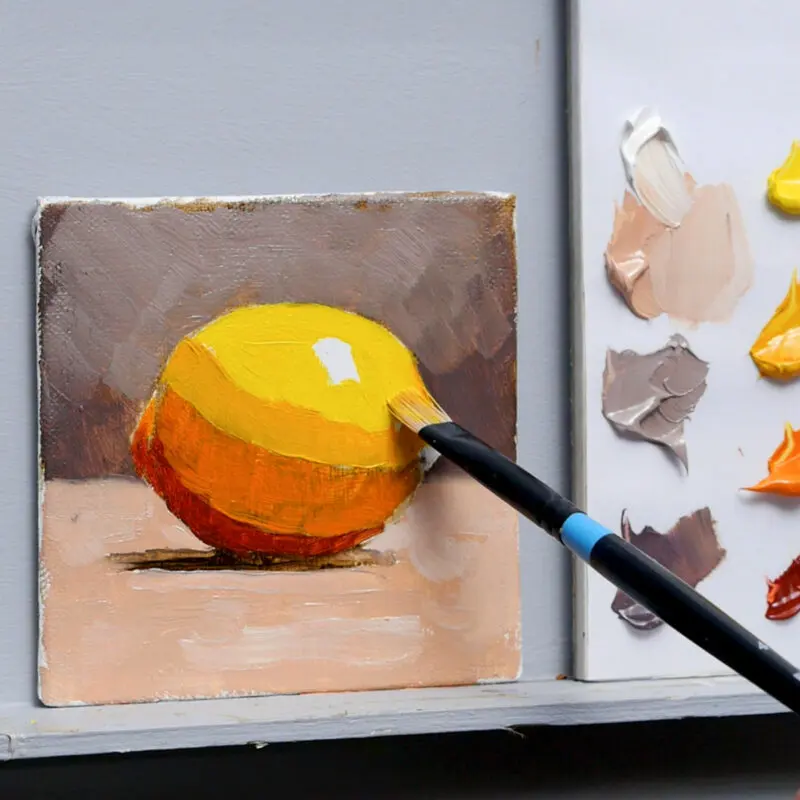
Apply your paint in thin, deliberate layers, moving from dark to light or background to foreground. Because gouache is opaque, you can layer lighter colors over darker ones, which is a significant advantage over transparent watercolor. Always wait for the base layer to dry completely before adding new strokes to avoid lifting the underlying pigment and creating muddy textures.
- Use a flat brush for covering large, solid areas of color.
- Use a small round brush for fine lines and intricate details.
- Avoid overworking an area, as this can disturb the base layer.
- Test your color consistency on a scrap piece of paper first.
How to blend colors effectively
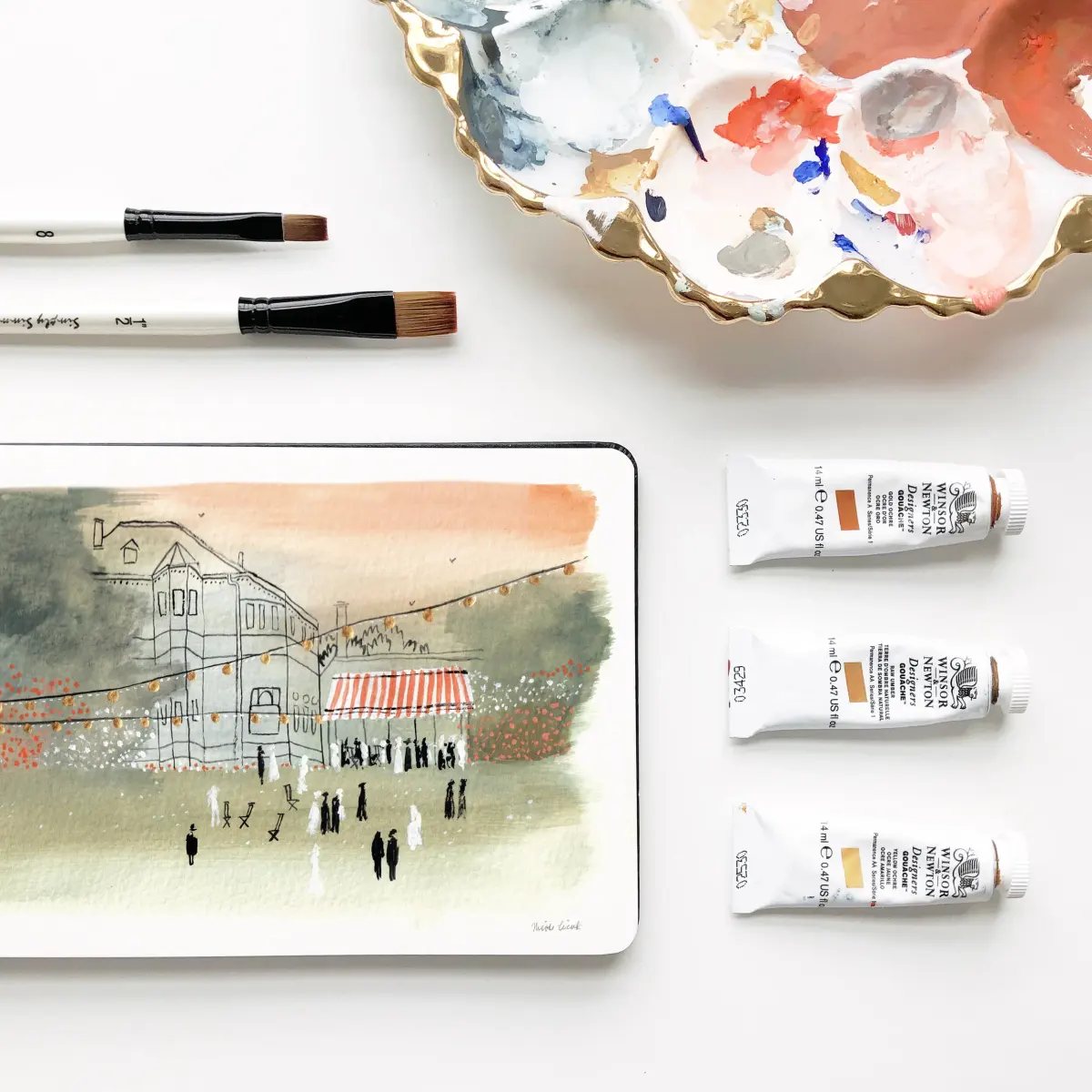
Blending with gouache requires a different approach than oil or acrylic because the paint remains reactive to water. To create a smooth gradient, lay down two colors side-by-side while they are still wet. Use a clean, slightly damp brush to gently brush back and forth across the junction where the two colors meet.
If you are working on a dry surface, you can achieve a soft blend by using a "dry brush" technique or by adding a tiny amount of water to the edge of a dried stroke. Be careful not to scrub the surface, as the friction will dissolve the binder and pull up the paint underneath. If you find the paint is drying too fast, you can add a drop of retarder or simply work in smaller sections to maintain control over your edges.
- Work quickly to ensure the paint remains wet during the blending process.
- Use a soft synthetic brush to minimize visible brush marks.
- Keep your blending brush clean to prevent unintended color contamination.
- Practice on scrap paper to gauge how much water your specific brand requires.
How to fix common mistakes
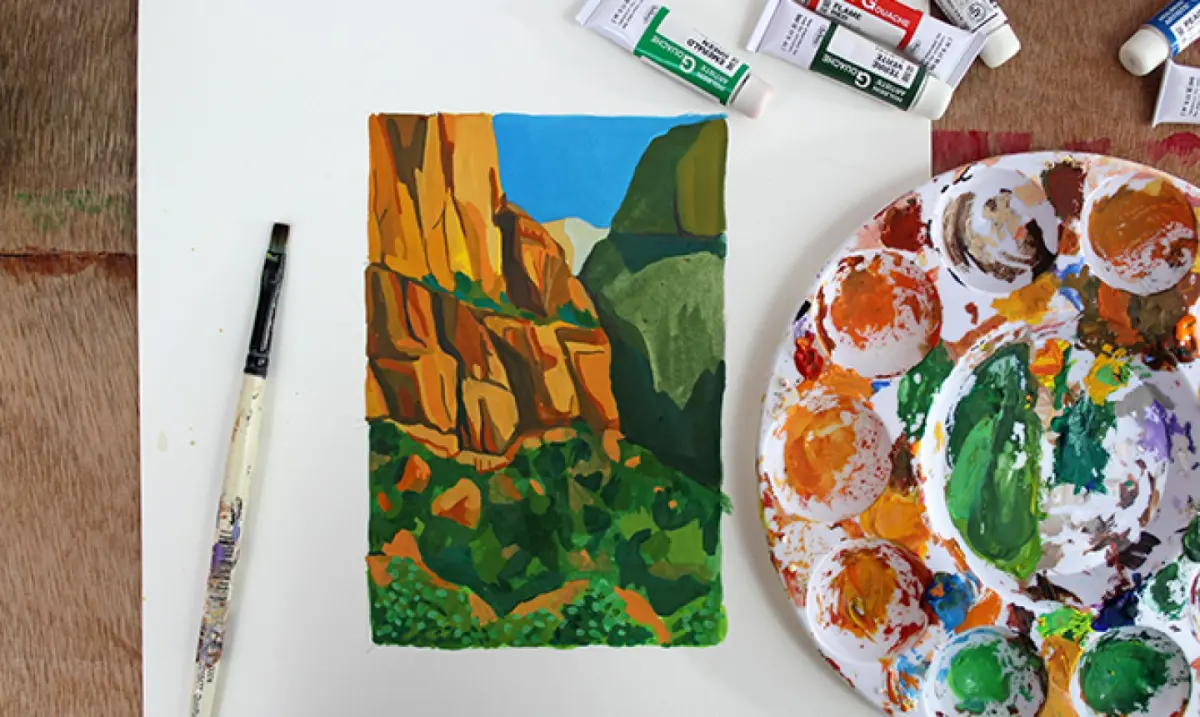
One of the greatest benefits of gouache is its forgiveness. If you make a mistake, simply let the area dry and paint over it with a fresh layer of opaque color. Because the paint is highly pigmented, a single coat is usually sufficient to cover up errors or unwanted marks. If you have applied too much paint and the surface looks uneven, you can gently lift it off with a damp, clean brush.
Avoid the common pitfall of "reactivating" your paint too aggressively. If you scrub a wet brush over a dry area, you will likely lift the color and create a hole in your painting. Instead, use a light touch and apply paint in a single, confident stroke. If you accidentally lift a layer, let it dry completely before attempting to patch it again to ensure a clean finish.
- Allow the mistake to dry fully before applying a correction.
- Use a thicker paint consistency for the covering layer.
- Apply the new layer with a light touch to avoid disturbing the base.
- If the area becomes too muddy, gently wipe it away with a damp sponge.
How to preserve your finished artwork
Once your gouache painting is complete, it requires careful handling because the surface remains susceptible to moisture and smudging. Unlike acrylics, which form a plastic-like film, gouache dries to a matte, chalky finish that can be fragile. To protect your work, keep it in a dry environment and avoid touching the surface with your fingers, as oils from your skin can leave marks.
For long-term preservation, consider framing your work behind glass with a mat that prevents the painting from touching the surface of the glass. If you wish to seal the painting, you can use a light spray fixative specifically designed for gouache or watercolors, though this may slightly alter the matte finish. Always test a fixative on a test swatch before applying it to your final piece to ensure you are satisfied with the aesthetic result.
Key facts
- Gouache is an opaque, water-based paint made of pigment, a binding agent like gum arabic, and an inert white filler like chalk.
- Unlike transparent watercolors, gouache dries to a matte finish and can be layered from dark to light colors.
- Always use high-quality synthetic brushes, as natural hair brushes can become too soft when saturated with heavy gouache.
- To prevent cracking, apply thin layers rather than thick, impasto-style blobs, as the high pigment load makes it brittle when dry.
- Gouache remains water-soluble even after drying, meaning you can reactivate and blend old paint with a damp brush.
- Store gouache in airtight containers to prevent it from drying out completely, though dried paint can be rehydrated with a few drops of water.
The bottom line
Gouache is a versatile, forgiving medium that bridges the gap between the transparency of watercolor and the bold coverage of acrylics. By mastering the consistency of your paint and working in thin, deliberate layers, you can achieve professional results with a distinct matte aesthetic. Remember that its unique ability to be reactivated makes it perfect for blending, provided you handle your layers with care and patience.
People also ask
Can I mix gouache with watercolor paints?
Yes, you can mix them to achieve varying levels of opacity. Adding watercolor makes gouache more transparent, while adding gouache makes watercolor more opaque and matte.
What kind of paper is best for gouache painting?
Heavyweight watercolor paper or cold-press illustration board works best. Aim for a weight of at least 140 pounds (300 gsm) to prevent the paper from warping when wet.
How do I avoid streaks when painting large areas?
Use a large, flat brush and mix a generous amount of paint before starting. Apply the paint quickly with consistent, overlapping strokes while the surface is still damp.
Why does my paint look chalky or dusty after it dries?
This usually happens if you have added too much water or if the paint quality is low. Use just enough water to reach a creamy, heavy-cream consistency for a smooth, vibrant finish.
Is gouache lightfast and archival?
High-quality artist-grade gouache is generally lightfast, but student-grade versions may fade over time. Always check the lightfastness rating on the tube label if you intend to display your work.
How do I fix a mistake in a gouache painting?
Because gouache is opaque, you can simply let the area dry and paint over it. If the mistake is wet, lift the paint with a clean, damp brush or a paper towel.
This answer was created with the help of AI research tools and reference sources. Spotted an error? Let us know — we correct mistakes quickly. See our editorial policy.