What colors make coral?
Short answer
Coral is a vibrant hue created by mixing red and yellow, often with a touch of white to adjust its intensity. Depending on the desired shade, you can shift the color toward pink by adding more red or toward a golden peach by increasing the yellow content in your mixture.
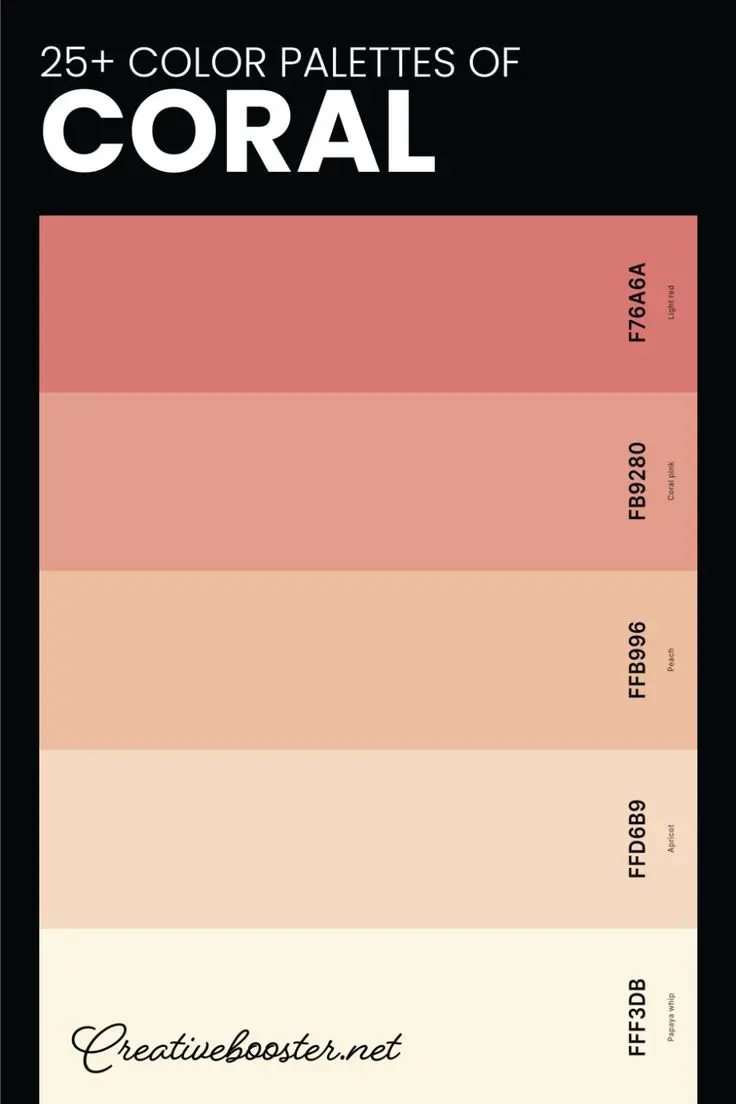
On this page
How to mix coral paint colors
Creating the perfect coral shade requires a balanced approach to color theory. Start with a primary red and a primary yellow, as these act as the foundation for the warm, tropical appearance of coral. If you are using acrylics or oils, squeeze a small amount of warm red onto your palette, then gradually incorporate yellow until you achieve a bright orange base.
Once you have your orange base, you must introduce white to achieve the characteristic "coral" look. Without white, the color will simply remain a dark or vibrant orange. Add the white slowly, stirring thoroughly to ensure the pigment is evenly distributed. If the color appears too neon, a tiny dab of blue or gray can help desaturate the mixture, grounding it into a more natural, sophisticated tone.
- Begin with a base of warm red.
- Slowly stir in yellow until you reach a bright orange.
- Add white paint in small increments to lighten the mixture.
- Adjust the hue by adding more red for pinkish coral or yellow for peachy coral.
Why coral colors vary in nature
The term "coral" describes a wide spectrum of colors inspired by the marine organisms known as anthozoans. In the ocean, these creatures exhibit a vast array of hues due to the symbiotic relationship they share with algae called zooxanthellae. These algae live within the coral tissue and provide the organism with food through photosynthesis, which dictates the coral's visible color.
When environmental conditions change, such as rising water temperatures, corals often expel these algae, leading to the phenomenon known as coral bleaching. While the living coral may appear brown, green, or vibrant orange, a bleached coral turns stark white because the underlying calcium carbonate skeleton is exposed. Consequently, the "coral" color used in design and art is an idealized representation of these organisms, rather than a single, fixed shade found in nature.
- Staghorn corals often display shades of brown or tan.
- Brain corals frequently appear in muted yellows or greens.
- Fan corals are known for deep, saturated reds and purples.
- The "coral" color in design usually mimics the bright, peachy-pink tones of precious red coral.
Best tools for color mixing
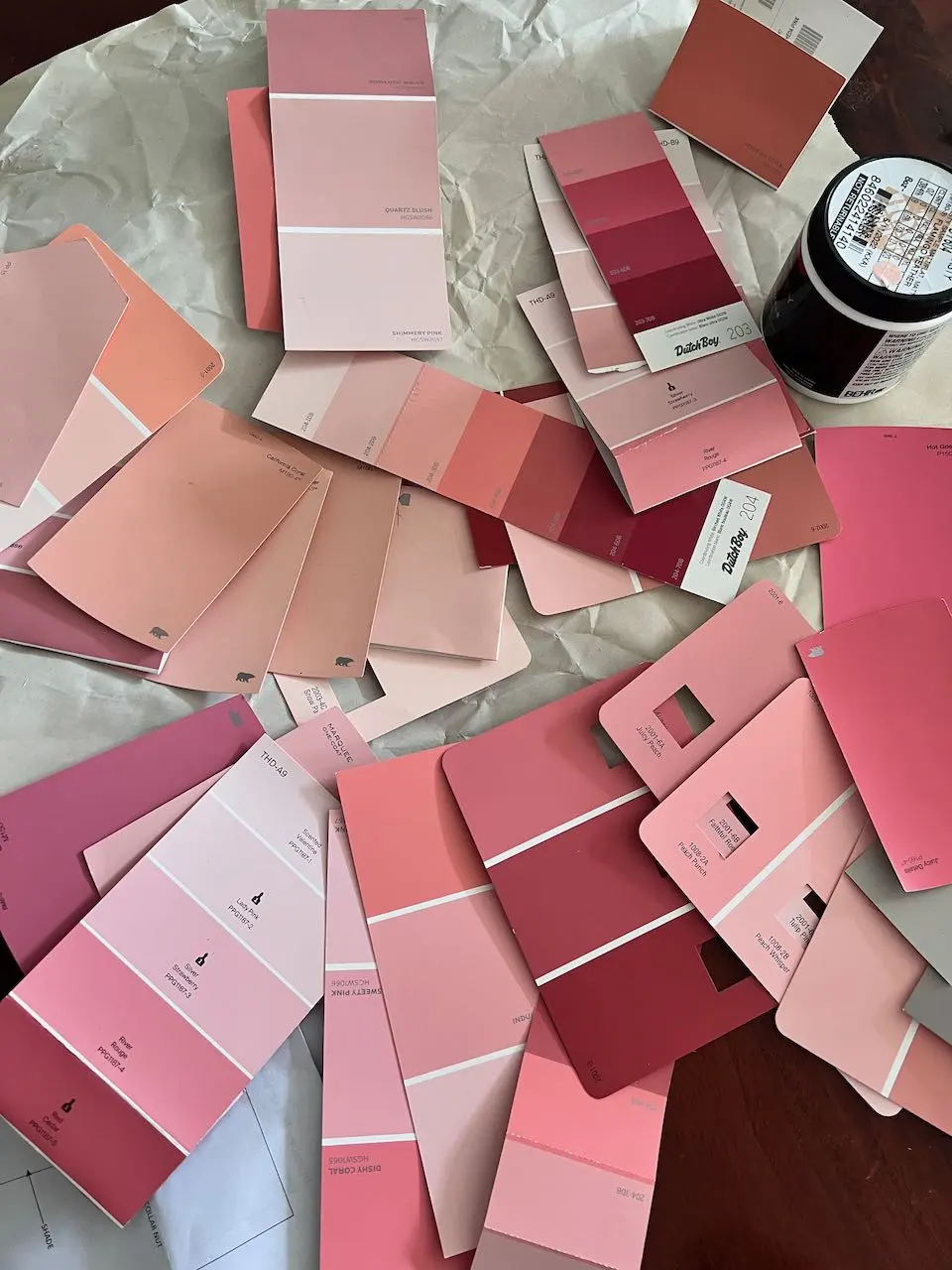
Achieving consistency in your coral mixture depends heavily on the quality of your pigments. Professional-grade paints contain higher concentrations of pigment, allowing for a more predictable outcome when blending. If you are working with digital design software, you can replicate coral by using specific hexadecimal codes. A standard coral hex code is #FF7F50, which translates to a specific balance of red, green, and blue light.
For physical painting, use a palette knife rather than a brush to mix your colors. A knife allows you to incorporate the white pigment fully without trapping air bubbles or leaving streaks of unmixed color. Always keep a clean cloth nearby to wipe your tools between adjustments, as even a tiny amount of residual dark paint can muddy your coral mixture and ruin the desired warmth.
Common mistakes when mixing coral
One of the most frequent errors is adding too much white too quickly. Once a mixture becomes too pale, it is difficult to return to a deep, saturated coral without adding significant amounts of additional red and yellow. Always start with a small amount of white and add it incrementally, checking the color against your reference after every addition.
Another common mistake is failing to account for the drying time or the surface material. Acrylic paints, for instance, often dry slightly darker than they appear when wet. If you are painting on a dark canvas, your coral may look dull or muddy. Applying a coat of white primer or gesso to your surface first ensures that the light reflects through the coral pigment, keeping the color bright, vibrant, and true to your intended vision.
How to use coral in interior design
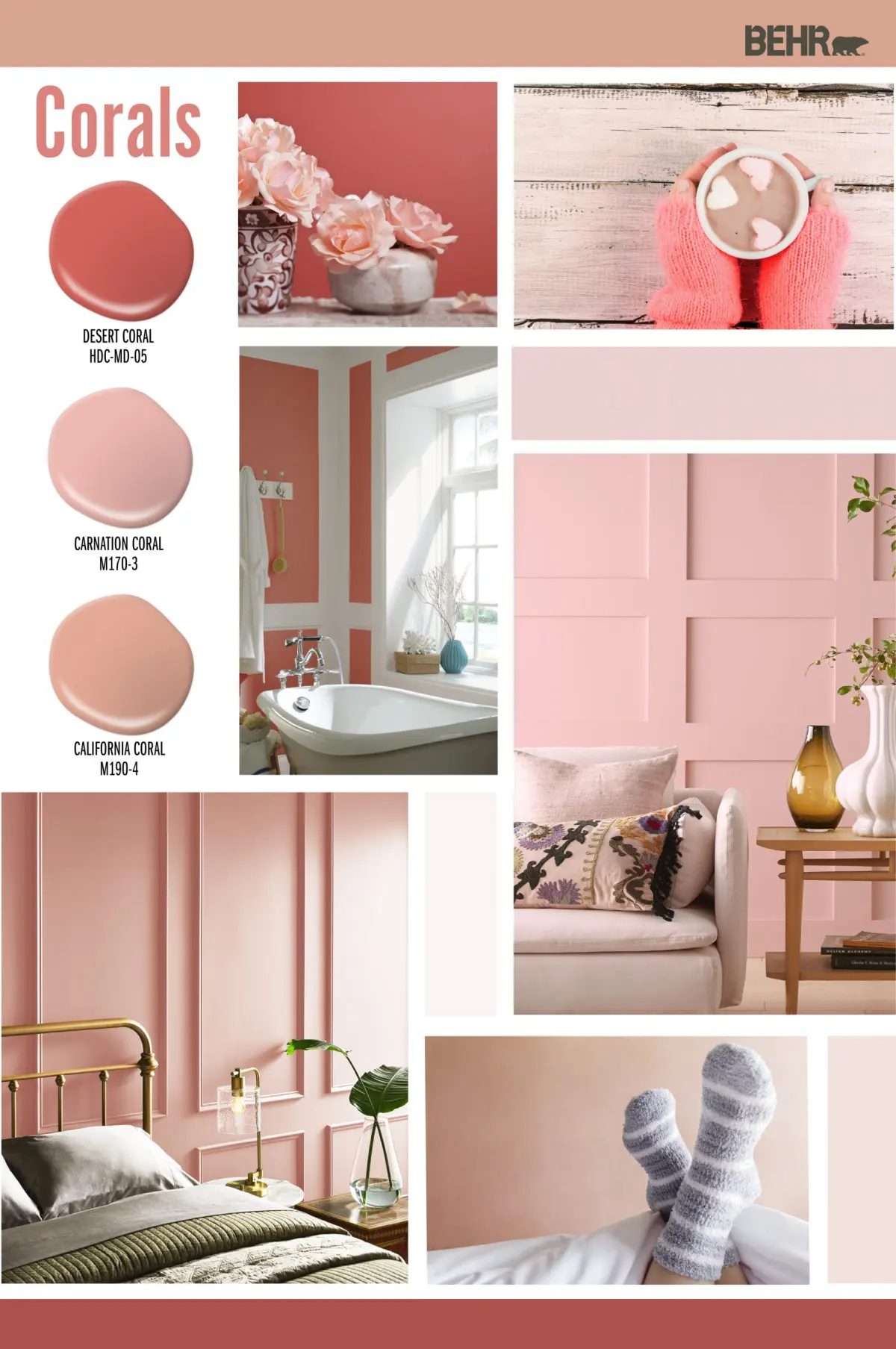
Coral is a versatile color that bridges the gap between warm and cool palettes, making it an excellent choice for accent walls or decor. Because it is a high-energy color, it works best when balanced with neutral tones like cream, charcoal, or soft gray. Using coral in a room with plenty of natural light will emphasize its peachy undertones, while artificial evening light may bring out its deeper, redder qualities.
When incorporating this color into your home, consider the "60-30-10" rule. Use a neutral color for 60 percent of the room, a secondary color for 30 percent, and let coral act as the 10 percent accent. This prevents the intensity of the coral from overwhelming the space. Whether through throw pillows, artwork, or a single statement chair, coral provides a welcoming, energetic atmosphere that feels both modern and timeless in any living environment.
Key facts
- Coral is not a single color; it is a mixture of red and orange with a slight touch of pink.
- To create a standard coral hue using paint, mix two parts orange with one part pink.
- If you are using primary colors, combine a large amount of red with a smaller amount of yellow and a tiny drop of white.
- Adding too much white will turn the mixture into a pastel peach rather than a vibrant coral.
- Adjust the intensity by adding a very small amount of blue or purple to darken the shade if it appears too neon.
- Always test your color on a scrap piece of material before applying it to your final project to ensure the undertones are balanced.
The bottom line
Creating the perfect coral involves balancing the intensity of red and orange with the softness of pink or white. By starting with a red-orange base and slowly incorporating lighter tones, you can achieve a vibrant, warm color suitable for any artistic application. Remember to mix in small batches and test frequently, as the color can shift dramatically with the addition of even a single drop of pigment.
People also ask
How do I make coral paint darker?
To darken coral, add a tiny amount of brown or a complementary color like teal. Only add these in minuscule increments, as they can quickly overpower the brightness of the coral.
Is coral considered a warm or cool color?
Coral is classified as a warm color because it is derived from red and yellow undertones. It evokes energy and brightness, making it a popular choice for accent walls and fashion.
Can I make coral using only red and white?
Mixing red and white will only produce shades of pink. You must introduce yellow or orange to achieve the specific warmth and depth required for a true coral color.
Why does my coral mixture look like salmon?
A salmon appearance usually indicates that you have added too much white or gray to the mix. To fix this, add more red or orange to bring back the saturation and warmth.
What is the difference between peach and coral?
Peach is a lighter, more muted color with a higher percentage of yellow and white. Coral is more saturated and leans closer to the red spectrum than peach does.
How do I lighten coral without making it look chalky?
Use a transparent glazing medium or a very small amount of white paint to lighten the shade. Avoid adding too much opaque white, which creates a flat, chalky finish.
This answer was created with the help of AI research tools and reference sources. Spotted an error? Let us know — we correct mistakes quickly. See our editorial policy.