What are good painting ideas for beginners?
Short answer
Beginners should focus on subjects with simple geometric shapes and limited color palettes to build confidence. Ideal starting points include still-life arrangements of fruit, monochromatic landscapes, or abstract color studies. These projects allow you to practice brush control, color mixing, and layering without the pressure of complex perspective or anatomical accuracy.
On this page
Best painting subjects for beginners
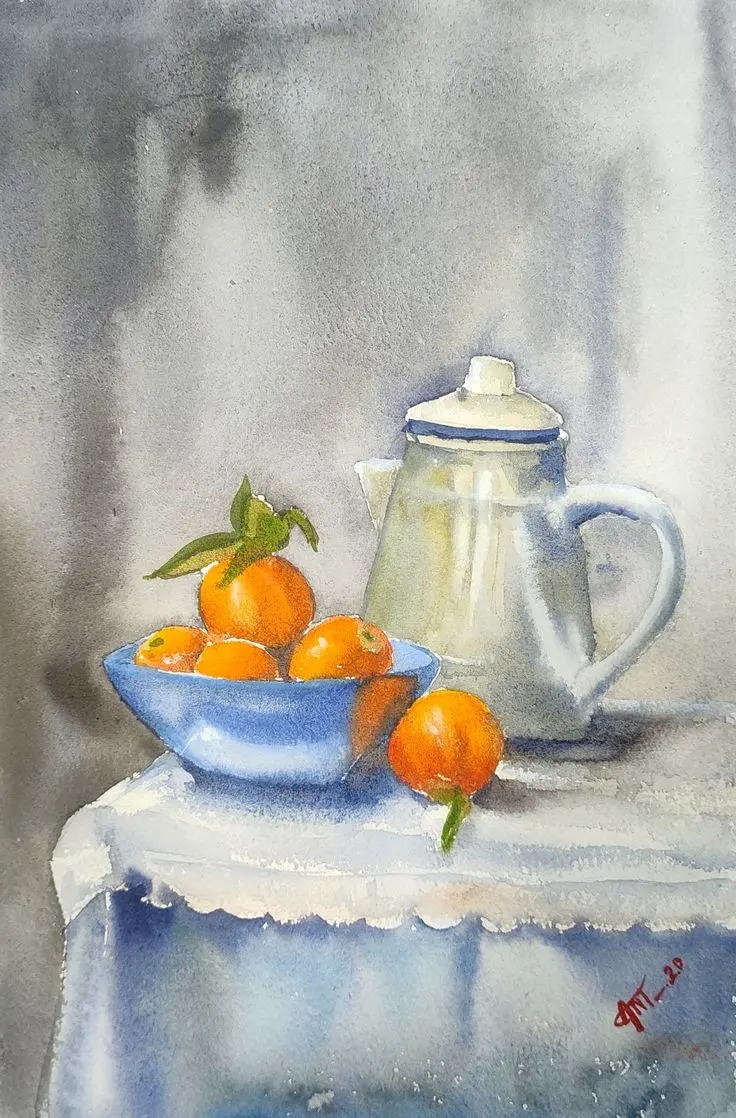
Starting with subjects that possess clear, defined edges helps you master basic brushwork. Fruit such as apples, pears, or lemons are excellent subjects because their spherical forms are easy to break down into simple light and shadow patterns. You can arrange these items on a table under a single lamp to create high-contrast lighting, which makes identifying highlights and dark shadows much easier.
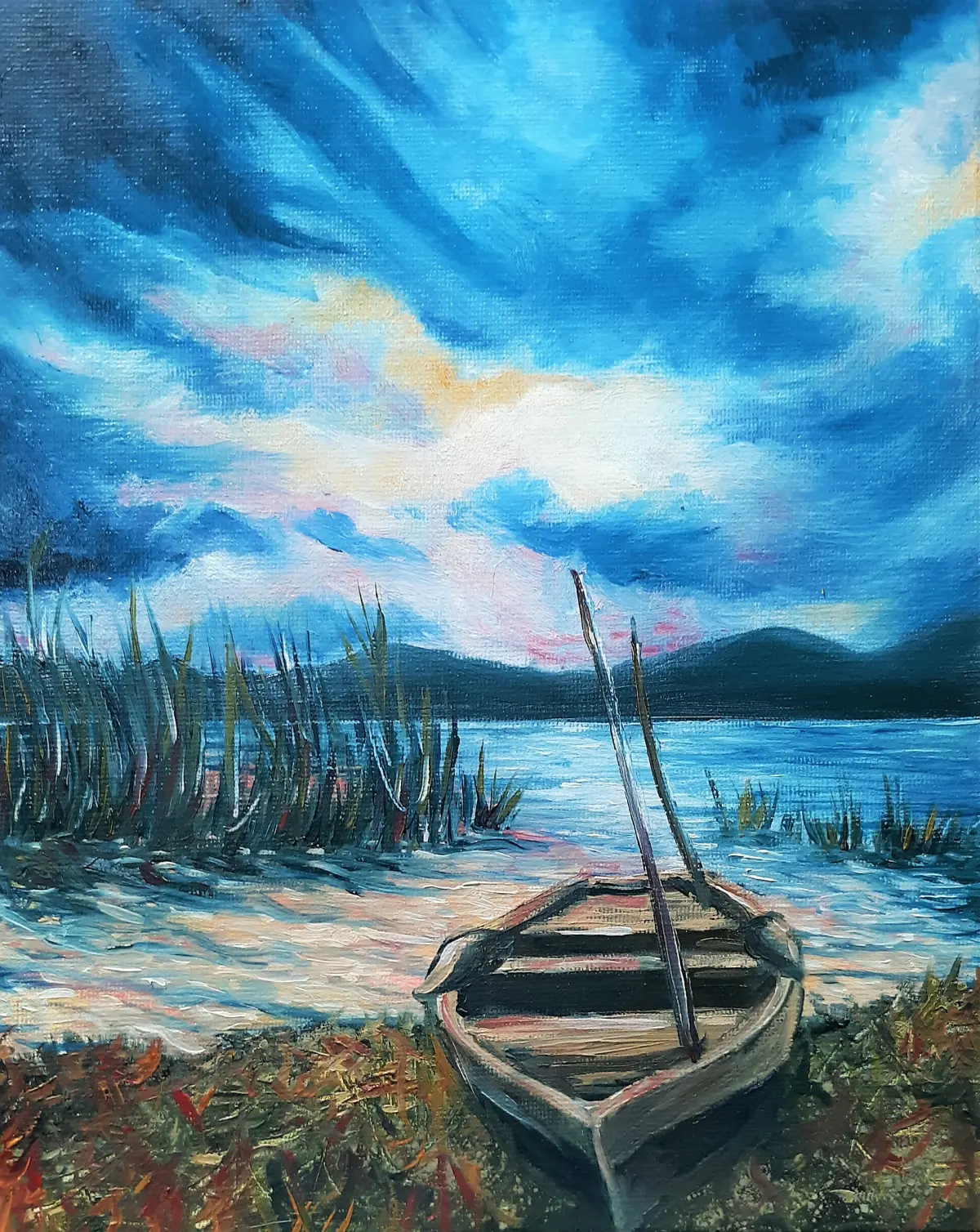
Another effective approach is to paint simple landscapes. Focus on the horizon line and large shapes like hills, trees, or clouds rather than intricate details. By limiting your scene to three or four primary elements, you avoid the common trap of over-complicating the composition. This practice teaches you how to create depth through color variation, such as using cooler, lighter tones for distant objects and warmer, darker tones for foreground elements.
How to choose painting supplies for beginners
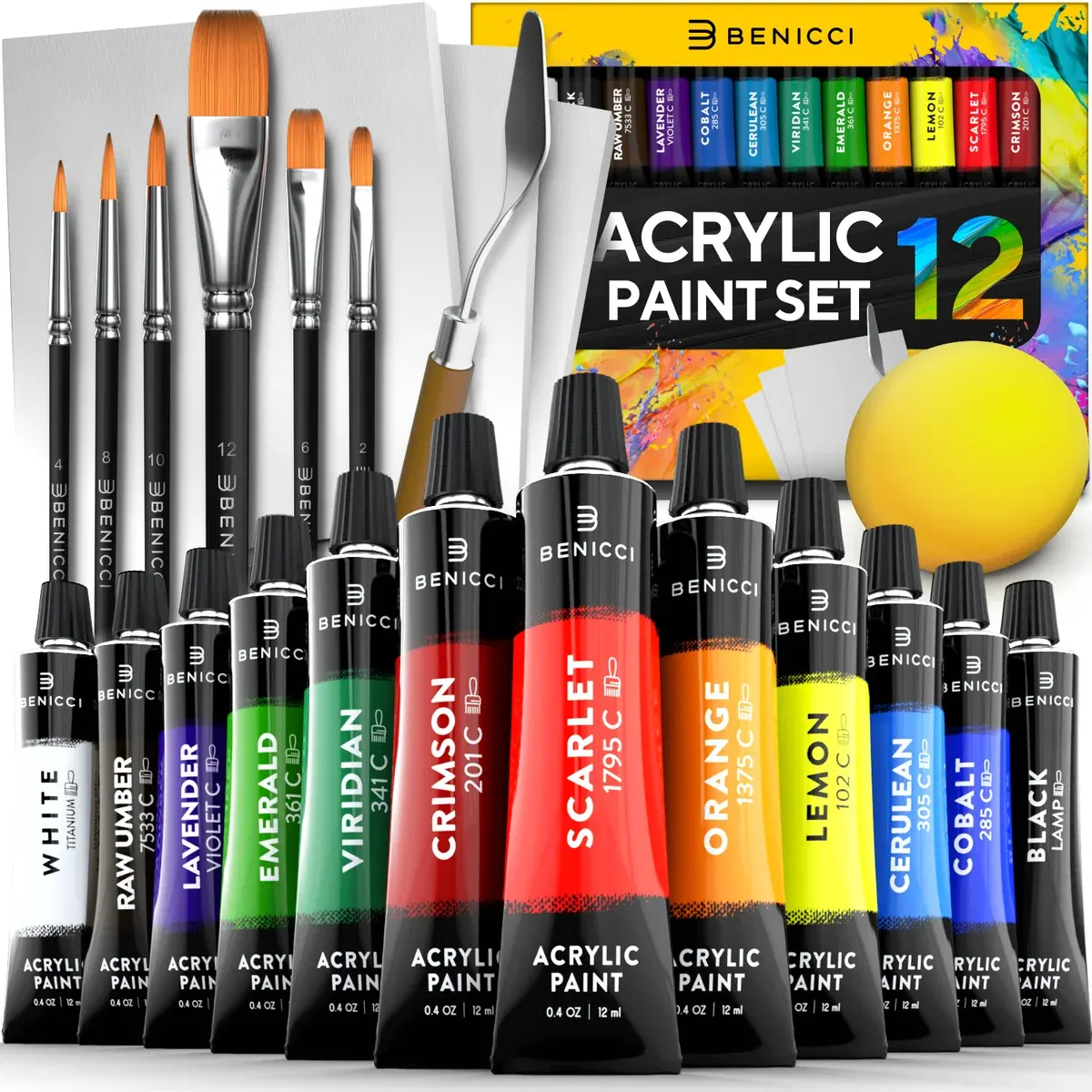
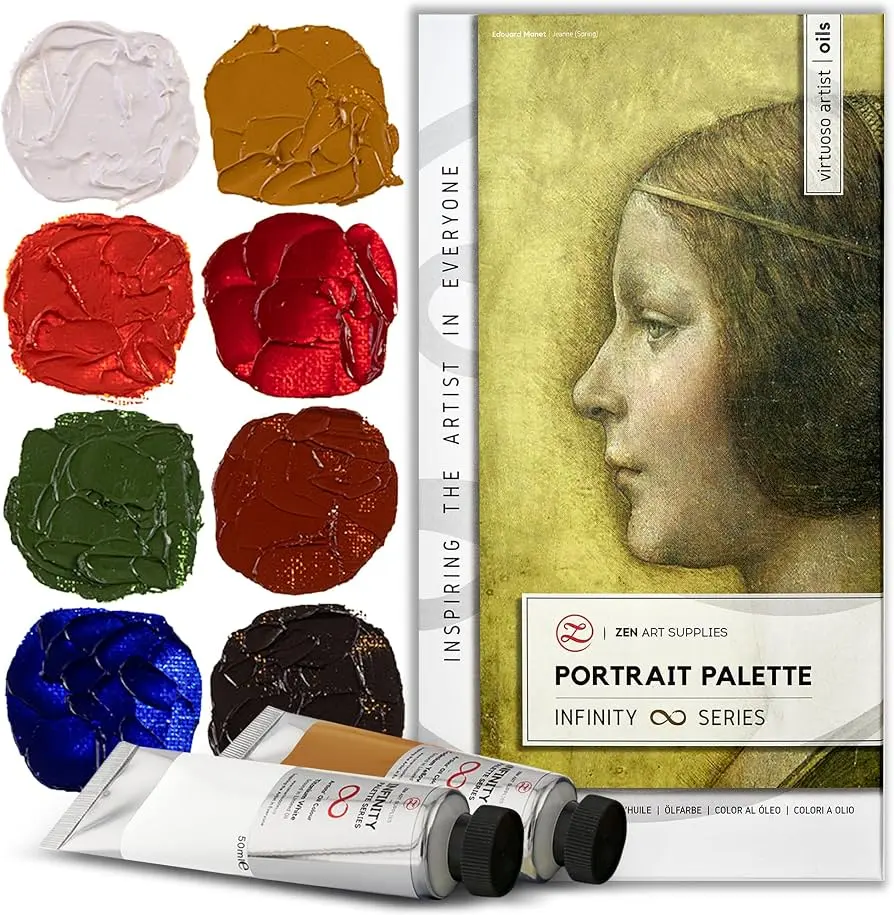
You do not need an expensive array of professional-grade tools to begin your artistic journey. For those starting with acrylics or oils, a basic set of primary colors—red, yellow, blue—plus white and black is sufficient to mix almost any shade. Investing in a few high-quality brushes, such as a medium-sized flat brush and a small round brush, is better than buying a large, low-quality variety pack that will shed bristles.
- Select student-grade acrylic paints for fast drying times and easy cleanup.
- Purchase a pad of heavy-weight paper or a pre-primed canvas board.
- Use a plastic palette or a disposable paper palette for easy mixing.
- Keep two jars of water: one for rinsing brushes and one for clean water.
- Choose synthetic brushes, as they are durable and work well with most mediums.
Common mistakes when painting for beginners
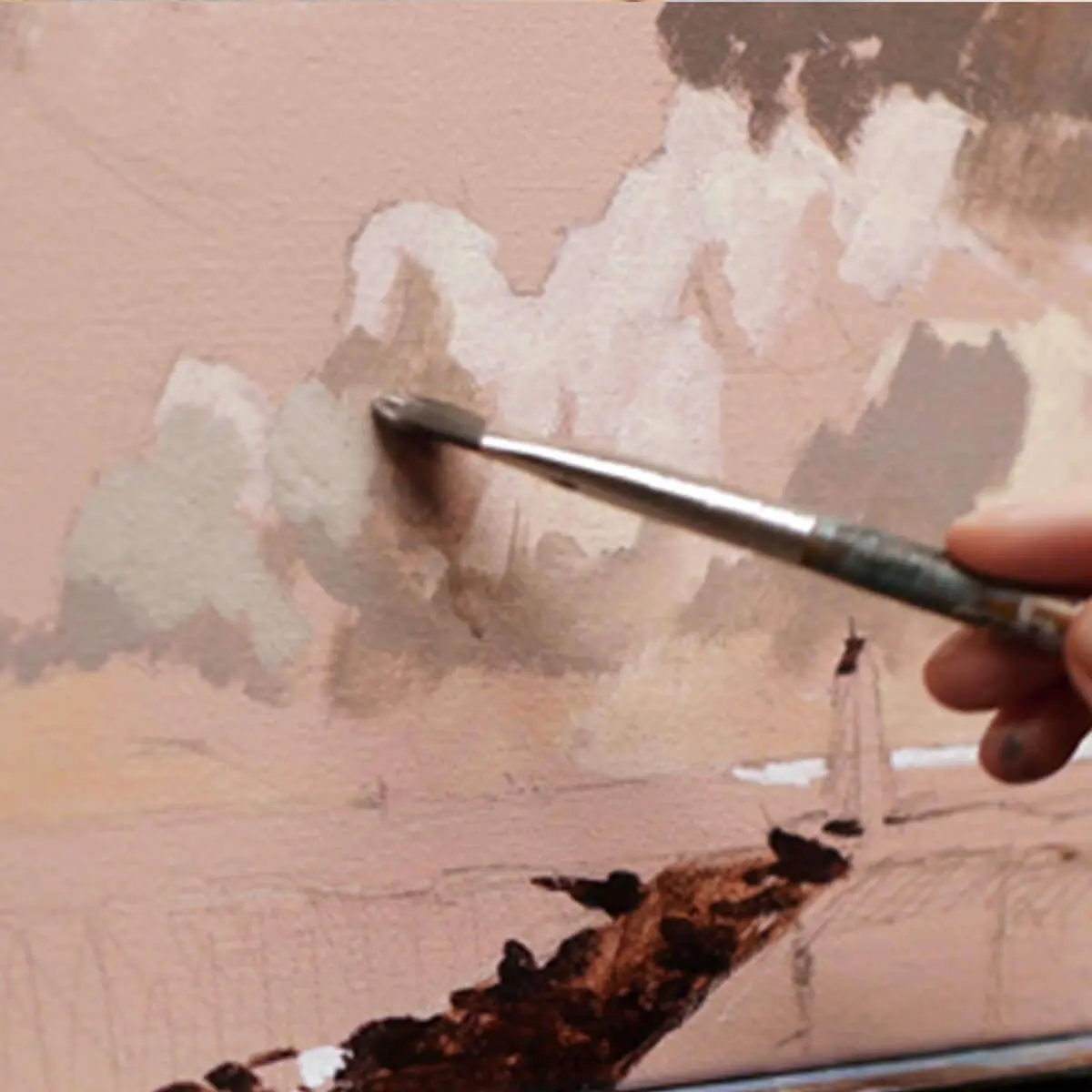
One of the most frequent errors is the "muddy color" effect, which happens when a painter mixes too many colors together at once. To avoid this, limit your palette to three colors and white. Another common mistake is attempting to paint details before establishing the overall structure of the image. Always block in your largest shapes first to ensure the proportions are correct before refining the edges.
Beginners often struggle with using too little paint or too much water, resulting in thin, streaky layers that lack vibrancy. Do not be afraid to load your brush with a generous amount of pigment. If you find your colors looking dull, check if your brush is clean; transferring paint from one area to another on a dirty brush is a primary cause of muted, unappealing tones.
How to practice color mixing effectively
Understanding color theory is essential for creating harmonious paintings. Start by creating a simple color wheel using only your primary colors. By mixing two primaries, you create secondary colors: green, orange, and purple. Once you master these, try adding small amounts of white to create tints or black to create shades. This exercise provides a reference chart you can keep in your studio.
- Create a value scale by painting a row of five squares, ranging from pure black to pure white.
- Practice mixing "neutral" colors by combining complementary colors, such as blue and orange.
- Experiment with adding a tiny amount of a color's complement to dull its intensity, which creates more natural-looking shadows.
- Keep a notebook to record the specific ratios of colors that produce your favorite shades for future reference.
Why painting progress feels slow
It is normal to feel frustrated during your first few sessions, as painting is a physical skill that requires muscle memory. Many beginners expect their first work to mirror professional results, which leads to discouragement. Instead of aiming for perfection, focus on completing small, manageable studies. Each painting serves as a lesson in observation, helping you see light, shadow, and color more accurately than you did before.
Consistency is far more important than the duration of your sessions. Spending twenty minutes painting every day is significantly more effective for skill development than painting for five hours once a month. As you practice, you will naturally develop a unique style and gain the confidence to tackle more complex subjects. Remember that every master painter began by making the same simple mistakes, and your growth is measured by the persistence you bring to the canvas.
Key facts
- Start with a limited palette of primary colors—red, yellow, blue, and white—to learn color mixing without muddying your work.
- Use a "wet-on-dry" technique, where you let the first layer of paint dry completely before adding details, to prevent colors from bleeding together.
- Choose synthetic brushes over natural hair for acrylics, as synthetic bristles are more durable and easier to clean with soap and water.
- Practice painting simple geometric shapes like spheres and cubes to understand how light creates highlights, midtones, and shadows.
- Prime your canvas with gesso before you begin to ensure the paint adheres properly and does not soak into the fabric.
- Clean your brushes immediately after each session because dried paint can permanently damage the bristles and ruin the tool's shape.
The bottom line
Painting is a rewarding skill that relies on patience and consistent practice rather than innate talent. By mastering basic techniques like color mixing, brush control, and understanding light, you can build a strong foundation for more complex projects. Focus on simple subjects first to gain confidence, and remember that every mistake is a learning opportunity. With the right tools and persistence, your artistic ability will steadily improve.
People also ask
Should I start with acrylics or watercolors?
Acrylics are generally recommended for beginners because they are forgiving, opaque, and dry quickly, allowing you to paint over mistakes. Watercolors are more challenging because they are transparent and difficult to correct once applied to the paper.
How do I choose the right subject matter?
Begin with still-life arrangements, such as a piece of fruit or a simple vase, because they remain stationary and allow you to study light. Avoid complex landscapes or portraits until you have mastered basic brush control and color blending.
What is the best way to mix colors?
Always add darker colors to lighter colors in small increments to avoid overpowering the base hue. Use a palette knife rather than a brush to mix paint, as this keeps your brushes clean and prevents color contamination.
How can I prevent my paintings from looking flat?
Incorporate a full range of values by using both very light and very dark colors to create depth. Adding a "cool" color in the shadows and a "warm" color in the highlights will make your subject appear three-dimensional.
Why does my paint look streaky?
Streaks often occur when you do not use enough paint or if you overwork an area that is already beginning to dry. Load your brush with a generous amount of paint and use long, confident strokes rather than short, hesitant ones.
Do I need expensive art supplies to learn?
You do not need professional-grade materials to start, but avoid the cheapest student-grade options, which often lack pigment. Mid-range "student-plus" paints and brushes offer the best balance of quality and affordability for those just beginning their artistic journey.
This answer was created with the help of AI research tools and reference sources. Spotted an error? Let us know — we correct mistakes quickly. See our editorial policy.