How do you clean dried acrylic paint from brushes?
Short answer
Cleaning dried acrylic paint requires softening the hardened polymer binder using specific solvents. Soak the bristles in isopropyl alcohol or a specialized brush cleaner for several hours, then gently work the paint out with a metal comb. Thoroughly rinse with warm water and mild soap to restore the brush’s original shape and flexibility.
On this page
Why does acrylic paint harden on brushes?
Acrylic paint is a water-based medium that utilizes a plastic polymer emulsion as a binder. Once the water evaporates, this polymer forms a permanent, flexible, and water-resistant film. Because acrylics dry rapidly—often within minutes on a brush—the pigment and binder become trapped deep within the bristles, effectively gluing them together into a solid mass.
The process of hardening occurs as the emulsion cures. Unlike oil paints, which remain workable for days, acrylics undergo an irreversible chemical change once the moisture leaves the medium. If paint is left on a brush even for a short period, it can migrate toward the ferrule, the metal band connecting the bristles to the handle. This buildup prevents the brush from holding a point and eventually causes the bristles to splay or break, rendering the tool unusable for fine detail work.
How to choose the right cleaning solvent
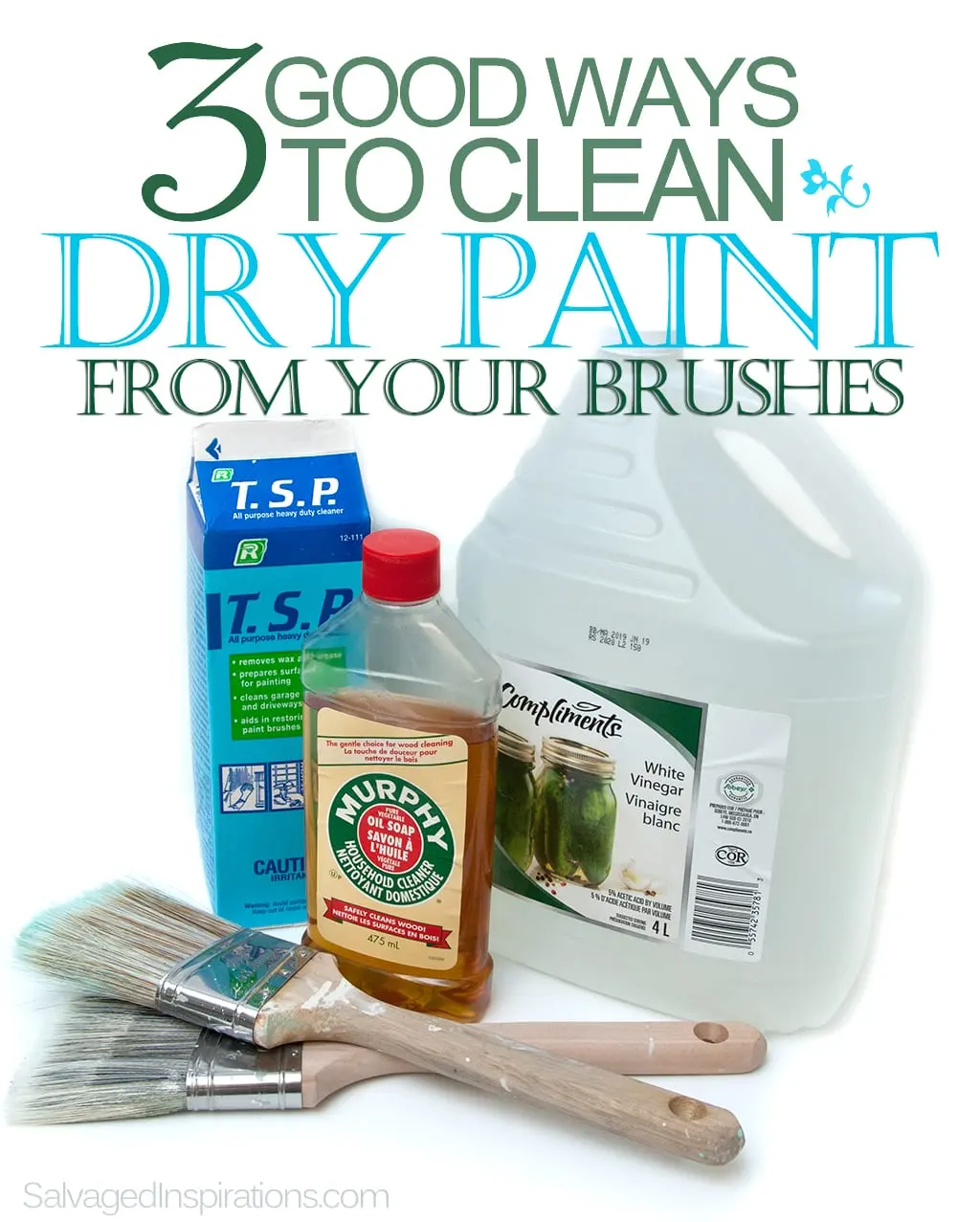
For dried acrylic, water alone is insufficient because the cured polymer is no longer water-soluble. You must use a solvent capable of breaking down the acrylic resin without damaging the brush's hair, whether natural or synthetic. Isopropyl alcohol, preferably 90% or higher, is the most effective household solvent for this task. It acts as a powerful degreaser that dissolves the plastic binder efficiently.
Alternatively, commercial brush restorers are formulated specifically for this purpose. These products often contain conditioners that help maintain the integrity of the bristles, which can become brittle after exposure to harsh chemicals. Avoid using acetone or heavy-duty paint thinners unless the brush is made of high-quality, solvent-resistant synthetic fiber. These chemicals can melt the glue inside the ferrule, causing the bristles to fall out completely. Always perform a patch test on a small section of the bristles before soaking the entire head.
Step-by-step guide to removing dried paint
Follow these steps to safely remove stubborn, dried acrylic paint from your brushes:
- Pour a small amount of 90% isopropyl alcohol or brush cleaner into a glass jar, ensuring enough liquid to cover the bristles but not the ferrule.
- Let the brush soak for 30 to 60 minutes. For heavily encrusted brushes, this may take up to several hours.
- Use a metal brush comb or a stiff-bristled toothbrush to gently work the softened paint out from the base toward the tips.
- Rinse the brush under warm running water, using a mild dish soap to remove any remaining solvent residue.
- Reshape the bristles with your fingers and lay the brush flat on a clean towel to air dry completely.
Do not force the bristles apart if they remain stiff after the first soak. Repeat the process rather than pulling on the hairs, as excessive physical force will permanently damage the brush shape.
Common mistakes when cleaning brushes
Many artists inadvertently ruin their brushes by rushing the cleaning process or using improper storage techniques. One of the most frequent errors is leaving the brush standing upright in a jar of solvent. This causes the weight of the brush to rest on the tips, permanently bending them and ruining the precision of the point. Always lay brushes flat or hang them with the bristles facing downward.
Another common mistake is failing to rinse the brush thoroughly after using a solvent. If residual alcohol or cleaner remains in the bristles, it can degrade the paint during your next session or transfer chemicals onto your canvas. Furthermore, never use boiling water, as high temperatures can melt the synthetic fibers or weaken the adhesives holding the brush together. Stick to lukewarm water and ensure the brush is fully dry before storing it in a container or a brush roll.
How to prevent paint from drying on brushes
Maintaining your brushes starts with good habits during the painting session. Keep a jar of water nearby and dip your brush frequently, even if you are not changing colors. This prevents the paint from setting on the bristles while you focus on other areas of your canvas. If you must take a break, wrap the brush head in a damp paper towel or plastic wrap to keep the paint moist for a few hours.
If you are working for an extended period, consider these additional maintenance tips:
- Clean your brushes every 15 to 20 minutes to prevent paint accumulation near the ferrule.
- Use "brush soap" or a mild conditioning soap after every session to keep the bristles soft.
- Never let a brush sit in water for more than a few minutes, as this can cause the wooden handle to swell and crack.
- Store brushes in a ventilated area, away from direct sunlight or extreme heat, which can accelerate the drying of any remaining paint residue.
Key facts
- Acrylic paint is water-soluble when wet but becomes a permanent plastic polymer once fully cured.
- Isopropyl alcohol (at least 70% concentration) is the most effective solvent for breaking down dried acrylic binders.
- Acetone or nail polish remover can dissolve acrylic, but these chemicals may melt synthetic brush bristles or damage wooden handles.
- Soaking brushes in warm, soapy water for more than 30 minutes can cause the wooden handle to swell and the metal ferrule to loosen.
- A metal brush comb or a stiff-bristled toothbrush helps gently work loosened paint out of the ferrule without pulling out the hair.
- Always reshape brush bristles with your fingers after cleaning and store them horizontally or hanging downward to maintain their form.
The bottom line
Cleaning dried acrylic paint requires patience and the right chemical approach. By using high-concentration isopropyl alcohol to break down the hardened polymer and gently combing out the residue, you can restore most brushes to their original state. Avoid harsh solvents that damage bristles and never soak brushes for long periods. Proper maintenance ensures your tools remain flexible, precise, and durable for many future art projects.
People also ask
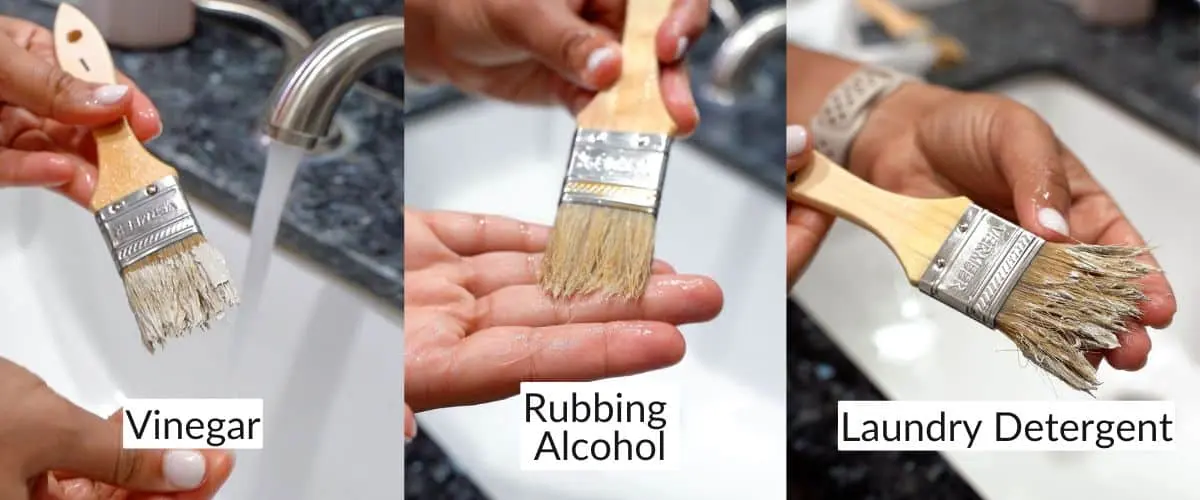
Can I use vinegar to clean dried acrylic paint?
White vinegar can soften slightly hardened paint, but it is generally too weak to remove fully cured acrylic. It is better reserved for regular maintenance rather than deep restoration of heavily dried brushes.
Is it safe to leave brushes soaking in water overnight?
No, soaking brushes for extended periods is detrimental. It causes the wood to expand and crack, and it often leads to rust forming on the metal ferrule, which eventually ruins the brush.
How do I know if the paint is truly gone?
Run the brush under clear water and gently press the bristles against a white paper towel. If the towel shows any color residue, the brush requires further cleaning or a deeper soak in alcohol.
Should I use hot water to clean brushes?
You should avoid hot water, as it can soften the glue holding the bristles inside the ferrule. Lukewarm or room-temperature water is the safest choice for preserving the structural integrity of the brush.
Can I use paint thinner to clean acrylic brushes?
Traditional oil-based paint thinners and mineral spirits are ineffective against acrylics. These chemicals are designed for oil paints and will not dissolve the acrylic polymer, potentially leaving a sticky, ruined mess.
Does hair conditioner help restore stiff brushes?
Yes, applying a small amount of hair conditioner after cleaning can help soften synthetic bristles. Rinse it out thoroughly before storing the brush to ensure no residue remains to interfere with future painting.
This answer was created with the help of AI research tools and reference sources. Spotted an error? Let us know — we correct mistakes quickly. See our editorial policy.