How do you clean oil paint brushes?
Short answer
Cleaning oil paint brushes requires removing excess pigment with a rag, followed by thorough rinsing in a solvent like odorless mineral spirits or refined linseed oil. After the pigment is dissolved, wash the bristles with mild soap and warm water, reshape the brush head, and dry it flat to maintain integrity.
On this page
How to clean oil paint brushes properly
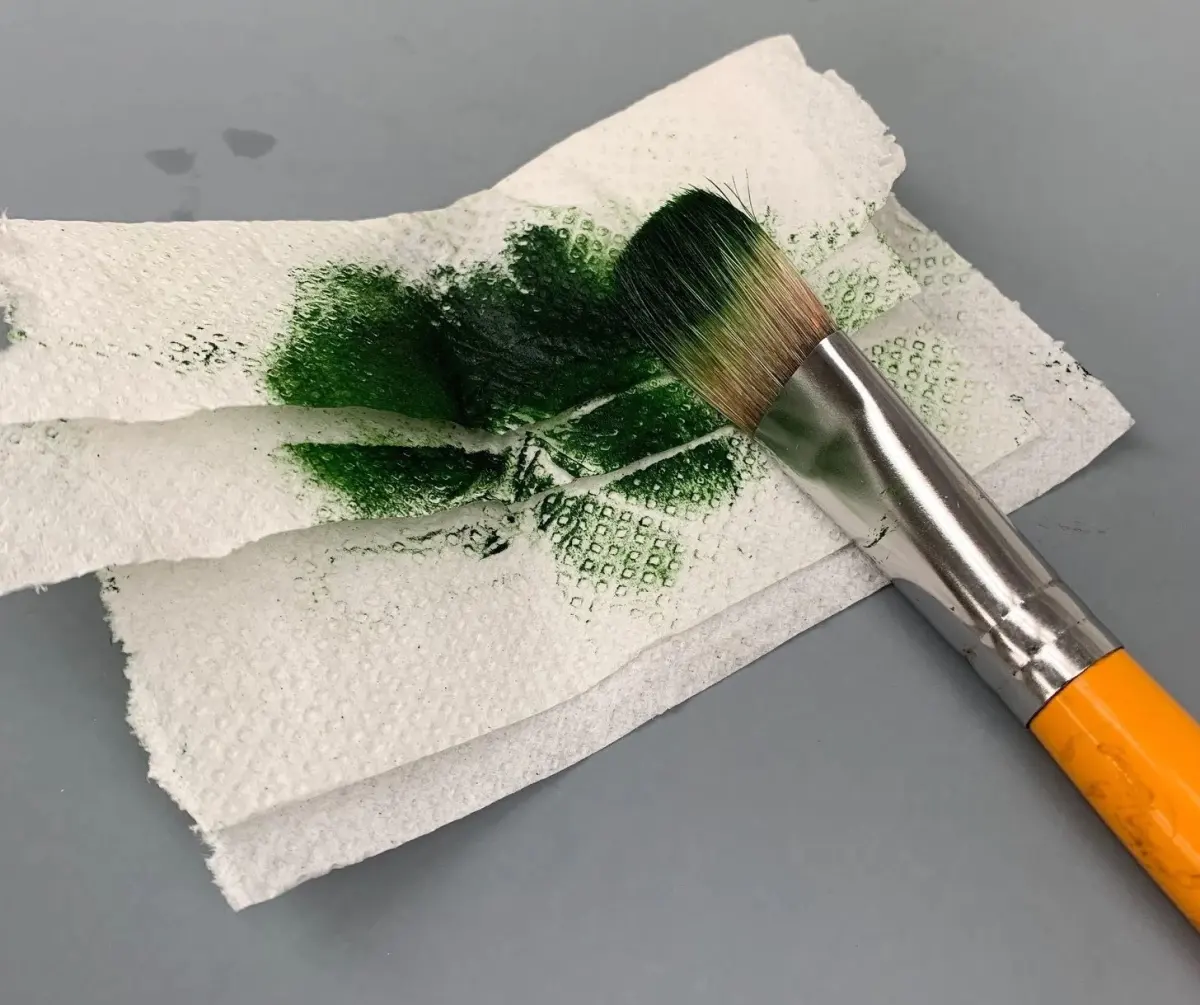
The most effective way to clean oil brushes is to address them immediately after a painting session. Leaving paint to dry on the bristles causes them to stiffen and lose their shape, which can permanently damage the delicate hair or synthetic filaments. Begin by wiping as much excess paint as possible onto a paper towel or a lint-free rag. Work from the ferrule—the metal band holding the bristles—toward the tip to ensure you do not push paint deeper into the base of the brush.
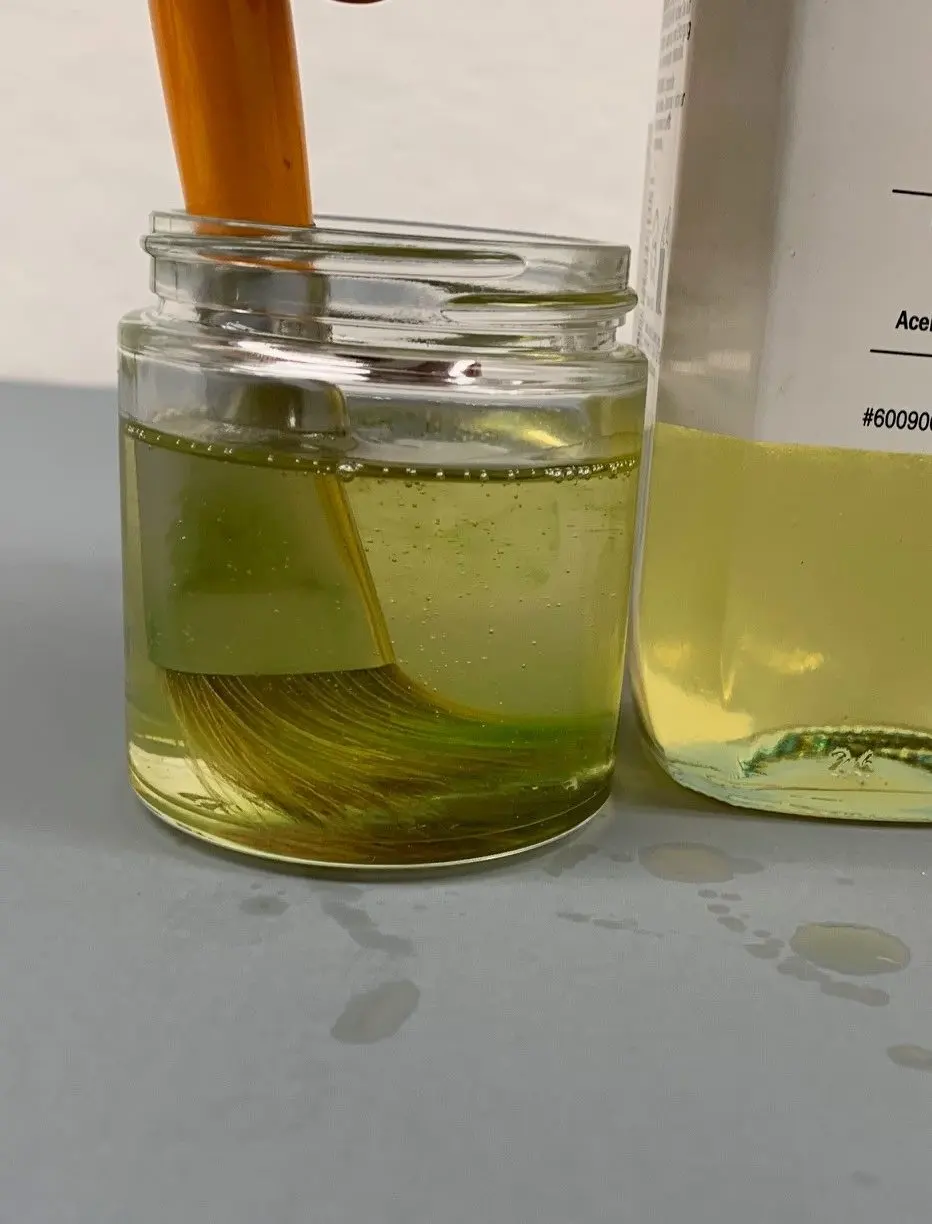
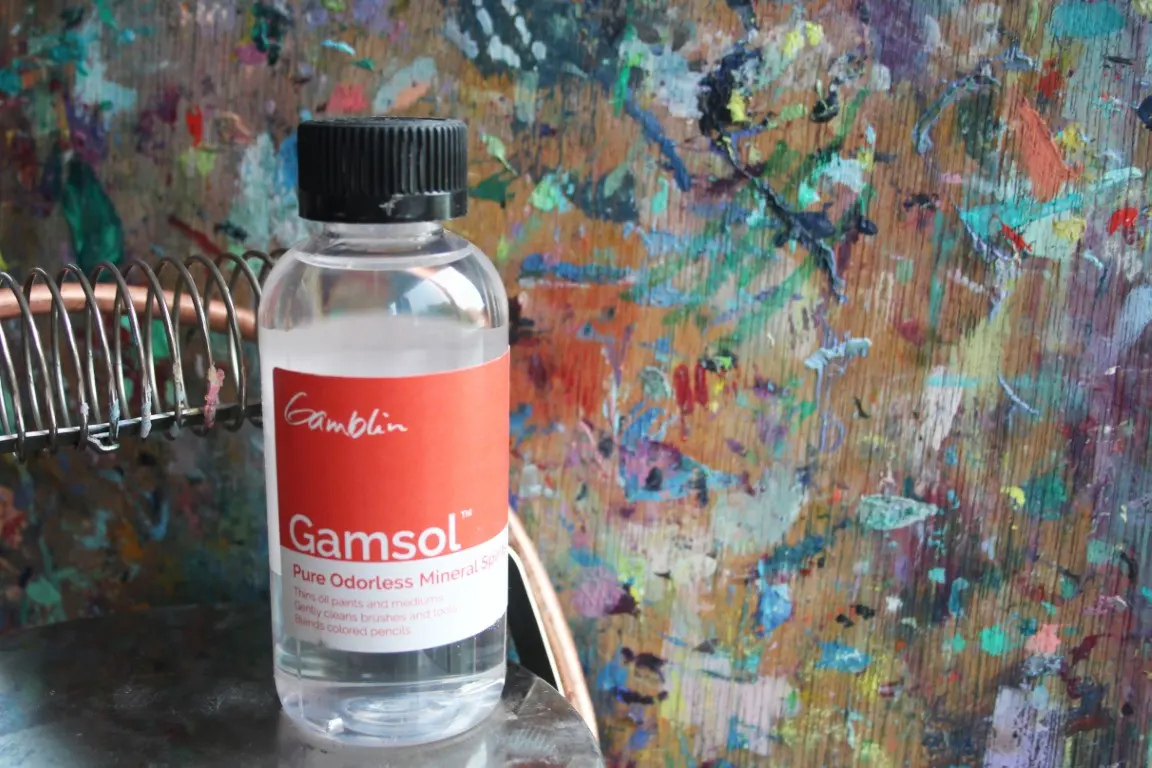
Once the bulk of the pigment is removed, use a cleaning agent to break down the remaining oil. Odorless mineral spirits are the industry standard for this process because they effectively dissolve oil-based binders without damaging the brush structure. Follow these specific steps to ensure a deep clean:
- Swish the brush in a jar of solvent, tapping the bristles gently against the bottom to release trapped pigment.
- Wipe the brush on a clean rag and repeat the solvent rinse until the liquid remains clear.
- Wash the bristles with a mild soap, such as brush soap or dish detergent, under lukewarm running water.
- Rinse until the water runs clear and no trace of color remains.
Best solvents for oil paint brushes
Choosing the right solvent is critical for both the longevity of your brushes and your personal health. Odorless mineral spirits (OMS) are widely preferred because they offer the cleaning power of traditional turpentine without the harsh, toxic fumes. While turpentine is a traditional cleaner, it is highly flammable and possesses a strong odor that requires significant ventilation. Many artists now opt for refined linseed oil or specialized brush cleaners for a safer, non-toxic approach that also conditions the hair.
When selecting a cleaner, consider the material of your brush. Natural hair brushes, such as those made from sable or hog bristle, are porous and can become brittle if stripped of all natural oils by harsh chemicals. Synthetic brushes are more resilient but can still be damaged by aggressive solvents that melt the adhesive inside the ferrule. Always check the label of your cleaning agent to ensure it is compatible with your specific brush type. If you are working in a small space, prioritize low-VOC (volatile organic compound) options to minimize respiratory irritation.
How to dry and store brushes
Proper drying is just as important as the cleaning process itself. After washing your brushes, gently squeeze out excess water with a clean towel. Never leave brushes standing upright in a jar while wet, as water can seep into the ferrule, causing the wood handle to swell or the adhesive to loosen. This moisture buildup often leads to the metal ferrule rusting or the handle paint peeling, which significantly shortens the lifespan of your tools.
Instead, reshape the bristles with your fingers to their original form. Lay the brushes flat on a clean surface or hang them with the bristles pointing downward to ensure they dry evenly. If you have a brush roll or a dedicated case, wait until the brushes are completely dry before storing them. Keeping your brushes in a cool, dry place away from direct sunlight prevents the bristles from warping or becoming misshapen. Proper storage ensures that your brushes remain responsive and precise for your next painting session.
Common mistakes when cleaning brushes
One of the most frequent errors artists make is pushing paint into the ferrule during the wiping process. When paint accumulates in this area, it creates a "heel" that forces the bristles to flare outward, making it impossible to achieve a sharp edge or fine point. Another common mistake is using hot water, which can melt the glue securing the bristles inside the ferrule. Always stick to lukewarm or cool water to maintain the structural integrity of the brush head.
Avoid these additional pitfalls to keep your equipment in top condition:
- Using a brush to stir paint, which forces pigment into the base of the bristles.
- Leaving brushes soaking in solvent for extended periods, which can damage the handle finish.
- Failing to rinse soap out completely, as residual soap can leave a film that interferes with paint application.
- Using abrasive scrubbing motions that break or fray the delicate tips of natural hair brushes.
How long do oil paint brushes last
With proper maintenance, high-quality oil paint brushes can last for years, even with daily use. The longevity of a brush depends largely on the quality of the materials and how consistently you clean them. Hog bristle brushes are known for their durability and "snap," making them excellent for heavy impasto work, while soft sable brushes require more delicate handling. If you notice the bristles becoming frayed, shedding excessively, or losing their spring, it is usually a sign that the brush has reached the end of its functional life.
To extend the lifespan of your collection, rotate your brushes so that no single tool is overworked. Investing in a professional-grade brush soap can also help condition the bristles, keeping them supple and preventing them from becoming brittle over time. If you find that your brushes are frequently losing hair or losing their shape despite your best efforts, consider upgrading to higher-quality brands that use stronger ferrules and more secure crimping techniques. Consistent care remains the single most important factor in preserving your artistic tools for the long term.
Key facts
- Oil paint never dries by evaporation, so brushes must be cleaned with a solvent or oil rather than just soap and water.
- Use a dedicated brush basin to rinse bristles in mineral spirits or odorless paint thinner to remove the bulk of the pigment.
- Gently massage the bristles with a mild soap or a specialized brush cleaner to remove residual oil deep within the ferrule.
- Never rest a brush on its bristles in a container, as this will permanently deform the shape and ruin the tool.
- Always reshape the bristles with your fingers after cleaning and lay the brush flat or hang it bristles-down to dry.
- Avoid using hot water, which can melt the glue holding the bristles in the metal ferrule and cause the brush to shed.
The bottom line
Cleaning oil brushes effectively requires a two-step process: removing the bulk of the pigment with a solvent followed by a thorough cleansing with soap and water. By avoiding hot water and ensuring the bristles are properly reshaped after each use, you protect the integrity of the hair and the ferrule. Consistent maintenance ensures your brushes remain responsive, preventing the hardening that eventually ruins expensive artist-grade tools.
People also ask
Can I use dish soap to clean my oil brushes?
Yes, mild dish soap is an excellent way to remove the final traces of oil after an initial solvent rinse. Ensure you rinse thoroughly until the water runs clear and no suds remain.
What is the purpose of using linseed oil to clean brushes?
If you are taking a short break or want to condition the bristles, dipping them in linseed oil keeps them supple. It prevents the paint from hardening on the brush during storage.
How do I know if my brush is truly clean?
Gently wipe the bristles on a clean white paper towel after washing. If the towel shows any pigment, continue cleaning until the brush leaves no color behind.
Should I use turpentine or mineral spirits?
Mineral spirits are generally preferred today because they are less toxic and evaporate more slowly than traditional turpentine. Always work in a well-ventilated area regardless of the solvent used.
How do I remove dried oil paint from a brush?
Soak the bristles in a strong brush restorer or a mixture of acetone for a few hours. Afterward, gently comb out the loosened paint and wash the brush with soap and warm water.
Why do my brushes lose their shape over time?
This usually happens if paint is left to dry near the ferrule or if the brush is stored resting on its bristles. Proper cleaning and careful shaping after every session are essential for longevity.
This answer was created with the help of AI research tools and reference sources. Spotted an error? Let us know — we correct mistakes quickly. See our editorial policy.