What are the best paint brushes for beginners?
Short answer
Beginners should start with a small set of synthetic brushes, specifically a mix of round, flat, and filbert shapes. Synthetic bristles are versatile, durable, and easier to clean than natural hair. Investing in a few quality brushes rather than a large, cheap variety pack ensures better paint application and longevity for your projects.
On this page
Best paint brushes for beginners
When starting your artistic journey, you do not need an overwhelming collection of tools. A set of four to six synthetic brushes will cover most basic techniques for acrylics, watercolors, and oils. Synthetic bristles, typically made from nylon or polyester, are preferred for beginners because they maintain their shape well and are resistant to the harsh chemicals found in some solvents. Unlike natural hair brushes, which can be expensive and delicate, synthetic versions offer a consistent experience across different paint mediums.
To build a functional starter kit, focus on these essential shapes:
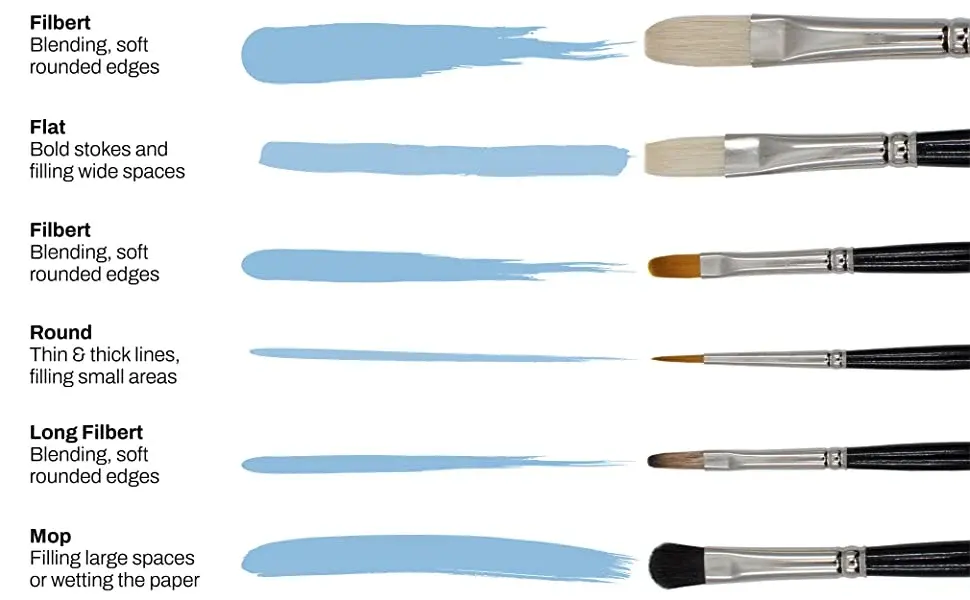
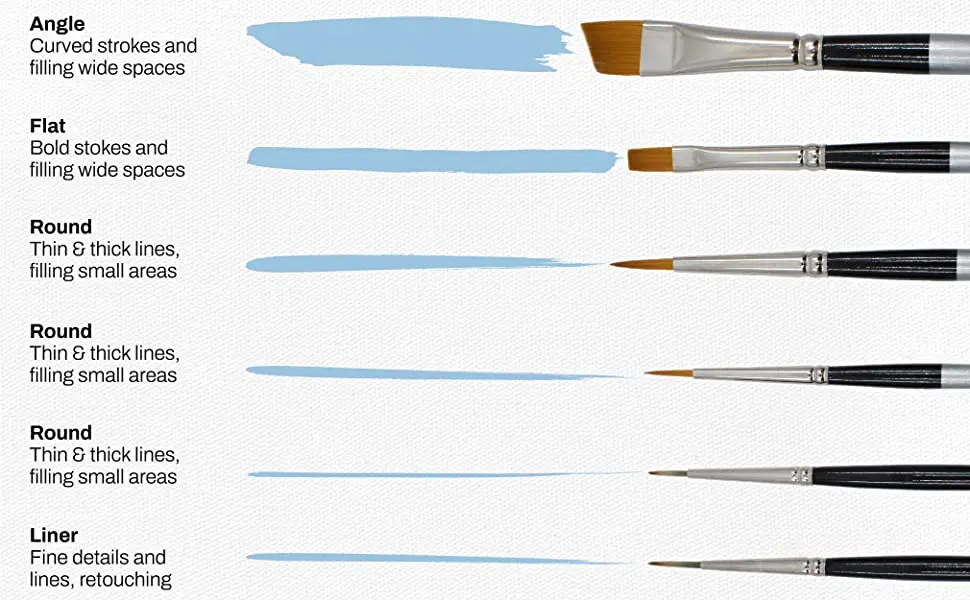
- Round: Ideal for detail work, sketching, and thin lines.
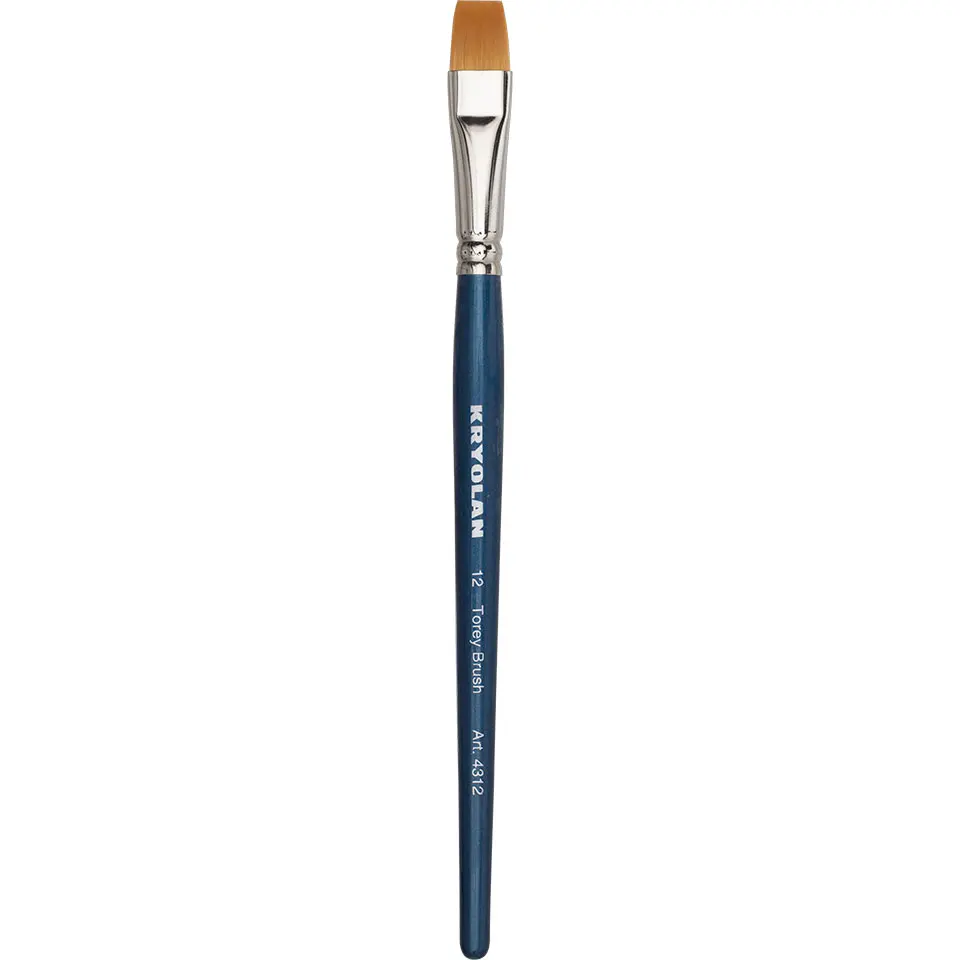
- Flat: Best for covering large areas and creating bold, broad strokes.
- Filbert: A hybrid shape with a rounded tip, perfect for blending and soft edges.
- Bright: A short-bristled, flat brush used for controlled, thick applications.
How to choose the right brush material
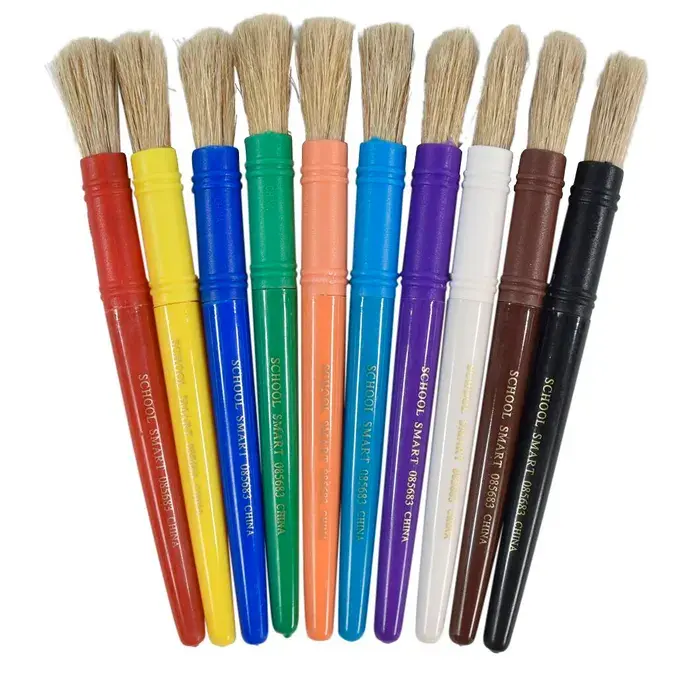
The material of the brush head significantly impacts how the paint flows onto the canvas. Synthetic brushes are the industry standard for acrylic painters because they do not absorb excess water and remain firm even when wet. For oil painting, some beginners prefer hog bristle brushes because their stiff, coarse texture moves thick paint effectively. However, for a versatile beginner who wants to experiment with multiple mediums, high-quality synthetic blends are the most cost-effective and practical choice.
When shopping, test the "snap" of the bristles by gently pressing them against your palm. A good brush should spring back to its original shape immediately without splaying outward. Avoid brushes that feel flimsy or have loose hairs falling out of the ferrule, which is the metal band connecting the bristles to the handle. Quality brushes will have a secure ferrule and a balanced handle that feels comfortable in your hand during extended painting sessions.
How to clean and maintain paint brushes
Proper maintenance is the secret to making your brushes last for years. Never leave a brush resting on its bristles in a jar of water, as this will cause the tips to bend permanently and ruin the brush's precision. After each session, rinse the brush thoroughly in lukewarm water, using a mild soap or a dedicated brush cleaner to remove all pigment from the base of the bristles. Gently reshape the bristles with your fingers and lay the brush flat to dry.
Follow these steps to ensure a deep clean:
- Rinse the brush under cool or lukewarm water until the water runs clear.
- Lather the bristles with a gentle soap, working the suds from the ferrule toward the tip.
- Rinse again thoroughly, ensuring no soap residue remains near the ferrule.
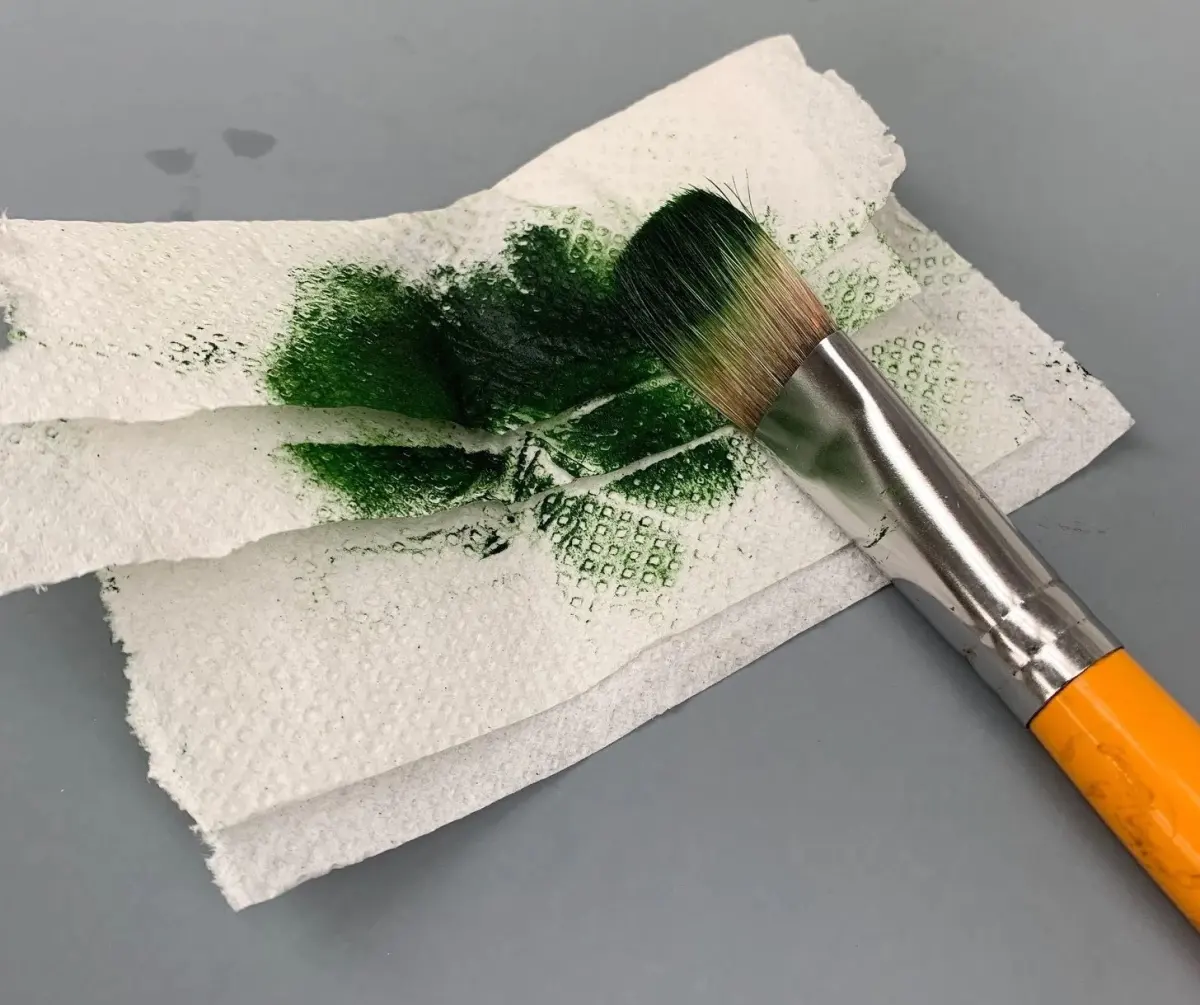
- Gently squeeze out excess water with a paper towel and reshape the head.
- Store the brushes horizontally or with the bristle tips pointing upward.
Common mistakes when using paint brushes
One of the most frequent errors beginners make is overloading the brush with paint. When the paint reaches the ferrule, it can seep inside, causing the bristles to splay and the handle to crack over time. Always aim to keep the paint on the outer two-thirds of the bristles. Additionally, many novices use the same brush for both mixing colors and applying paint, which can lead to muddy hues and inconsistent textures on the canvas.
Another common mistake is neglecting to clean brushes immediately after use. If acrylic paint dries on the bristles, it becomes nearly impossible to remove without damaging the brush. If you are working on a long project, keep your brushes damp or rinse them every few minutes to prevent drying. Avoid using boiling water, as high temperatures can melt the glue inside the ferrule and cause the bristles to fall out, rendering the tool useless for fine detail work.
How to identify high-quality brushes
Price is often a reliable indicator of quality, but you do not need to buy the most expensive professional-grade tools to succeed. Look for brushes that feature seamless ferrules, which prevent water and paint from getting trapped inside. The handle should be made of finished wood or high-quality plastic that is balanced, meaning it does not feel too heavy at the top or bottom. A well-balanced brush allows for better control and reduces hand fatigue during long painting sessions.
When examining a brush, check the craftsmanship of the bristles themselves. High-quality synthetic brushes have tapered tips that allow for precise application, whereas cheaper alternatives often have blunt, uneven ends. If you are unsure, purchase one or two individual brushes from a reputable art supply store rather than a large, low-cost set. By building your collection slowly, you can learn which shapes and sizes suit your personal style while ensuring that every tool in your kit is reliable and effective for your creative needs.
Key facts
- Synthetic brushes made of nylon or polyester are best for water-based paints like acrylics and latex.
- Natural bristle brushes, typically made from hog hair, are ideal for oil-based paints and varnishes.
- A "filbert" brush has a rounded, oval-shaped tip that is excellent for blending and soft edges.
- Beginners should start with a basic set containing a flat, a round, and a filbert brush in small, medium, and large sizes.
- Always clean brushes immediately after use; acrylic paint becomes permanent once dry and can ruin bristles.
- Store brushes with the bristles facing upward or hanging down to prevent the tips from bending or fraying.
The bottom line
For beginners, the most effective approach is to invest in a small, versatile collection of synthetic brushes. Focus on acquiring a mix of flat, round, and filbert shapes in various sizes to handle different techniques. By prioritizing quality over quantity and maintaining your tools through proper cleaning and storage, you will ensure a smoother painting experience and achieve much better results in your creative projects.
People also ask
How can I tell if a brush is high quality?
Check for "snap" by bending the bristles; they should spring back to their original shape immediately. Also, inspect the ferrule—the metal band holding the bristles—to ensure it is firmly attached and does not wobble.
Should I buy expensive brushes as a beginner?
It is better to buy a few mid-range brushes rather than a large set of very cheap ones. Low-quality brushes shed hair into your paint, which is frustrating and difficult to fix.
What is the difference between a flat and a round brush?
A flat brush has a square end and is designed for broad strokes and filling in large areas. A round brush comes to a point and is used for detail work, lines, and controlled painting.
How do I know which size brush to choose?
Brush sizes are usually numbered; lower numbers like 1 or 2 are for fine details, while higher numbers like 8 or 10 cover more surface area. Start with a range of sizes to see which feels most comfortable for your hand.
Can I use the same brush for both oil and acrylic paint?
It is best to keep your brushes separate. Oil-based solvents used for cleaning can damage synthetic bristles designed for acrylics, and leftover oil residue can ruin future water-based projects.
Why are my brush bristles splayed out?
This usually happens if you leave the brush standing in water or paint for too long. Always lay your brushes flat or hang them to dry to maintain their shape and longevity.
This answer was created with the help of AI research tools and reference sources. Spotted an error? Let us know — we correct mistakes quickly. See our editorial policy.