What is a fan brush used for?
Short answer
A fan brush is a specialized painting tool featuring bristles arranged in a wide, flat, semicircular shape. Artists primarily use it for blending colors, creating soft transitions, and applying unique textures. It is essential for rendering natural elements like foliage, clouds, and water, as well as smoothing out harsh brushstrokes in oil painting.
On this page
What is a fan brush used for in painting?
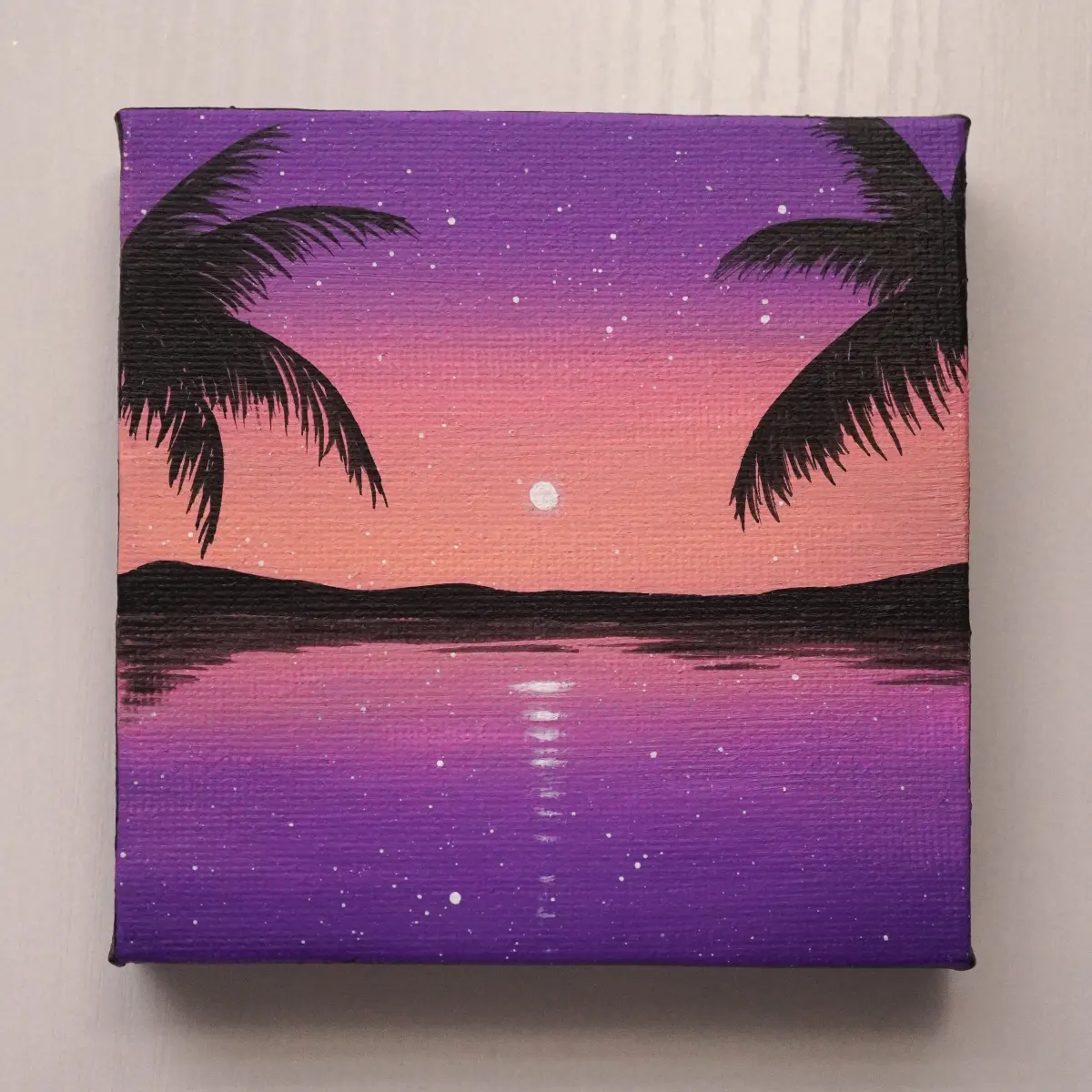
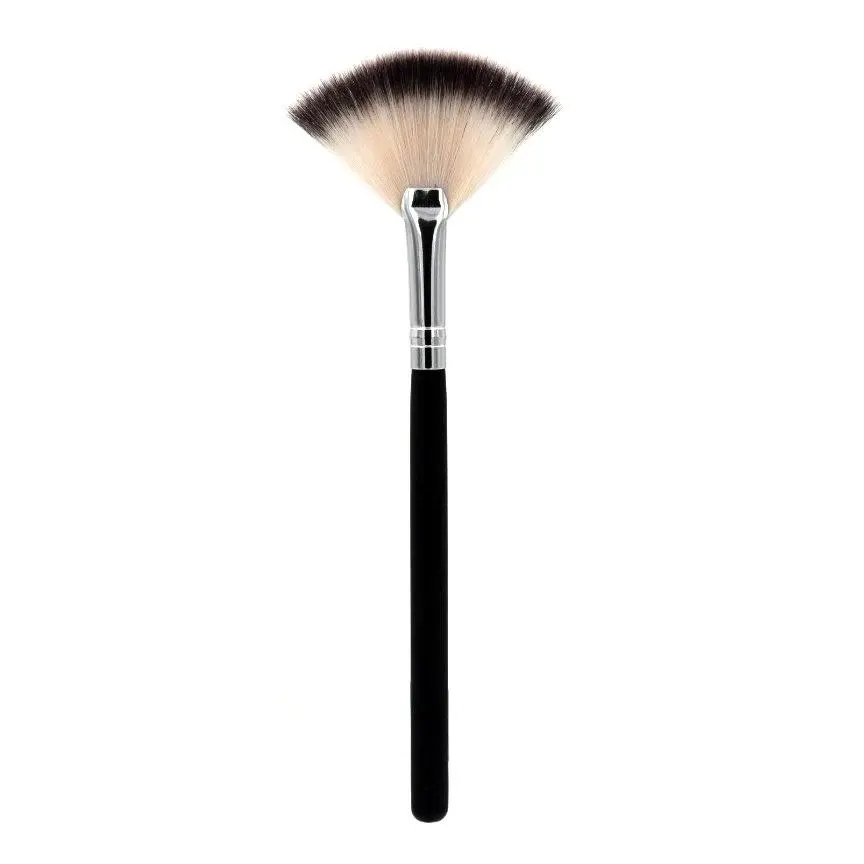
The fan brush is defined by its distinctive spread-out bristles, which allow for a light, airy touch that standard round or flat brushes cannot replicate. In oil and acrylic painting, it serves as a versatile instrument for softening edges and creating atmospheric effects. By gently dragging the tips of the bristles across a wet surface, an artist can blend two colors together without muddying the pigment. This technique is particularly effective for creating smooth gradients in skies or subtle shadows on skin tones.
Beyond blending, the fan brush is the premier tool for adding intricate, repetitive textures to a canvas. Because the bristles are physically separated, they act like a comb, allowing paint to be applied in distinct, parallel lines. This makes it an ideal choice for rendering complex subjects that would be tedious to paint one stroke at a time. Whether you are working on a landscape or a portrait, the fan brush provides a level of precision and efficiency that helps maintain a painterly, organic quality in the final composition.
How to use a fan brush for landscapes
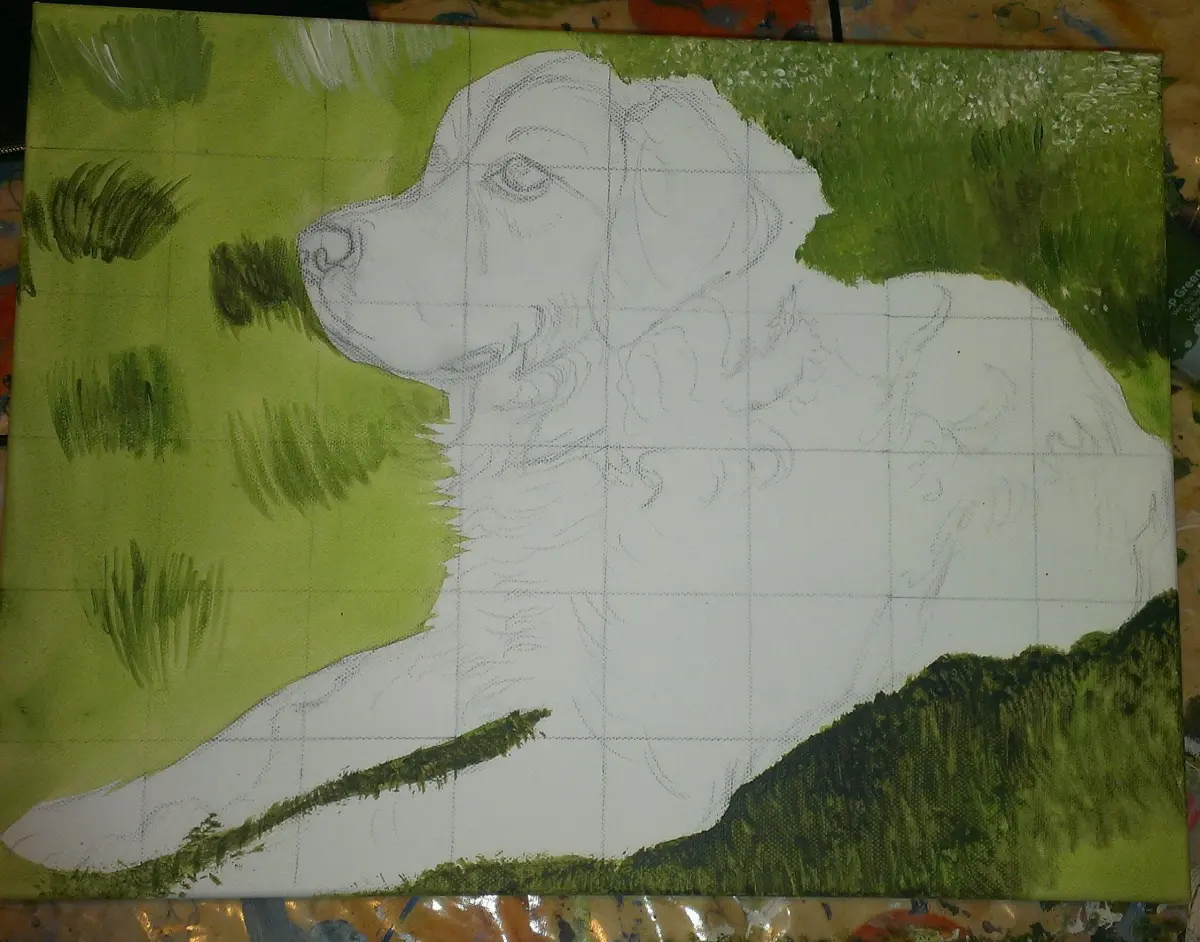
Landscapes are the most common application for fan brushes because the tool mimics the irregular patterns found in nature. To paint trees or bushes, artists often load only the tips of the bristles with paint and tap the canvas lightly. This technique prevents the brush from becoming overloaded, which would cause the bristles to clump together and destroy the desired texture. By varying the pressure and the angle of the brush, you can create the appearance of dense pine needles or light, fluttering leaves.
Follow these steps to paint realistic foliage:
- Load your fan brush with a thick, opaque paint, ensuring the bristles remain separated.
- Hold the brush perpendicular to the canvas and lightly dab the surface to create a base layer of shadow.
- Clean the brush or use a secondary fan brush to apply lighter highlights on the upper edges of the foliage clusters.
- Use a flicking motion to add individual branches or blades of grass, keeping your hand loose to ensure natural variation.
Best fan brush techniques for blending
Blending is arguably the most technical use of a fan brush, requiring a delicate touch to avoid lifting the paint off the canvas. When you want to transition between two colors, place the fan brush flat against the surface and move it in a light, sweeping motion. The key is to use the very tips of the bristles, often referred to as the "flag" of the brush. If you press too hard, the bristles will splay excessively, creating a messy stroke rather than a smooth, professional-looking gradient.
This technique is highly effective for:
- Softening the edges of clouds to make them appear wispy and distant.
- Creating a smooth transition in water reflections where the light meets the dark.
- Removing visible brush marks from a background to create a uniform, flat color field.
- Blending skin tones in portraiture to achieve a realistic, soft-focus effect.
Common mistakes when using a fan brush
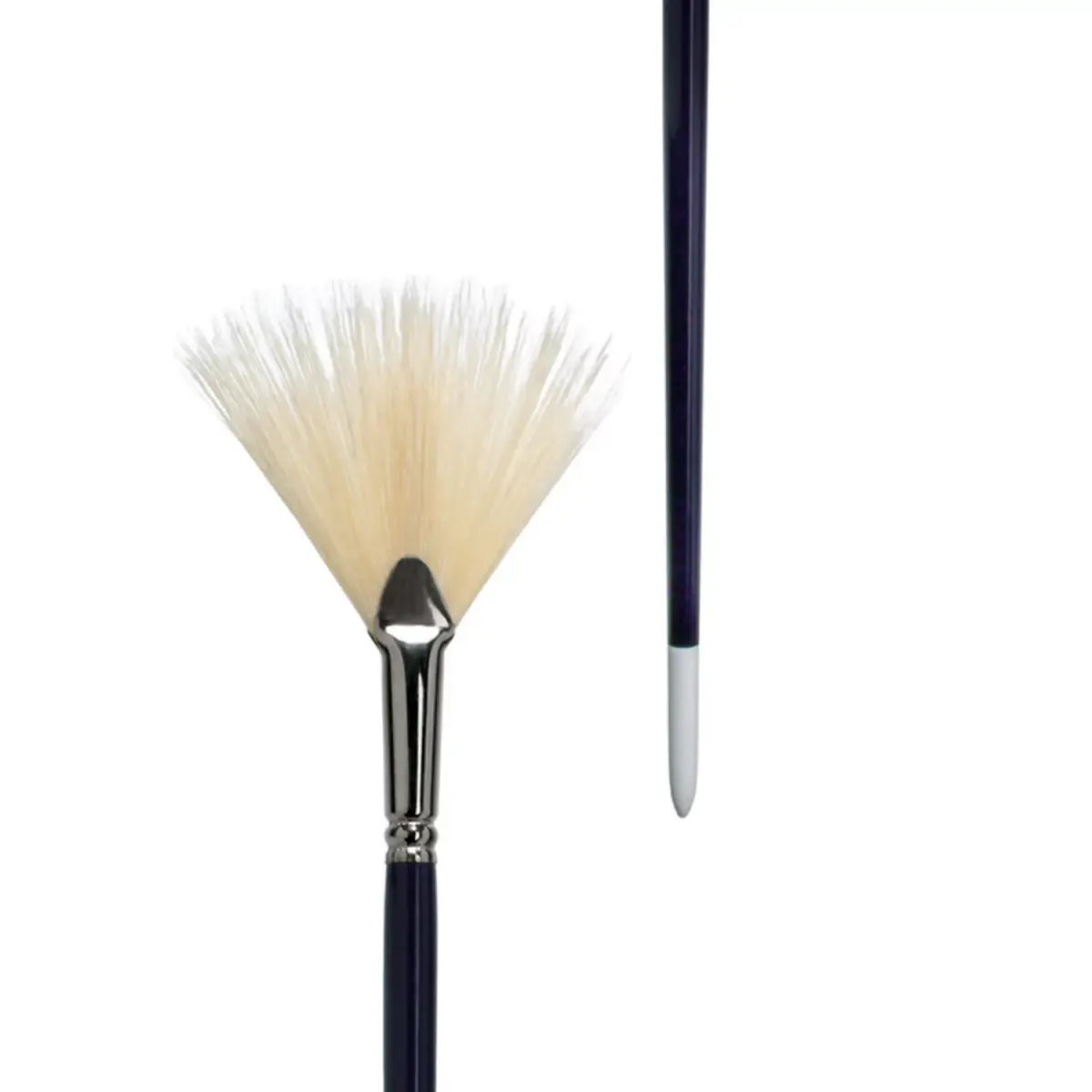
One of the most frequent errors beginners make is overloading the brush with too much paint. When the bristles are saturated, they stick together and lose the "fan" shape, effectively turning the tool into a standard flat brush. This results in heavy, clumpy marks that lack the delicate, feathery texture the brush is designed to produce. Always wipe excess paint onto a palette or paper towel before touching the canvas to maintain the integrity of the bristles.
Another common mistake is applying too much pressure during the blending process. When you push the bristles into the canvas, you are likely to scrape away the paint you have already applied rather than moving it around. This can create unwanted streaks or expose the primer underneath the paint. Always remember that the fan brush is intended for light, surface-level work. If you find yourself needing to scrub or push hard to move your paint, your medium is likely too dry or your brush is not the right tool for that specific task.
How to clean and maintain fan brushes
Proper maintenance is essential because the fan brush is particularly prone to losing its shape if not cleaned correctly. Because the bristles are spread out, paint can easily dry deep within the ferrule, which causes the hairs to splay permanently and lose their spring. After every painting session, rinse the brush thoroughly in a suitable solvent or soap, depending on whether you are using oils or acrylics. Use your fingers to gently reshape the bristles into their original fan form while the brush is still damp.
To ensure your brushes last for years, follow these care guidelines:
- Never leave a fan brush resting on its bristles in a jar of solvent, as this will permanently bend the shape.
- Store your brushes hanging upside down or lying flat in a tray to maintain the alignment of the hairs.
- If the bristles become frayed, you can occasionally use a small amount of hair conditioner to soften them before rinsing.
- Avoid using harsh, abrasive cleaners that can strip the natural oils from hog hair bristles, which leads to breakage and shedding over time.
Key facts
- A fan brush features bristles arranged in a flat, semi-circular shape, resembling an open handheld fan.
- It is primarily used in oil and acrylic painting to blend colors softly or to create smooth gradients.
- Artists frequently use the brush to paint natural textures like evergreen needles, blades of grass, or wispy clouds.
- The brush is ideal for "dry brushing," a technique where minimal paint is applied to create a scratchy, textured effect.
- To maintain the brush, artists must avoid pressing too hard, as this can permanently splay the delicate bristles.
- Cleaning requires gentle rinsing with soap and water, followed by reshaping the bristles while damp to preserve the fan form.
The bottom line
The fan brush is a versatile tool essential for artists seeking to achieve soft blending, natural textures, and delicate highlights. By mastering dry-brushing techniques and maintaining the bristles' shape, you can easily create realistic foliage, clouds, and smooth gradients. Whether you are working with oils, acrylics, or even makeup, this brush provides a unique way to apply pigment with precision and a gentle, diffused touch.
People also ask
Can a fan brush be used for watercolor painting?
While possible, fan brushes are less common in watercolor because the bristles often lack the necessary water-holding capacity. They are best used for adding specific dry-brush textures over a dried layer of paint.
Why do my fan brush bristles keep clumping together?
Clumping usually occurs when too much paint is loaded onto the brush or if the brush is not cleaned thoroughly after use. Always use a light touch and ensure the bristles are fully dry before storage.
Is a fan brush good for portrait painting?
It is excellent for softening harsh edges on skin tones or creating subtle transitions in shadows. Many portrait artists use it to lightly feather out highlights on the cheeks or forehead.
Should I use a synthetic or natural hair fan brush?
Synthetic brushes are more durable and work well with acrylics, while natural hair brushes offer more softness for oil blending. Choose based on your medium and the desired level of firmness.
How do I create a tree effect with a fan brush?
Load the tips of the bristles with paint and use a tapping motion rather than a stroking motion. This creates the individual, jagged shapes characteristic of pine tree branches.
Can a fan brush be used for makeup application?
Yes, it is frequently used to apply powder highlighter or to gently sweep away excess eyeshadow fallout from under the eyes. Its light touch prevents heavy or uneven product application.
This answer was created with the help of AI research tools and reference sources. Spotted an error? Let us know — we correct mistakes quickly. See our editorial policy.