What is dry brush painting?
Short answer
Dry brush painting is a technique where a brush loaded with very little paint is dragged across a textured surface. By using minimal moisture and stiff bristles, the artist captures the underlying texture of the paper or canvas. This creates broken, scratchy strokes that suggest fine details, weathered surfaces, or soft highlights.
On this page
What is dry brush painting?
Dry brush is a versatile painting method defined by the application of paint that has not been thinned with water or medium. Unlike traditional techniques that rely on fluid glazes or smooth washes, this approach uses a "dry" brush—meaning it contains only a small amount of pigment—to create high-contrast, textured marks. Because the bristles are not saturated, they skip over the peaks of the painting surface, leaving the valleys untouched.
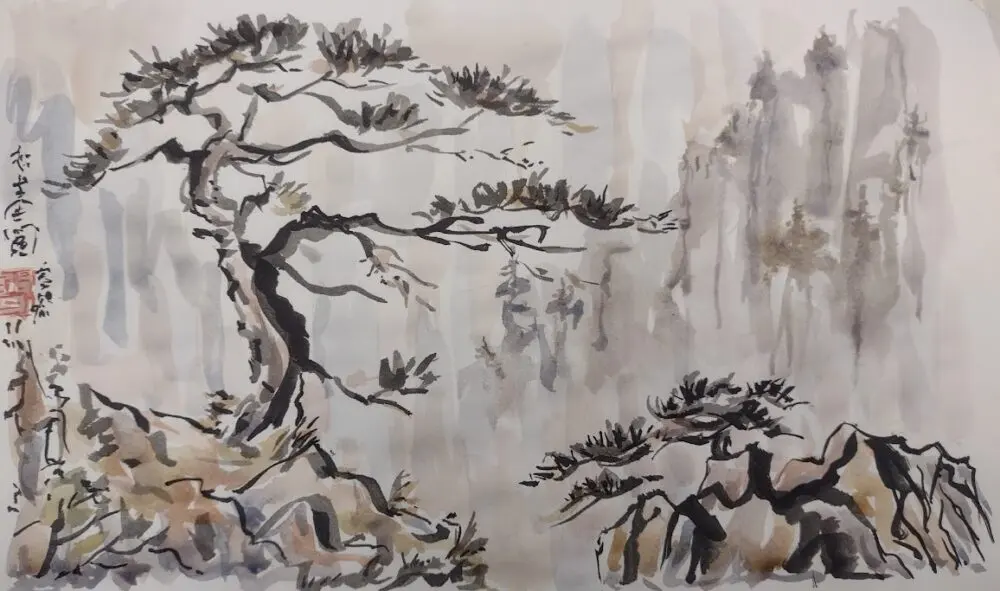
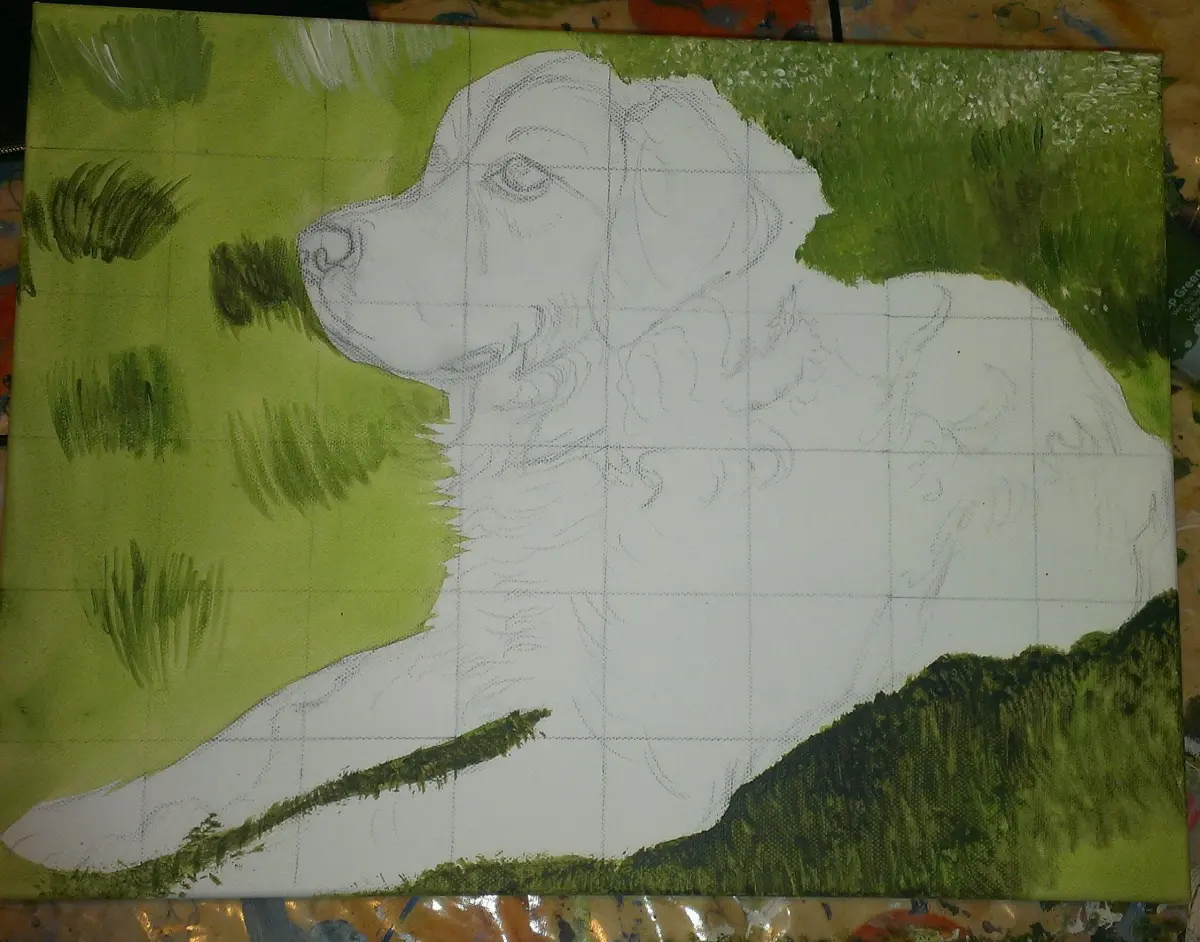
This technique is frequently associated with watercolor, where it allows for the creation of crisp edges and sharp details that contrast with softer, wetter areas. However, it is also highly effective in oil and acrylic painting for rendering textures like fur, rust, or shimmering light. By controlling the pressure of the brush, an artist can dictate how much pigment is deposited, allowing for subtle gradations or bold, energetic marks that define the character of a subject.
How to use dry brush painting techniques
Mastering the dry brush requires a specific sequence of preparation and physical control. The goal is to load the brush just enough to catch the surface texture without creating a solid, opaque block of color.
- Select a brush with stiff, natural, or synthetic bristles that can hold their shape under pressure.
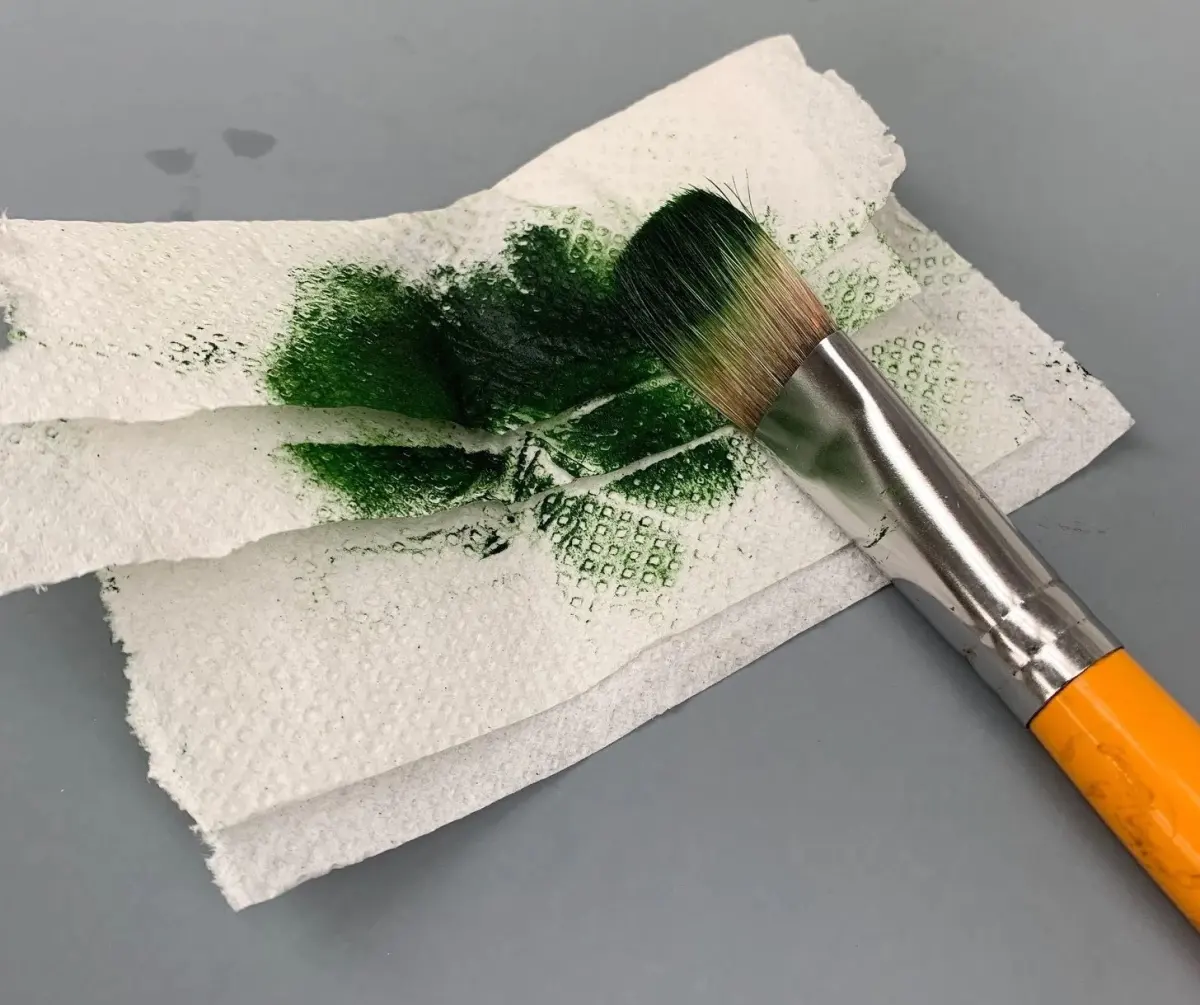
- Dip the tip of the brush into thick paint, then wipe the excess off on a paper towel until the brush feels nearly empty.
- Hold the brush at a low angle to the surface to maximize the contact area of the bristles.
- Drag the brush quickly and lightly across the paper, allowing the texture to break up the stroke.
- Build up layers gradually, as adding too much pigment at once will ruin the delicate, scratchy effect.
Best tools for dry brush painting
The success of the dry brush technique is heavily dependent on the physical properties of the materials used. Soft, floppy brushes are generally ineffective because they lack the structural integrity to "skip" across the surface. Instead, artists look for tools that offer resistance and precision.
- Hog hair or stiff synthetic brushes are ideal for oils and acrylics, as they provide the necessary snap.
- Rough-textured watercolor paper, such as cold-press or rough-grain surfaces, provides the best "tooth" for the paint to catch on.
- High-viscosity paints, such as heavy body acrylics or tube oils, work best because they do not spread or bleed when applied to the surface.
- Palette knives can sometimes be used to simulate dry brush effects by dragging thick paint across a canvas, though this lacks the nuance of a bristle brush.
Common mistakes when dry brush painting
One of the most frequent errors beginners make is using too much paint or moisture. If the brush is too wet, the paint will settle into the texture of the paper rather than sitting on top of it, resulting in a muddy wash rather than a crisp, textured mark. It is always better to start with an almost empty brush and add more pigment slowly than to try and correct an over-saturated stroke.
Another common mistake is using the wrong surface. If you attempt to use dry brush on a smooth, hot-pressed paper or a slick, non-porous surface, the paint will slide rather than skip. The technique relies entirely on the physical interaction between the bristles and the paper's grain. If the surface is too smooth, the brush will leave solid lines instead of the characteristic broken, airy marks that give the technique its distinctive aesthetic appeal and visual interest.
Why use dry brush painting in art
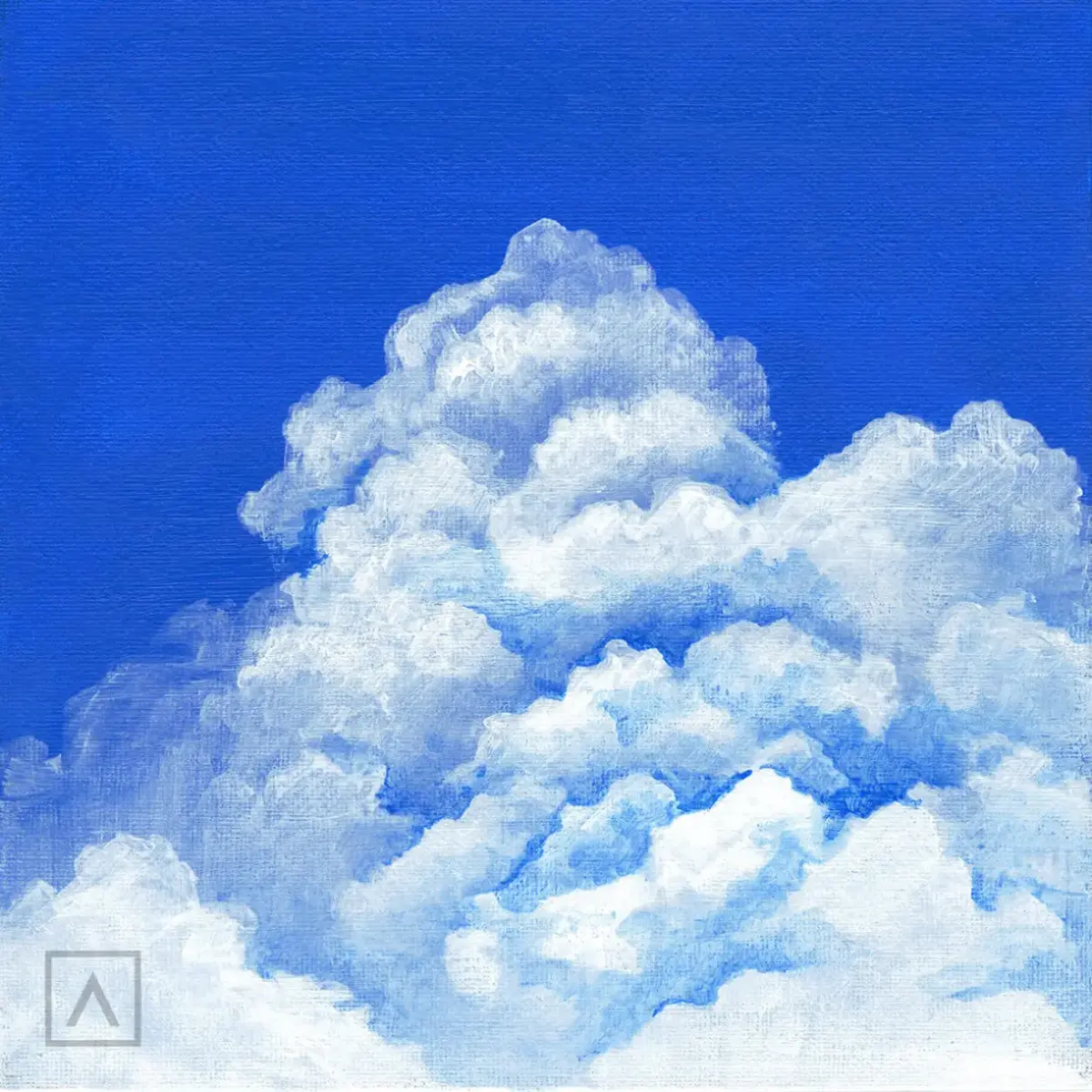
Artists utilize the dry brush technique to solve specific visual problems that fluid painting methods cannot address. It is an essential tool for creating the illusion of light hitting a textured object, such as the glint of sun on water or the rough bark of a tree. By leaving the underlying paper color visible through the broken strokes, the artist maintains a sense of luminosity and freshness that is difficult to achieve with opaque, heavy layers.
Beyond rendering light and texture, dry brush is an excellent way to add "energy" to a piece. The rapid, gestural nature of the strokes can bring a sense of movement to a static image. Whether you are adding final highlights to a portrait or defining the edges of a landscape, the dry brush provides a level of control and tactile quality that adds depth and sophistication to any work of art.
Key facts
- Dry brushing involves using a brush with very little paint loaded onto the bristles to create textured, weathered effects.
- The technique is most effective when using stiff-bristled brushes, such as hog hair, rather than soft synthetic ones.
- You must wipe away nearly all paint on a paper towel before applying the brush to your surface.
- The paint should be applied using light, quick, back-and-forth strokes to catch only the raised textures of the object.
- It is a foundational technique in scale modeling and miniature painting to highlight edges and simulate metallic wear.
- Avoid using wet paint or heavy pressure, as these will cause the color to pool and ruin the desired dusty or highlighted look.
The bottom line
Dry brushing is a highly effective technique for adding realistic texture, highlights, and signs of aging to models and art pieces. By loading minimal paint onto a stiff brush and lightly dragging it across a surface, you can emphasize details and create depth. Mastery requires patience and practice, specifically in controlling paint volume and pressure to ensure the final result looks natural rather than heavy-handed or messy.
People also ask
Can I use watercolor for dry brushing?
Dry brushing is rarely used with watercolor because the medium is designed to be fluid and transparent. It is primarily used with acrylics, oils, or enamels where the paint has a thicker consistency that adheres to surface textures.
What is the best way to clean brushes after dry brushing?
Since the paint is applied in such small amounts, it can dry quickly in the bristles. Clean your brushes immediately after use with appropriate solvents or soap and water to prevent the bristles from becoming stiff and permanently damaged.
Why does my dry brushing look chalky or messy?
This usually happens because there is too much paint remaining on the brush or you are applying too much pressure. Always test the brush on a scrap piece of paper first to ensure only a faint, dusty trail of color appears.
Is dry brushing only for miniatures?
While popular in hobby gaming, artists also use dry brushing in fine art painting to add texture to landscapes or to create the appearance of weathered stone and wood. It is a versatile technique for adding depth to any three-dimensional surface.
Should I use a primer before dry brushing?
Yes, applying a primer or a base coat is essential for the best results. The dry-brushed highlights stand out most effectively when they are applied over a darker base color, creating a high-contrast effect.
Does dry brushing damage the brush bristles?
The technique is notoriously hard on brushes because the constant scrubbing against textured surfaces causes bristles to fray or split. It is recommended to use an older, "beater" brush specifically for this task rather than your high-quality sable brushes.
This answer was created with the help of AI research tools and reference sources. Spotted an error? Let us know — we correct mistakes quickly. See our editorial policy.