What is a filbert brush used for?
Short answer
A filbert brush is a versatile artist’s tool featuring an oval-shaped ferrule and rounded bristles. It combines the precision of a flat brush with the soft edges of a round brush. Artists use it primarily for blending, creating organic shapes, and painting curved forms like flower petals, foliage, and human features.
On this page
What is a filbert brush used for in painting?
The filbert brush occupies a unique middle ground in the artist's toolkit, bridging the gap between flat and round brushes. Its defining feature is the oval-shaped ferrule, which gathers the bristles into a rounded tip rather than a sharp edge. This specific geometry allows painters to lay down broad strokes of color while simultaneously softening the edges as they lift the brush from the canvas. Because the bristles are curved, they do not leave the harsh, linear marks typically associated with square-edged flat brushes.
This brush is the preferred instrument for artists who prioritize fluid, naturalistic transitions. It is essential for portraiture, where the soft, rounded shape mimics the contours of facial features like cheeks, eyes, and lips. In landscape painting, it is indispensable for rendering clouds, rolling hills, and dense clusters of leaves. By using the side of the brush, an artist can create thin, delicate lines, while using the full surface area allows for substantial coverage of color.
How to use a filbert brush effectively
Mastering the filbert requires an understanding of how pressure affects the shape of the stroke. When you apply firm pressure, the bristles splay slightly, creating a wide, soft-edged mark that is perfect for blocking in large areas of color. As you lighten your touch, the brush narrows, allowing for more controlled, tapered marks. This dynamic range makes it a favorite for "wet-on-wet" techniques where blending colors directly on the canvas is necessary to achieve depth.
To get the most out of your filbert, follow these steps:
- Load the brush with a moderate amount of paint, ensuring the bristles are saturated but not dripping.
- Apply the paint using a light, sweeping motion to maintain the integrity of the rounded tip.
- For blending, use a clean, dry filbert to gently "feather" the edges where two colors meet.
- Rotate the brush slightly between your fingers during the stroke to create varied, organic shapes.
- Clean the brush immediately after use with an appropriate solvent to prevent paint from drying in the ferrule.
Best filbert brushes for beginners
When selecting a filbert for your collection, consider the type of medium you intend to use. Oil painters generally benefit from stiff hog-hair bristles, which have enough "snap" to move heavy, viscous paints across a textured canvas. Conversely, acrylic painters should opt for synthetic filaments, such as taklon or polyester, which are more resilient against the water-based nature of acrylics and easier to clean. Beginners do not need a vast array of sizes; a small, medium, and large filbert will suffice for most projects.
Look for brushes that feel balanced in your hand and feature a secure ferrule that does not wiggle. A high-quality brush will hold its shape even after repeated use and cleaning. Avoid brushes that shed bristles immediately, as these will leave stray hairs embedded in your wet paint. Investing in a few well-made brushes is significantly more beneficial than purchasing a large, low-quality set that will lose its form within a few painting sessions.
Common mistakes when using a filbert brush
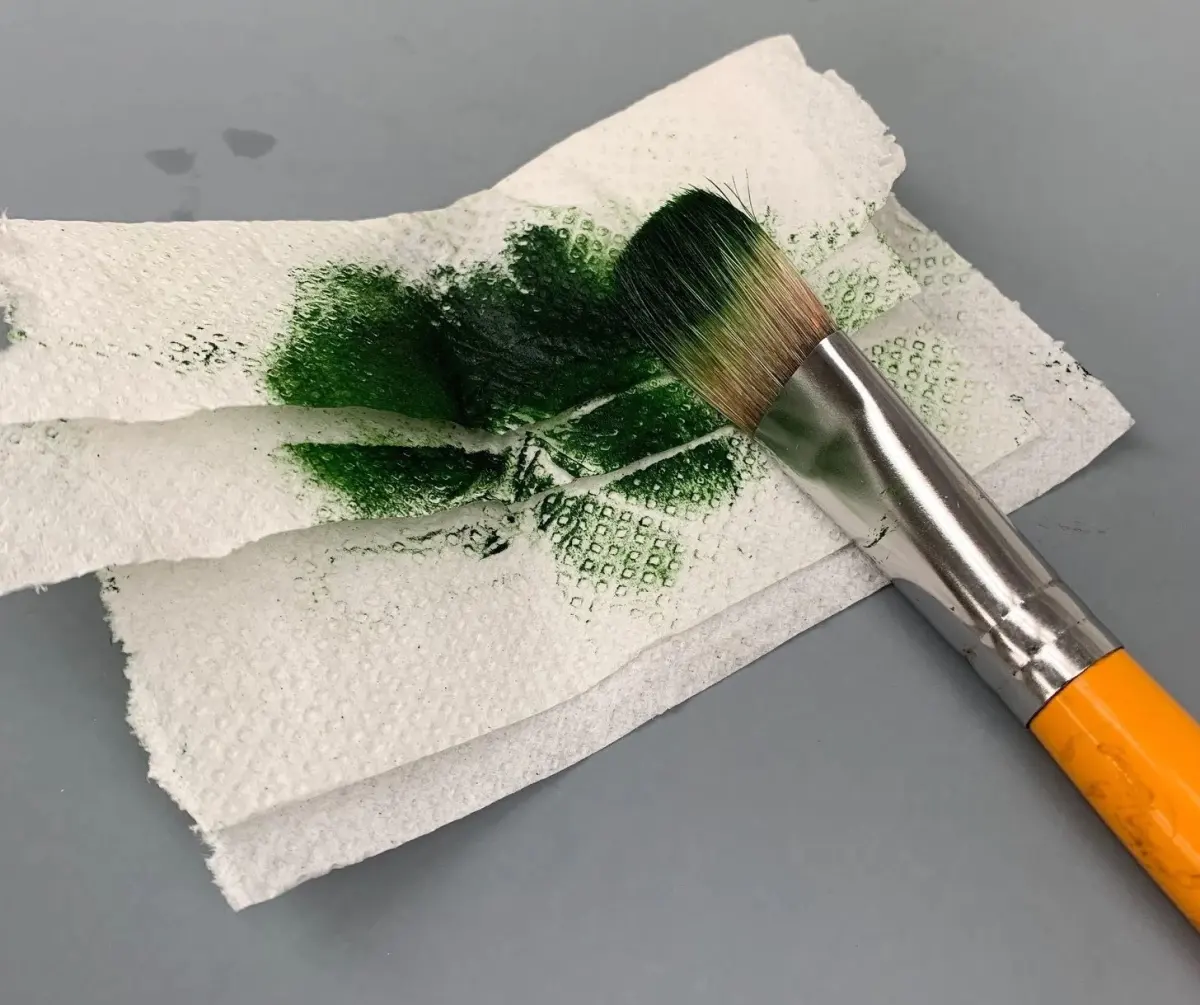
One of the most frequent errors artists make is overloading the brush, which causes paint to seep into the ferrule. Once paint accumulates at the base of the bristles, it becomes difficult to remove and eventually forces the hairs to splay outward permanently. This ruins the brush’s ability to hold a precise, rounded shape. Always wipe excess paint off the brush frequently rather than letting it build up near the metal band.
Another common mistake involves using the brush with the wrong amount of pressure or angle. Beginners often press too hard, causing the brush to lose its intended shape and creating muddy, overworked patches of color. Conversely, using the brush at too steep an angle can cause the metal ferrule to scrape against the canvas, potentially damaging the surface or leaving unsightly marks. Practice holding the brush at a 45-degree angle to the canvas to ensure the bristles make consistent, even contact.
How to clean and maintain filbert brushes
Proper maintenance is the secret to a long-lasting filbert brush. Because the bristles are rounded, they are prone to losing their shape if they are left standing in a jar of water or solvent. Never leave your brushes resting on their tips, as this will permanently deform the bristles and render the brush useless for delicate work. Instead, lay them flat on a paper towel or hang them vertically with the bristles pointing downward after cleaning.
Follow these maintenance tips to ensure your brushes remain in top condition:
- Use a mild soap or a dedicated brush cleaner to remove stubborn pigments from the base of the bristles.
- Rinse the brush thoroughly with lukewarm water until the runoff is completely clear.
- Gently reshape the bristles with your fingers while they are still damp.
- Store the brushes in a dry, ventilated area away from direct heat sources.
- Periodically condition the bristles with a small amount of hair conditioner to keep natural fibers soft and pliable.
Key facts
- A filbert brush features an oval-shaped ferrule with hairs that curve inward to create a rounded tip.
- It is a hybrid tool that combines the control of a flat brush with the soft, blended edges of a round brush.
- Artists primarily use filberts for blending skies, painting flower petals, and creating soft, organic shapes.
- The medium-length hair allows for a balance between spring and paint-carrying capacity.
- When painting portraits, filberts are ideal for softening transitions between skin tones and shadows.
- To maintain the shape, always clean the brush thoroughly and reshape the bristles while damp before storing it flat.
The bottom line
The filbert brush is an essential tool for any painter seeking to achieve soft, naturalistic transitions. By bridging the gap between flat and round brushes, it allows for versatile mark-making that is perfect for organic subjects like landscapes and portraits. Mastering this brush enables you to blend colors seamlessly and create fluid, rounded edges that give your artwork a more professional and polished aesthetic quality.
People also ask
Can I use a filbert brush for fine details?
While a filbert is excellent for broader applications, its rounded tip can be used for small details if you hold it vertically. However, a round or liner brush is generally more precise for intricate work.
Should I buy synthetic or natural hair filberts?
Synthetic brushes are best for acrylics because they resist the drying effects of the paint. Natural hair, such as hog bristle, is preferred for oils because it holds heavy-bodied paint effectively.
How do I prevent the bristles from splaying?
Avoid leaving your brush standing in water or solvent, as this bends the hairs permanently. Always store your brushes lying flat or hanging with the bristles facing downward.
What is the difference between a filbert and a cat’s tongue brush?
These terms are often used interchangeably, though a cat’s tongue usually has a more pronounced point at the tip. Both function similarly to create soft, rounded strokes.
How do I know which size to choose?
Choose a size based on the scale of your canvas; a size 4 or 6 is standard for medium-sized work. Larger sizes are better for covering background areas quickly without leaving harsh edges.
Is it necessary to use a filbert for landscape painting?
It is highly recommended because the brush shape mimics natural forms like foliage and clouds. Using a filbert helps you avoid the rigid, mechanical lines often produced by square-edged flat brushes.
This answer was created with the help of AI research tools and reference sources. Spotted an error? Let us know — we correct mistakes quickly. See our editorial policy.